
Purple potatoes are a relatively new variety to appear on store shelves. Consumers weren't immediately impressed by this exotic vegetable, but its beneficial properties have changed their minds. Numerous recipes for this unusual vegetable now exist. Its advantages and disadvantages are worth exploring in more detail.
History of appearance
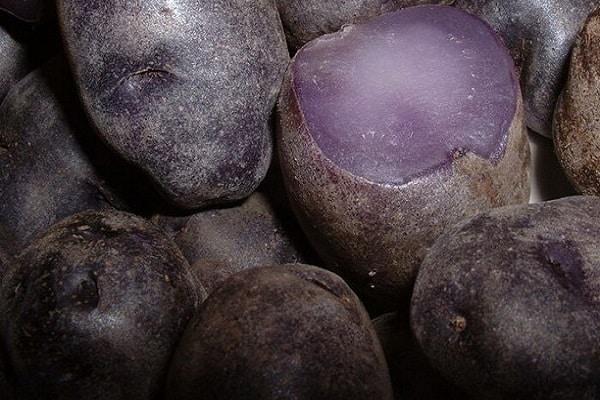
Purple potatoes, also known as "negress" or "vitalot," are derived from a wild plant native to South America. To develop the variety, interspecific hybrids were used, as well as pigments from vegetables grown at the equator and in Africa.
General information about purple potatoes
The description and characteristics of purple potatoes indicate that they are not a product of genetic engineering. Classical breeding methods were used to create them.
The potato differs from its light counterpart only in its external parameters and taste.
Popular varieties
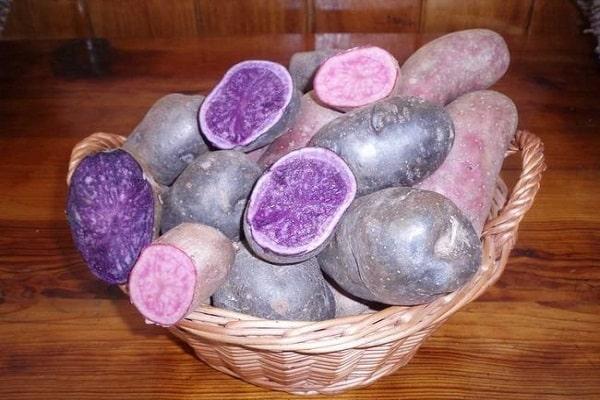
There are several varieties of purple potatoes with distinctive features.
Vitalot
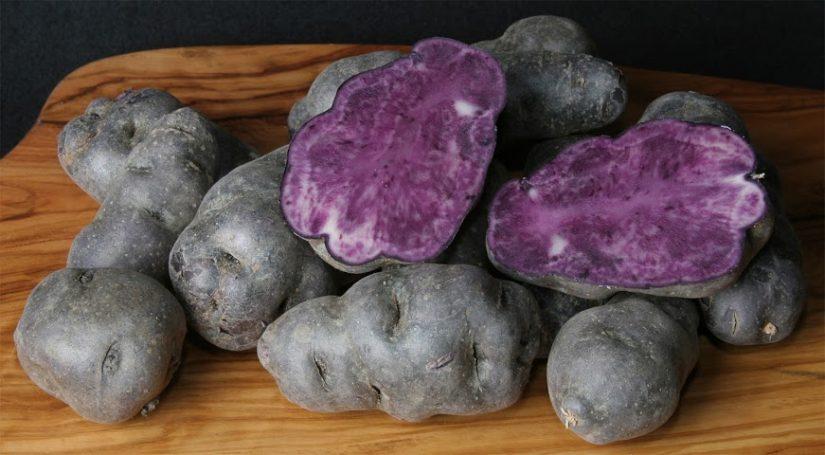
The most well-known variety has purple flesh and white speckles. The roots grow quite large and have an elongated oval shape. The plant is a late-ripening variety, so the harvest occurs in mid-October. It is suitable for long-term storage.
All blue
This subspecies differs from all others in that it has an unusual, intense blue color. The roots of this potato are relatively small, weighing about two hundred grams. The Ves' Siny variety is considered mid-late, so the first harvest is 70 days old.
Explosion
This variety was one of the first to be developed. Its name derives from its rapid and productive fruiting. A characteristic feature of this purple potato is its relatively small size but high yield. The roots are blue-violet in color. A single plant can yield up to five kilograms.
Lilac
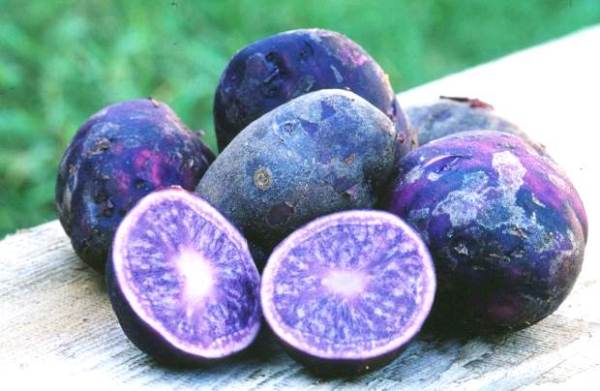
The variety gets its name from its lilac-colored flesh. This potato was developed by domestic breeders. It is a mid-season crop, with the first harvest occurring on the 95th day. The roots are small, weighing only 80 grams. The variety boasts average yields and is disease-resistant.
Peruvian violet
This variety is considered late-ripening, maturing within 100 days. It is medium-sized and produces a high yield, but is prized for its excellent flavor. It also boasts good disease resistance, long storage life, and excellent transportability.
Adirondack blue
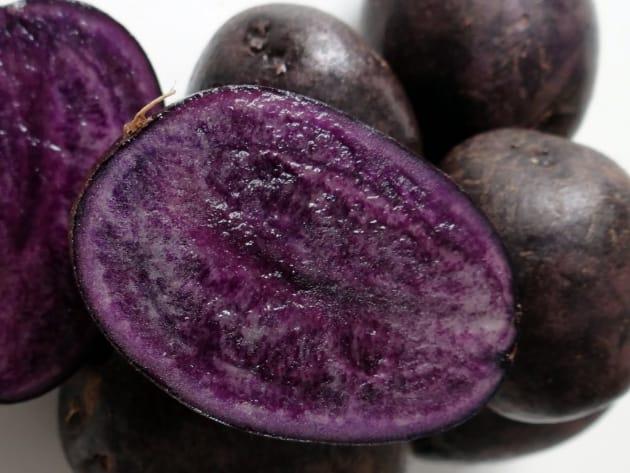
This potato is prized for its high yield and attractive presentation. The fruits are relatively small, weighing only 100 grams. It is a late-ripening variety, with the first harvest occurring 95 days after harvest. Its main drawback is its high susceptibility to disease.
Features of cultivation
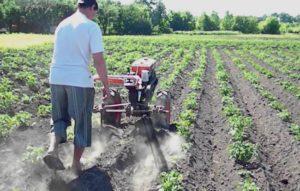
Unlike regular potatoes, purple potato varieties are more demanding and require special care. Planting begins in mid-April, using tubers or seeds, but not buds. It's important to note that purple potatoes are highly susceptible to diseases and some pests, such as the Colorado potato beetle. Loamy soil is suitable for planting. Otherwise, cultivation practices are similar to those for white potatoes.
Care instructions
Care consists of watering, weeding, fertilizing, and loosening the soil. Irrigation is done three times per season: immediately after germination, after bud formation, and after the flowers fall. During dry periods, watering at least once a week is recommended. Excess moisture promotes fungal diseases.
It is also important to weed, remove weeds, and treat bushes for pests immediately after entering.
Harvesting and storage
Harvesting typically occurs in early fall. It's not recommended to store the harvested root vegetables in direct sunlight for long periods. The potatoes should be laid out in an even layer in a separate room with moderate humidity—this will provide the right conditions for storing them. Also, immediately before storing, inspect each potato and remove any that are damaged. Varieties of this vegetable tolerate long-term storage well.
How to cook it correctly?
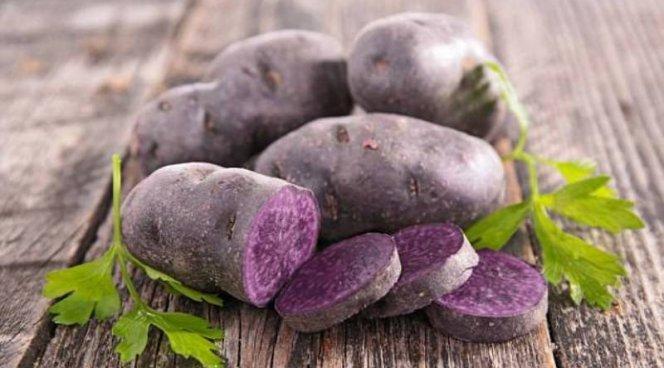
This exotic vegetable is used in a variety of dishes. Purple potatoes are often included in dietary plans. The cooking process is the same as for white potatoes.
Possible contraindications and indications
Despite its rich vitamin content and numerous beneficial properties, this unusually colored potato is not suitable for everyone. Including this purple vegetable in your diet is not recommended for people with the following conditions:
- high blood sugar;
- chronic constipation;
- excess body weight
- low blood pressure;
- gastritis, ulcer.
However, this product will provide benefits to those suffering from circulatory disorders and weakened immunity. It is also beneficial for people with myopia. Potatoes are often used to normalize bowel movements and relieve stomach pain, prevent stroke, and improve iron absorption.
Benefits and harms of use
Distribution of this species potatoes received for their beneficial propertiesDishes prepared with this vegetable can help those with circulatory problems, as they can lower blood pressure. However, this vegetable should not be consumed by those with low blood pressure, as it can pose a health risk.
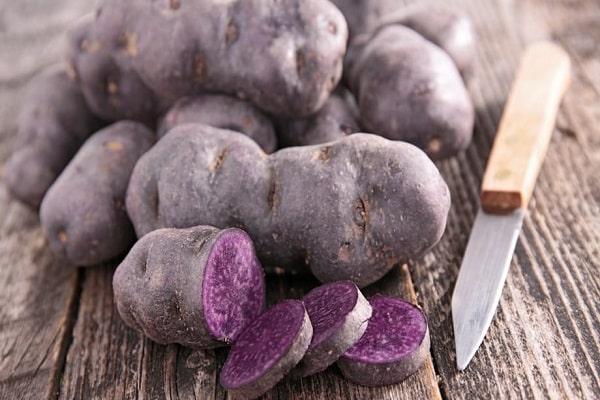 In addition to their high antioxidant content, these potatoes are also rich in vitamin C and carotenoids. Regular consumption of these potatoes can improve vision, strengthen blood vessel walls, and prevent plaque formation. These properties reduce the risk of atherosclerosis and cancer.
Reviews
Vladislav, Tver
"We've been growing purple potatoes for three years now. At first, the harvest seemed strange, but now we've gotten used to it. We like them for their unusual flavor and ease of growing."
Lyudmila, Moscow
"I heard about the health benefits of purple potatoes and decided to try growing them myself. At first, the harvest was quite small, but then things started to go well. We'll soon be switching to this variety entirely; the whole family loves it."
Related posts:
 Description of the best potato varieties of domestic and foreign selection
 Description and characteristics of the Rodrigo potato variety, cultivation and care
 Description and characteristics of the Gulliver potato variety, planting and care
 Description of the best potato varieties for 2025, selection for regions
 Description and characteristics of the Krasavchik potato variety, planting and care
 Why potatoes aren't growing well in the garden, and what to do to ensure a bountiful harvest
 Description and characteristics of the Zhukovsky potato variety, planting and care
 Description and characteristics of the Arosa potato variety, planting and care