
- History of selection and growing regions
- Advantages and disadvantages of the Bohemia strawberry
- Varietal and description features
- Bush size and appearance of the leaf blade
- Flowering and pollination
- Ripening time and yield
- Taste qualities of the fruit and its further sale
- Resistance to low temperatures and drought
- Susceptibility to diseases and parasites
- Specifics of planting the Bohemia variety
- Selecting and preparing a site for a garden bed
- Selecting seedlings
- Timing and technology of planting seedlings
- How to care?
- Watering mode
- Top dressing
- Weeding and loosening the soil
- Mulching
- Shelter for the winter
- Preventive and seasonal treatments
- Methods of reproduction
- Seeds
- By dividing the bush
- Sockets
- Gardeners' reviews of the variety
The Bohemia strawberry variety is a late-ripening, non-everbearing crop used for confectionery and raw eating. Developed in 2004, it remains popular among gardeners across Russia. Its key characteristics include low maintenance and increased resistance to most diseases and pests.
History of selection and growing regions
The variety was developed at the All-Russian Institute of Horticulture by breeder Galina Fedorovna Govorova in 2004. Four years after its development, it was registered in the state register. Due to the plant's excellent tolerance to climate fluctuations and its increased resistance to most diseases and pests, it is suitable for cultivation in virtually all regions.
The plant thrives in a continental climate with ample sunlight and little drought. This crop is not a strawberry, but rather a remontant garden strawberry.
Advantages and disadvantages of the Bohemia strawberry
The main advantages of the Bohemia strawberry variety include:
- increased resistance to drought and severe frosts;
- unpretentiousness to the planting site and care of the crop;
- fruit sizes;
- quantity of harvest;
- taste qualities of berries;
- immunity to viruses and fungal diseases;
- possibility of long-term transportation and storage.
Among the disadvantages of the variety one can note:
- green ends on some berries;
- unstable harvest quantity;
- reduction of fruits in case of too dense planting of plants.
Varietal and description features
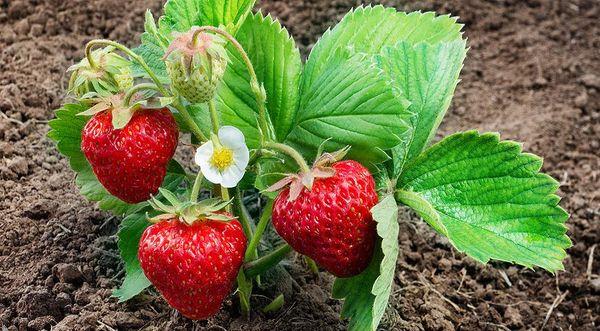
This variety produces large, spreading bushes with strong root systems that grow quickly. This plant is resistant to diseases and various pests. It is also easy to care for and requires little space. For this reason, it is suitable for novice gardeners or those who grow berries for themselves.
The Bohemia strawberry is a late-ripening variety, with the berries fully ripening around the second half of July. It has increased resistance to frost and dry climates, making it suitable for growing in a variety of regions. It's recommended not to plant too densely. Otherwise, it may negatively impact the size of the berries and the overall yield.
Bush size and appearance of the leaf blade
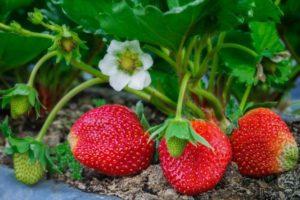
The upright bushes can reach a height of 20-30 centimeters and a width of 30-40 centimeters. The plant has a robust root system that quickly develops and spreads through the soil. The leaves are dark green, with characteristic strawberry serrations along the edges and medium-depth wrinkles on the leaf surface. The flowers that appear during flowering are white and appear in clusters, causing the branches to sag toward the ground.
Flowering and pollination
This variety doesn't require additional planting for pollination, as Bohemia produces bisexual flowers. It's a late-ripening crop: flowering begins in early June, and the berries fully ripen in the second half of July. These timings can also vary depending on climate conditions and the quality of care provided.
Ripening time and yield
Most Bohemia strawberries ripen by the end of July. If the conditions necessary for healthy growth are maintained, a single bush can yield up to 2 kilograms of fruit. On average, a single berry weighs 20 to 30 grams. This weight can vary depending on planting density.
Taste qualities of the fruit and its further sale
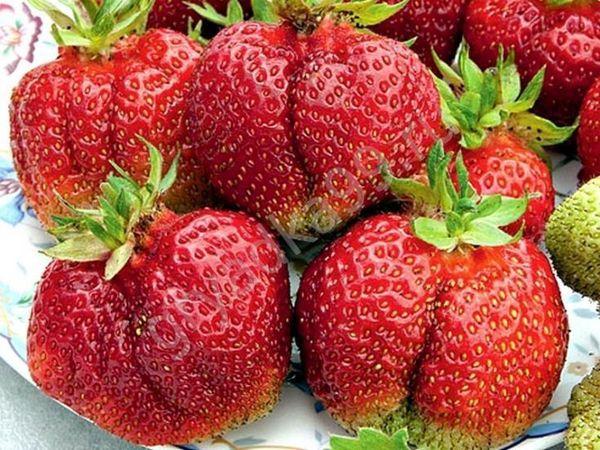
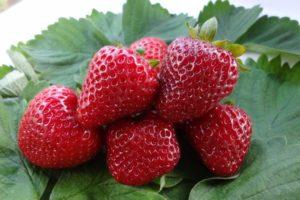
According to tasters, Bohemia berries are rated 4.5 out of 5. Among the advantages are moderate sweetness, firm flesh, and a persistent aroma. Among the disadvantages is the frequent occurrence of green tips on the berries, which do not fully ripen due to their large size. The strawberries are conical in shape, dark red in color, and have no neck.
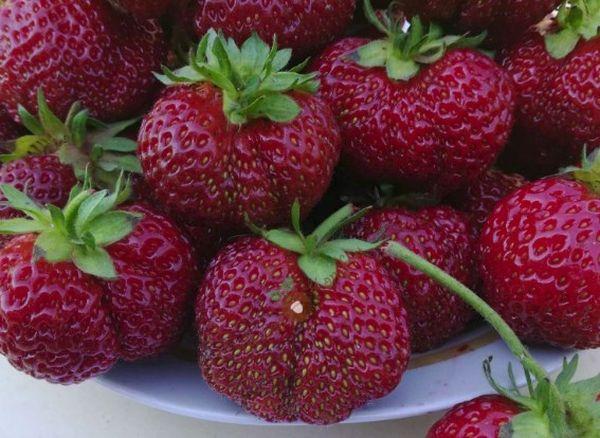
On average, one berry weighing 30 grams contains the following substances:
- 3 grams of sugars;
- 3 grams of vitamin C;
- 3 milligrams of acids;
- 25 grams of other substances.
Resistance to low temperatures and drought
One of the advantages of the Bohemia strawberry variety is its resistance to cold temperatures and drought. It can withstand temperatures down to -25°C without shelter. The plant also thrives in arid climates and can survive without moisture longer than other strawberry varieties.
Compact temperature conditions for this variety are 14-25 °C with an average air humidity of 50-70%.
Susceptibility to diseases and parasites
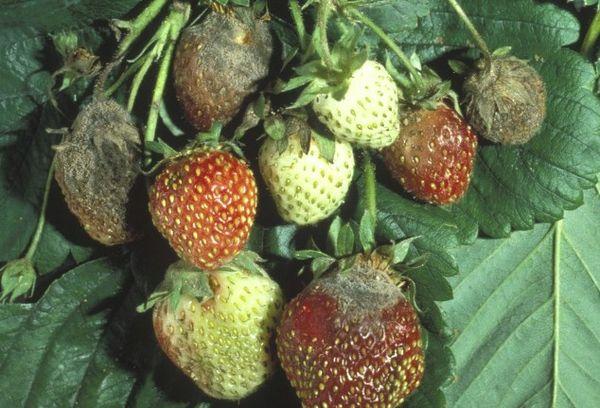
This variety is easy to grow and resistant to most diseases and pests that affect other strawberry varieties. Among the diseases to which Boheme is immune are:
- fusarium;
- gray mold;
- powdery mildew;
- late blight.
Among the parasites to which the culture is immune are:
- nematode;
- aphid;
- mite.
Infestation by such pests can only occur if there's an outbreak near the strawberry plant. In this case, it's best to administer light pest and parasite control beforehand.
Specifics of planting the Bohemia variety
To ensure stable crop growth, proper planting is essential. This includes choosing the right plot for planting, selecting the right seedlings, and preparing the crop for planting.
Selecting and preparing a site for a garden bed
The Bohemia strawberry variety requires a site with a level surface, light and moderately moist soil that will receive a sufficient amount of sunlight daily.
If this area receives partial shade, the plant won't be affected. However, placing the bush in full shade is not recommended, as this will reduce the yield and cause the fruit to become smaller.
Selecting seedlings
When choosing planting material, you should pay attention to the sprout and conduct a visual inspection for the presence of:
- darkening;
- spots of different sizes and colors;
- withered leaves and branches;
- external damage;
- dried leaves.
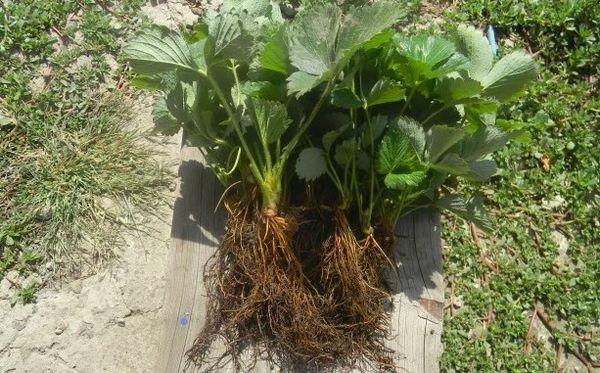
If any of these signs are detected, you should purchase different seedlings. Also, when purchasing, pay attention to the condition of the soil. If it's too dry, it's best to buy the plants from a different seller.
Timing and technology of planting seedlings
Plant seedlings in the spring at the first sign of warmth. If planted in the fall, they won't have time to adapt, and the following year's fruit production will be minimal. Before planting, dig a hole 20-30 centimeters deep in the soil, spaced 40-50 centimeters apart. Then, place the seedlings in the holes, spreading out the roots, filling the holes with soil, and compacting the surface.
After planting, the plant should be watered with plenty of lukewarm water.
How to care?
To ensure the Bohemia strawberry variety grows steadily, it requires systematic and proper care. This includes:
- watering;
- fertilizer;
- preparing for winter;
- soil cleaning.
Watering mode
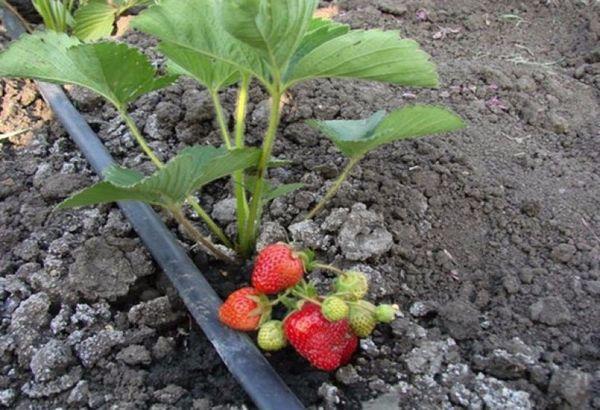
The plant doesn't require much watering, but for best growth, it should be watered as the soil dries out. There's no need to worry about over-watering, as the variety is resistant to rot, so this won't affect its health or the quality of the harvest.
Top dressing
Fertilize the soil while the crop is growing. The first application should be made immediately after the snow melts. An organic solution of cow or bird manure is suitable for this purpose. When buds appear on the crop, apply nitroammophos. As soon as green fruits form, apply a mixture of cow manure, ash, and nitroammophos.
Weeding and loosening the soil
Loosening the soil after watering improves moisture absorption and oxygenation of the soil. Weeding should be done if other plants or weeds form around the strawberry bush and interfere with the seedling's growth.
Mulching
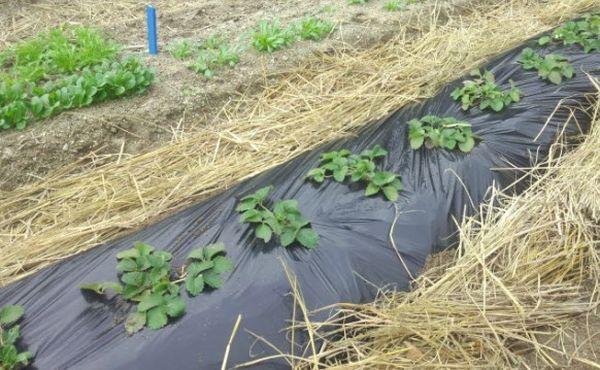
Mulching is carried out only in the event of severe frosts that exceed -25 °C, for this purpose the following is used:
- wood sawdust;
- straw;
- fallen leaves.
Shelter for the winter
Covering the crop before winter to reduce plant stress is essential. Strawberries can be covered with the following materials:
- polyethylene film;
- insulation.
Preventive and seasonal treatments
The Bohemia strawberry variety is resistant to most diseases that affect other crops. Therefore, treatment should only be carried out if the plant is infected.
To combat parasites and pests, it is necessary to carry out preliminary treatment before flowering with Actofit or Fitosporin.
Methods of reproduction
The Bohemia strawberry variety is propagated in the following ways:
- division of culture;
- seeds;
- mustache.
Seeds
Seeds are used only for seedlings, as the plant may die if planted outdoors. Strawberries should be planted in pots in late fall for subsequent transplanting into the open ground. In this case, the first harvest will appear as early as July.
By dividing the bush
Dividing the bush is a dangerous method, as there's a risk that the shoots won't adapt to the new environment and will die. Furthermore, this method encourages the development of the same diseases on the separated branches that affected the original plant.
Sockets
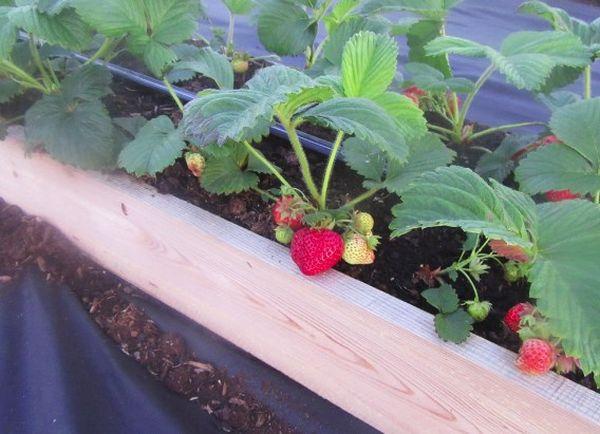
Due to the large number of runners on this plant, rosette propagation is one of the most popular. This method of cultivation eliminates the risk of damaging the plant, and the technique itself requires no special skills.
Gardeners' reviews of the variety
Kirill, 29 years old, Krasnodar.
"A good variety for growing in our conditions, unpretentious and suitable for most novice gardeners."
Evgeniy, 36 years old, Samara.
"The Bohemia strawberry has a pleasant taste, a persistent aroma, and a large harvest of up to 2 kilograms can be collected from one bush."
Related posts:
 Description of the Ruyana strawberry variety, planting and care instructions
 Description of the Diamond strawberry variety, planting and care instructions
 Description and cultivation of the Baron Solemacher strawberry variety, planting and care
 Description of the Pineberry strawberry variety, cultivation and care
 Description and characteristics of the Korona strawberry variety, planting and care scheme
 Description of the Bryanochka cherry variety, planting and care instructions
 Timing of strawberry planting in the middle zone in autumn, description of 25 best varieties
 The best grape varieties for growing in the Urals, planting and care rules in summer