
- History of selection and regions of cultivation of the Vityaz strawberry
- Advantages and disadvantages of culture
- General information about the variety
- Bush size and appearance of the leaf blade
- Flowering and pollination
- Ripening time and yield
- Taste qualities of the fruit and its further sale
- Resistance to drought and frost
- Susceptibility to diseases and parasites
- How to plant strawberries in your garden
- Selection and preparation of beds
- Preparing seedlings
- Timing and technology of planting seedlings
- We organize care for berry bushes
- How often to water
- How to feed the plant
- Weeding and loosening the soil
- Mulching
- Shelter for the winter
- Preventive treatments against diseases and pests
- Methods of reproduction
- Seeds
- By dividing the bush
- Sockets
- Gardeners' reviews of the variety
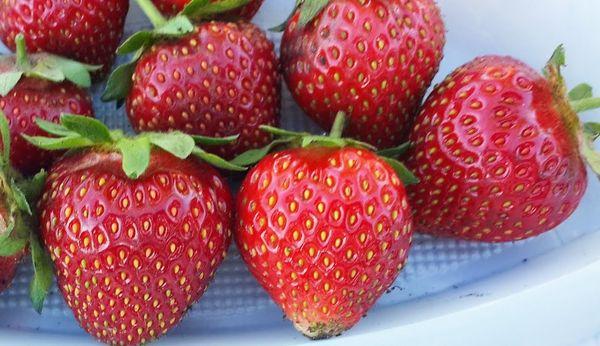
The versatile Vityaz strawberry variety lives up to its name. Large, cone-shaped berries rise above the wide bushes. This variety produces fruit consistently, is easy to grow, and boasts high winter hardiness. It's recommended for planting in elevated areas, as it doesn't tolerate stagnant water, but also doesn't tolerate prolonged dry soil.
History of selection and regions of cultivation of the Vityaz strawberry
As a result of crossing the parents strawberry varieties Surprise Olympiad and Festivalnaya RomashkaThe universal Vityaz variety was developed. The discovery was made by the Kokinsky Research Center of the Federal State Budgetary Scientific Institution "VSTISP." In 1997, the All-Russian Institute of Selection and Technology applied to include the variety in the State Register. Two years later, the application was approved. During this time, the variety underwent various resistance tests. Vityaz strawberries are suitable for cultivation in the Northwest, Volga-Vyatka, Middle Volga, and Central regions.
Advantages and disadvantages of culture
There are several positive aspects to growing this variety:
- Good yield.
- Resistance of the variety to strawberry mite.
- Pleasant taste of fruits.
- The variety is resistant to severe frosts.
Berries contain a lot of useful substances necessary for maintaining health, as well as vitamin C.
A minor drawback is that strawberry bushes produce few runners, which makes the process of breeding this variety difficult.
General information about the variety
Before planting a variety in your garden, it is important to familiarize yourself with its technical characteristics in order to provide the necessary care for the crop to obtain a high yield.
Bush size and appearance of the leaf blade
Vityaz strawberry bushes are semi-spreading, medium-height, and flattened-round in shape. The leaves are bright green, with a subtle blistering on the surface. The leaf blades are slightly concave, with a blunt base.
Flowering and pollination
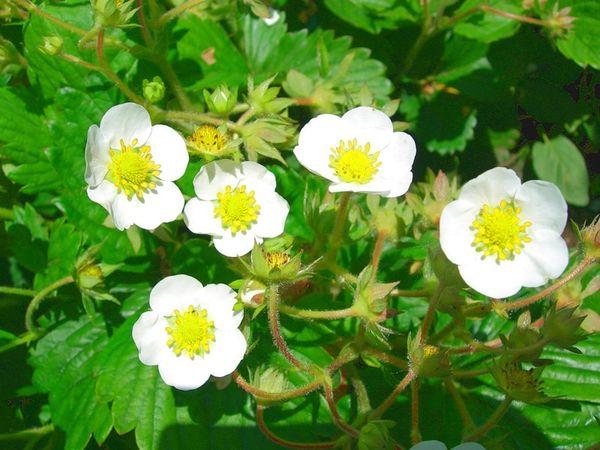
The flowers are medium-sized, compact, and rise slightly above the foliage. A single bush can bear up to nine short, multi-stage flower stalks. When grown outdoors, strawberries are pollinated by wind and insects.
If large plantations are being grown, it is recommended to install hives.
Ripening time and yield
The Vityaz strawberry is a mid-season variety. It produces 1m of fruit in one season.2 From plantings you can get more than 1 kg of berries.
Taste qualities of the fruit and its further sale
The berries have a pleasant taste, with a subtle tartness. The sugar content is average (9%). The fruits contain a large amount of vitamin C, as evidenced by the acidity level, which is around 1.2%. The fruits are suitable for both fresh consumption and winter preservation.
Resistance to drought and frost
The Vityaz strawberry variety thrives on moisture. Strawberries have a shallow root system, so maintaining moisture is key to harvesting. Overly dry soil can significantly reduce yield. Moistening is necessary in the spring and fall. If drought occurs in the fall, there's a high risk of losing a crop the following season.
The Vityaz variety is resistant to harsh winters, but it is advisable to mulch young plantings and cover them for the winter.
Susceptibility to diseases and parasites
The variety is resistant to various diseases. It is resistant to verticillium wilt, brown and white spot, and powdery mildew. A good feature of the variety is its resistance to strawberry mites.
How to plant strawberries in your garden
Vityaz strawberries cannot be planted in a bed where onions, parsley, carrots, or tulips were previously grown.

Selection and preparation of beds
The strawberry planting site should be in the sunniest spot. The variety can grow in any soil, but loamy soil with a neutral pH is considered best. The soil should be loose and well-drained.
Preparing seedlings
Well before planting the seedlings, apply a complex fertilizer, preferably potassium-rich, to the bed. Before planting, remove dried leaves from the seedlings and inspect the root system. After this, dip the strawberry roots in a weak solution of potassium permanganate. After 10 minutes of soaking, remove the seedlings and rinse the roots under running water.
Timing and technology of planting seedlings
Plant the seedlings in May in pre-prepared holes. It's important not to bury the growing point. The top bud should be at ground level. Planting should be done on a cloudy day or in the evening. Water the plants generously and monitor the soil moisture until the strawberries begin to grow.


The Vityaz variety produces few runners. This is the only problem. To increase runner formation, a separate bed should be set aside for the plantings. When growing mother plants separately from fruiting plants, do not allow them to flower or set fruit. All flower stalks should be removed promptly. This will allow you to obtain more planting material.
We organize care for berry bushes
Although the Vityaz strawberry variety is considered easy to grow, it's important to know and follow proper cultivation and care practices to avoid losing the harvest and increase fruiting.
How often to water
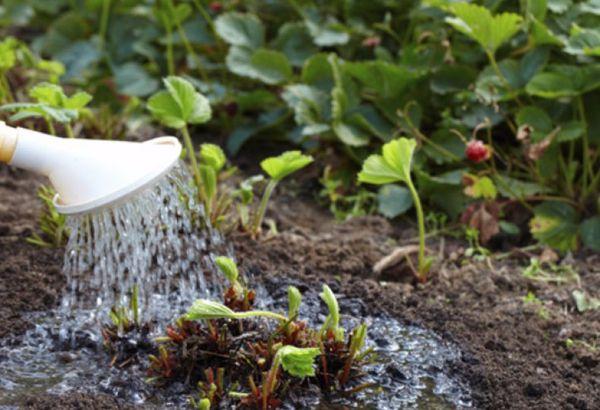
When the soil dries out, the yield decreases. Vityaz loves moisture. Water as the soil dries out. Watering should be regular. Pay particular attention to soil moisture in the spring and fall, otherwise there will be no harvest.
How to feed the plant
Strawberries need to be fed with organic and mineral fertilizers. Before planting, add superphosphate and organic matter to the hole. During the growing season, strawberries are fertilized twice. Apply complex fertilizers under the roots, and use bio-fertilizers as foliar feeding. In the spring, spray the plantings with urea, which stimulates vigorous growth.
Weeding and loosening the soil
To ensure good air exchange, it is recommended to regularly loosen the soil around the plants and remove weeds so that they do not choke out the berry crop and do not take all the nutrients from the soil.
Mulching
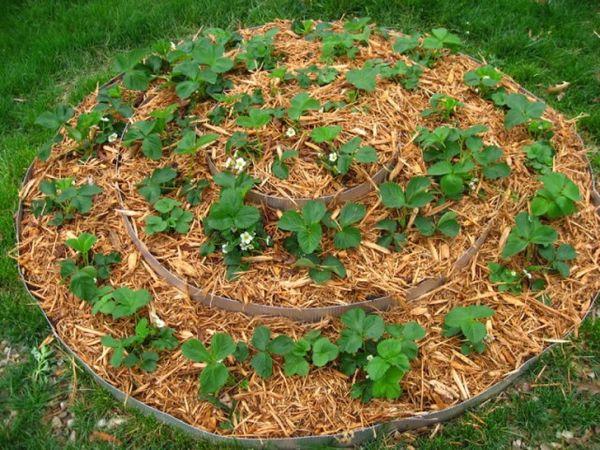
To maintain soil moisture and prevent weed growth, strawberry plants should be mulched. Dry grass, sawdust, or peat moss can be used as mulch.
Shelter for the winter
Green foliage remains on the bushes until winter. Then the aboveground part dies. If the plantings are not covered, the root system can freeze at temperatures below -8°C. With proper cover, the berry crop can easily survive temperatures as low as -35°C.
Preventive treatments against diseases and pests
As a disease prevention measure, it's recommended to thin out the plantings promptly to avoid overcrowding, as high humidity and dense bushes can lead to rot. The fruit will then rot and become unfit for consumption.

Methods of reproduction
The Vityaz strawberry is propagated by seeds, division of the bush, and daughter rosettes.
Seeds
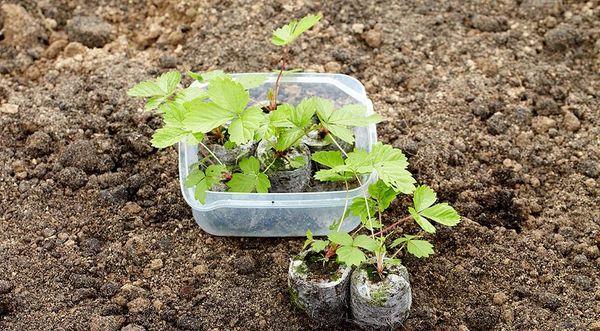
Sow seeds in January, provided supplemental lighting is available. If there is no supplemental lighting, plant the seeds in March. Sow superficially. After planting, cover the seedbed with plastic film to create a mini-greenhouse. The first shoots appear within two weeks. Constantly monitor soil moisture, as even slight drying out will kill the seedlings. Transplant the seedlings when four leaves have developed. In June, transplant them into open ground.
By dividing the bush
Over time, plantings become overgrown, and yields decline. In this case, rejuvenation is necessary. A four-year-old mother plant should be divided into several sections, each with a well-developed root system. The new plants are transplanted to a prepared bed and watered generously. Care is the same as for mature plants.
Sockets
The Vityaz strawberry variety produces weak runners, making it virtually impossible to quickly establish a large planting. However, many gardeners resort to a tricky approach, separating several mother plants in their plots and preventing them from bearing fruit. These mother plants produce rosettes, which are separated and transplanted to a new plot. Transplanting is performed when the root system is well developed.
Gardeners' reviews of the variety
Margarita, Nizhny Novgorod:
"The tasting score of this variety is slightly inferior to the brilliant varieties of Russian selection. However, the flavor is pleasant, with a subtle tartness. It's good for freezing, canning, and making compotes. It likes moisture. If you don't water it, you won't get a harvest."
Elena, Kirov:
"I've been growing this variety for many years. Over the years, I've come to the conclusion that the better you tend to your strawberries, the larger the yield. It keeps well, so it's suitable for commercial cultivation."
Related posts:
 Description of the Florence strawberry variety, planting and care features
 How to grow strawberries at home
 Description and characteristics of the Vima Zanta strawberry variety, planting and care scheme
 Description of the Holiday strawberry variety, cultivation and propagation methods
 Description of the everbearing strawberry variety Selva and cultivation technology
 Description and how to plant the Garland strawberry variety
 The best varieties and cultivation of everbearing strawberries, fertilizing and propagation
 Description of the Bogota strawberry variety, planting and care features