
- The history of the Vikoda variety
- Habitat
- Advantages and disadvantages
- Description and characteristics of strawberries
- Bushes and shoots
- Flowering and fruiting
- Yield and taste of berries
- Immunity to diseases
- Resistance to low temperatures
- Agricultural technology of cultivation
- The best predecessors and neighbors
- Preparing beds and seedlings
- Step-by-step technology for planting bushes
- A set of care measures
- Watering and fertilizing
- Weed control and soil mulching
- Fertilizing
- Preventive treatments
- Preparing for winter
- Methods of reproduction
- Rooting by tendrils
- By dividing the bush
- Seeds
- Gardeners' reviews of the variety
The fragrant, late-ripening Vikoda large-fruited strawberry variety is beloved by gardeners for its high yield and the delicious flavor of its ripe fruit. This Dutch hybrid tolerates frosty winters and prolonged droughts well. Self-sufficient, it boasts high resistance to fungal diseases, is easy to care for, and can be planted in pairs to increase yield.
The history of the Vikoda variety
The late-ripening Vikoda strawberry is the fruit of the efforts of Dutch breeders. It is not officially listed in the State Register of Strawberries in our country. Among the variety's strong genetic traits are its cold tolerance, large fruit size, resistance to gray mold, and a long fruiting period.
Habitat
Due to its ability to thrive in variable climates and relatively low light conditions, Vikoda is grown throughout Russia (from the Urals to Siberia) and Europe. It thrives in the Moscow region, the Volga region, and the south of our country.
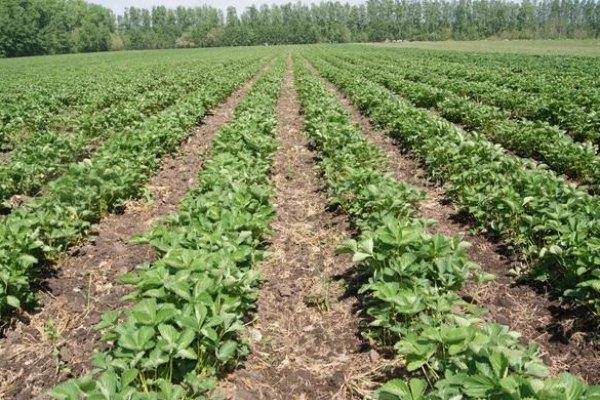
The site for strawberry beds should be elevated, preferably facing south. Growing strawberries in lowlands or marshy areas is unacceptable.
Advantages and disadvantages
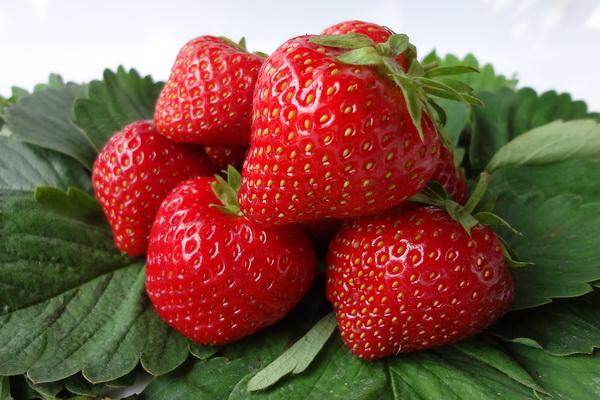
Vikoda is a late-ripening, short-day strawberry. The variety's key advantages include:
- Large-fruited.
- Winter hardiness and resistance to prolonged drought.
- The fruits retain their marketable appearance for a long time and are suitable for transportation.
- Resistant to most fungal infections.
- High yield, up to 1 kilogram of delicious berries can be collected from one bush.
The disadvantages of the variety include:
- Late fruiting period.
- The first berries often ripen in pairs.
- The bush is formed lush and spreading, it is recommended to leave a large distance between the bushes.
- During periods of intense heat, the flesh of the fruit becomes softer and more crumbly.
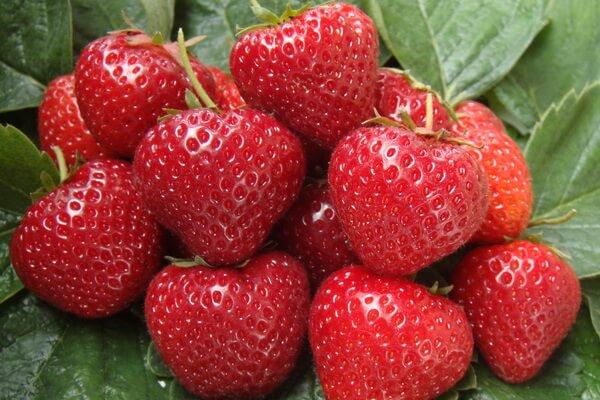
As the fruit ripens, a pleasant, fresh strawberry aroma emerges from the strawberry plantations. Full ripeness is indicated by the white tip of the fruit against a dark red background.
Description and characteristics of strawberries
Vikoda strawberries are short-day berries. Fruiting begins late. It is recommended to plant them alongside early strawberry varieties. This creates the effect of continuous fruiting in strawberry plantations.
Bushes and shoots
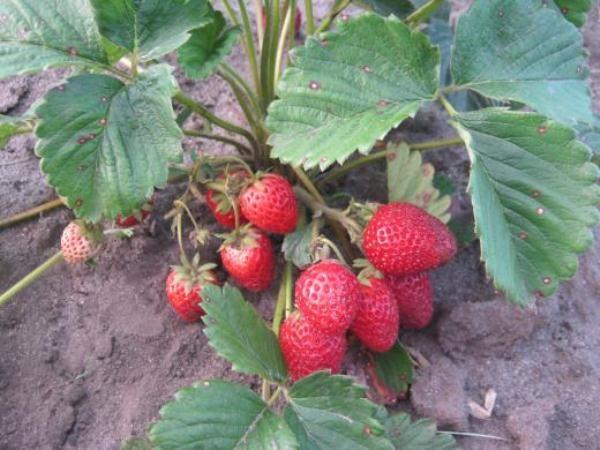
Vikoda produces vigorous, spreading bushes. Plants can reach a height of 35 centimeters. When planting seedlings, the distance between the holes should be increased. However, to increase yield, two plants are often planted in a single hole. This results in a more robust root system.
Strawberries of this variety produce few runners, and plantings are not thickened with “babies”, but this feature is not a positive quality for propagation of the variety.
Flowering and fruiting
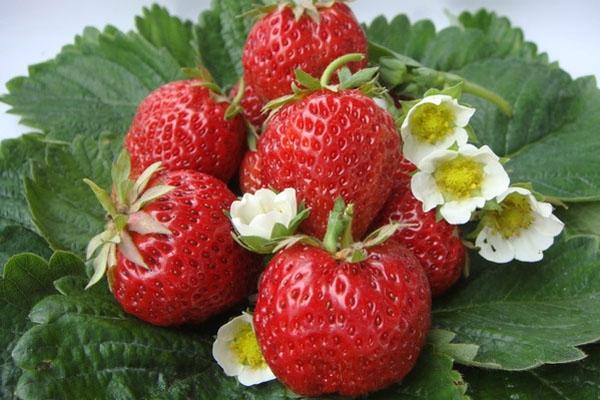
Strawberry beds bloom uniformly in late July. Both male and female flowers form within a single inflorescence. Vicoda is a late-ripening variety, but the fruiting period is quite long. This Dutch hybrid is slightly susceptible to gray fruit rot, so lining the bushes with straw is not necessary. Aphids and strawberry mites have been observed to rarely attack this variety of strawberry.
Yield and taste of berries
Despite the stunning aroma of ripe berries, the taste of Vikoda's fruits is average: 4 out of 5 possible points. The fruits often form double, especially during the first flush of fruiting. Ripe strawberries retain a white tip.
Note: A ripe fruit can weigh up to 120 grams. With proper care, a single bush can yield up to 1 kilogram of ripe berries per season.
A bush can grow in one place for 4 years, after which the plantings should be rejuvenated, otherwise the berries will rapidly become smaller.
Immunity to diseases
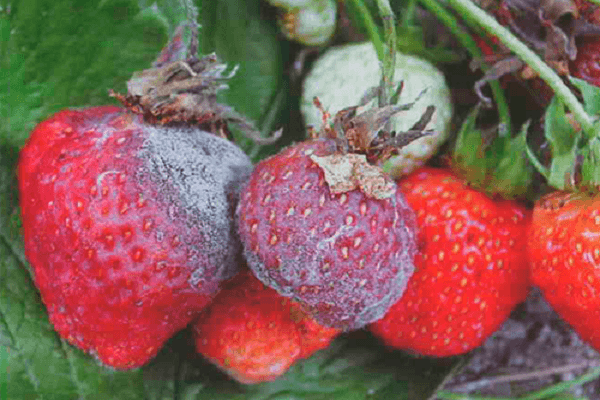
Vicoda has a high immunity to various types of rot and bacterial infections. Strawberries are virtually immune to gray mold, powdery mildew, and holey spot. To prevent fungal diseases, pruning is performed in the spring and fall.
Resistance to low temperatures
Vikoda has proven itself as a strawberry variety resistant to temperature fluctuations, making it suitable for cultivation in the Urals and Siberia. Dutch strawberries can survive winter without additional shelter.
Agricultural technology of cultivation
To obtain a bountiful harvest of aromatic berries, it's essential to follow proper agricultural practices and plant care guidelines. It's crucial to choose the right location for strawberry plantings and adhere to crop rotation guidelines.
The best predecessors and neighbors
The main rule for choosing strawberry predecessors is to avoid planting in beds where other berry crops have been grown. The best predecessors for Vikoda are:
- all types of legumes;
- carrot;
- parsley, dill;
- corn;
- radish;
- garlic.
It is not advisable to plant strawberries after potatoes, sweet or hot peppers, or cucumbers.
It is recommended to plant marigolds or calendula near strawberry beds; these plants repel insect pests.
Preparing beds and seedlings
Before planting seedlings, a series of preparatory measures are carried out: the soil is dug to a depth of up to 30 centimeters, loosened, weeds are removed, the soil is disinfected, and fertilizers are applied.
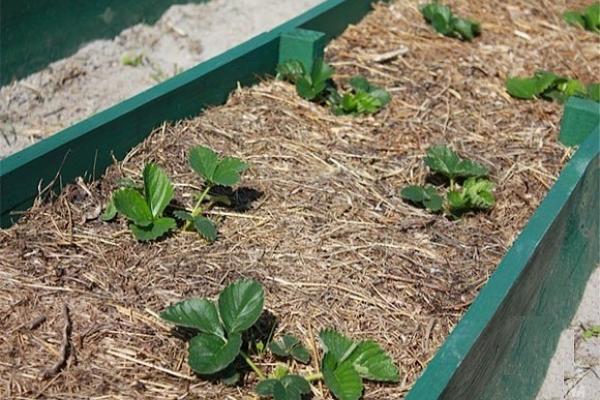
It is important to distribute the holes correctly, placing them in a checkerboard pattern, at a distance of 40-50 centimeters from each other.
Step-by-step technology for planting bushes
In the prepared soil, mark out the holes according to the planting plan. The planting holes should be about 20 centimeters deep. Add a mixture of humus and sand to each hole, adding a handful of wood ash. Moisten the hole with warm water containing potassium permanganate or pour boiling water over it.
The bush is placed in the center of the hole, carefully spreading out the roots. Vicoda can be planted two roots per hole. Then, the young strawberries are covered with soil and watered at the roots.
A set of care measures
To ensure a rewarding strawberry harvest, gardeners must regularly implement a comprehensive set of plant care measures. Vicode requires timely watering and fertilizing, as well as preventative treatments against insect pests.
Watering and fertilizing
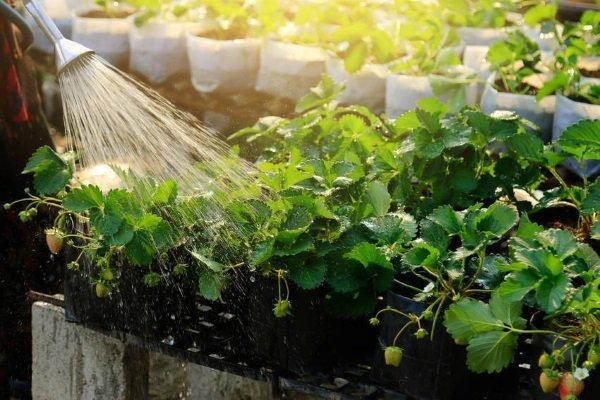
Stagnant moisture around the roots of berry plants is unacceptable; overwatering quickly leads to fungal diseases. Therefore, irrigation is adjusted according to weather conditions.
Drip irrigation is the best method for irrigating strawberry beds. Watering should be done in the morning or evening, using warm water.
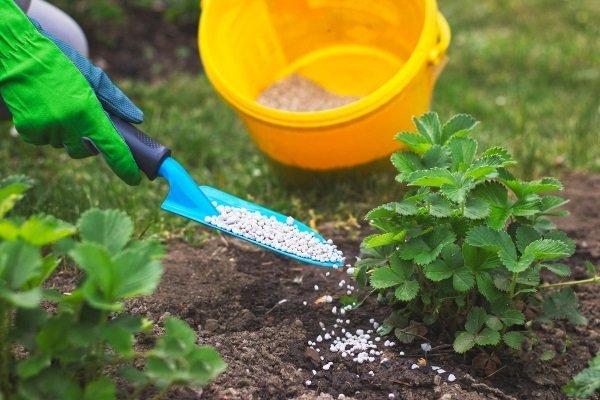
Liquid mineral fertilizers are used for fertilizer. Once per season, before flowering, it is recommended to feed strawberry plants with infused chicken manure diluted with water at a ratio of 1:3. Avoid allowing any organic fertilizer to drip onto the plant leaves.
Weed control and soil mulching
After watering, the Vicoda bushes are loosened and weeded. Cultivation should be superficial, to a depth of no more than 5 centimeters. Regular weeding is necessary to prevent outbreaks of fungal diseases. The strawberries are then mulched with a mixture of last year's compost and sand.
Fertilizing
Vikoda is characterized by its weak runner formation. This is convenient, as the plantings are not overcrowded with offspring, but it is also more difficult to propagate. To stimulate runner formation, it is recommended to feed the bushes with nitrogen fertilizers after fruiting has finished.
Note: Apply liquid fertilizer directly to the plant's roots, avoiding contact with leaves and stems.
Preventive treatments
To prevent fungal diseases, plants are sprayed twice a season with a solution of potassium permanganate or brilliant green: 10 drops of brilliant green per 10 liters of water is sufficient. Some gardeners use iodine solutions.
Preparing for winter
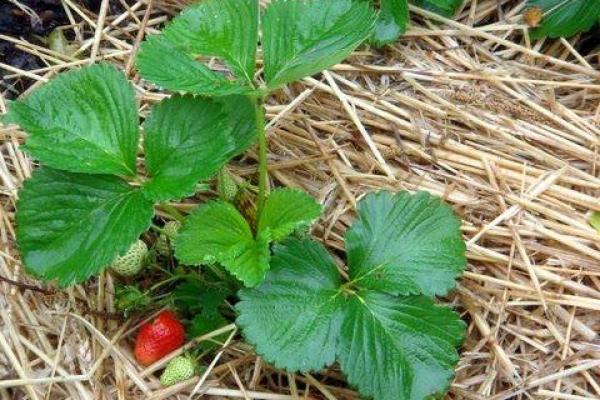
Vikoda strawberries tolerate frost and cold winters well. They don't require additional winter protection. However, some caring gardeners cover the beds with straw or special agrofibre in the fall after pruning the bushes.
Methods of reproduction
The primary method of propagating Vikoda is by runners, but division is also used. Growing seedlings from hand-collected seeds is not recommended, as Vikoda is a hybrid, and seedlings often lose the main advantages of the parent variety.
Rooting by tendrils
After the final harvest, the strawberries are fed with nitrogen-rich fertilizers to encourage the mother plant to produce more runners. The offshoots are rooted next to the adult plant. After a month, the connecting stem is cut off, dug up, and transplanted to their permanent location. The first berries will appear on these offshoots the following season.
By dividing the bush
Vikoda grows in the same spot without replanting for about four years. The bush can then be dug up and divided. Dutch strawberries have a strong root system. A single bush can easily be divided into four or five new plants. The best time for division is late August to early September.
Seeds
A time-consuming method that doesn't pay off. Vikoda is a hybrid strawberry. Hand-picked seeds produce plants that lose their primary varietal characteristics.
Gardeners' reviews of the variety
Denis Yuryevich Petukhov, 54, Cheboksary: "An excellent, large-fruited berry. It keeps fresh for a long time. I plant it in my garden next to early varieties. When the early varieties have finished fruiting, Vikoda pleases with a new harvest. Since it bears fruit at the end of July, in the heat, it requires additional watering, but otherwise, it's a trouble-free variety. The berries make a delicious jam, and the strawberries are also great for freezing for the winter."
Maria Aleksandrovna Scheglova, 48, Moscow: "A cold-hardy variety that copes well with the Moscow region climate. I've been growing it for five years, and it has never had a single strawberry disease. The harvest is impressive; I can pick up to a kilogram of aromatic berries from a single bush. The strawberries are large, with the only drawback being the distinctive white tip, which remains even when fully ripe. The berries are slightly tart, but very aromatic. They are perfect for jam and fresh eating."
Related posts:
 How to grow strawberries at home
 The best varieties and cultivation of everbearing strawberries, fertilizing and propagation
 Description of the Florence strawberry variety, planting and care features
 Description of the Cardinal strawberry variety, planting and cultivation
 Timing of strawberry planting in the middle zone in autumn, description of 25 best varieties
 Description of the Fireworks strawberry variety, planting and care
 Description of the everbearing strawberry variety Selva and cultivation technology
 Description and how to plant the Garland strawberry variety