
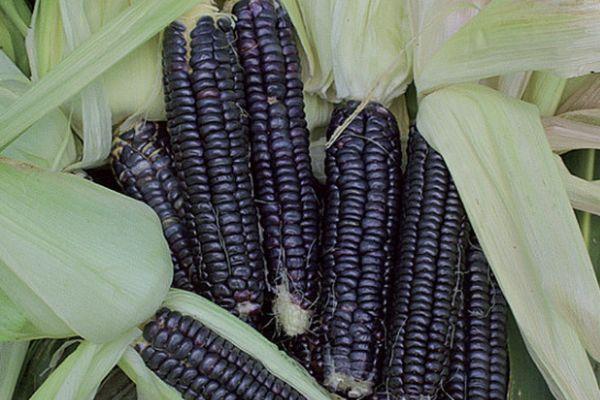
Black corn is known to have been discovered in Peru 7,000 years ago. The world continues to discover the plant's beneficial properties, while the ancient Quechua, Mochica, and Inca Indian tribes knew of its benefits since ancient times, and have used and continue to use it in their medicine.
Benefits of Black Corn
Scientists have proven that this type of corn contains many minerals and microelements, such as iron, copper, nickel, magnesium, calcium, and phosphorus. It also contains a lot of potassium and a number of vitamins: vitamin E, B1, B2, PP, K, and ascorbic acid.
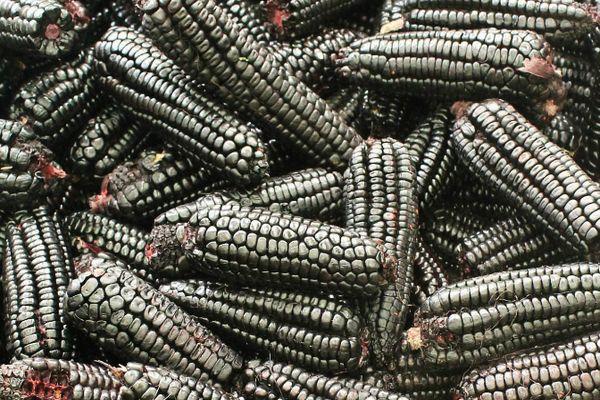
Black corn (also known as maize) is rich in protein. It contains amino acids such as lysine, a deficiency of which leads to irritability and fatigue, and tryptophan, a key nutrient used in the treatment of depression. Therefore, this corn can help combat insomnia.
Of course, this corn, like its lighter varieties, contains a lot of fiber, which has a beneficial effect on the intestines. Few people know that it has a diuretic effect, thereby removing excess water from the body.
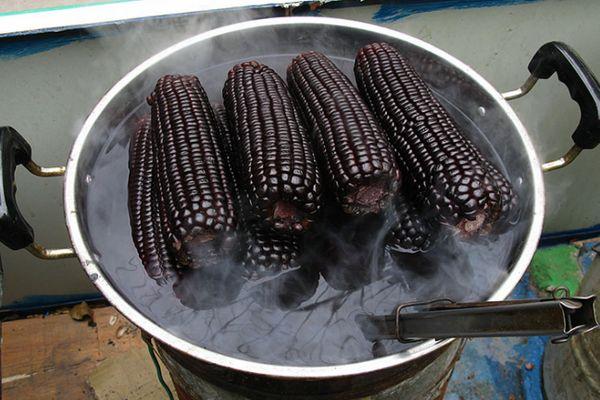
Corn is also known to have anti-aging benefits, as it contains many antioxidants, which help slow down the aging process and improve metabolism. Scientists claim that black corn can help fight cancer.
For example, in Peru, drugs based on corn grains infected with a special type of fungus, its aerial roots and stigmas, are used to combat cancer.
In the second month after germination, bright purple aerial roots form on the stems, which also possess medicinal properties. Even in ancient times, Native Americans used remedies based on these roots to combat various tumors, varicose veins, thrombophlebitis, eczema, lipomatosis, and psoriasis.

Dosage forms
Chicha Morada
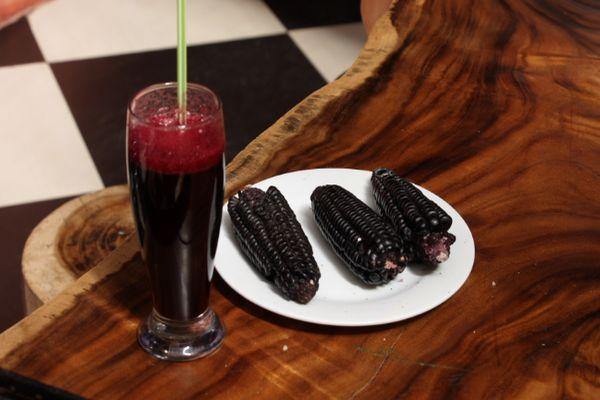
The Inca tribes have long known about the benefits of this plant and made a drink called "chicha morada" from it. It's low in calories yet energizing.
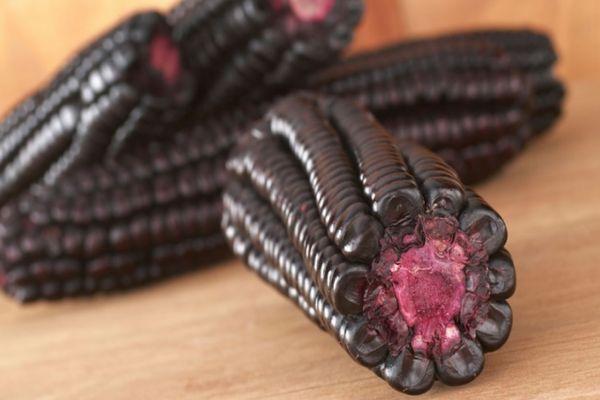
Without burdening the stomach, but rather, freeing the body of toxins, this drink energizes it. To this day, "Chicha Morada" remains a favorite national drink among the indigenous peoples of Peru. This is why locals rarely suffer from obesity or metabolic disorders. Besides its energizing properties, it also suppresses hunger, normalizes sleep, and detoxifies the body.
You can make this drink yourself.
Ingredients:
- 1 kg black corn;
- 600 g pineapple;
- 150 g apples;
- 60 g lemon;
- cloves, cinnamon and sugar to taste.
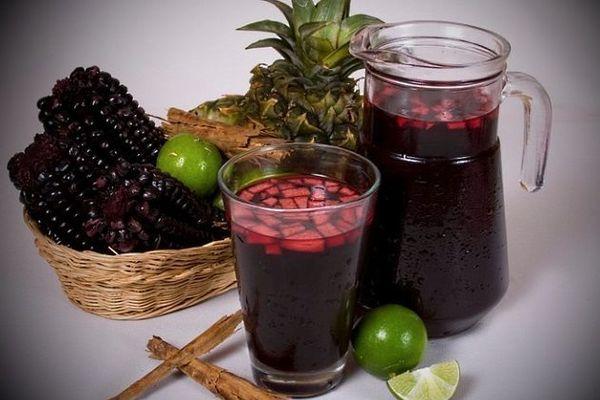
Preparation
First, wash all the fruit and corn thoroughly. Cut the apples into large pieces, and remove the pineapple skin (this will be used for the drink). Then, place the apples, corn, pineapple skin, cloves, and cinnamon in a saucepan, add 4 liters of cold water, and bring to a boil. Then reduce the heat and simmer the drink until corn kernels poppingThen cool the infusion, strain it, and squeeze in lemon juice. Add sugar to taste. A wonderful energy drink is ready!
Chicha Morada isn't just used as a drink: it's also used in baths for dermatitis, though lemon and sugar are omitted. It's also beneficial for diabetes, gastrointestinal cancer prevention, and lowering cholesterol.
Tinctures from the plant
Tincture of aerial roots
Ingredients:
- 100 g of black corn aerial roots;
- 100 ml of vodka.
Method of preparation
The roots are crushed, placed in a bottle, and filled with vodka. The bottle is corked and left in a dark place for 10 days.
This tincture is used for tumors (4 drops once every 3 days, can be diluted with whey). It is also used for psoriasis, eczema, and ulcers—in these cases, the tincture is applied to the affected areas of skin.
Corn silk tincture
Ingredients:
- 100 g corn silk;
- a glass of boiling water.
Preparation
Pour a glass of boiling water over the stigmas. Cool, strain, and take 3 tablespoons every 3-4 hours.
This infusion acts as a mild sedative. With prolonged use, it also dissolves stones in the ureters and kidneys. It also helps with tuberculosis, cerebral atherosclerosis, hypertension, hemorrhoids, various types of arthritis, and polio.
In addition to the above-mentioned dosage forms, you can make an ointment from fresh seeds by grinding them and mixing them with petroleum jelly. Store the ointment in the refrigerator. Apply to the skin for dermatoses, leaving it on for 3 hours. Then remove any residue with a dry cloth.
Growing conditions and care
Knowing the enormous benefits of black corn seeds, many people want to grow them in their gardens. However, this isn't always possible, as not every part of Russia has the climate and temperature conditions for its successful growth. Despite all the difficulties, many farmers have succeeded in growing this miracle in their gardens.
Before sowing, the seeds are soaked in a solution of wood ash (2 tablespoons of ash per 1 liter of water) for 5 days, covered with cheesecloth. Weeds are removed from the bed, the soil is loosened, and it is watered with a solution of potassium permanganate and water. Corn grows well in areas previously occupied by tomatoes, cabbage, legumes, and root vegetables. The soil itself should be light and moderately moist.
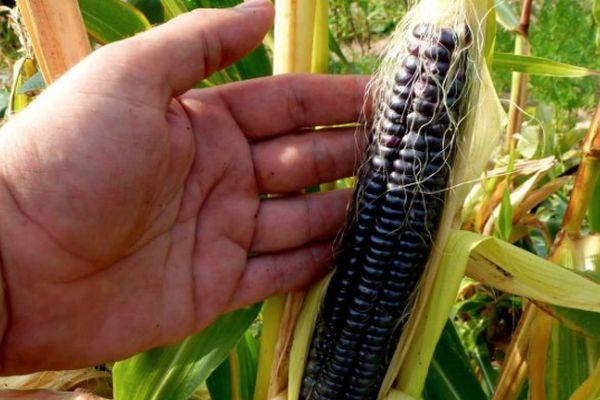
Next, they are planted in the garden bed. Corn is typically sown in late April, into sun-warmed soil, to a depth of 8 cm. The most favorable temperature for its growth is +20…+24°С. Corn does not tolerate frost, so in places where summer comes gradually, with night frosts, it will be difficult to grow it.
Maize is wind-pollinated, so it can pick up pollen from other varieties and lose its unique properties. If you want to preserve a pure corn variety, it should be planted separately from other varieties.
As the corn grows, it needs to be loosened and weeded. Initially, it can be pollinated with a brush, transferring pollen from male to female flowers. Corn matures 85-120 days after seedling emergence. These timings depend on the growing conditions. Fertilize with superphosphate and fertilizers containing molybdenum and zinc, which increase the plant's drought resistance.
Take a look Also
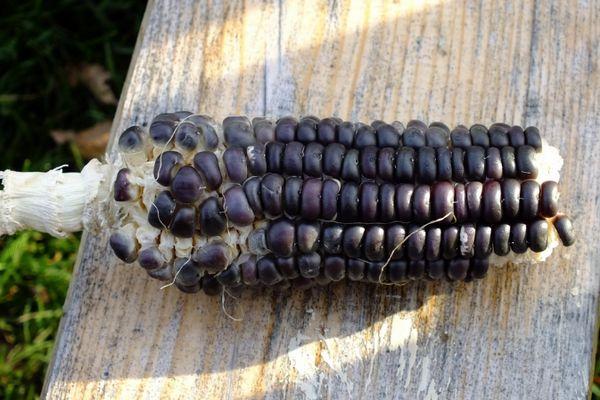
Plant characteristics
Any food product can have a range of properties. Benefits and harms can vary for different organisms. The key is to be mindful of the plant's properties and know when they can negatively impact the body, and when they can have a positive effect.
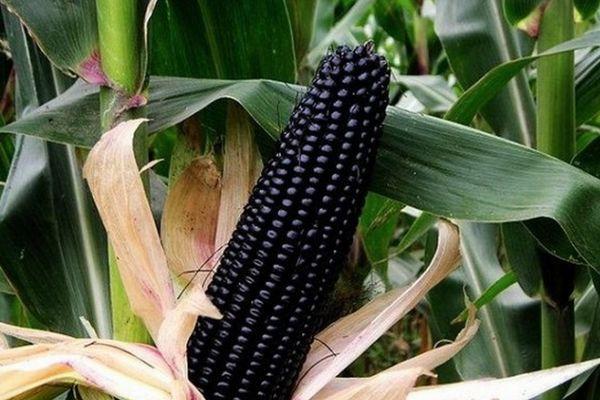
This variety is not recommended:
- people with thrombophlebitis and increased thrombus formation;
- with gastric ulcer;
- Excessive consumption of black corn may cause headaches, indigestion, and gas.
This product has far fewer side effects than beneficial ones, and if you know your limits, you will only benefit from consuming this unusual variety.
Related posts:
 Technology for growing corn in open ground and greenhouses, planting and care
 Corn sowing rules and regulations, how to plant and prepare seeds
 Description and characteristics of the most productive varieties and hybrids of corn
 Technological map for growing corn for silage, seeding rates and yield per 1 ha
 Rules for harvesting corn from fields for different purposes: for grain, for popcorn and for silage
 Why do you need to fertilize corn? Irrigation and watering after applying fertilizer.
 Corn diseases and pests, effective control measures and prevention
 The benefits and harms of corn for human health
An excellent plant bioactivator allows you to get an even larger harvest of the same black corn BioGrow, it's really a nice thing to use, I like it and it's very convenient in itself.