
- Why is it curling?
- Aphid
- Leafhopper
- fly
- If you don't fight
- Use of insecticides for treatment
- Aktara
- Zeta
- Intavir
- Actellic
- Rules and methods of processing
- Folk remedies
- Spraying with infusions of yarrow, garlic, celandine, horse sorrel
- A solution of laundry soap
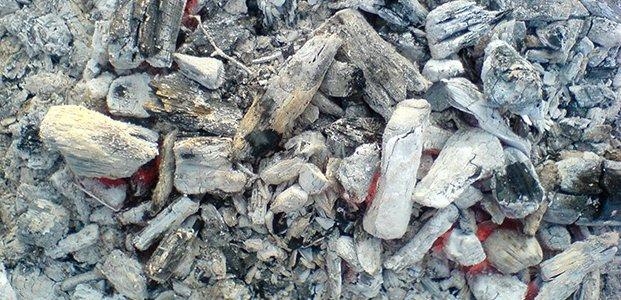
- Dusting with wood ash or tobacco dust
- A solution of boric acid, iodine, soda, whey and potassium permanganate
- Prevention
Understanding why carrots are starting to curl isn't all that difficult. While the plant is growing, it won't require much effort from the gardener. However, if the carrot tops change, it's time to sound the alarm. The problem could be diseases and pests, or even poor care. But it's not all that clear-cut—some carrot varieties naturally have this type of tops.
Why is it curling?
Carrot tops are naturally distinguished by the following characteristics:
- The leaves are green, smooth, without inclusions or signs of yellowing.
- If you wish, you can examine the tops; you don’t need to straighten them out with your hands.
When the leaves of a plant curl, the following problems arise:
- carrots grow more slowly or stop growing altogether;
- the plant does not receive enough nutrients, due to which the taste of its fruits changes, they become “woody”.
The problem is largely that the roots stop growing and their flavor characteristics change, and this happens for several reasons.
Even if a gardener follows all the recommendations for watering and caring for the plant, they are not immune to such problems. So, let's discuss why carrots curl:
- The problem may lie in a failure to follow the watering regime and basic root vegetable care guidelines. This leads to a weakened immune system and an increased risk of developing various diseases.
- But most often, such problems are caused by the presence of pests in the plot. Moreover, various pests can affect the quality and quantity of the harvest.
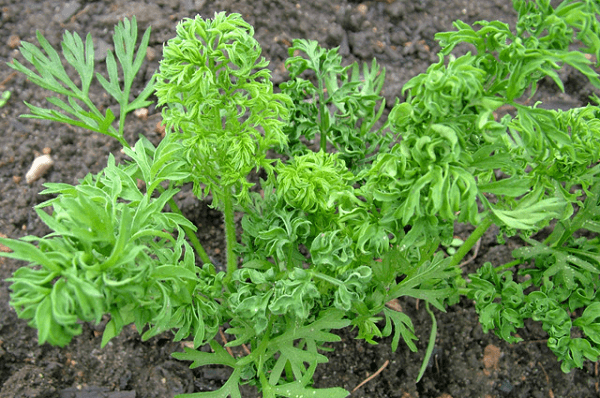
Aphid
Insects "attack" root vegetables in colonies, sucking out the juices, which alters the carrots' flavor. If aphids are present, the harvest will be meager. Moreover, the roots themselves will be dry, small, and tasteless.
The pests fly from one bush to another, carried by ants. Aphid attacks most often occur during dry weather. The insects are small, but they are easy to spot and differentiate.
Take a look Also

Leafhopper
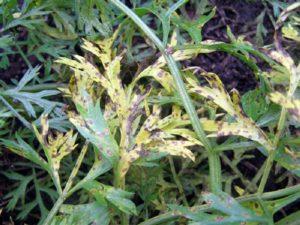
Another pest that can cause leaf curling is the psyllid, which is small in size, making it difficult to spot.
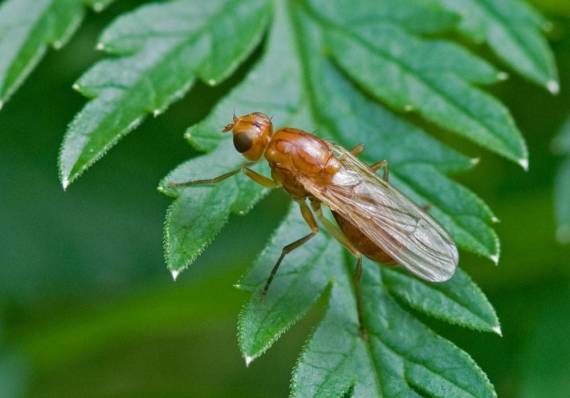
Signs that accompany insect “attacks”:
- carrot tops are curling;
- but still retains its green color.
The psyllid feeds on needles during the winter, then moves on to seedlings in the spring, successfully devouring them. The pests also suck the sap from the roots. This negatively impacts crop yields.
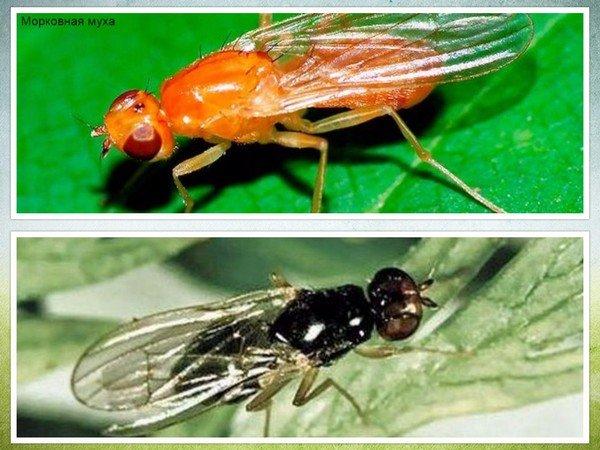
fly
Appearing in early summer, the insect lays eggs on carrot leaves. When the larvae hatch, they devour the carrot, destroying the plant. The fly lays a second clutch a little later, around mid-July. If the gardener doesn't notice the pests, they won't be able to harvest a good crop.
If you don't fight
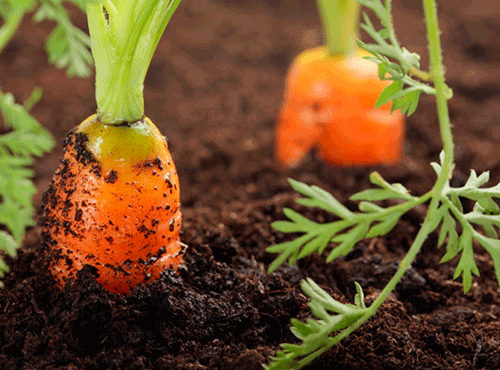
If the gardener does not take timely measures, this may lead to the following consequences:
- The root crops will be small.
- The juiciness and taste of the vegetable will be absent.
- The crop yield indicator will change for the worse.
Such a harvest can, of course, be collected, but storing it and using it for making preserves or in the preparation of any dishes makes no sense.
But if insects are eliminated promptly as soon as they appear on the plot, there will be no serious problems with the quality or quantity of the harvest. The fruit will be harvested successfully, and its taste will not disappoint the gardener.
Use of insecticides for treatment
If you notice insects in your garden, take action as soon as possible. Otherwise, consequences are inevitable. Most of the harvest will be unusable and will have to be destroyed or burned. This will eliminate any nests of pests that may remain in the tops or on the surface of the root vegetables.
Please note: Treatment can be done in several ways, including using chemicals or opting for folk remedies.
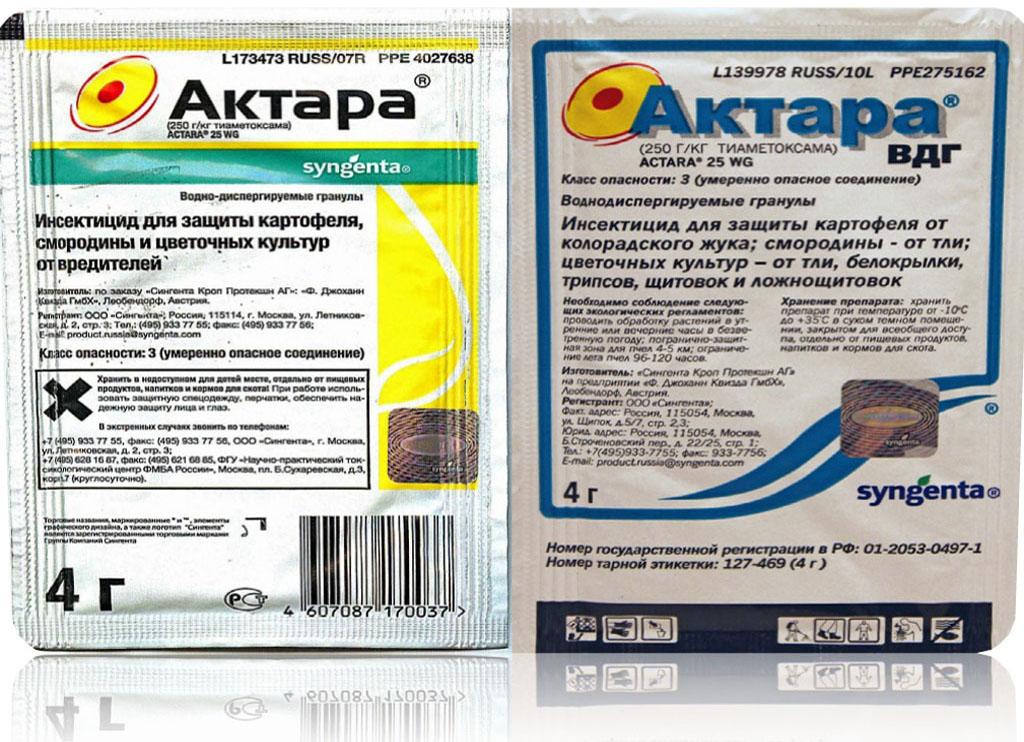
Aktara
You can treat carrots with a solution. To prepare it, mix 5 grams of the solution with 10 liters of water. Spray once; aphids die immediately, but the midges may survive. If the leaves begin to curl again after all treatments, repeat the treatment.
Zeta
This preparation is sprayed on healthy and diseased seedlings. The tablet is dissolved in a bucket of distilled water. The procedure is carried out using a spray bottle.
Intavir
It is highly toxic, so it is used at least 20 days before harvest. Intavir is dissolved in water (one tablet per 10 liters). Spraying should begin in calm weather and be done throughout the entire planting area, meaning all carrots are treated.
Actellic
An economical but non-toxic solution, it is recommended to use it one month before the planned harvest of root crops. Two milliliters of the solution are diluted in two liters of water. One liter of solution is sufficient for a 10-meter planting area.
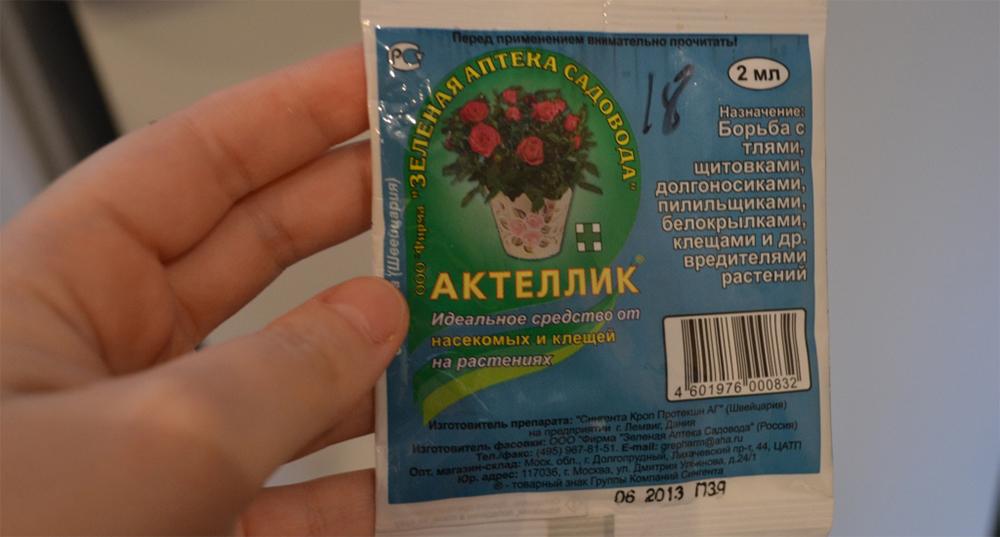
Note: This chemical is unique in that it helps rid carrots of any pests.
Rules and methods of processing
There are several tricks that will help increase the effectiveness of the procedures:
- Chemical treatments are only effective during the initial stages of plant growth, before root formation. If the carrots have already formed, it's best to opt for folk remedies.
- Late treatment with solutions is fraught with poisoning; if you spray the root crop too late, the harmful substances will not have time to “leave” it.
- When using various chemicals, remember that some insects are resistant to such treatments. They may leave the area in a hurry, but they don't die, and they return after a short time.

Folk remedies
You can use whatever's at hand. Gardeners have successfully adapted to controlling pests in their plots using folk remedies.
Spraying with infusions of yarrow, garlic, celandine, horse sorrel
Mix all ingredients in equal proportions. Chop the garlic and steep all the ingredients in boiling water. Let it steep for at least three hours, longer if possible. Then strain and use for treatment (watering, spraying).
A solution of laundry soap
Cut the soap bar thinly to form shavings. Place 300 grams of shavings in cold water (10 liters). Let the solution sit for at least 12 hours and use it for spraying.
Dusting with wood ash or tobacco dust
Wood ash and tobacco dust are mixed in equal proportions and sprinkled on the plant's leaves. When treating vegetables, it is recommended to sprinkle not only the tops but also the soil around the root. This treatment will not cause any serious harm.
A solution of boric acid, iodine, soda, whey and potassium permanganate
Preparing this solution doesn't take much time. To obtain a solution suitable for treating vegetables, follow these recommendations:
- To create the solution we use distilled water.
- One teaspoon of boric acid.
- 50-60 grams of baking soda.
- One teaspoon of iodine.
- Dissolve all ingredients in water, let the product sit for a while, and then use it as directed.

If the ingredients haven't completely dissolved in the water, try stirring everything thoroughly again. If that doesn't help, strain.

Potassium permanganate and whey can also be used for treatment. Potassium permanganate is also used at the initial stage, as a seed dressing, which significantly reduces the risk of seedlings developing various diseases.
Prevention
By fertilizing carrots with potassium- and magnesium-containing fertilizers, you can prevent the problem of carrot top curling. For preventative measures, it's also recommended to:
- monitor the condition of the vegetable, record changes;
- follow the basic rules for caring for the crop: water, feed;
- don't forget to use organic fertilizers;
- Harvest your crops on time.
In addition to crops that are attractive to pests, there are also those in the garden that repel them—such as beds of onions and garlic. Planting carrots near onions or garlic will reduce the likelihood of insects attacking them.
When carrot tops start curling, don't waste time. This could lead to a complete loss of the crop. Treatment with chemicals or folk remedies can help solve the problem. But it's best to follow preventative measures and proper care, as this will significantly minimize the risks.
Related posts:
 Carrot care guidelines for outdoor cultivation to ensure a good harvest
 Is it possible to plant carrots in July or at the end of June? What are the best days and care instructions?
 50 Best Carrot Varieties with Descriptions and Characteristics
 How to control carrot flies with medications and folk remedies
 Why didn't the carrots sprout and what should I do? How to plant them so they sprout quickly?
 TOP 50 recipes for favorite and unusual salads for the New Year of the Pig 2019
 What is the best way to feed carrots? Fertilizers and preparations, using folk remedies.
 25 Best Early-Maturing Carrot Varieties with Descriptions and Characteristics