
The Bratets Ivanushka f1 cucumber, described below, belongs to the group of early- to mid-season hybrids. These cucumbers are used fresh and as the first addition to summer salads. Due to their compact size, Bratets Ivanushka is used for whole-fruit preserving (pickles, pickles).
Technical data of the crop
The description and characteristics of the Bratets Ivanushka cucumber variety are as follows:
- cucumbers ripen 40-45 days after emergence;
- the hybrid belongs to a group of plants pollinated by bees;
- The height of a cucumber bush ranges from 0.7 to 1.5 m; it has an average number of branches;
- The variety described has female flowers; medium-sized green leaves grow on the stems;
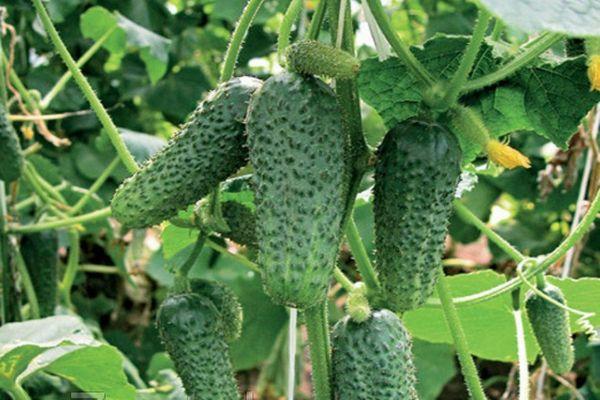
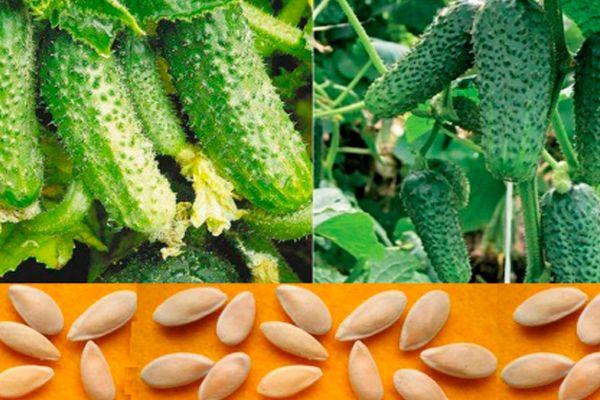
- The length of cucumbers ranges from 80 to 90 mm; the surface of the fruit is covered with small tubercles and black fluff; weight - from 80 to 96 g.
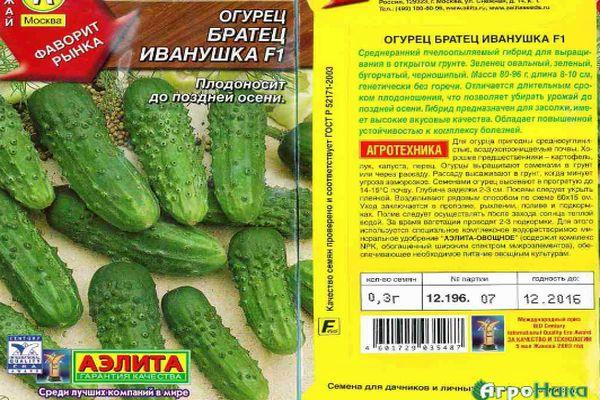
Reviews from farmers growing these cucumbers indicate that the hybrid yields 8-10 kg of fruit per square meter of garden bed. Gardeners note that the plant is immune to diseases such as cladosporiosis, powdery mildew, and downy mildew. The harvest from this hybrid can be transported over any distance.
The plant is grown in open ground in southern Russia. In the central part of the country, plastic greenhouses and tunnels are used for this purpose. In the vast expanses of Siberia and other northern regions, Brother Ivanushka is cultivated in full-scale greenhouse complexes equipped with heating systems.
How to grow seedlings yourself
After purchasing seeds, it is recommended to disinfect them in hydrogen peroxide or a weak solution of potassium permanganate. Then, soak the seedlings in a growth stimulator for two hours. After this, plant the seeds in boxes with light soil fertilized with peat or manure. Planting of the seed stock begins after April 15th. Plant the seeds to a depth of 15-20 mm. Water the planted seeds with warm water.
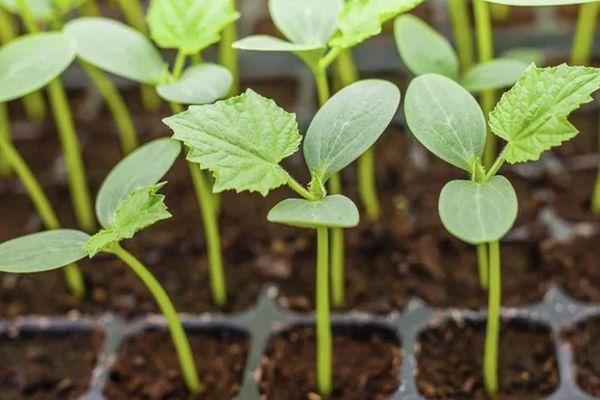
The first shoots appear in 7-8 days. The sprouts are fed with complex mineral mixtures and watered once every 4-6 days. When the seedlings are 20-25 days old, they are transplanted into open beds or plastic greenhouses. This process most often occurs in the last ten days of May or early June. Each seedling should develop 3 to 4 leaves during this period.
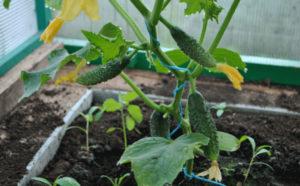
The beds are loosened, holes are made in the ground, and mineral fertilizers, wood ash and peat are added to them.
Plants are planted in a 0.7 x 0.35 m format. To prevent bushes from shading each other, it is recommended to plant 3 to 4 plants per 1 m² of bed. After planting, the seedlings are watered generously with warm water. If there is a risk of sudden cold snaps at night, it is recommended to cover the bushes with plastic film.
How to care for a growing hybrid
Plants should be regularly watered with plenty of warm, sun-settled water. Avoid getting the leaves wet, as this can burn the cucumber seedlings. Puddles under the stems are also dangerous, as they can cause root rot. Watering is done in the evening, after sunset.
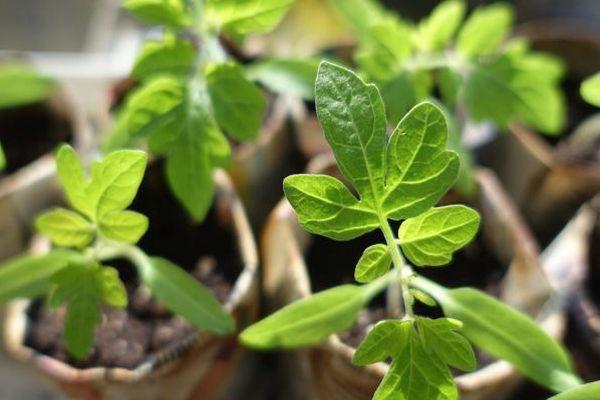
Loosen the soil in the beds 1-2 times a week. Instead, some experts recommend mulching the soil in the beds. All these measures are aimed at improving the aeration of the hybrid's root system. Aeration accelerates the growth of the bushes and kills some pests that nest on the plant roots.
Weeding is done once every 15 days. Weeds must be destroyed, as they carry certain fungal and viral infections that can spread to cultivated vegetables. Along with the weeds, some garden pests that live on weeds also die.
Fertilize the hybrid bushes with water-soluble mineral fertilizers or organic mixtures once every 9-10 days. It's best to use nitrogen fertilizers at the beginning of the fertilizing process, and then apply potassium and phosphorus mixtures after flowering.
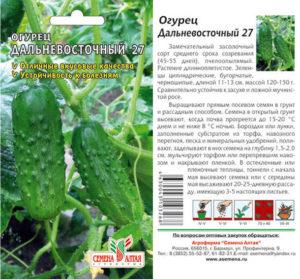
To protect the hybrid from diseases to which it has no immunity, it is recommended to treat the bushes three times with medicinal products before fruiting begins. You can protect the hybrid with folk remedies such as spraying the leaves with copper sulfate or a soap solution.
If various pests (mites, aphids, flying insects) appear in your garden, and their larvae can destroy your crops, it's recommended to treat the bushes with chemicals. However, toxic substances aren't always effective, as many insects are immune to them. Therefore, it's recommended to use traditional pest control methods, such as treating your plants with garlic infusion.
Related posts:
 Description of the Krasotka grape variety, planting and care technology
 Description of the Julian grape variety, planting and care instructions
 Methods for planting and propagating cherries at home
 The best grape varieties for growing in the Urals, planting and care rules in summer
 Description and rules for growing Solaris grapes
 Growing and caring for hazelnuts in open ground, rules for planting hazelnuts
 The best methods for growing grapes from seeds at home
 35 Best Powdery Mildew-Resistant Cucumber Varieties with Descriptions