
- History of the culture's development
- Advantages and disadvantages of Phoenix cucumbers
- How does it differ from the Phoenix 604 and Phoenix Plus varieties?
- External description and characteristics of the species
- Bush and leaves
- Flowering and fruits
- Ripening time and yield
- Resistance to temperature fluctuations and drought
- Resistance to diseases and pests
- Landing features
- Selecting a location and preparing the soil for planting
- Timing and technology of sowing and planting seedlings
- Caring for a plant in open ground
- Watering frequency
- Feeding cucumbers correctly
- Forming a whip
- Weeding and loosening the soil
- Insect and disease control
- Harvesting
- Tips for Beginner Gardeners
- Reviews of the variety
Phoenix cucumbers can be planted in your garden without worrying about a lack of a substantial harvest in the fall. This variety is known for its prolific production, and the uniformly sized fruits are ideal for pickling. Phoenix cucumbers are eaten fresh and used in various salads, thanks to their excellent flavor. Furthermore, the plant is considered easy to care for, which is also considered an advantage by gardeners.
History of the culture's development
It all began back in 1985, when an epidemic of downy mildew, a widespread disease, raged across the planet. It took five years for Soviet breeders to achieve the impossible—develop a variety resistant to this and many other diseases.
Although Phoenix appeared in 1990, it still maintains a leading position, for two reasons: its high yield and strong immunity. For a long time, gardeners didn't pay much attention to this variety, but over the years, Phoenix has earned deserved popularity.
Advantages and disadvantages of Phoenix cucumbers
If you've decided to grow cucumbers in your garden, consider their key characteristics. Phoenix is unique, but like any other cucumber variety, it has its advantages and disadvantages. First, let's talk about the plant's benefits:
- Let's start with the excellent taste of the fruit, which is what first attracts the attention of gardeners.
- The list of advantages should also include the appearance of cucumbers.
- Their versatility in creating blanks.
- Increased crop yield.
- Relatively good immunity, unpretentious in care.
- Comparative drought tolerance.
- Good transportability, during which the fruits do not lose their taste.
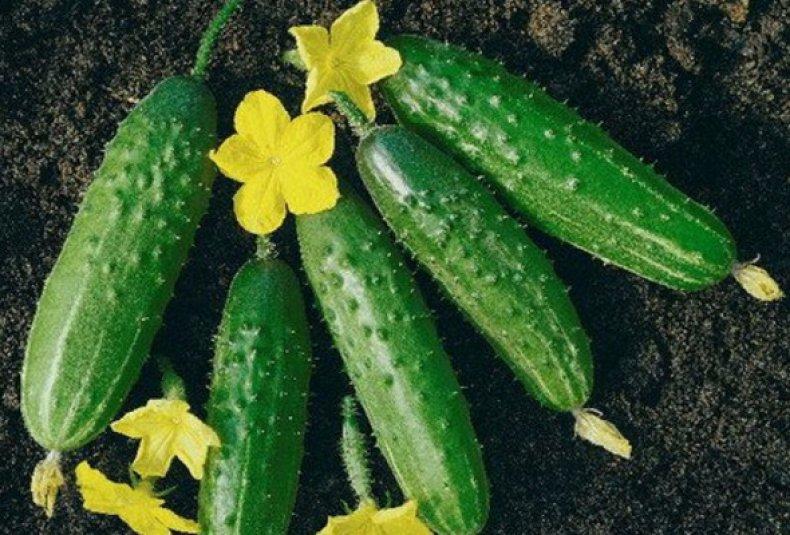 Cucumbers have a pleasant taste, without bitterness or foreign flavors, with a pronounced aroma.
But, despite the advantages described above, the variety has some disadvantages:
- intolerance to severe temperature changes and fluctuations;
- space requirements – cucumbers need a lot of space;
- limited growing possibilities – the seed is planted only in open ground.
The plant is pollinated by insects, meaning that planting it in a greenhouse will not yield a harvest. For this reason, cucumbers are planted in the ground late—when the weather outside is favorable—to prevent the seedlings from freezing.

How does it differ from the Phoenix 604 and Phoenix Plus varieties?
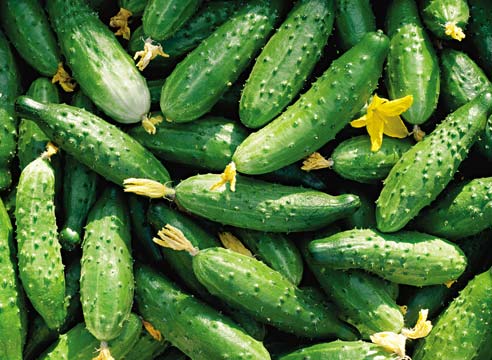
The “plus” variety produces small fruits that can be pickled whole in jars, like gherkins.
Although the fruit size of this crop is larger, cucumbers have similar characteristics. This plant begins to bear fruit in 45-55 days.
Phoenix 604 can be identified by its fruit size, which is considered average. It's rare to grow a cucumber this large in a garden. This only happens if it's not harvested in time. This variety is considered late-ripening, with fruit appearing in 60-65 days. Some gardeners are put off by the variety's large fruit size, which is why they prefer Phoenix Plus cucumbers.
External description and characteristics of the species
Cucumbers have unique characteristics: they grow quickly and begin to bear fruit two months after planting. This process continues throughout the fall, long after other gardeners have long since finished harvesting their cucumbers.
Bush and leaves
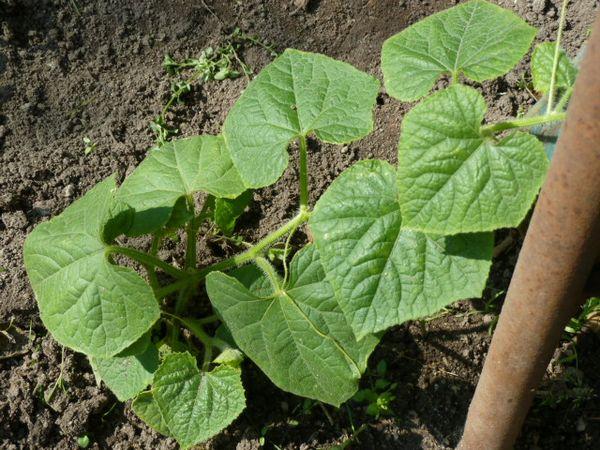
The plant is impressively large, reaching up to 3 meters in length, and continues to grow throughout its life. Its leaves are spreading, dark green, creating a crown.
Growing the crop without support is not recommended, but adding supports too early is also not recommended, as this can cause harm, damage the stem, and cause it to dry out.
Flowering and fruits
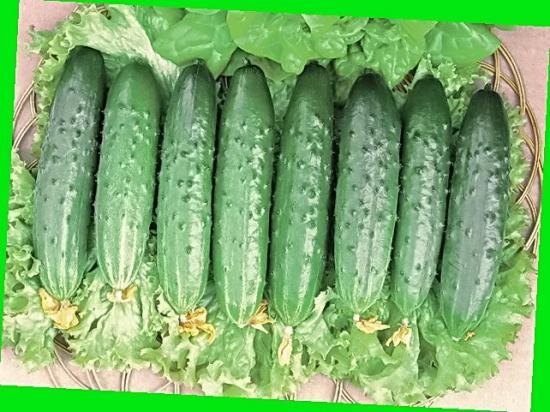
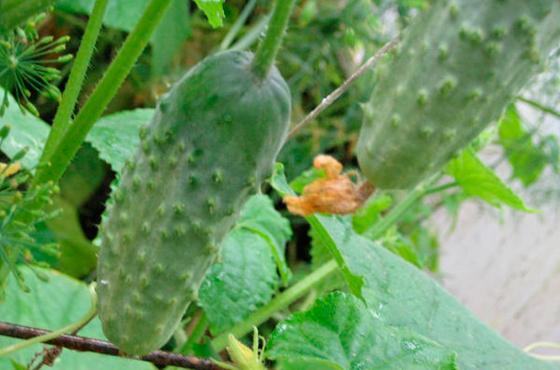
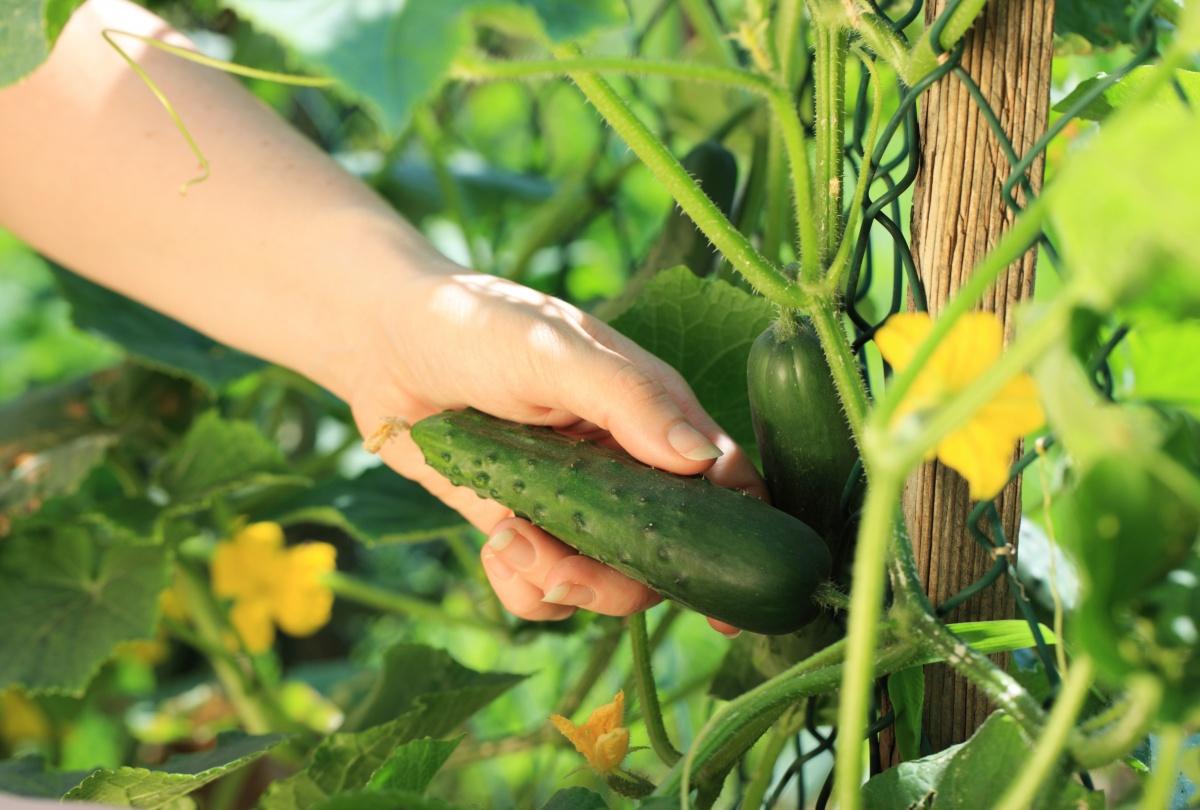
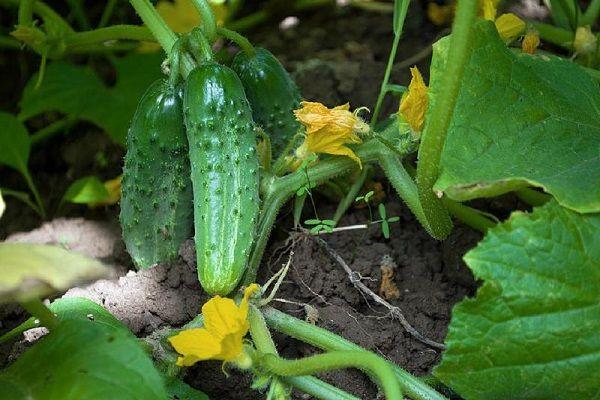
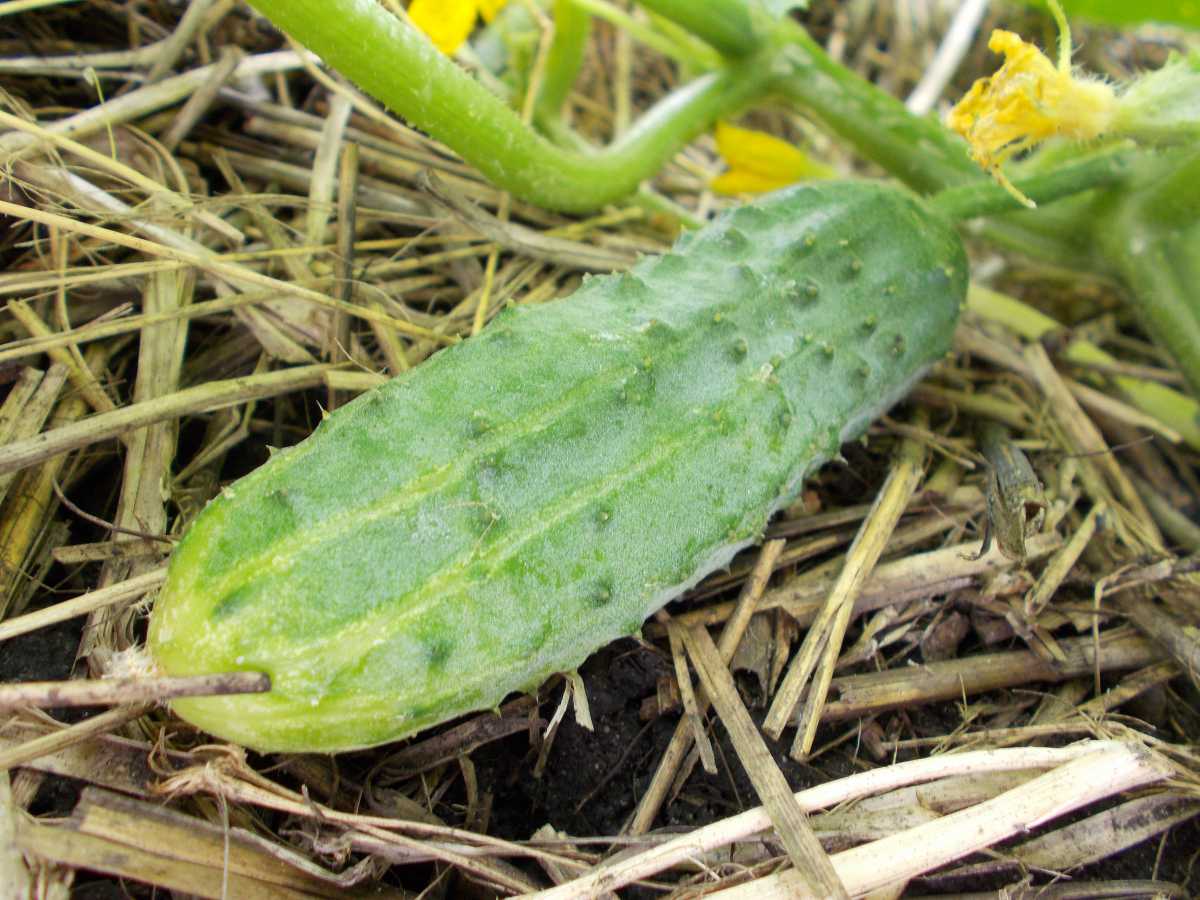
The average cucumber size is 15 centimeters, and its weight does not exceed 150 grams. Description and distinguishing features of the fruit:
- have a regular cylindrical shape;
- have a rich green hue with lighter stripes;
- the pimpliness is weakly expressed.
25-30 days after planting cucumbers in the ground, ovaries form on them; the growing season depends on the climatic conditions of the region.
Ripening time and yield
Yields vary depending on care, but on average, 6-8 kilograms of cucumbers can be harvested per square meter. The fruits ripen late; if the plants are planted in mid-June, harvesting begins in early fall.
Resistance to temperature fluctuations and drought
This variety doesn't tolerate temperature fluctuations well and isn't affected by drought, provided it doesn't last long. It's not particularly frost-resistant, so it's best not to plant it too early, as this will result in seedling death and crop failure.
Resistance to diseases and pests
The variety is distinguished by good immunity, and its remarkable resistance to diseases and pests also attracts gardeners.

Problems may arise if the stem or leaves of the plant have been damaged; to prevent the bush from dying, treat it.
Landing features
The crop is planted in the ground; it is not suitable for greenhouses. However, soil preparation will be necessary, which will significantly increase yields. This work is recommended in the fall. Similar treatments in the spring will yield poorer results.
Selecting a location and preparing the soil for planting
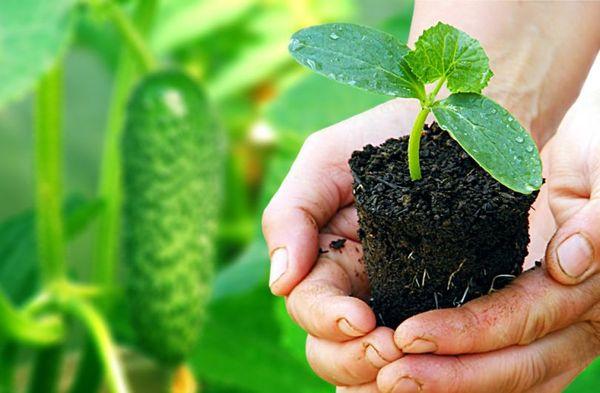
Planting takes place in mid-June, when temperatures reach 13-15 degrees Celsius. Any location can be chosen, but preferably one that doesn't expose the leaves to bright sunlight.
It is recommended to pay special attention to soil preparation, for this purpose it is worth:
- Dig up the soil, removing weed roots.
- Then add humus or manure.
- Dig up the soil again before planting the seedlings.
Periodic soil loosening is recommended, as it requires oxygen. It's best to do this in the spring, before planting cucumbers, but don't forget to do it later, after planting.
Advice: it is advisable to loosen the soil in winter and cover it with leaves and stems of mown grass.
Timing and technology of sowing and planting seedlings
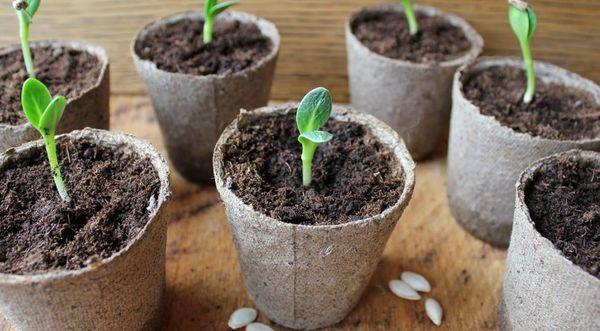
The seeds are germinated and planted in individual cups or a common container. This process is recommended in mid-April, or better yet, at the end of the month. This is quite late, but seedlings are also planted in the ground in early summer.
Caring for a plant in open ground
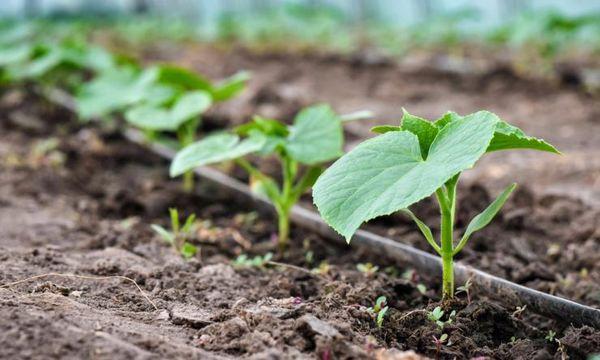
Phoenix doesn't require any special care; it's easy to maintain and won't require extensive gardening. Fertilizer and soil loosening will be necessary periodically.
Watering frequency
Vegetables will need to be watered frequently, but not excessively, avoiding excessive humidity. Watering should be done every 2-3 days, watering generously. It's difficult to say how much water is needed, so stick to the guidelines.
Feeding cucumbers correctly
Fertilize with mineral or organic fertilizers. Manure can be used, but there's a serious risk of burning the cucumber roots. Fertilize several times per season, preferably before flowering and after the end of the growing season.
Forming a whip
The bush grows tall and requires support. A trellis can be used, but it's best not to pinch the stems too early, as this can damage them. The vines should be trained along a wire or frame. Gardeners recommend pinching out side shoots and removing side shoots to optimize growth.
Weeding and loosening the soil
Phoenix is sensitive to weeds, so timely weeding is recommended, otherwise yields will decline. Loosen the soil frequently after watering to oxygenate it—this will improve growth and development.
Take a look Also
Insect and disease control
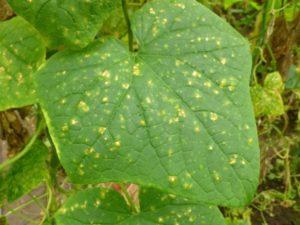
There is no need to carry out treatment if cucumbers are cared for in accordance with all rules and recommendations.
Harvesting
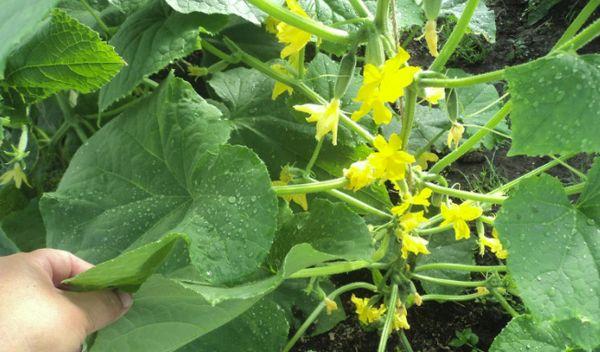
It is recommended to do this regularly, daily or every other day. Cucumbers should be harvested carefully to avoid damaging the already formed ovaries. Damaging the vine or stem will result in the death of the plant.
Tips for Beginner Gardeners
There are recommendations for improving yields that are well known to experienced gardeners, but little known to beginners. What are they, or a few simple tips for gardeners?
- It is worth watering the plants regularly, but avoiding stagnant moisture, as this will lead to rotting of the root system;
- It is advisable to water the bushes with warm water to avoid overcooling the root system;
- During the growing season, fertilizing can be carried out; it is recommended to use mineral or organic fertilizers for this purpose;
- To boost the already good immunity of cucumbers, it is recommended to treat the seeds with a weak solution of potassium permanganate - to "pickle" them;
- It is worth planting flowers next to cucumbers; this will attract bees that pollinate plants.
Reviews of the variety
It's hard to call summer residents' opinions negative; let's examine some gardener reviews that characterize the Phoenix cucumber variety:
- Alevtina Tarasova: "I have extensive experience growing this crop; I've chosen it several times and have always been pleased with the yield. The fruit is high quality, with a pleasant flavor, without bitterness or acidity."
- Vasily Barsukov: "I was attracted by the minimal maintenance required for this plant. It required minimal effort, as I only visit the garden two or three times a week. I chose Phoenix on the advice of my mother-in-law, for which I'm very grateful."
- Valeria Nazarova: "I had problems pollinating my cucumbers. I didn't know they were pollinated by bees, so I planted them in greenhouses. As a result, I only got a small harvest, and that was because I allowed insects access."
Cucumbers are demanding vegetables that require careful care. Even with proper care, harvesting a large crop isn't always possible. Phoenix's unique characteristics will help solve this problem.
Related posts:
 Description of unusual methods for planting and growing cucumbers
 Description of the best varieties of Chinese cucumbers, planting, growing and care
 TOP 30 best determinate cucumber varieties with descriptions
 Description of the best varieties of bee-pollinated cucumbers, rules for their formation and care
 How to care for cucumbers in open ground from planting to harvesting
 How to plant cucumbers in open ground under film: timing and cultivation technology
 How to properly plant cucumbers in open ground with seeds, and at what depth
 Why cucumber leaves are drying out and what to do, how to treat them in a greenhouse and in the ground