
- Why do cucumbers taste bitter in open ground?
- Causes of cucumber bitterness in greenhouses and hotbeds
- Factors that provoke the formation of bitterness
- Temperature changes
- Incorrect watering
- Mistakes when applying fertilizer
- Too dense plantings
- The influence of bright sun and heat
- What can you do with vegetables that taste bitter?
- Is it possible to remove or reduce the bitterness in cucumbers?
- Ways to solve the problem
- Choosing a landing site
- Selecting soil composition
- We organize regular and proper watering
- Climate
- Mineral nutrition
- Choosing the Right Varieties: A List of the Best Sweet Hybrids
- How to Prevent Bitterness in Cucumbers: Recommendations and Advice from Gardeners
Many gardeners believe that proper care will improve the quality of their produce. After fruiting has finished, cucumbers often turn out less tasty. This raises the question of why cucumbers become bitter. There could be a number of reasons.
Why do cucumbers taste bitter in open ground?
The vegetable's bitterness is due to the production of cucurbitacin. The plant needs it to protect itself from pests and diseases. This substance is most often found in vegetables growing in the wild. However, improper planting or care of cucumber plants can result in bitter fruits.
The main reasons for the occurrence of bitterness in cucumbers grown in open areas:
- Exposure to large amounts of direct sunlight.
- Irregular watering.
- Cold water is used for irrigation.
- The difference between day and night temperatures is large, and in open ground the plant feels this more strongly than in a greenhouse.
- The seeds were planted in low beds that receive less heat.
- The proximity of cucumber plantings to raspberries, strawberries, and blackberries, which consume all the nutrients from the soil.
Causes of cucumber bitterness in greenhouses and hotbeds
Cucumber varieties developed for growing under cover are considered quite demanding. Suitable conditions are essential for their proper development.
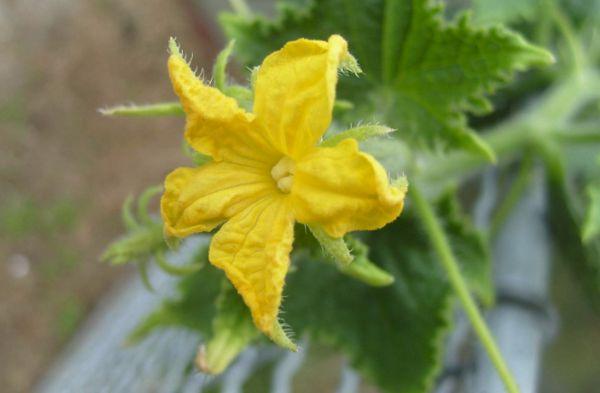
The formation of cucurbitacin in greenhouse plants can be caused by the following conditions:
- Cucumber vines are limited by the greenhouse space, as a result of which their free growth is disrupted, and the stems bend and break.
- The greenhouse is located in that part of the site where sunlight enters through the walls all day long.
- The greenhouse was ventilated with a large difference in temperature between inside and outside the shelter.
- The humidity level is lower than recommended.
- Temperature regulation violations during cultivation at various stages of growth. For example, during active growth, the optimal daytime temperature does not exceed 20°C, nighttime temperature does not exceed 18°C, and during fruiting, it does not fall below 28°C.
- The selected site has soil with low fertility and insufficient content of nitrogen-phosphorus components.
Factors that provoke the formation of bitterness
The most common causes of cucurbitacin formation are:
- low humidity when growing in a closed greenhouse;
- watering the bushes is done with cold water;
- the soil is deficient in nitrogen and potassium fertilizers;
- excess sun;
- dense plantings;
- over-watering of the soil due to improper irrigation scheme;
- the presence of diseases in cucumber seedlings;
- The seeds used for planting seedlings were obtained from the back of the vegetable.
Temperature changes
They are the main factor in the occurrence of bitterness. At low night temperatures, plants located in open areas experience stress from hypothermia. Greenhouse bushes suffer from cold drafts during ventilation.
Incorrect watering
Infrequent watering will lead to overwatering or drought. These factors are also detrimental because vegetables begin to protect themselves by producing cucurbitacin.
Mistakes when applying fertilizer
Cucumbers do not tolerate the addition of fresh organic matter. For normal growth, the plants should be fed with nitrogen and potassium complexes. It is important to alternate root and foliar feeding.
Too dense plantings
Plants planted close together begin to compete for sun, soil, and nutrients. To prevent this, it's important to follow a consistent planting pattern.
The influence of bright sun and heat
Cucumbers don't like bright sunlight; they prefer diffused light. To create this, the walls of greenhouses are treated with a soapy solution, and in open areas, cucumbers are planted next to trees or corn crops.
What can you do with vegetables that taste bitter?
Not everyone enjoys bitter cucumbers as much as sweet ones. Scientists have proven that the former are more beneficial. The substance cucurbitacin, which is produced in the cucumber, inhibits pathological changes in human tissue. It acts as a preventative measure against cancer. This substance also has a positive effect on the functioning of the heart and gastrointestinal tract.
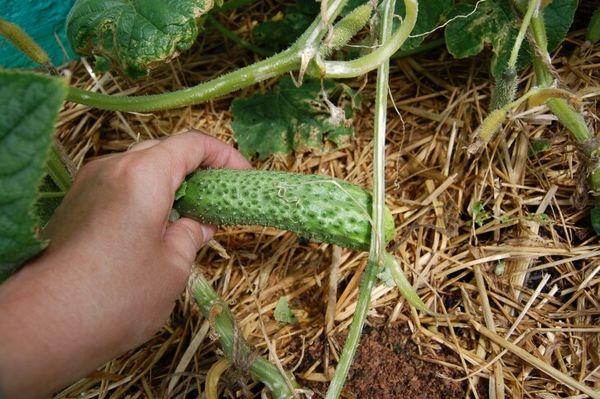
The peel of the bitter cucumber can be used as an antiseptic. To do this, the peelings are dried and ground into a powder. This remedy is effective for wounds, burns, and purulent lesions.
Is it possible to remove or reduce the bitterness in cucumbers?
If your cucumber does develop a bitter taste, don't throw it away. It's perfectly fine for use in homemade preserves. To eliminate the unpleasant taste, you can use the following recipes:
- use hot marinade;
- soak the vegetables in water for 24 hours, changing the liquid regularly, then salt;
- For hot brine, seasonings are used that can eliminate bitterness.

To use a bitter cucumber fresh, peel it and cut off most of the stem end. The bitterness accumulates in the last 2-3 cm of the cucumber. Peeled this way, the cucumber can be eaten or sliced into a salad.
Ways to solve the problem
If you detect early on that your crop is growing bitter, you can solve the problem with agricultural techniques. This requires analyzing the crop's growing conditions. Most often, the solution to this problem lies in the choice of planting location, climate change, and the addition of mineral nutrients.
Choosing a landing site
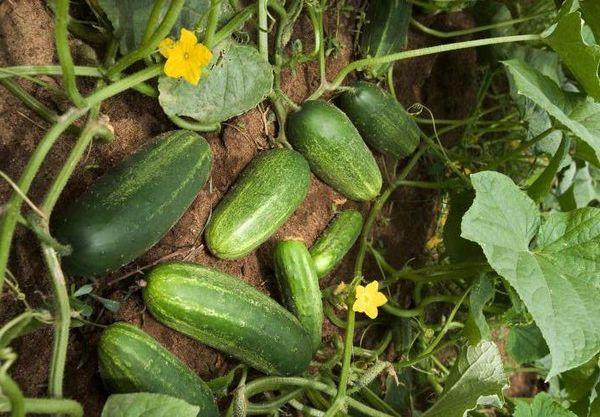
Finding the optimal planting location isn't difficult. It must meet certain criteria. The area where the vegetable will grow, whether in the open ground or a greenhouse, should have diffused sunlight. Direct sunlight will negatively impact the plants. To solve this problem, gardeners plant corn beds next to cucumber beds. Shade is created using tree branches or spunbond. In greenhouses, the walls are treated with a chalk solution.
Selecting soil composition
To avoid bitterness in cucumbers, choose fertile soil. Experienced gardeners recommend planting in loose soil with added peat and wood ash. Clay soil will negatively affect plant development.
We organize regular and proper watering
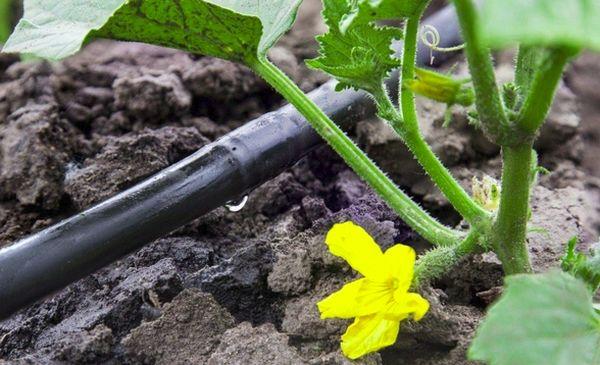
Proper watering will help prevent soil moisture overload or under-watering. Failure to do so will stress the plants, and cucurbitacin levels will increase, leading to the formation of bitterness. Watering should be done in the morning or evening, and use room-temperature water. Mulching and loosening the soil will help prevent the soil from drying out.
Climate
Creating suitable climatic conditions is also a mandatory agricultural practice. When growing cucumbers, avoid excessive heat or too-cool conditions. When outside temperatures are low, greenhouses are not opened for ventilation to prevent temperature differences.
For plants planted outdoors, provide additional shelter. White canopies for open areas and reflective films for greenhouses and hotbeds will help avoid the heat.
Mineral nutrition
Providing the plant with sufficient amounts of the necessary micronutrients will prevent bitterness. Adding fresh organic matter, such as manure, can stimulate cucurbitacin production. During periods of active growth, cucumbers require additional sources of nitrogen and phosphorus.
Choosing the Right Varieties: A List of the Best Sweet Hybrids
The market offers a wide selection of cucumber varieties. Most of them, even with improper cultivation practices, will not produce bitter vegetables. They do not accumulate cucurbitacin. The most popular hybrid varieties are Muravey, Egoza, Kurazh, and Khrustik.
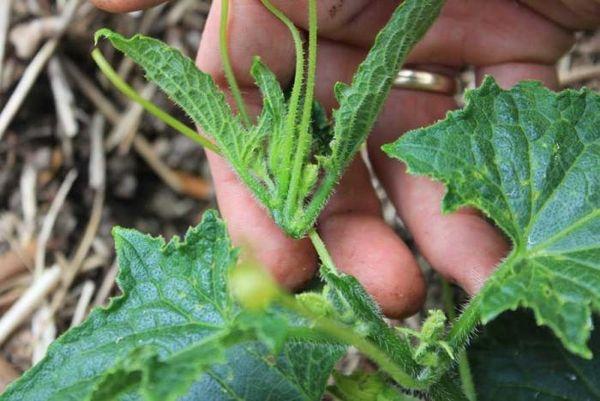
When choosing seeds for planting, you should decide what you will use the fruits for. A variety of hybrids allows you to grow delicious vegetables for fresh consumption and canning.
How to Prevent Bitterness in Cucumbers: Recommendations and Advice from Gardeners
In an attempt to eliminate bitterness, gardeners have developed rules to follow when growing cucumbers:
- When choosing a planting site, preference is given to areas with diffused sunlight.
- Low-acid or neutral soil with the addition of peat and ash is suitable for cucumber crops.
- Watering should be regular. Use water at room temperature. Cold or hot water will stress the plants.
- Mulching will help avoid droughts in the garden.
- Plants should be protected from sudden temperature changes and drafts.
- Do not use fresh organic ingredients as fertilizer.
- For planting, choose varieties that do not contain a substance that causes bitterness.
Proper selection of seeds and proper cultivation methods for cucumbers will help prevent the crop from developing an unpleasant taste. Bitter cucumbers are beneficial for human organ function and act as a preventative measure against cancer.
Related posts:
 The best eggplant varieties for growing in a polycarbonate greenhouse: planting and care
 80 Best Eggplant Varieties for Different Regions with Descriptions and Characteristics
 Why potatoes aren't growing well in the garden, and what to do to ensure a bountiful harvest
 Methods for planting and propagating cherries at home
 Is it possible to soak treated cucumber seeds before planting and how to do it correctly?
 Why do zucchini taste bitter in the garden, what to do, and how to fix it
 How to plant grapes step by step, with a description of the process and care
 Description and distinctive features of the best varieties of Ussuri plum
Thank you for the useful and interesting article!
Delicate, heat-loving plants require a lot of patience and care, so it's a shame when the harvest turns out bitter. The same mistakes in growing cucumbers can lead to a bitter taste.