Ira f1 cucumbers have an advantage over other varieties: they are genetically free of bitterness. Reviews from gardeners who grow this variety are positive. Gardeners also praise the variety for its early maturity and high yield. It is grown in various countries, particularly popular in Russia, Ukraine, and Moldova.
What is the Ira cucumber variety?
Characteristics and description of the variety:
- The hybrid crop Ira F1 is early maturing;
- can be grown in open beds, greenhouses, hotbeds;
- The plant is indeterminate (not limited in growth), can stretch up to 2.3 m - the top must be pinched in time; lateral shoots also need to be limited in growth;
- If the plant is in a greenhouse, it needs access to bees that pollinate the flowers;
- 2-4 cucumbers ripen in the lateral axils.
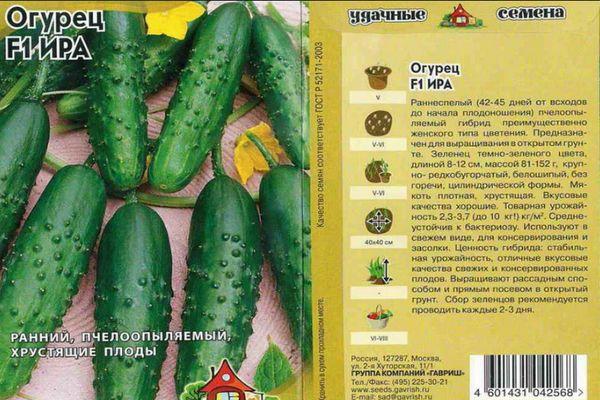
Gardeners harvest the first cucumbers as early as 45 days after germination. The cucumbers ripen in June. After this, the plant produces fruit for a long time. Fresh cucumbers are picked every 2-3 days. It's best not to delay harvesting, as overripe cucumbers lose some of their flavor and also hinder the development of young cucumbers.
The variety is practically not susceptible to bacterial blight, olive spot, anthracnose, and powdery mildew.
Advantages of the variety:
- Cucumber Ira ripens earlier than other vegetable crops (the first harvest is collected 45 days after germination);
- high fruit yield;
- excellent taste of cucumbers;
- the fruits are stored for a long time;
- suitable for fresh consumption and preparations;
- used in folk medicine;
- the variety is immune to common diseases;
- high content of nutrients in fruits;
- low calorie content.
Uses of fruits
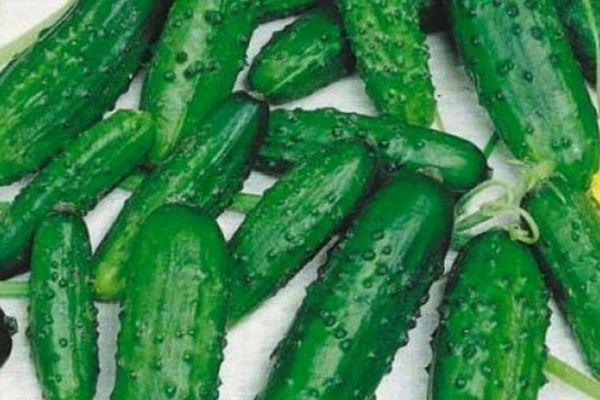
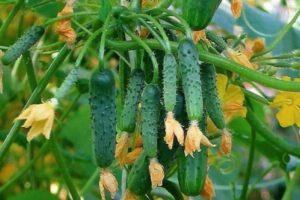
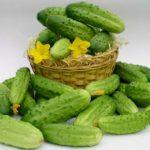
The fruits are miniature and neat. Cylindrical in shape. The length of the cucumbers ranges from 7 to 11 cm. The cross-sectional diameter is 2-4 cm. The average fruit weight is 80-100 g.

The surface of the cucumber is covered with small tubercles. The spines on them are white. The tubercles are sparsely spaced. The skin is dense and elastic. The fruit has faint ribbing. There are longitudinal stripes of light green, which cover only part of the fruit. The color of the cucumbers is a rich emerald.
The flesh is light green, firm, juicy, and moderately sweet. The classic cucumber aroma is subtle. The cucumbers are crisp. The variety lacks bitterness. The seeds are few in number and virtually invisible due to their small size.
This is a high-yielding variety. With proper care, it can produce a large number of fruits. Three plants per square meter of soil yields 8-11 kg of Irina cucumbers per season. The cucumbers can be stored for a long time.
The variety has versatile uses. The fruits are low in calories: 10 kcal/100 g. They can quench thirst and curb appetite. Thanks to their excellent taste, cucumbers are eaten fresh, added to salads, main courses, and first courses. The cucumbers are ideal for winter preservation. The miniature fruits fit easily into jars with brine or marinade. They are used to make lecho (sauce) and assorted vegetables.
Irina cucumbers are used in folk medicine. Thanks to their high potassium, silicon, and iodine content, cucumber infusions help normalize digestive function. Cucumber masks refresh and cleanse the skin.
How to grow cucumbers?
The variety can be cultivated using seedlings and without seedlings.
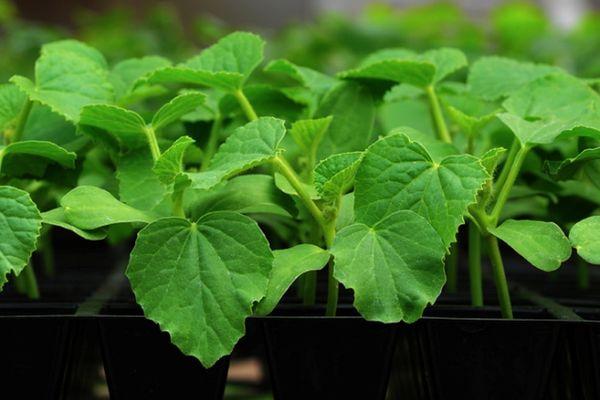
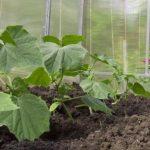
The seedling method is used in cold regions. Seeds are placed in cups with potting soil at home and covered with plastic wrap to keep warm. After a few days, thin stems will appear emerging from the soil. They require moisture and sunlight. Planting in a permanent location occurs in May. The soil should warm to 13ºC.
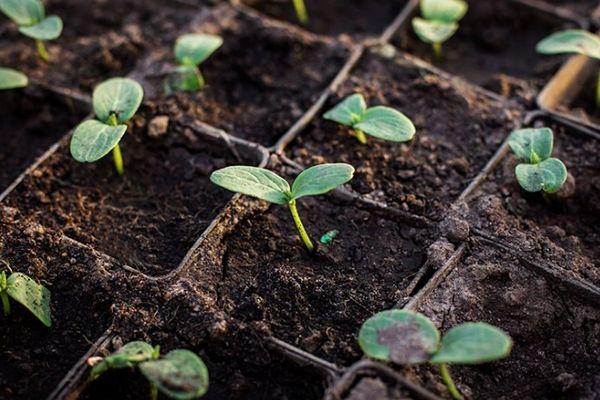
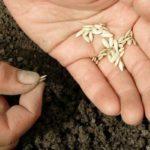
In warm climates, seeds are placed directly into the soil to a depth of 2 cm. Planting occurs in mid-May. It is best to plant after any prolonged frosts have passed.
The soil for cucumber beds is prepared in the fall. The soil is dug over, debris and roots are removed, and fertilized with decomposed organic waste. Afterward, the soil is dug over again and watered with a hot solution of potassium permanganate. In the spring, the soil does not require fertilization.
Seeds or seedlings are planted 30 cm apart. Three plants are placed per square meter of soil. The beds are watered with warm water and covered with plastic.
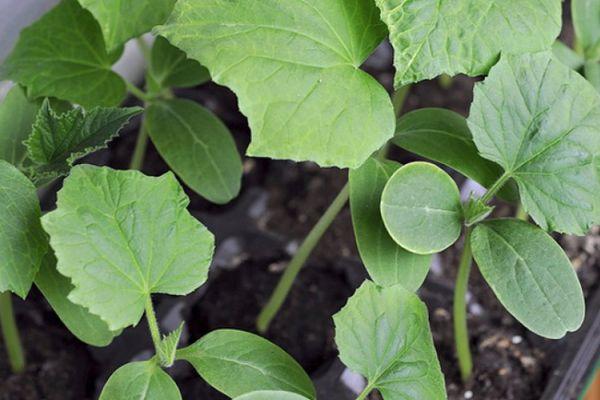
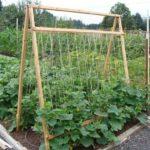
Once the bushes begin to grow, a trellis or crossbar should be installed. The stem is wound around the support. If the plant is in a greenhouse, open the doors daily to provide ventilation.
In addition to fresh air, Ira's cucumbers require insects for pollination, particularly bees. In a closed environment, the plants will wither from lack of oxygen; without insects, they will not produce a harvest.
Cucumbers need timely and abundant watering with warm, settled water. This should be done several times a week. Once the plant begins to bear fruit, water it daily.
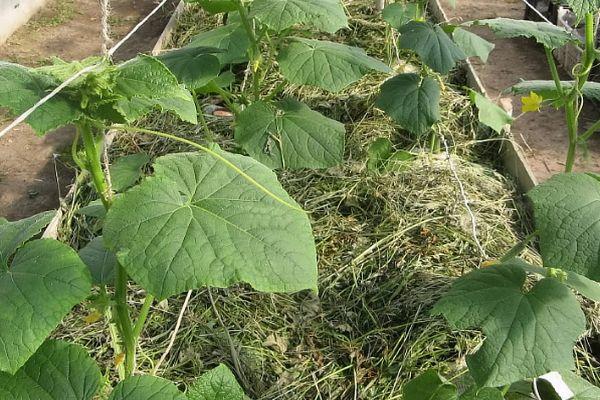
To ensure the plant receives more nutrients from the soil, gardeners regularly weed their cucumber beds. The soil needs to be loosened. This prevents fungi that grow in the soil. Loosening the soil also provides oxygen to the roots.
The variety is fertilized several times per season. Organic, mineral, and complex fertilizers are used for this purpose.
The bushes where the cucumbers are ripening need to be constantly monitored. If signs of disease appear, the plants should be treated with chemicals. If any shoots become diseased, they should be removed. Diseases should be prevented from spreading to healthy parts of the bush.
Related posts:
 Description of the best varieties of Chinese cucumbers, planting, growing and care
 Description of unusual methods for planting and growing cucumbers
 Description of the best, most productive and new varieties of cucumbers for 2025
 How to care for cucumbers in open ground from planting to harvesting
 How to make a cucumber trellis with your own hands from scrap materials
 The best grape varieties for growing in the Urals, planting and care rules in summer
 How to properly plant cucumber seedlings in a greenhouse and care instructions
 How to properly plant cucumbers in open ground with seeds, and at what depth