
Nitrogen is essential for healthy plant growth. One of the most effective nitrogen-based fertilizers for cucumbers is urea, often referred to as carbamide. Carbamide occurs as small crystals that dissolve quickly upon contact with water. Some manufacturers produce urea in tablet form.
Urea can be used in two ways: as a primary fertilizer or in combination with other fertilizers. Gardeners use urea more often than other fertilizers. Urea, or carbonic acid diamide, combines high efficiency and an affordable price.
Is it possible to feed cucumbers with urea?
The answer to this question is definitely yes. However, urea must be used with caution. Gardeners must remember that they are working with a chemical. In this case, the principle of "the more, the better" does not apply.
Nitrogen is beneficial for all crops, but its use is determined individually for each one. Since cucumbers are somewhat fussy in terms of care, they require foliar feeding with urea. In this case, it's best to apply the fertilizer before planting the vegetables, following the package instructions.
When the first ovaries appear, urea is diluted with water and sprayed to accelerate fruiting. Cucumbers grown in a greenhouse also require urea. Fertilizing begins in the fifth week of cultivation. These can be polycarbonate structures.
Fertilizer efficiency
Benefits of fertilizing cucumbers with urea:
- spraying is a guarantee that the ovaries will not fall off;
- Urea treatment is used as a preventative measure against parasites and fungal diseases;
- increases crop yield by stimulating the formation of ovaries.
To ensure urea produces the desired results, it must be applied deeply into the soil. Otherwise, the application will be ineffective. Urea contains ammonia, and if the fertilizer is present on the surface, it reacts with oxygen, causing the product to decompose.
Take a look Also


When is this needed?
Nitrogen, a component of urea, is essential for cucumbers during the first half of the growing season. This begins when the green mass begins to develop and continues until fruiting begins. Fertilizing begins when the first leaves appear.
Once the crop enters the fruiting stage, fertilizing is less frequent. Without fertilizer, cucumbers produce poor fruit and also age prematurely.
Nitrogen deficiency has a negative impact on cucumbers:
- yellowing of leaves and stems is observed;
- lack of formation of leaves, flowering and ovaries;
- slow growth;
- the leaf falls at the peak of the growing season;
- the color of the fruit is poor;
- poor crop yield;
- slow growth of lateral shoots.
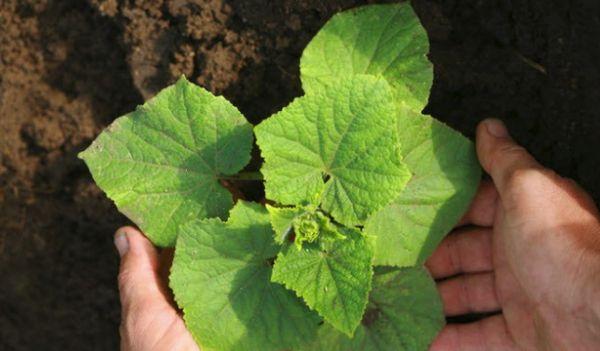
If you notice even one of the listed signs of nitrogen deficiency, apply urea. Excess nitrogen is just as harmful as its complete absence. This can be recognized by excessive growth of the plant's green parts. Leaves become a rich green color and become large. Fruits, meanwhile, are absent, or they grow underdeveloped and crooked.
How to fertilize cucumbers with urea
Fertilizing is performed 2 to 4 times per season. If this is done, cucumbers will not require additional nutrients. Gardeners can use either root or foliar feeding.
Pre-sowing preparation
Ammonium carbonate is the form of nitrogen found in urea. It is a volatile and unstable substance that decomposes quickly. Therefore, using urea for fall fertilization is pointless. By the time spring arrives, there is virtually no nitrogen left in the soil, regardless of how much was applied.
The optimal time for applying urea is spring. It is recommended to incorporate the substance to a depth of 18-22 cm. Agricultural workers scatter the granules on the ground surface while snow still lies. Due to the volatility of nitrogen compounds, this method is impractical.
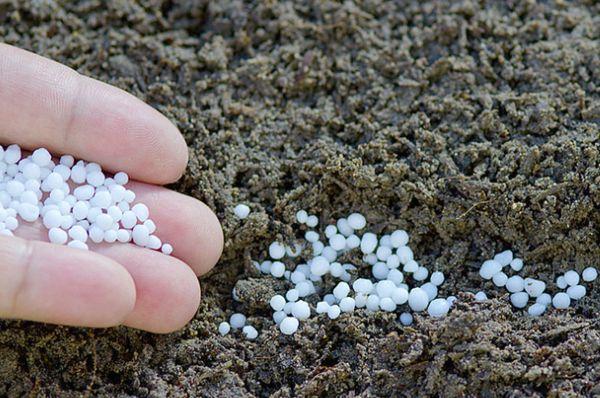
Pre-sowing preparation is mandatory if cucumbers are grown in heated rooms.
Root feeding
Fertilizer application to the roots begins 10-13 days after seedlings emerge in open soil. The process is repeated every two weeks until fruiting begins. Cucumbers especially need nitrogen during the formation of ovaries and the growth of shoots. To provide cucumbers with additional phosphorus, superphosphate is added to the solution.

The same solution is used for root feeding of seedlings. During the growth stage, young shoots require 2-3 treatments. One of these treatments involves the use of urea. The remaining two treatments use organic matter or complex fertilizers.
Foliar feeding
This method of fertilization is valued for a number of advantages:
- Nutrients from the fertilizer are absorbed by the fruits, leaves, and branches, thus improving the quality of the treatment.
- The plant becomes stronger and begins to bear fruit actively.
- Foliar feeding is carried out at any time during the growing season.
- Since the fertilizer is applied directly to the plant, this type of feeding is economical.
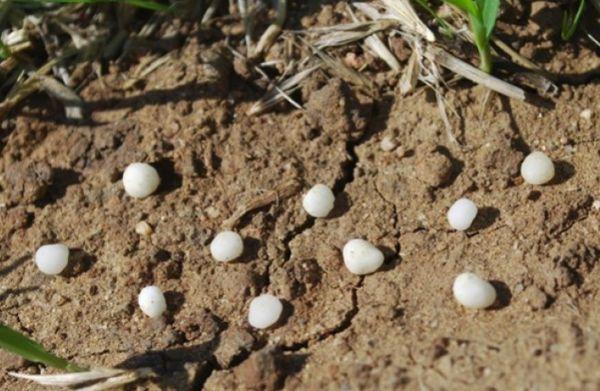
During treatment, fertilizer may come into contact with weeds. In turn, they receive a dose of fertilizer, which also has a positive effect on their growth. It is recommended to remove weeds before spraying.
Foliar feeding of cucumbers with urea has its own rules. Reduce the frequency of applications for young plants. Increasing the dose can cause burns. To improve results, mix urea with manure or other components.
Against cucumber pests and diseases
Treating cucumbers with urea is a necessary procedure in any case. If cucumbers don't require urea as a fertilizer, it can be used as a pest control agent. This is an effective preventative measure against diseases that often affect garden crops.
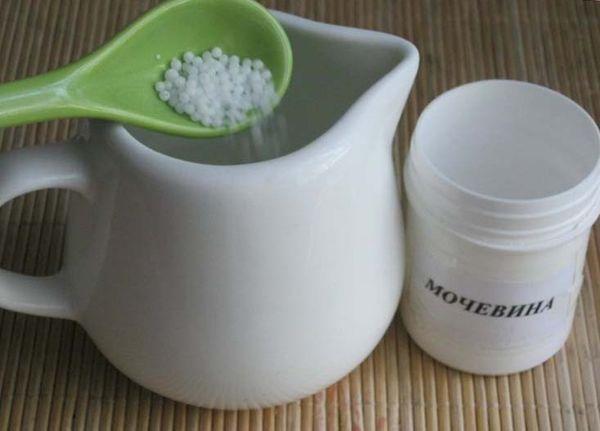
Urea is a fertilizer that strengthens the immune system of cucumbers. When preparing the solution, adhere to the recommended dosage to avoid harming the plant. As a preventative measure, use 500 g of urea per bucket of water.
Helpful Tips
Treating cucumbers with urea often doesn't produce a positive effect. Failing to achieve the desired results, gardeners stop trusting fertilizers like urea. They don't even consider the reason why the fertilizer failed.
In most cases, gardeners are largely to blame. They don't prepare the solution correctly, apply fertilizer correctly, and don't maintain the correct proportions. Weather conditions also play a significant role.

 To avoid negative experiences with urea fertilizer, you should know certain rules before beginning the procedure:
- When cucumbers are growing well, they don't need urea. People often think they can improve an already good situation and fertilize them. This is detrimental to the crop, as it leads to an excess of nutrients. This phenomenon is observed both in open-air and greenhouse cultivation.
- When fertilizing on hot days, be sure to water the crop afterward. This will ensure the fertilizers are even more effective. A watering can ensures even distribution of moisture.
- The best time to fertilize is during wet weather, which could include a rainy season. Watering may not be necessary during this time.
Before applying fertilizer, carefully read the instructions. It is strictly forbidden to exceed the recommended amount of urea for fertilizing cucumbers. Calculations are based on the number of plants being treated and the area of the plot. Failure to follow the instructions will result in crop loss.
The yield of the cucumber harvest directly depends on the gardener's knowledge of all the nuances of crop care. Fertilizing is considered one of the most important. Urea fertilizer directly affects the taste of the fruit, its appearance, and the number of cucumbers per plant. Therefore, care must be taken when fertilizing.
Related posts:
 Description of the best varieties of Chinese cucumbers, planting, growing and care
 Description of unusual methods for planting and growing cucumbers
 TOP 30 best determinate cucumber varieties with descriptions
 How to properly plant cucumbers in open ground with seeds, and at what depth
 How to plant cucumbers in open ground under film: timing and cultivation technology
 How to care for cucumbers in open ground from planting to harvesting
 Why cucumber leaves are drying out and what to do, how to treat them in a greenhouse and in the ground
 How to make a cucumber trellis with your own hands from scrap materials