Nadezhda cabbage is a mid-season variety developed in the 1960s. It is ideal for growing in virtually any region, except northern ones.
Description and characteristics of the variety
The characteristics and description of the variety include its advantages and disadvantages. The advantages include:
- consistently high yield;
- good transportability;
- crack resistance;
- good taste;
- long shelf life - at least 5 months;
- low susceptibility to infections;
- widely used in cooking;
- resistance to flowering.
Among the disadvantages, one can highlight susceptibility to clubroot and bacteriosis.
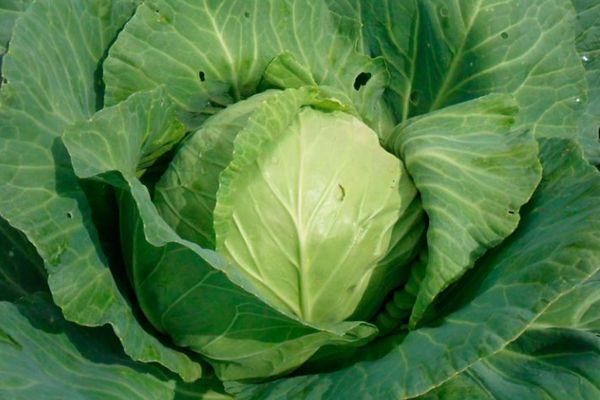
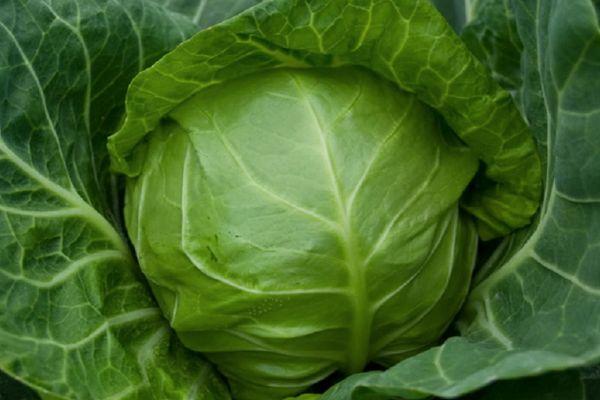
Cabbage heads are very dense and heavy. The standard weight is 3.5 kg. The diameter is 70 cm. The leaves are gray-green. The average yield is 10-15 kg per square meter. Full maturity occurs 120-130 days after sprouting. This variety is one of those cabbages best suited for pickling and salting.
Nadezhda can tolerate temperatures as low as -5°C. However, the optimal temperature range is between +15°C and +20°C. However, at temperatures above +25°C, nitrates begin to accumulate in the heads.
Preparing seedlings
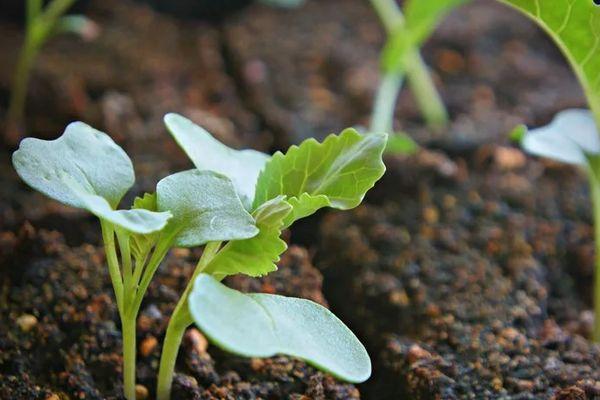
The Nadezhda cabbage variety is usually grown from seedlings. The seeds are planted in containers in April. It's best to prepare the soil mixture yourself. To do this, mix equal parts garden soil, sand, and peat. To disinfect, it's recommended to water the soil with a weak solution of potassium permanganate. The seeds themselves are also soaked in the solution for 20-30 minutes.
After this, it is recommended to disinfect the planting material in hot water for 20-30 minutes. Then cool it in cold water. Place the seeds 1.5 cm deep in the soil and water them. After the first shoots appear, the air temperature should not be higher than +10°C. If there is not enough sunlight, backlighting is recommended.
It usually takes 25-30 days for seedlings to be transplanted into the ground. It is recommended to plant them in open ground only after 4-5 full-fledged leaves have emerged. By this time, the seedlings will reach a height of 20 cm. Cabbage yield depends largely on hardening off the seedlings.
Planting and care
Choose a well-lit area of the garden for planting cabbage. Planting Nadezhda in the shade is strictly prohibited, as it will disrupt its growth process, the heads will lose their density, and will not store well. The distance between plants should be at least 50 cm, and between rows at least 80 cm.
The soil should be nutritious, rich in nitrogen, potassium, and calcium. Ideally, melons or nightshade crops should precede cabbage. You can fertilize the soil with manure, but this should be done in the fall. If this hasn't been done, compost or manure should be added to each hole in the spring, immediately before planting the seedlings. Important: Nadezhda does not tolerate acidic soil. To reduce acidity, thoroughly lime the soil in the fall.
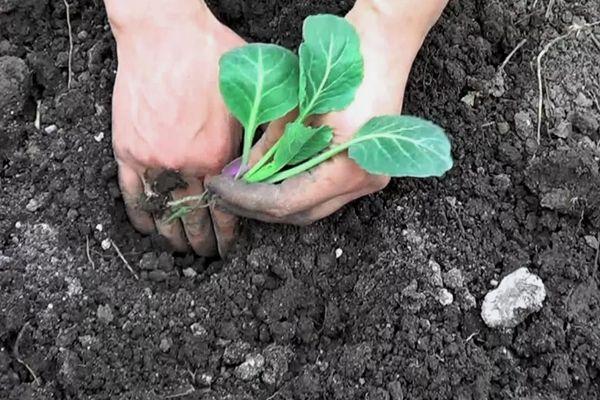
Watering. After planting the seedlings in the soil, water them immediately and thoroughly until the soil becomes sticky. After this, the recommended watering schedule is once every three days. Use one bucket of water per square meter. The water should be at outdoor temperature. Watering is recommended in the morning or evening, when the sun is not shining. On hot days, moisten the soil as the top layer dries. However, overwatering can cause bacterial rot.
Loosening the soil. After each watering and rain, it is recommended to loosen and hill the soil. When the cabbage tops grow strongly and begin to cover the rows, stop hilling.
Fertilizing. To promote vigorous growth, cabbage requires regular fertilizing. The vegetable requires nitrogen-containing minerals. Chicken manure and slurry are considered the best fertilizers. Apply 3-4 fertilizing sessions per season using the following schedule:
- The first time they are fed is on the 20th day after planting the seedlings in the ground.
- The second feeding is carried out 12 days after the first.
- The third is carried out 12 days after the second.
If fertilizing is done in dry weather, the vegetable can be watered with a liquid solution. If it rains, dry fertilizer can be scattered over the beds.
Disease and pest prevention
Cabbage is often attacked by caterpillars and aphids. Special pesticides are effective against caterpillars. You can also stretch a net over the vegetable to prevent caterpillars from landing on the leaves. Dolomite flour and a strong stream of water can help get rid of aphids. Sprinkling dolomite flour and wood ash around the soil also helps prevent pest attacks.
The Nadezhda variety is susceptible to bacterial wilt. As a preventative measure, disinfect storage areas, soil, and seeds. Before planting, it is recommended to water the holes with a colloidal sulfur solution. To prevent bacterial wilt, monitor watering and avoid overwatering.
Overall, the Nadezhda variety, when properly cared for, consistently produces a good harvest, is unpretentious, has a long shelf life, and is easy to transport.
Related posts:
 Why does cabbage grow tall in the garden and what can be done about it?
 Growing and caring for Chinese cabbage in open ground and greenhouses
 Planting, growing, and caring for cauliflower in open ground and greenhouses
 Description of the best cabbage varieties for 2025 for different regions
 Why cabbage leaves wilt in the garden and what to do
 Why do cabbage leaves turn purple and what can be done to treat them?
 Using calcium nitrate for cabbage, how to feed it and the application rate
 Description of cauliflower diseases and pests, methods of treatment and control