
- Purpose of the product
- Disinfection
- Plant disease control
- Pest control
- Fertilizing plants
- Benefits of using potassium permanganate for cucumbers
- Signs of potassium deficiency in cucumbers
- How to properly fertilize with potassium permanganate
- Preparation of working solution
- How to fertilize bushes
- Using potassium permanganate in areas for the prevention and treatment of cucumbers
- How to prepare a solution: norms and dosages
- Timing and frequency of treatments
- Features of potassium permanganate application
- Reviews of the product from experienced vegetable growers
Cucumbers are a common and beloved vegetable crop in all gardening regions. The harvest is ready for harvest in 40-50 days. Whether the cucumbers will be tasty and uniform, and how much of a harvest they will produce, depends on the health and vigorous growth of the plants. Vegetable growers rightly strive to minimize the use of agrochemicals, preferring folk and home remedies. Let's explore the purpose of treating cucumbers with potassium permanganate.
Purpose of the product
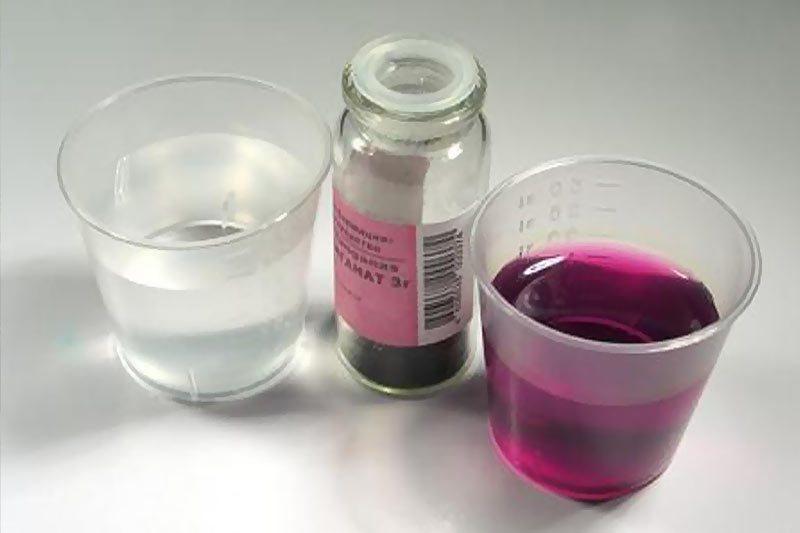
Potassium permanganate, commonly known as potassium permanganate, is the potassium salt of manganic acid. It contains potassium, manganese, and oxygen. In its dry form, it appears as black-violet crystals with a metallic luster and is highly soluble in water and other organic solvents.
Aqueous solutions of potassium permanganate are powerful oxidizing agents. When interacting with organic matter, free oxygen is released. Therefore, the substance is used to release this gas, which is essential for the respiration of all living things. Along with oxygen, all light particles are removed from the surface where the solution comes into contact:
- dust;
- dirt;
- bacteria and fungal spores;
- dead tissue.
This remarkable property has made it possible to widely use potassium permanganate in medicine and everyday life.
Disinfection
In plant growing, disinfection is necessary in the following cases:
- when processing seeds;
- to remove pathogenic microbes and spores that cause fungal diseases, and overwintering insect pests from the soil substrate;
- for cleaning the internal surfaces of greenhouses from dirt and the accumulation of microorganisms on wooden and metal structures;
- for treating instruments (knives, scissors, pruning shears) from pathogenic agents.
Important! When growing cucumbers in hotbeds and greenhouses, disinfection measures for seeds, tools, soil, and hotbeds must not be neglected!
Plant disease control
Potassium permanganate helps fight cucumber diseases:
- downy mildew;
- anthracnose;
- gray mold;
- Cladosporiosis.
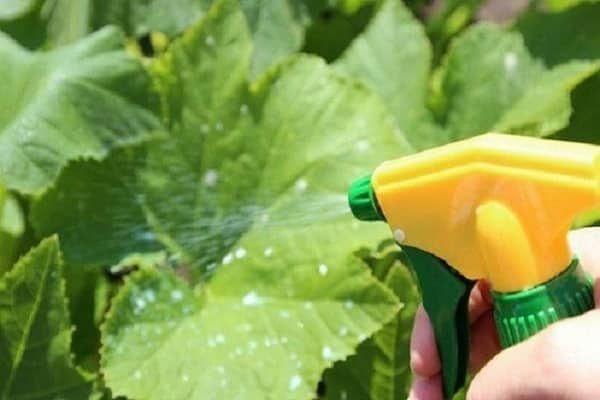
Spraying bushes at the initial stage of the disease significantly inhibits or stops the further spread of spores, which leads to the healing of plants.
Pest control
Cucumber pests After treatment with potassium permanganate, they die as a result of three types of exposure:
- mechanical removal of insects from leaves and shoots;
- chemical burn of integumentary tissues;
- poisoning from eating leaf tissue and sucking its juices.
Therefore, spraying cucumber leaves is necessary at the beginning of fruiting and throughout the entire production period. By adjusting the solution concentration, one or another type of effect can be enhanced.
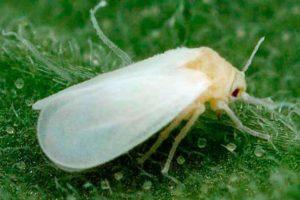
Potassium permanganate is effective in open ground against green and black aphids, and in greenhouses against aphids, spider mites, and whiteflies. Pests often carry diseases, so treatment with potassium permanganate is doubly effective.
Fertilizing plants
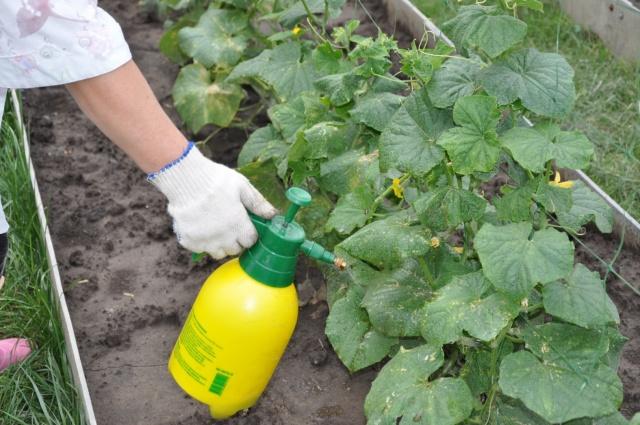
Potassium permanganate Potassium is used to fertilize cucumbers and other vegetable crops to replenish potassium and manganese deficiencies. Irrigating the soil around the plants and applying foliar sprays are effective. Both of these nutrients play an important role in the plant's life cycle, increasing resistance to adverse environmental factors and improving the quality of produce.
Benefits of using potassium permanganate for cucumbers
When used in reasonable doses, potassium permanganate has no toxic effects on humans, animals, or pollinating insects. Its combination of disinfectant, therapeutic, and fertilizing properties makes it versatile and inexpensive.
Unlike chemicals, after spraying with potassium permanganate, crops can be harvested the same day, and work can be done in the greenhouse and garden beds. When using chemical treatments with poisons and fungicides, a waiting period of 3 to 30 days is required. Wearing a mask is sufficient; the product has no unpleasant odor.
The active elements are relatively immobile in the soil and do not affect neighboring crops. If crop rotation is followed, subsequent plantings will be provided with some potassium and manganese. Less of these elements will be needed.
Signs of potassium deficiency in cucumbers
A deficiency of the macronutrient potassium causes leaves to turn yellow at the edges, sometimes in the spaces between the veins, while the veins remain green. The green leaves become rounded and narrow at the stem. The shoots become elongated and weaken. Later, patches of dead tissue appear on the leaves. The plants stop growing.
Potassium moves very slowly through the soil, so it's applied as a primary fertilizer in the fall, in fertilizer form. About a third of a cup of potassium fertilizer is incorporated to the depth of the main root mass of the intended crop. For cucumbers, this is 15-25 centimeters.
Manganese is an essential micronutrient involved in respiratory enzymes and photosynthesis. When manganese is deficient, plants quickly lose moisture, and their tissues weaken. The first signs appear on young leaves: they become covered with yellow-green spots, which eventually turn brown or whitish. The condition worsens in calcareous, alkaline soils.
How to properly fertilize with potassium permanganate
There are two methods used to fertilize cucumbers:
- root watering;
- spraying leaves.
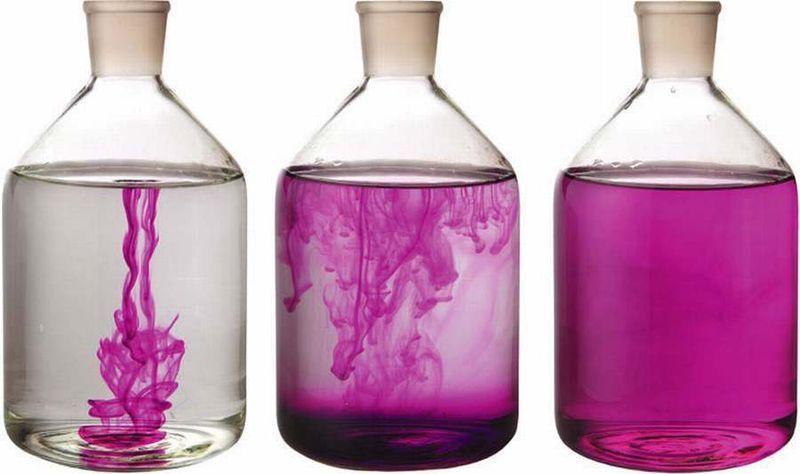
The second method is more effective because the active ingredient is quickly absorbed into the cell's metabolism through the stomatal slits. Both methods can be used for cucumbers grown in greenhouses and hothouses. It has been observed that greenhouse cucumbers have roots that are more shallow than those grown in the open ground. Potassium and manganese will penetrate the plant more quickly when irrigated.
Preparation of working solution
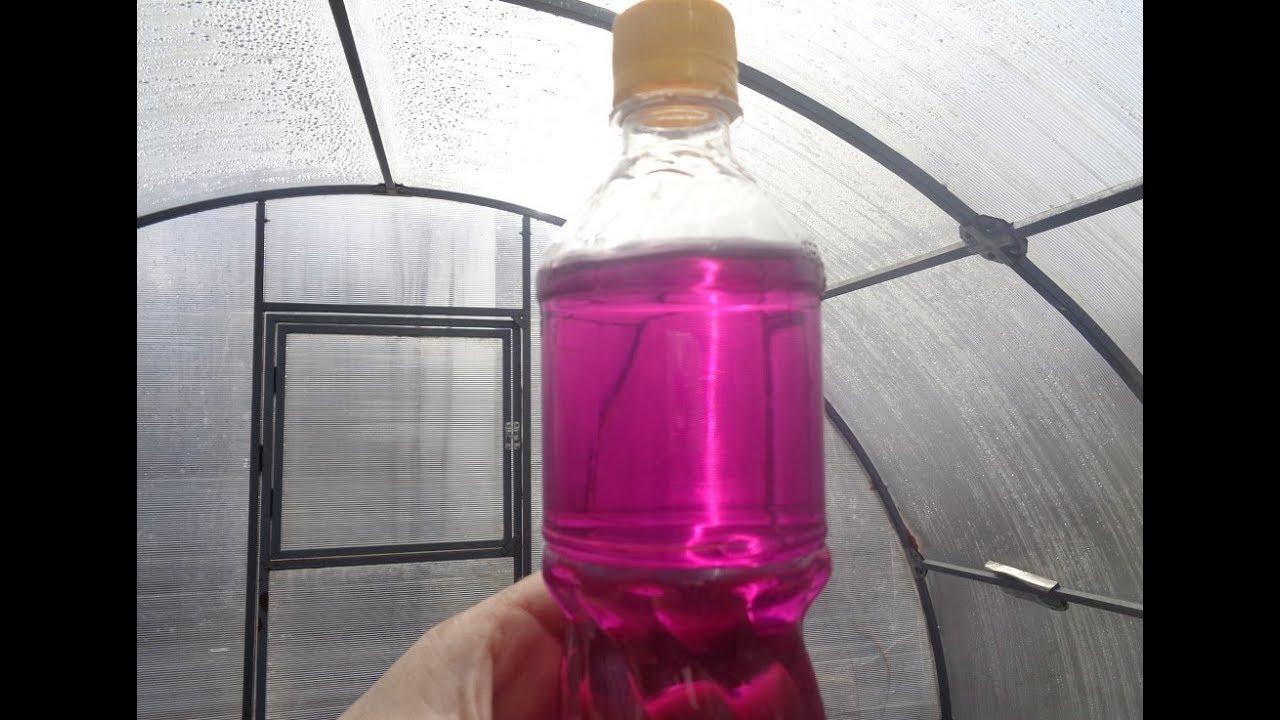
For foliar feeding, use a 0.01% solution. To do this, add 1 gram of potassium permanganate crystals to a bucket of warm water at 35-36 degrees Celsius and mix thoroughly with a wooden stick.
Please note! Potassium permanganate crystals must be completely dissolved in water. If undissolved permanganate particles come into contact with leaves, burning will occur!
For root watering, use a 0.03% solution, adding 3 grams of manganese per bucket of water and mixing thoroughly. Water at a distance of 3-5 centimeters from the stem.

How to fertilize bushes
Fertilizer differs from top dressing in that it requires a higher dose and application time. Cucumbers require increased potassium nutrition before the first fruits ripen and throughout the entire production period. Many vegetable growers ask whether it's possible to water cucumbers generously with potassium permanganate during flowering. The answer is yes, as the cucumbers will soon ripen, gaining flavor and weight.
After fertilization, fruiting will be abundant and prolonged. The fertilizer dose applied to the roots is increased to 0.05-0.07 percent. Therefore, 5-7 grams of permanganate are dissolved in a bucket of warm water.
Using potassium permanganate in areas for the prevention and treatment of cucumbers
In open ground, for the prevention and control of fungal diseases, the solution concentration may be slightly higher than for foliar feeding due to higher evaporation than in greenhouse conditions. For root watering, the same volumes of solution are used.
How to prepare a solution: norms and dosages
To treat cucumbers against diseases in open ground, dissolve 2-3 grams of permanganate crystals in 10 liters of warm water. The recommended application rate for one mature plant is 0.5-1.0 liter. Spray the solution from a spray bottle or mister on the upper and lower surfaces of the leaves.
Important! Plants being treated must be tied vertically to a support, and any excess shoots and side shoots must be removed. Apply the treatment to both sides of the leaf!
Timing and frequency of treatments
No more than 3-5 treatments are carried out per season. The first preventative treatment, if there is a risk of fungal diseases, should be carried out at the beginning of flowering. Depending on the condition of the plants, the interval between treatments can be from 3 to 10 days. In case of severe infestation, manganese sprays should be alternated with fungicidal treatments, observing the waiting periods.

Features of potassium permanganate application
When spraying cucumbers, it's better to underdo the application than overdo it. Using high doses of potassium permanganate can cause burns or even poisoning. Before foliar feeding, water the plants to stimulate their metabolism.
In open ground, plants are treated in the evening hours to prevent sunburn of wet leaves.
Reviews of the product from experienced vegetable growers
Tatyana from Krasnodar writes that with regular preventative treatments with potassium permanganate in her garden beds, her cucumbers grew strong, the leaves retained their dark green color for a long time, and the fruits were very tasty.
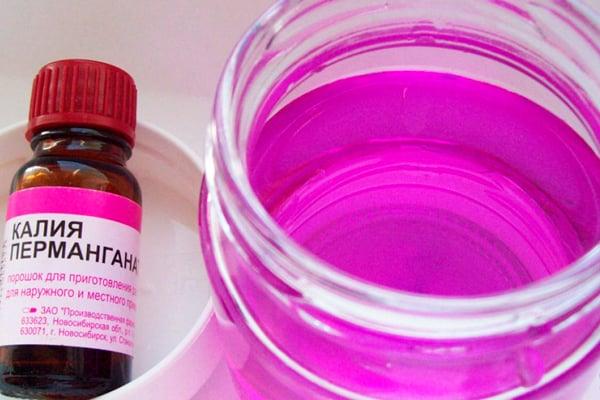
Valentina from Voronezh shared an effective way to combat aphids using a deep pink solution, which she applied to the affected shoots using cotton swabs. Cucumber sowing and planting season is coming soon, so be sure to follow the recommendations of experienced vegetable growers on using potassium permanganate, and you'll see how versatile this product is.
Related posts:
 How to properly plant cucumbers in open ground with seeds, and at what depth
 Description of unusual methods for planting and growing cucumbers
 How to make a cucumber trellis with your own hands from scrap materials
 How to care for cucumbers in open ground from planting to harvesting
 Description of the best varieties of Chinese cucumbers, planting, growing and care
 Is it possible to soak treated cucumber seeds before planting and how to do it correctly?
 How to properly plant cucumber seedlings in a greenhouse and care instructions
 Types of fungicides for cucumbers in a greenhouse and instructions for use