
- History of selection and biological characteristics
- Advantages and disadvantages of the Swallow pepper
- Characteristics of the culture
- Suitable region and climate for growing
- Appearance of the bush
- Fruit taste and yield
- Susceptibility to pests and diseases
- How to plant peppers in a garden
- Preparing and sowing seeds
- Conditions and rules for growing seedlings
- Transplantation into open ground
- Recommendations for caring for the variety
- Irrigation of bushes
- Weeding and loosening the soil
- Top dressing
- Bush formation
- Preventive treatment
- Tips for increasing yields
- How to collect seeds and prepare them for planting
- Reviews of the varieties from experienced gardeners
The Lastochka pepper boasts impressive characteristics, boasting large fruits, good yields, and excellent flavor. When fully ripe, the pepper turns red, and its thick, juicy walls make it ideal for preserves. Remarkably, gardeners don't have to spend much effort caring for the plant to obtain a decent harvest.
History of selection and biological characteristics
Bell peppers don't have any particular characteristics. The lack of a sweet taste led Soviet breeders in 1976 to the task of developing a variety that would meet all the necessary criteria.
The name "Swallow" was coined by Soviet breeders who succeeded in developing a variety that was distinguished by its sweet taste and was also resistant to bacterial diseases.
Advantages and disadvantages of the Swallow pepper
The vegetable has a number of advantages that gardeners value most:
- The yield indicator allows you to apply a minimal amount of effort to obtain good results.
- Large fruit size should also be considered as an advantage of the crop.
- The taste characteristics and pleasant sweetness allow the peppers to be used for creating various preparations.
Peppers grow quickly and are classified as a mid-season crop – you can see the fruits on the bushes as early as 121 days after planting.
In addition, vegetables have a beneficial effect on the human body:
- strengthen the immune system and help eliminate the tendency to colds and viral diseases;
- They help improve digestion, increase appetite, and allow the body to be “saturated” with useful substances.
It is not recommended to eat this vegetable variety if a person has serious digestive problems, metabolic disorders, or certain heart and vascular diseases.
Among the disadvantages we can also note:
- The culture loves heat and is not resistant to temperature changes.
- When planted in the ground, the yield decreases, but only slightly.
Thanks to its characteristics, this variety copes well with various diseases and pests. This is also worth considering as an advantage.
Characteristics of the culture
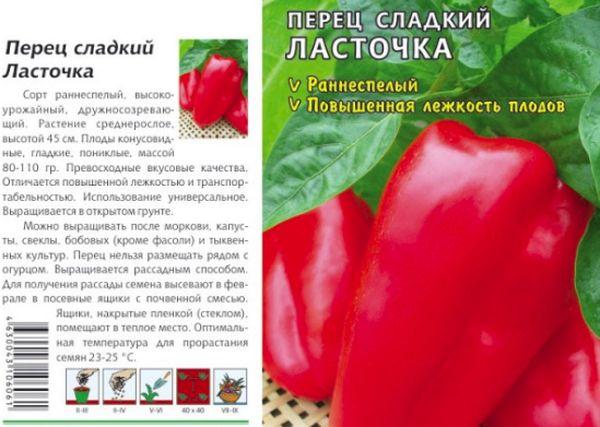
It's worth noting that the vegetable's characteristics vary; a comparative analysis reveals several advantages of the Lastochka variety. However, to learn more about the variety, it's worth describing its key characteristics:
- the bush reaches a height of 60 centimeters, peppers rarely grow higher;
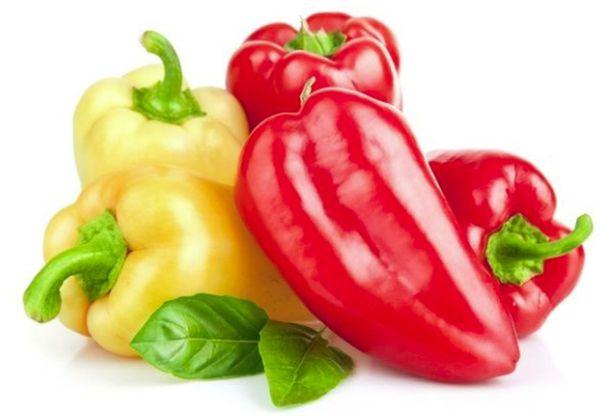
- The fruits have a characteristic feature - the thickness of the walls, which reaches 7 millimeters;
- the shape will surprise the gardener - the peppers grow oval, but can also have a conical shape;
- the fruit reaches ten centimeters in length;
- The average weight of a vegetable is 70-100 grams.
![When to plant pepper seedlings in [year], favorable days according to the lunar calendar](https://harvesthub.decorexpro.com/wp-content/uploads/2019/02/foto4-300x200.jpg)
This crop has several unique characteristics and is suitable for greenhouse cultivation. It can also be planted in the ground, if needed. If the climate in your region is mild, you can plant peppers under plastic.
Attention! With proper care, the plant produces abundant fruit, yielding up to 5 kilograms per square meter.
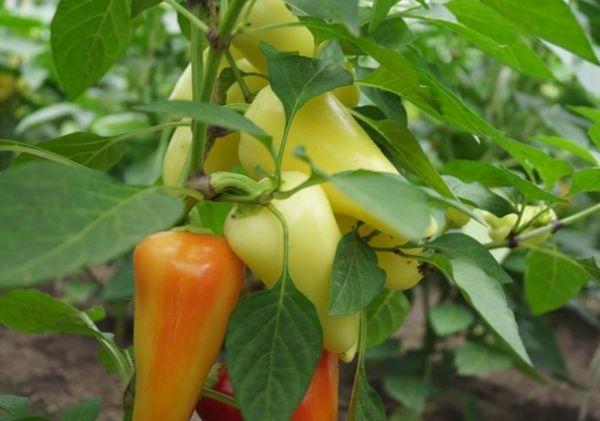
The fruits have two stages of ripeness: technical, during which the peppers acquire a characteristic yellow hue, and actual, when the fruits turn red, become full-bodied, and acquire sweetness.
Suitable region and climate for growing
Regarding planting timing, seedlings are planted from mid-February to the last ten days of March. The sprouts take a long time to emerge, taking several weeks or even a month to germinate.
If you live in the southern region, you can begin transplanting seedlings into the ground or a greenhouse in early May. This climate is most favorable for the crop.
Appearance of the bush
If a gardener has never planted a Swallow before, they are unlikely to know that the bush has the following characteristics:
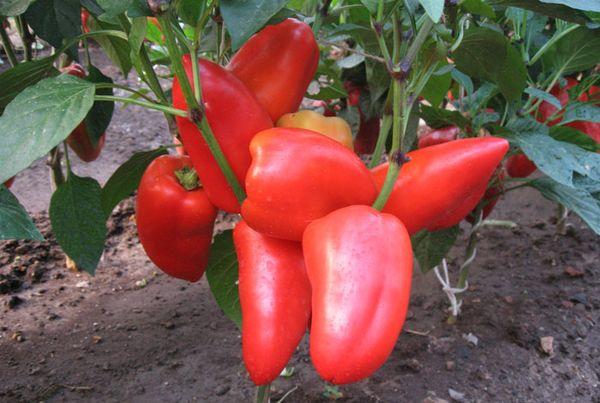
- The bush is medium-sized, with spreading and large foliage, creating a weighty crown.
- It rarely exceeds 60 centimeters in height, but under favorable conditions it can grow up to 80 centimeters in height.
- The root system is well developed, the stem is strong.
- It will take at least 4 months from planting to harvest.
The fruits ripen quickly on the bush, and simultaneously, which allows you to harvest once and never have to go back to this procedure.
Fruit taste and yield
Gardeners love this variety for its high yield, reaching 5 kilograms per square meter. A distinctive feature of these peppers is their lack of bitterness and pleasant sweetness. This makes them suitable for a variety of preserves. Gardeners will also be surprised by the peppers' ability to retain their flavor for a long time, even during transportation.
Susceptibility to pests and diseases
It is believed that the Swallow variety has good immunity; it is resistant to pests and is not susceptible to viral, bacterial or other diseases.
But if a gardener decides to plant such a plant in the ground or in a greenhouse, he should keep in mind that he may encounter certain problems during the growing process.
What diseases can affect peppers?
| Fungal diseases: | We are talking about gray mold and late blight. |
| Blackening of the leg: | In this case, it is worth removing the damaged shoots and burning them. |
| Pests: | slugs, spider mites, whiteflies and aphids should not be discounted. |
Such problems can arise if the plant has been improperly watered or has suffered from insufficient ventilation. High temperatures can also have a detrimental effect on the bushes.
Advice: If a gardener notices alarming symptoms such as yellowing foliage or blackening of the stem, they should remove the damaged shoots, remove the soil, and carefully monitor other pepper plants. Plants affected by the disease should be burned.
How to plant peppers in a garden
To plant a plant in your garden, you'll need to prepare it in a specific way. It's not difficult, but it's best to proceed consistently.
Preparing and sowing seeds
To plant, you will need to pay attention to the quality of the seeds:
- Before planting, they are inspected and checked for rot or darkening;
- After sorting the seeds, treat them with any herbal solution; you can use a weak solution of potassium permanganate;
- then the seeds are dried in a warm place and placed on wet gauze.
The Swallow pepper has a good germination rate, which is unusual for peppers. It is recommended to carry out these treatments in mid-February.
Conditions and rules for growing seedlings
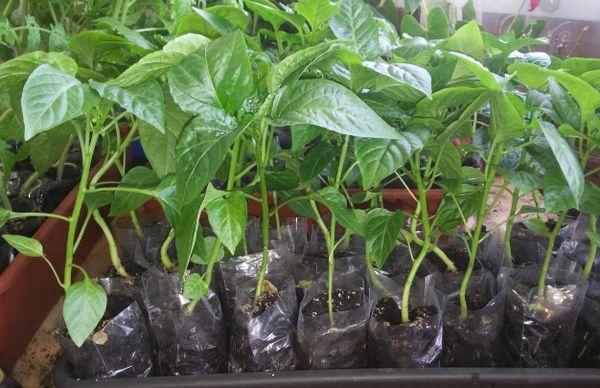
If you decide to grow peppers on your windowsill, follow these rules:
- Choose suitable cups or take a box, loosen the soil before planting.
- Sprouted seeds are sprinkled with a centimeter of soil; the distance between plantings should not be less than 2 centimeters.
- Water carefully to avoid the soil drying out. It's best to mist the planting with a hand-held sprayer.

Transplantation into open ground
Planting in the ground or greenhouse is best done in June, preferably mid-month, to allow for warm weather. The soil is loosened and watered the day before planting, and holes are dug in the soil. The root system is not placed in the holes—only the roots are covered with soil, ensuring that the soil does not touch the stems.
Recommendations for caring for the variety
Note: If you plan to plant Lastochka, choose a location where carrots or onions were previously grown – this will help increase the crop's yield.
How to care for peppers, what gardeners advise:
- do not forget to water the plant, but avoid excessive dryness of the soil and its excessive moisture;
- If you initially planted the seedlings in a box, then in April, transplant them and plant the peppers in different cups - this way they will get stronger faster;
- Carry out the first feeding as soon as 3-4 leaves appear on the stem; for this purpose, you can use various solutions.
Irrigation of bushes
Watering is carried out regularly (since peppers need moisture), but it should be moderate, since excess moisture can cause the development of fungal diseases.
Weeding and loosening the soil
Before planting in a greenhouse or in the open ground, it's best to fertilize the soil, preferably after harvesting. Dig the soil, removing weeds and large plant roots. Loosen the soil thoroughly to oxygenate it.
Top dressing
With proper care, it is not required; organic fertilizers and mineral solutions can be used as fertilizer.
Compost is quite effective, and cow manure can also help increase the yield.
Bush formation
This does not require removing side shoots or side shoots. It's best to provide the bush with support, such as a stake. If the stem has many side shoots, you can remove them, but only the lower leaves (3-4), no more.
Preventive treatment
To avoid various diseases, proper care of peppers is essential. This will allow you to grow Lastochka peppers in your garden and reap a good harvest.
What you need to do:
- Water the plant correctly, avoiding excess moisture.
- Provide ventilation, loosen the soil after each watering.
- If the first signs of a fungal disease appear, use the following products: Zaslon or Barrier.
- Gray rot is treated with fungicidal solutions, and they are used on a permanent basis.

Tips for increasing yields
To increase your performance and achieve your desired results:
- When planting seedlings, use enriched soil;
- If possible, provide the plant with additional lighting, keep the light on for at least 12 hours;
- When planting seedlings, cover the box or cups with film; when sprouts appear, remove the abscess;
- Harvest the fruits in a timely manner; this will help you get the maximum amount of vegetables from the bush.
How to collect seeds and prepare them for planting
You can use the following method to help prepare the material for planting:
- Pick the fruit when it is slightly unripe.
- Leave it to “ripen” on the windowsill.
When the fruit is fully ripe, it can be used for planting. The seeds are removed, washed and dried, and then sorted.
Reviews of the varieties from experienced gardeners
Gardeners' opinions of Lastochka are positive, generally noting the variety's high yield and disease resistance. Here's what gardeners' reviews reveal:
- Arina Ivanova: "For several years now, I've been planting only Lastochka peppers at my dacha. In my opinion, it's the best variety. It's effortless, and the harvest is good, and the fruit tastes delicious."
- Valery Sidnev: "I chose poor seeds, and ended up with no harvest. The seedlings were fine, but then the pepper stems turned dark, and almost the entire planting died. It's a shame, I was counting on a big harvest."
- Anastasia Vasilyeva: “I love the sweet taste of the fruit; I use it to create various snacks.”
Large-sized peppers of the Lastochka variety will delight you with their high yield. When planting these plants in your garden, remember to water them regularly and loosen the soil, and you'll end up with delicious fruits suitable for canning, storing, and transporting.
Related posts:
 The best eggplant varieties for growing in a polycarbonate greenhouse: planting and care
 Methods for planting and propagating cherries at home
 How to control carrot flies with medications and folk remedies
 80 Best Eggplant Varieties for Different Regions with Descriptions and Characteristics
 Is it possible to grow an apricot tree from a seed in your garden? How to plant and care for it?
 Is it possible to plant carrots in July or at the end of June? What are the best days and care instructions?
 Planting and caring for cherries, feeding and growing rules
 The benefits and contraindications of lentils for the human body