
- Characteristics of the Vixne red currant
- History of selection and growing area
- Botanical description of the bush
- Flowering and fruiting
- Productivity and scope of application of berries
- Resistance to diseases and pests
- Drought and frost resistance
- Varieties of the variety
- Cherry
- White-fruited
- Pros and cons of culture
- Planting and care features
- Growing conditions requirements
- Site selection and preparation
- Planting dates and process
- Watering
- Caring for the tree trunk circle
- Top dressing
- Trimming
- Protection from winter cold
- Diseases and pests: prevention and treatment
- Gardeners' reviews of the variety
The Viksne currant variety is very popular among gardeners. This crop is characterized by high yields and excellent flavor. Many gardeners actively grow it. To achieve good results, it is recommended to water the plant regularly, feed it, and prune it. Protecting the bushes from diseases and pests is also essential.
Characteristics of the Vixne red currant
Vixne currants are often found in garden plots due to their excellent flavor and low maintenance.
History of selection and growing area
Currants were bred in Latvia. They originated at the Ogre Fruit and Vegetable Station, which is responsible for breeding new varieties. The authors of this cultivar were A. Viksne and T. Zvyagina. They succeeded in producing a new variety from seeds of the Varshevichi variety, which has an unusual fruit color. In 1997, the variety was added to the Russian Register.
Botanical description of the bush
The bush is considered vigorous and is distinguished by a moderately spreading crown of irregular shape. The shoots are thick and straight, with a dark brown tint and a dense bloom. The leaves are large and dark green.
Flowering and fruiting
The flowers are medium-sized and deeply saucer-shaped. The sepals are pale and covered with purple stripes. Flowering begins in May, and the fruits ripen in mid-July.
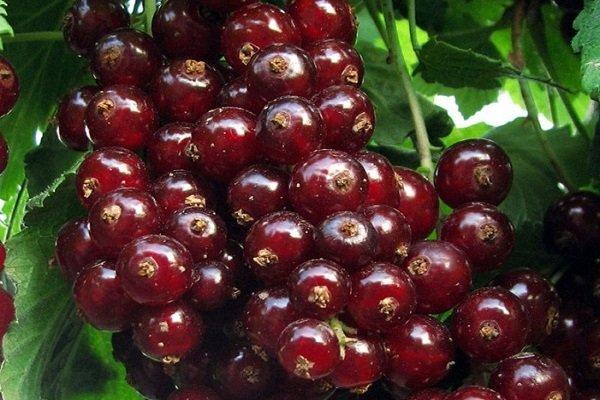
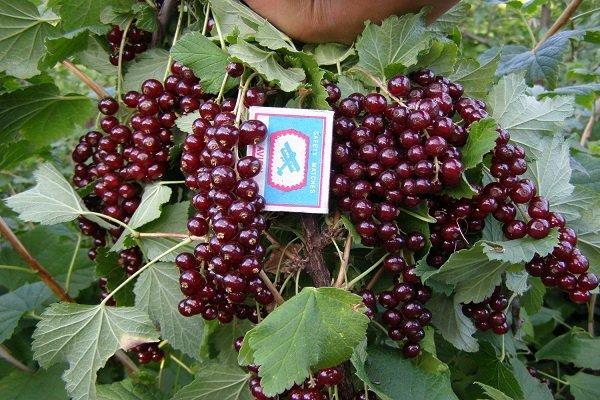
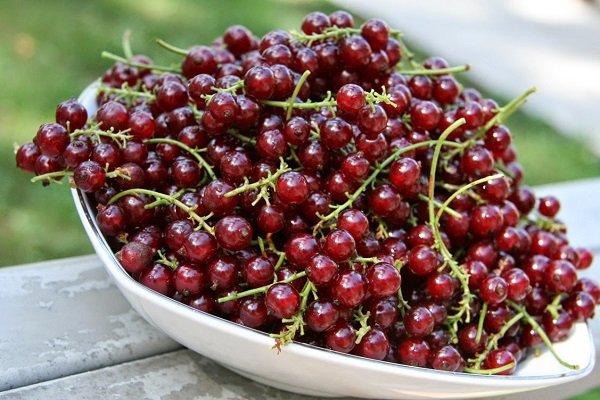
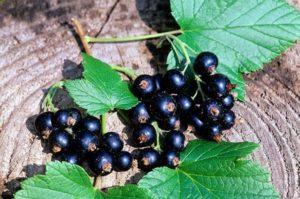
The clusters reach 15 centimeters and are cylindrical in shape. The berries are medium-sized and weigh 0.8 grams. They have a sweet and sour taste.
Productivity and scope of application of berries
This variety is considered high-yielding. It begins bearing fruit 2-3 years after planting. If planted early in the fall, a small summer harvest of 2-3 kilograms of currants can be obtained.
The most abundant harvest is achieved after 5-6 years. With proper care, currants can produce up to 10 kilograms of juicy fruit. The average yield is 5-7 kilograms.
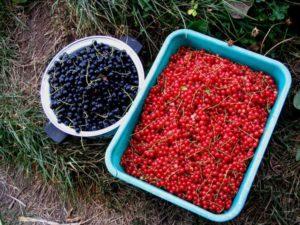
Currants are considered a versatile fruit. They can be frozen, eaten fresh, or processed. Thanks to their high pectin content, the fruits are used to make kissels, jellies, and jams. The white variety produces a delicious wine.
Resistance to diseases and pests
The plant may be susceptible to powdery mildew or septoria leaf spot. However, it is resistant to anthracnose. Among pests, the crop suffers from attacks by gall aphids, glassworms, and sawflies.
Drought and frost resistance
The plant is considered frost-hardy. It can withstand temperatures as low as -34 degrees Celsius.
The culture is moisture-loving.
In dry weather, it should be watered. However, the plant does not tolerate excessively wet soil.
Varieties of the variety
This currant has 2 main varieties, which are related to the color of the fruit.
Cherry
Currants are characterized by their dark red fruits, which is why they are often called pomegranates.
White-fruited
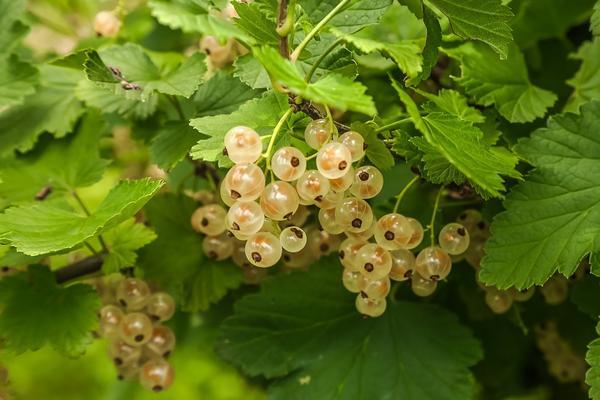
The white variety produces white-yellow berries.
Pros and cons of culture
This variety of currant has a number of advantages:
- frost resistance;
- resistance to drought and sudden temperature fluctuations;
- stable yield;
- anthracnose resistance;
- excellent taste of fruits;
- good commercial quality of berries;
- the possibility of berries remaining on the bush for a long time.
However, the Vixne variety also has certain disadvantages:
- risk of gall aphid infestation;
- the possibility of freezing of fruit buds;
- the likelihood of small and sour berries appearing due to insufficient watering;
- short shelf life of fresh fruits.
Planting and care features
If planting is carried out correctly and agricultural practices are strictly followed, a good harvest can be obtained.
Growing conditions requirements
The plant thrives in open, well-lit areas. It also thrives in partial shade. Currants are considered moisture-loving plants, but they don't tolerate stagnant water well. Therefore, drainage must be provided when planting.
The plant thrives in loamy and sandy loam soils. The optimal pH is 6-6.5. Avoid planting in heavy soils with high clay content. This will negatively impact root development and weaken them.
Site selection and preparation
A couple of months before planting, it's recommended to clear the area of roots and weeds. The soil should be dug over two spade depths. This will improve water absorption and air flow. During spring When planting currants, it is better to prepare the area in the fallIt's worth keeping in mind that you shouldn't keep a bush in one place for more than 15 years.
Take a look Also
Planting dates and process
The best time to plant currants is early fall—late September or early October is ideal. Allow 2-3 weeks before the first frost. This will allow the seedlings time to adapt to the new conditions. The temperature during planting should be at least 6°C (43°F). The young plants will sprout in the spring, and a small harvest can be obtained in July.
Currants can also be planted in early spring. However, this should be done before the buds appear. Currants will continue to grow throughout the year, and the harvest can be harvested in the second year after planting. If frosts appear in October and there is a risk of early cold weather, planting should be postponed until spring.
Before planting the bush in the ground, it is recommended to carefully inspect it and cut off any damaged or dried parts.
To carry out planting work, you should do the following:
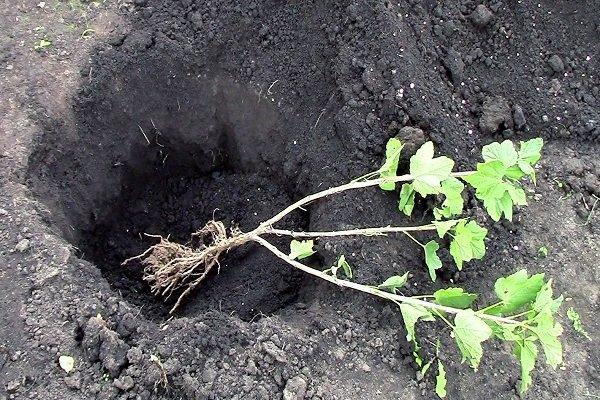
- Dig holes 40-45 centimeters deep. Leave at least 1.5 meters between bushes.
- Fill the hole 2/3 full with a special mixture. This consists of 2 parts compost, 1 part humus, 60 grams of potassium fertilizer, and 250 grams of superphosphate.
- Pour 5 liters of water into the hole.
- Spread the roots and plant the bush into the hole at a 45-degree angle.
- Cover the bush with soil. The root collar should be buried 6 centimeters deep.
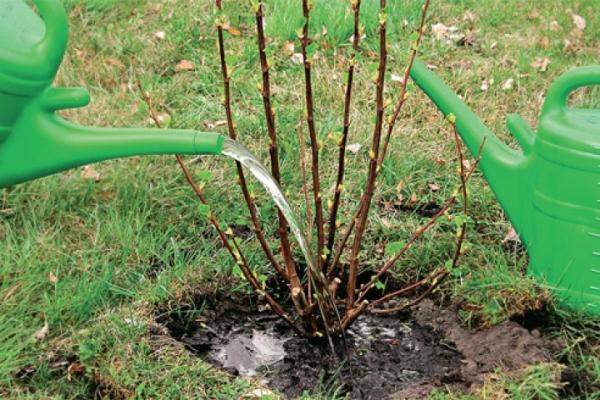
- Lightly tamp down the soil and water it.
- Trim the shoots. Each shoot should have a maximum of 4-5 buds left.
Watering
During dry weather, currants should be watered regularly. Watering is especially important during the fruiting season, which occurs in July and August. Pour one bucket of water under each bush.
It is recommended to water the plant at intervals of 10-14 days.
Caring for the tree trunk circle
When growing this currant, weeds should be removed promptly. Weeds encourage the spread of aphids and cause the soil to become clogged. The soil around the bushes should be loosened. However, this should be done carefully, as the currant's roots are shallow.
Top dressing
The plant requires timely application of fertilizers:
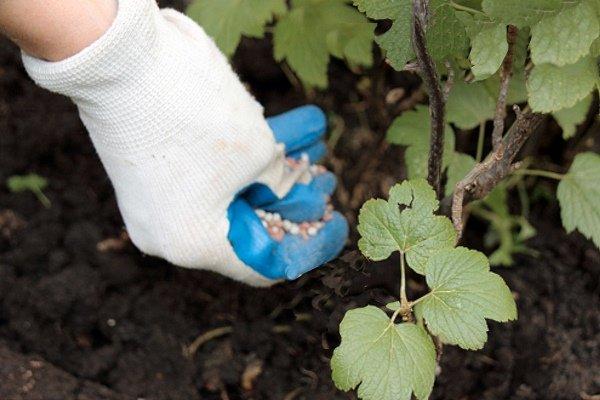
- During the growing season, nitrogen fertilizers are used. 20 grams of urea are required per bush. 30 grams of ammonium nitrate can also be used.
- Before and after flowering, apply mullein. Mix it with water at a ratio of 1:6. A solution of chicken manure at a concentration of 1:12 is also suitable.
- In autumn, after digging up the tree trunk circle, complex mineral preparations are used.
Trimming
The plant tolerates pruning well. To increase yield, remove dead branches annually. In spring, it's recommended to prune old shoots and trim new ones. They should have six buds.
Protection from winter cold
Although the variety is considered frost-hardy, young plants need protection. The soil around them should be mulched with hay or straw. If there is a lot of snow in winter, add it to the hole around the trunk.
Diseases and pests: prevention and treatment
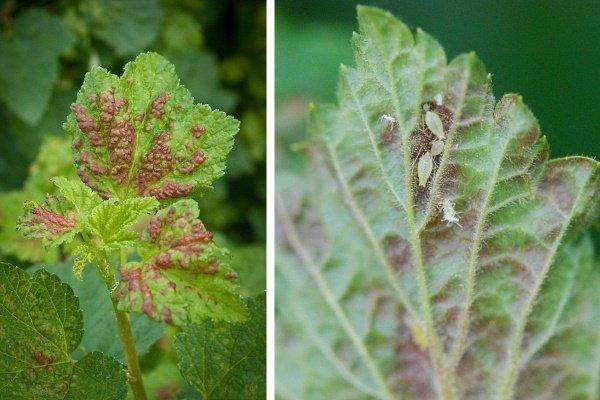
Currants are pest-resistant. However, they are susceptible to gall aphids, which cause red blisters to appear on the leaves. This can result in the death of the plant. In this case, affected leaves should be removed and burned.
The plant also suffers from a glasswing infestation. The insects chew out the center of the shoots, causing the currant bush to dry out. In this situation, the bush is removed.
The plant is resistant to anthracnose. However, it is susceptible to septoria leaf spot and cup rust. Copper-containing products can help combat these problems.
Gardeners' reviews of the variety
Numerous reviews of the plant confirm the popularity of the variety:
- Marina: "I've been growing Vixne currants for several years now. They're versatile and easy to care for. The fruits have excellent flavor. However, the plant does require preventative spraying against aphids."
- Andrey: "I planted Viksne currants a few years ago. I'm very pleased with the results. The berries have a pleasant flavor and a slightly tart taste. They're perfect for compotes and juices."
Viksne currant is a popular variety grown by many gardeners. To achieve good results and a bountiful harvest, it's important to provide the plant with proper care.
Related posts:
 Characteristics and descriptions of the 40 best red currant varieties
 The health benefits and contraindications of black currants
 The best and new varieties of black currant for growing in the Urals, planting and care
 Red currant health benefits, properties, and contraindications
 Description and characteristics of the 25 best blackcurrant varieties for Siberia
 The health benefits and contraindications of white currants
 Description of the 50 best blackcurrant varieties for different regions
 Description of the 10 best currant varieties for the Moscow region, planting and care