
- Do you need to water beets with salt water?
- Beets and salt: pros and cons
- Methodology of the procedure and its frequency
- How to dilute, in what proportions
- How to spray and water correctly
- When and how often to perform the procedure
- Mistakes when watering with salt solution
- Excessive soil salinization
- Using salt with mineral additives
- Why do beets grow unsweet?
- How to feed beets to make them sweet
Rock salt is a popular fertilizer for garden and vegetable crops. Watering and spraying beets with salt water is a popular practice among many gardeners. This method effectively improves the micronutrient composition of the soil. It significantly accelerates root growth, increases their size, and improves their flavor.
Do you need to water beets with salt water?
A good beet harvest with large, sweet roots can only grow in fertile soil containing the necessary amount of minerals. The dense soils of central Russia are often characterized by a sodium deficiency, which significantly impacts the quality of the harvest. Irrigating with salt water helps compensate for this deficiency and improve beet yields.
Plants need sodium to develop large roots, ripen them quickly, and actively accumulate sugars. By receiving sufficient amounts of the element from the soil, they have all the conditions to develop their best varietal characteristics.
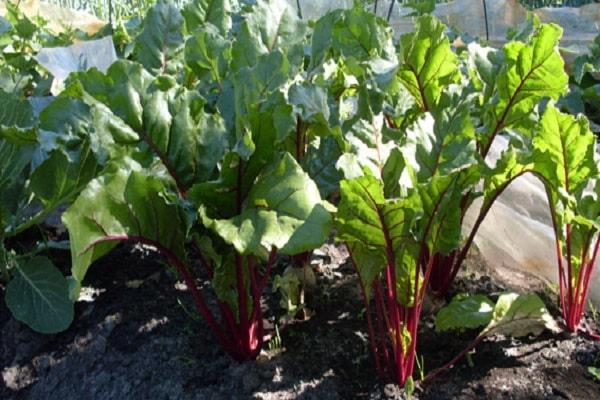
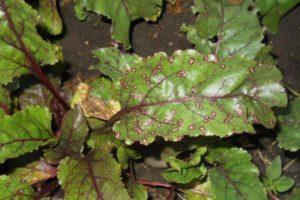
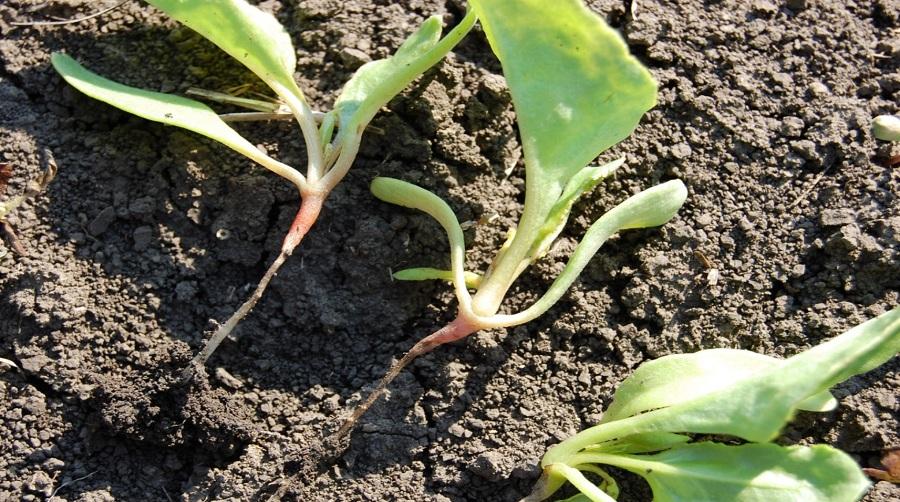
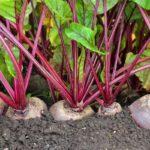
You can tell if your beets are sodium deficient by the appearance of their leaves. This is indicated by characteristic red veins. When this sign appears, you should begin regular fertilizing with a sodium chloride solution.
Watering beets with a rock salt solution isn't just for sweetness. It's also a good preventative measure against diseases and insect pests, especially the cabbage white butterfly and the summer cabbage fly.
Beets and salt: pros and cons
Watering beet crops with nutrient solutions according to a specific schedule is a good alternative to adding expensive mineral fertilizers to the soil. They are just as effective at replenishing the micronutrients needed for successful root crop development.
Besides being inexpensive, the saltwater irrigation method has another advantage. It has no side effects and is ideal for families with small children. Salt is non-phytotoxic. You can be sure that the root vegetables treated with it are environmentally friendly and will not pose any harm to human health.
However, saline treatment should not be carried out without supervision. Before beginning, it is recommended to determine the soil composition and accurately calculate the required salt concentration. Adding too much sodium to the soil will prevent a bountiful harvest. This method is not suitable for saline soils. An excess of micronutrients is just as harmful to crops as a deficiency.
Take a look Also

Methodology of the procedure and its frequency
Beets are a crop that requires proper watering. This is essential for a high-quality harvest. Regular watering should be adjusted to weather conditions. Water should be left to stand for two days to evaporate chlorine and warm the soil. Mulching is recommended to retain soil moisture. Watering should be carefully combined with salt fertilization.
To successfully use the saline solution, you should follow a number of rules:
- It's important to determine whether the plants need fertilizing. Sodium deficiency is indicated by the condition of the tops, which have small, flat leaves with a reddish tint. If there is no micronutrient deficiency, the leaves will be large and a rich green color. A soil analysis for micronutrient content and pH is the most informative.
- It is very important to prepare and apply the solution correctly so as not to harm the plants.
- Before you start watering, you should protect other nearby crops from the salt, as it can be harmful to them.
- Treatment must be carried out using protective clothing to prevent the irritating liquid from coming into contact with the skin and mucous membranes.
- Watering with regular fresh water before treatment will help protect plant roots from burns.
- To carry out the procedure, choose windless weather to avoid premature drying of the soil.
- Fertilizing is not recommended during rainy weather. Rain will reduce its effectiveness, and the procedure will have to be repeated.
How to dilute, in what proportions
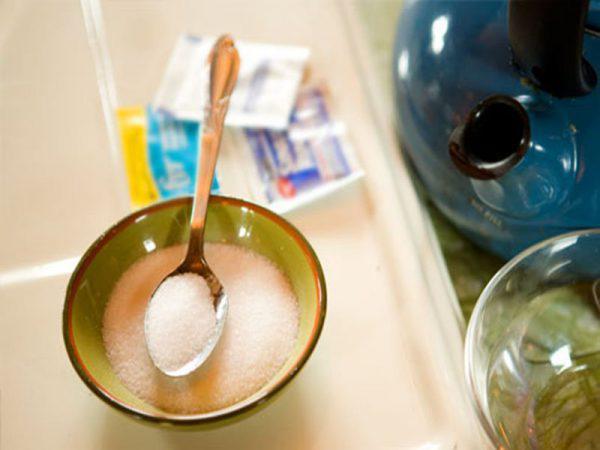
To prepare a salt solution, use rock salt. The required concentration is determined based on the condition of the foliage. If the sodium deficiency is minor, dissolve 1 teaspoon of salt in 10 liters of water to water one square meter.
If the appearance of the leaves indicates a severe sodium deficiency, then the concentration is increased: 2 teaspoons per 10 liters of water per 1 square meter.
To spray against pests, dissolve 6 grams of salt in a liter of water.
Fertilizer preparation must be done very carefully to avoid any undissolved salt crystals. Excessively high sodium chloride concentrations in the solution are also unacceptable. The procedure is as follows:
- heat a small amount of water and dissolve the required amount of salt in it;
- add the concentrate to the remaining water;
- Infuse for 10 minutes, then use as directed.
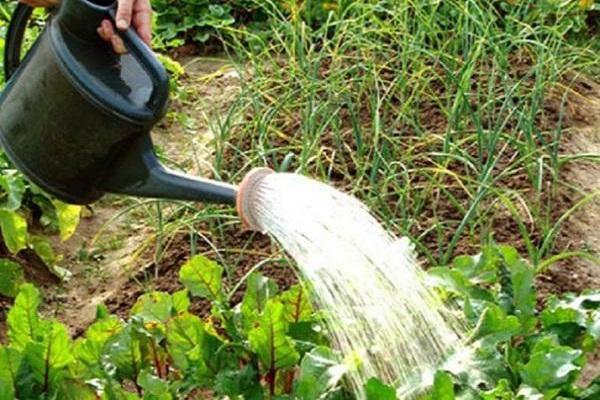
Watering is done in the usual way, and for spraying, use special sprayers, either electric or mechanical. These can be purchased at a store or made at home.
How to spray and water correctly
Fertilizing beets in the garden is carried out in three stages, as the seedlings grow and the roots develop:
- The first watering is carried out when the seedlings produce a rosette of six leaves.
- The second time, water when the tops of the root crops rise 3 centimeters above the soil level.
- The final watering is carried out two weeks later, when the root crops reach a diameter of 5-6 millimeters, adding ash and boric acid to the water in addition to rock salt.
The sodium chloride solution is poured into special grooves made 5-10 centimeters from the roots. This method helps prevent damage to the roots. To protect the roots, a preliminary rinse with clean water is also performed.
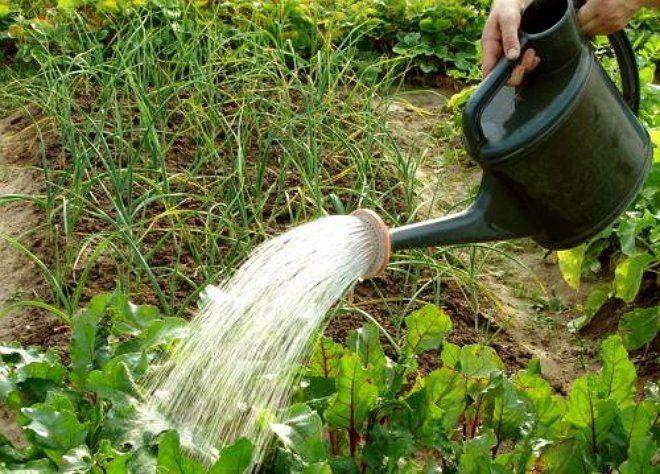
Another method of feeding is foliar feeding. This involves regularly spraying the above-ground parts of plants with a salt solution containing ash (it's recommended to also pay attention to the undersides of the leaves). This also helps prevent diseases and protects against insect attacks.
When and how often to perform the procedure
The optimal number of saline treatments is determined based on the soil composition and the condition of the seedlings. If they are large, with bright, dense foliage, two treatments will be sufficient. If red veins have appeared on the foliage, or if the foliage is small and thin, three treatments will be necessary. The first treatment should be carried out before the roots have formed in the open ground, and the last one should be carried out a month before harvest.
Mistakes when watering with salt solution
When treating with saline solution, there are two main mistakes that significantly reduce the quality of the crop:
- excessive soil salinization;
- use of salt with added iodine and fluoride.
Excessive soil salinization
Salting is the main mistake made when using saline solutions for fertilizer. It occurs in the following cases:
- if the proportions were not observed when preparing the solution;
- if treatments were carried out too frequently;
- if the saline solution was added to soil that already contained sufficient sodium.
Excess sodium negatively impacts soil health. It becomes compacted and depleted, plants grow poorly, and remain dry when watered because water is unable to reach the roots. Sodium and chlorine in soil are quite aggressive micronutrients, gradually displacing other beneficial nutrients such as magnesium, phosphorus, and potassium.
Highly saline soil draws water from plant roots, causing them to die.
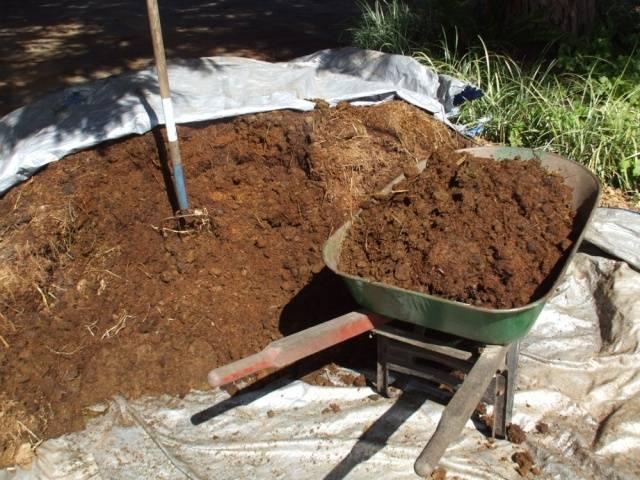
To soften dense soil, you can add organic fertilizers to it in the fall - humus, ash, rotted sawdust.

Using salt with mineral additives
Iodized and fluoridated salt should not be used for fertilizer. Such salt can cause severe burns to delicate plant tissues, leading to disease and early death.
Why do beets grow unsweet?
There are several reasons why beets may grow up bitter and tough:
- Poor-quality planting material. When purchasing seeds, only buy from reputable sellers and trusted retailers.
- Selection of low-quality root crops for seeds.
- Unsuitable soil. Beetroot plants do not thrive in marshy, waterlogged soil, nor in highly acidic soil.
- Uneven watering. To prevent crusting or soil drying out, mulching is recommended.
How to feed beets to make them sweet
The taste of beets will be higher if, in addition to sodium, other microelements are added to the soil: boron, potassium, phosphorus, and wood ash.
- To enrich with boron, take 10 grams of borax or boric acid per 10 liters of water.
- The ash is sifted and added to water at a rate of half a kilogram per liter of water, and left to stand for 24 hours. This amount is sufficient to treat 1 square meter of soil after dissolving in 10 liters of water.
- To enrich with potassium and phosphorus, use mineral fertilizers based on them, potassium chloride or potassium nitrate (1 teaspoon per 10 liters of water).
Gardeners are well aware of the method of using soda to grow beets in soil with high acidity.
Watering beets with a salt solution is an inexpensive and effective method for promoting disease resistance and improving the vegetable's flavor. This folk remedy can be successfully used on both small, hobby gardens of 600 square meters and large-scale gardens.
Related posts:
 Description of sugar beet varieties, cultivation technology and growing conditions
 How and when to properly plant beet seeds in open ground
 Growing and caring for beets in open ground: step-by-step agricultural technology
 Description and characteristics of 35 best beet varieties, planting and care rules
 Description of sodium nitrate and the chemical formula of saltpeter, rules of application
 Why beet leaves turn red and what to do
 TOP 10 recipes for delicious beetroot caviar for the winter – finger-licking good!
 Description of beetroot diseases, their control and treatment with medications and folk remedies