
- Who is the causative agent of the disease?
- Factors contributing to the defeat
- Signs and symptoms of tomato infestation
- Control measures in greenhouses and open ground
- Soil disinfection
- Strengthening the immune system
- Store-bought products for processing tomatoes
- Biological
- Chemicals
- Folk recipes
- Preventive measures
- Fusarium wilt-resistant varieties
Fusarium wilt of tomatoes is a dangerous disease that requires immediate treatment. Failure to take control measures promptly can result in complete crop loss. This fungal infection manifests itself with a number of symptoms. Treatment is carried out using various store-bought remedies and home remedies. Preventative measures can help prevent recurrence.
Who is the causative agent of the disease?
Fusarium wilt is a fungal infection caused by Fusarium fungi. The disease attacks plant blood vessels and tissues. Fungal spores can persist in the soil and on plants for long periods, making the fight against it lengthy and time-consuming.
First, the underground part of the plant begins to rot. Small roots are damaged, followed by larger root branches. As the infection progresses, the stem and leaves of the vegetable crop are affected.
Within three weeks after the fungus becomes active, you can lose your entire harvest.
Factors contributing to the defeat
The development of the disease is associated with unfavorable weather conditions, improper planting and care of the crop. The risk of contracting an infection increases under the following circumstances:
- planting infected seeds or seedlings that have not been pre-treated;
- dense plantings;
- poor lighting;
- excess moisture;
- close passage of groundwater;
- incorrect dosage of fertilizers (especially nitrogen);
- crop rotation errors.
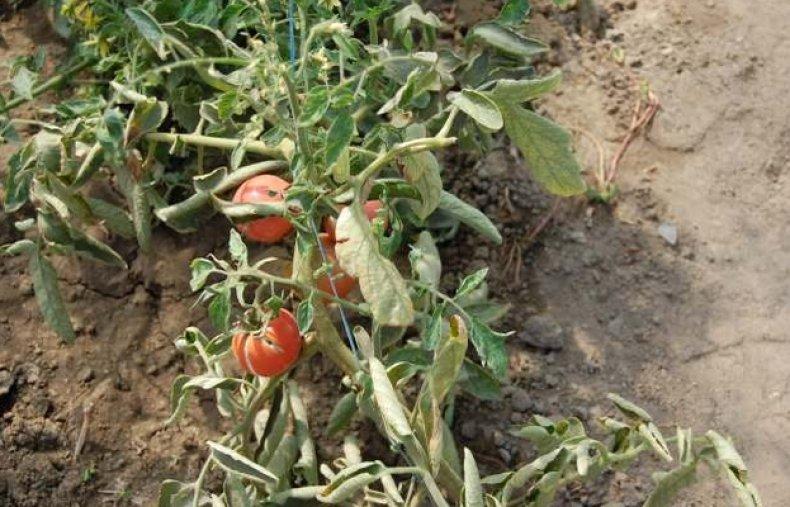
The infection often enters the plant through wounds that remain, for example, after pinching out the side shoots.
Signs and symptoms of tomato infestation
It's important to detect symptoms of the disease early. Only then can the spread of the fungus be stopped. Signs of Fusarium wilt on tomatoes include:
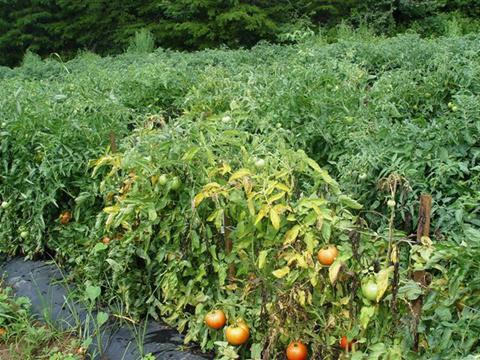
- wilting, yellowing and drying of leaves, first of the lower row, and then of the top;
- leaves curl and fall;
- the stem becomes limp and falls to the ground;
- Tomato bushes dry out completely and die.
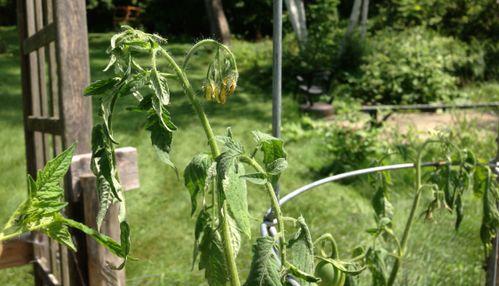
In hot weather, the pathogen spreads even faster. Many diseases are accompanied by yellowing of the leaves; to identify the disease, simply cut the stem. If the plant is infected with fusarium, brown and yellow veins will be visible on the cut.
Control measures in greenhouses and open ground
The fight against fungus is carried out in two directions:
- preventive measures aimed at creating conditions unfavorable for the development of infection;
- treatment with ready-made drugs or folk remedies.
It is very difficult to remove fungus, so you should carefully prepare your tomatoes before planting.
Soil disinfection
Before planting tomatoes in a permanent location, the soil should be disinfected:
- A liquid solution based on copper sulfate, which is poured onto the soil, will help destroy fungal spores.
- Liming the soil can help reduce the risk of infection. Dolomite flour or chalk are added for this purpose. These components reduce acidity and increase calcium content in the soil. These conditions are unfavorable for fungal growth.
- In summer, it is recommended to water the seedlings with a solution of potassium permanganate and boric acid.
- After harvesting, the area is watered with a lime or manganese solution.
- The area can be treated with a mixture of powdered sulfur and wood ash.
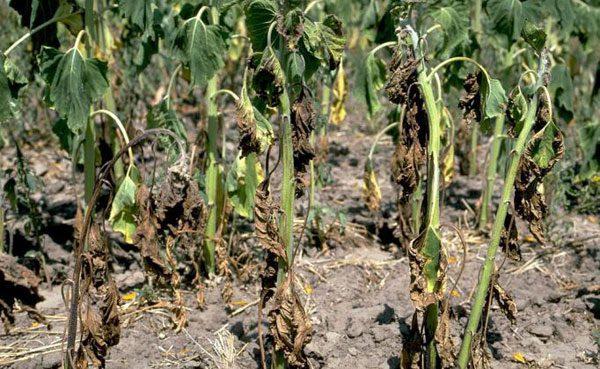
Timely soil cultivation will help stop Fusarium wilt of tomatoes for a long time.
Strengthening the immune system
To ensure that your vegetable crop has a high immunity, you should follow a number of simple steps:
- Before planting, it is better to soak the seeds in growth stimulants (they accelerate development and give strength to young shoots);
- When sowing seeds and transplanting seedlings to a new location, it is useful to use the drug "Trichodermin";
- It is important to prevent other diseases and treat them promptly if they appear;
- timely application of fertilizers helps strengthen the roots and stems;
- Nitrogen is added only at the stage of green growth; during the fruiting period, potassium and phosphorus are required.
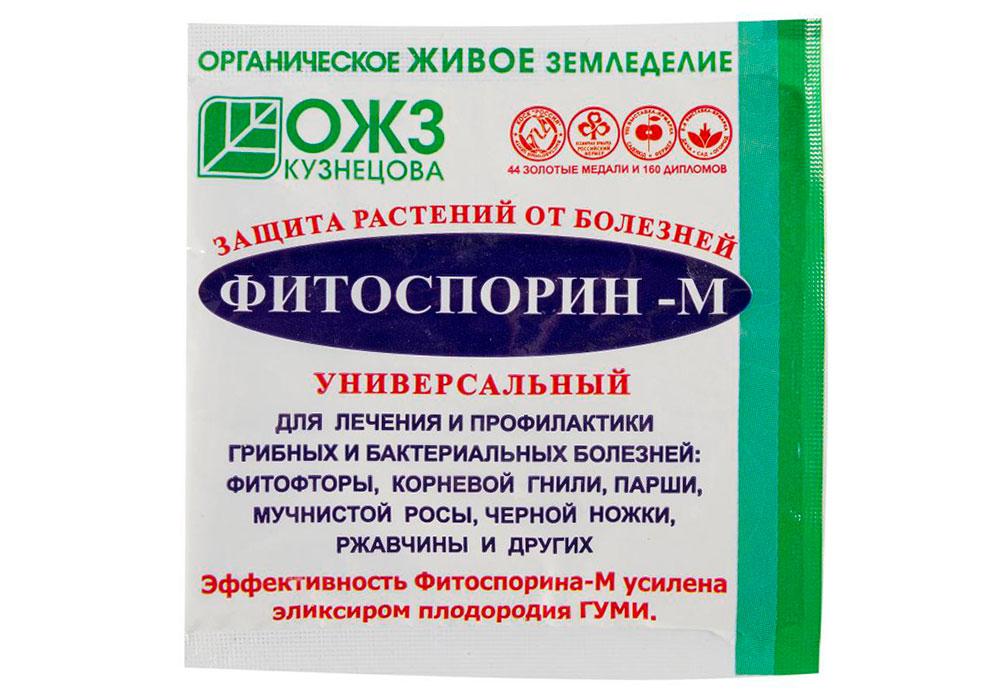
To increase the resistance of tomato crops to fusarium wilt, the preparations "Fitosporin" and "Effekton-O" are used.
Store-bought products for processing tomatoes
Various chemical and biological preparations are used against Fusarium wilt of tomatoes.
Biological
Biopreparations do not contain chemical components and are safe for the environment. They contain bacteria that actively fight fungi:
- Trichodermin is considered safe. It is used during seed and soil preparation for planting, as well as for spraying mature plants. The fruits are edible on the day of treatment.
- Planriz is an effective and safe solution that protects against many diseases. The solution is used during seed treatment, during planting, and throughout the growing season.
- At any stage of plant development, treatment with the biofungicide "Pseudobactrin-2" is permissible. It boosts immunity, improves photosynthesis, promotes plant growth, and destroys fungal spores.
- The microbiological preparation "Gliocladin" is used only during seed and soil preparation for planting. It is not used for spraying plants.
- Trichocin is considered an effective biological fungicide that, when applied to the soil or sprayed onto plants, inhibits the growth and development of fungi.
- Gamair achieves rapid results, allowing for early infection control. It is also recommended for preventative use.
- The biological preparation "Alirin-B" quickly suppresses fusarium wilt of tomatoes, reduces the content of toxins in the soil, and increases the content of valuable components in tomatoes.


When diluting the working solution, it's important to follow the recommended dosage instructions. This will ensure the best results without any side effects.
Chemicals
Chemical treatments are more effective. However, after using them, tomatoes should not be eaten for three weeks. Well-known treatments against fusarium include:
- The fungicide "Benazole" is used for therapeutic and preventative purposes. After treatment, the product's components quickly penetrate plant tissue and inhibit the progression of infection.
- "Bayleton" is considered an effective fungicide. When diluted correctly, its components are non-toxic to the plant itself.
- Fundazol begins to work within the first 24 hours after application. Its protective properties last for a week. At recommended dosages, it has no toxic effect on plants.
- The fungicide "Quadris" is designed to combat fungal diseases. It can be used in combination with other fungicides. Spraying can be carried out throughout the growing season at two-week intervals.
- "Strekar" protects plants not only from fungal but also bacterial infections. It can be used at any stage of plant development, starting with seed treatment before planting.
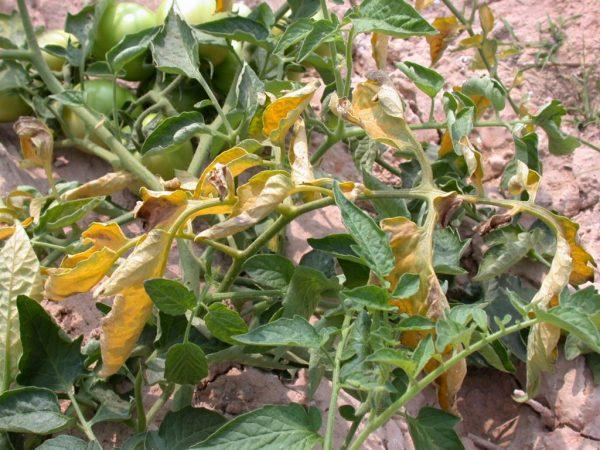
When using any of the listed products, it's important to follow the instructions. Treatment should only be carried out in dry, clear weather, preferably in the morning.
Folk recipes
Traditional recipes are based on safe ingredients that can help prevent not only fusarium but also other infections:
- It is useful to spray tomato bushes with a solution based on milk, soap and iodine.
- Spraying with garlic infusion is effective.
- An infusion of wood ash with the addition of laundry soap helps reduce the risk of developing fusarium.
- You can water the beds with a decoction of onion peels.
 Folk remedies are used as a preventative measure or in addition to commercially available medications. They cannot treat fungal infections on their own.
Take a look Also

Preventive measures
Preventing fusarium infection is easier than treating it. Therefore, it's important to follow these guidelines:
- You should not plant tomatoes in the same area more than two years (returning to the area is permissible after 4 years);
- the best predecessors are crops such as potatoes, bell peppers, and eggplants;
- for planting you should choose a well-lit area;
- It is essential to disinfect the seeds before planting; for example, you can use a solution of potassium permanganate;
- For treating planting material, preparations such as Fundazol and Benazol are used;
- The area must be dug up in the fall and spring and all plant debris and weeds must be removed.
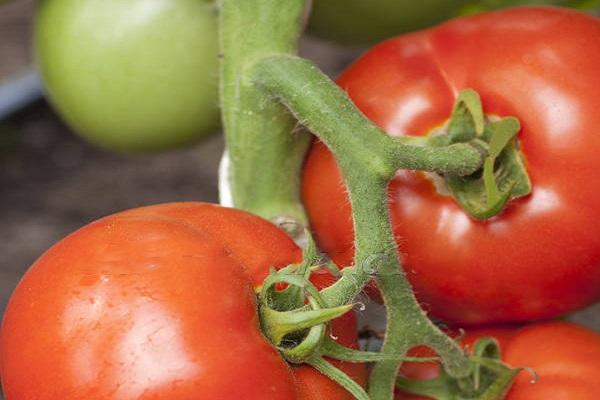
Greenhouse tomatoes require additional care:
- the room should be maintained at a suitable temperature of +23 degrees during the day and no higher than +18 degrees at night;
- the humidity level should be within 65%;
- Every year after harvesting, the top layer of soil should be replaced with new soil;
- On hot days, be sure to cover the glass with a special material.
Fusarium wilt-resistant varieties
Another way to prevent Fusarium wilt is to select a resistant variety. Tomatoes that exhibit high resistance to the fungus include:
- Raisa;
- Spartacus;
- Ural;
- De Barao;
- Rusich;
- Sun;
- Vologda;
- Malika;
- Semko.
When choosing a variety, you should pay attention not only to its ability to resist infections, but also to other characteristics.
Related posts:
 What is the best way to feed tomato seedlings to make them plump?
 What fertilizers and when to use for feeding tomatoes in a greenhouse
 What is the best way to mulch tomatoes in open ground and greenhouses?
 Treatment of Fusarium wilt of cucumbers with folk remedies and drugs
 How to control carrot flies with medications and folk remedies
 How to prepare tomato seeds for planting seedlings
 Description and characteristics of the best indeterminate tomato varieties for greenhouses
 Causes of phylloxera in grapes, control measures with drugs and folk remedies
Well, I don't know, I've never used store-bought products. Usually, when planting tomatoes, I just thoroughly till the soil, adding local fertilizers like humus or mixed manure. When they ripen, I sometimes water them with onion peels, and even more rarely, I use garlic and iodine solutions.