
Many tomato varieties are best grown from seedlings. But to ensure healthy and fruitful plants, you need to know how to harden off tomato seedlings. This process involves gradually acclimating the plants to cooler temperatures. For most varieties, hardening off is essential, as abrupt transplanting to their permanent location will cause the plants to die immediately.
What are the benefits of hardening?
Growers often overlook the need to harden off the bushes before planting them in their permanent locations when describing their varieties. Due to ignorance, novice gardeners often neglect this important procedure, resulting in the loss of some seedlings or a significant reduction in yield.
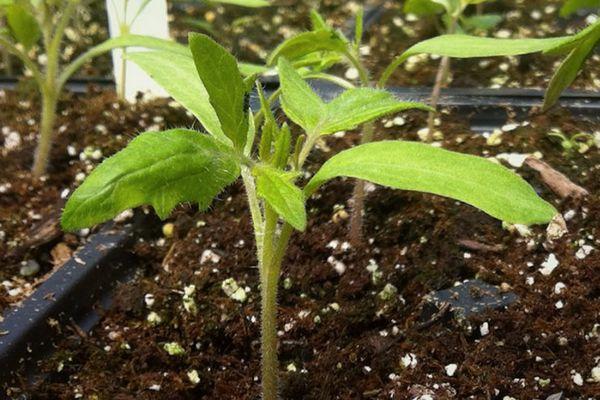
Hardening off tomato seedlings is considered an essential part of care for most varieties. This simple procedure strengthens the tomato's root system, makes the surface layer denser and more resistant to external influences, and allows it to accumulate sufficient sugars, which will positively impact the fruit's flavor in the future.
Hardened seedlings are more resilient to weather changes. Therefore, if you buy bushes at the market, choose those that show signs of hardening. These plants are more robust in appearance, well-furred, and have purple-tinted foliage. These bushes should not be too elongated.
How to harden off tomato seedlings by reducing watering?
When it comes to hardening off seedlings, it's important to remember that the process should be gradual. With the right steps, you can successfully prepare tomatoes for the challenges they face in spring and early summer. Hardened seedlings tolerate temperature fluctuations much better. Therefore, such procedures are especially useful for those varieties that are particularly sensitive to temperature changes.
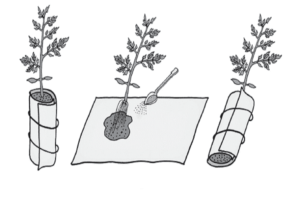
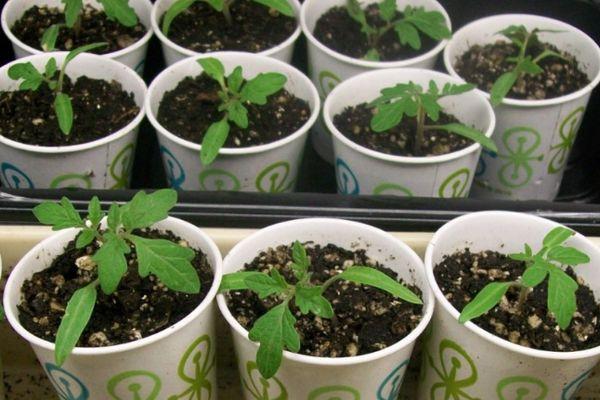 Most often, it is recommended to begin the hardening process 3 weeks before the expected transplant date.
But even before that, you can begin some procedures. For example, you can prepare for hardening using the shock method. This involves limiting watering a week before the upcoming event. The time between waterings should be gradually reduced. This will allow the plant to acclimate to possible drought.
It's worth noting that this method not only hardens the plant but also develops its root system. Roots that have to extract water from the soil will be stronger. However, care should be taken not to overdo dry periods, as they can be harmful to some tomato varieties. Tomatoes should not appear wilted when preparing for transplanting.
Tempering by temperature
This is one of the key steps necessary for a quality tomato plant. Hardening off can only be done at temperatures of at least 18°C. If the outside temperature is lower, wait. If you rush the temperature change, you could lose all your seedlings. It's also important to ensure that your tomato plants aren't exposed to wind. While the trunk and root system are still weak, they need to be protected from excessive air movement to prevent the plants from breaking.
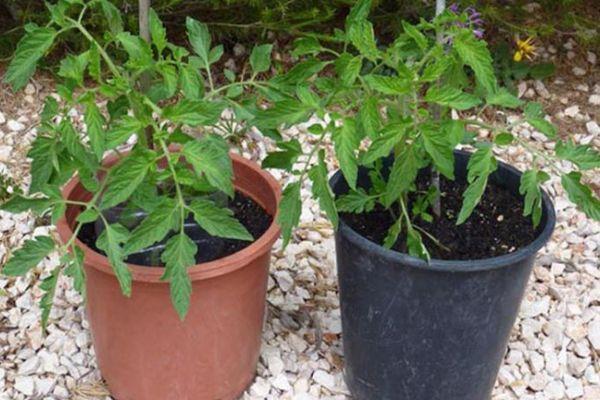
Hardening off tomato seedlings to temperature should be done gradually. Limit the exposure to 10 minutes on the first day, then increase the time. After a week, the time spent outdoors can reach 3 hours. Before planting the hardened seedlings in their permanent location, they should be left outside in their pots for a couple of days.
This will allow the bushes to fully adapt to weather conditions and the transplant will not be such a shock.
It's important to remember that sudden temperature changes can be very stressful for tomato seedlings. Therefore, don't be surprised if the plants' appearance changes slightly. Typically, they lose some of their greenery, and their upward growth slows. However, their root system also becomes more developed.
Take a look Also

Hardening by the sun
After the seedlings have been hardened off by a short dry period, they can be given a sun test. This will be stressful for plants that have been growing comfortably in the shade, so it's important to proceed with caution.
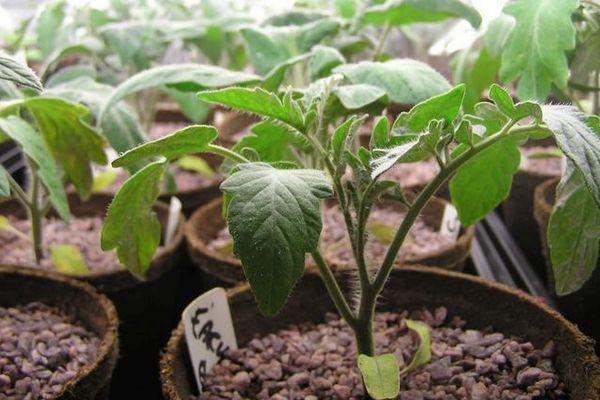
Experts recommend starting with evening or morning hours. Avoid exposing tomato seedlings to the sun at midday, as this will be detrimental to the plants. Initially, keeping the plants outside for 20 minutes is sufficient. Gradually increase the hardening time.
This process is important for the plant because it allows tomatoes to adapt more quickly after being transplanted to their permanent location. The bushes will likely lose some foliage, but this will be minor. If the plant hasn't been hardened by the sun, it will immediately become sunburned after transplanting, and its leaves will begin to fall off rapidly.
How to harden tomato seedlings at home?
Time-conscious gardeners can avoid the hassle of moving potted seedlings from one place to another. If you live in an apartment with a loggia or balcony, you can leave your tomatoes there and simply open the windows for a while to harden them off.
This will be similar to the hardening process carried out in the garden. However, experienced specialists recommend not limiting the planting to the balcony alone, as the seedlings may not receive enough sun and coolness there. For more thorough hardening, move the tomatoes to the garden three days before planting them in their permanent location. Only then can the transplanting process begin.
Hardening off can also be done in a greenhouse. To do this, leave the seedlings where they are, not outdoors, and simply open the doors and windows. However, it's important to remember that this method only hardens plants with temperature, not with sunlight.
Hardening of seeds
This procedure is recommended for those cases where Tomatoes are planned to be grown without seedlings method. Before sowing, seeds can be hardened, which will make them more resilient.

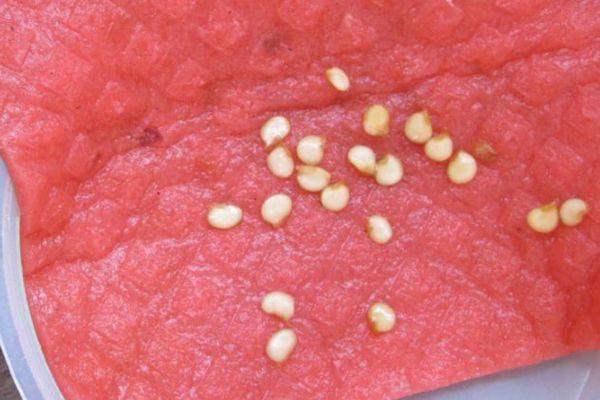
To do this, take a piece of paper, place it on the bottom of the container, and moisten it with water. Next, scatter the tomato seeds and cover with a layer of damp paper. Place the entire container on a windowsill for 24 hours, then refrigerate for 24 hours. Repeat this cycle three times.
Next, the seeds can be sown in the garden. After this procedure, they should produce higher-quality and more productive plants. Hardened seeds allow you to grow plants that better withstand the vagaries of weather and produce a very good harvest.
Related posts:
 Is it possible to grow an apricot tree from a seed in your garden? How to plant and care for it?
 How to properly grow a peach tree from a seed at home, planting and care
 The best grape varieties for growing in the Urals, planting and care rules in summer
 Descriptions of the 20 best cherry varieties for the Moscow region, their planting and care
 How and whether it is possible to graft an apricot, the choice of rootstock, timing and methods of budding
 How to prune grapes step by step for beginners
 Is it possible to plant carrots in July or at the end of June? What are the best days and care instructions?
 Methods for planting and propagating cherries at home
I believe hardening off seedlings is absolutely essential. This procedure makes them more resilient to temperature fluctuations. It's also necessary to use bioactivators; I buy BioGrow.