
- Hydrogen peroxide: composition and properties
- How is it useful for the plant?
- Advantages and disadvantages of using a solution
- Scope of application
- For soil disinfection
- Seed treatment
- Seedling treatment
- Spraying mature bushes
- Fighting diseases
- Technology and timing of tomato processing
- For disinfection and stimulation of seeds
- Soil treatment before planting seedlings
- For root hygiene
- Fertilizer for watering and spraying
- Against late blight
- Peroxide against white spot
- For root rot
- From pests
- Safety precautions when working with the solution
- Reviews from gardeners about the use of the product
Hydrogen peroxide is used for tomato seedlings. It helps combat diseases and pests. It is also used to disinfect soil before planting and as a seed dressing to improve seed germination.
Hydrogen peroxide: composition and properties
The substance contains water and hydrogen peroxide. It also contains sodium benzoate.
Properties of hydrogen peroxide for tomatoes:
- Increases germination of planting material.
- Helps combat some diseases of nightshade crops.
- Disinfects seeds and planting substrate.
- Helps improve the composition of the soil.
- Neutralizes nitrates in the soil.
Hydrogen peroxide is an inexpensive yet highly effective remedy that should be considered by all gardeners who want a good harvest.
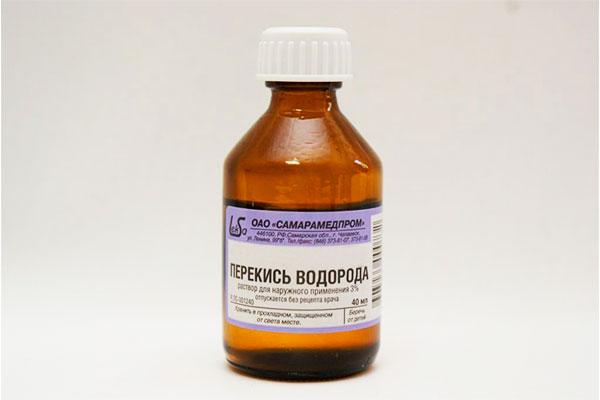
How is it useful for the plant?
When growing tomato seedlings, it's important to create the most comfortable conditions for them. Hydrogen peroxide can help with this. It disinfects the seeds and the soil in which the seedlings will grow. Furthermore, even mature plants can be sprayed with hydrogen peroxide to prevent diseases and pests. Hydrogen peroxide destroys harmful microorganisms and enriches the soil with nutrients. It's a super product that costs pennies.
Advantages and disadvantages of using a solution
Benefits of using hydrogen peroxide for tomatoes:
- The seedlings grow healthy and strong.
- The substance disinfects the soil.
- The rhizomes of the bushes receive more oxygen (even when spraying the leaves and stems).
- Germination rates increase if seeds are treated before planting.
- Prevention of diseases dangerous for tomatoes: late blight and powdery mildew.
The only disadvantage of using the substance is that if you buy an expired or low-quality product, harmful microelements will accumulate in the tomatoes.
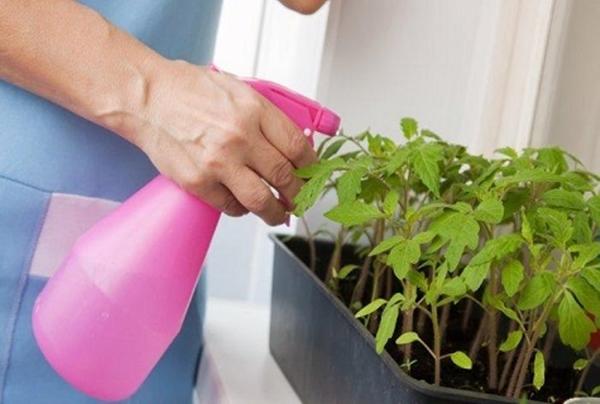
Scope of application
Hydrogen peroxide has a wide range of applications. It's used to strengthen seedlings and prevent disease. It's also used to treat existing diseases in tomato varieties.

For soil disinfection
Most fungi are found in the soil, so it's recommended to disinfect the substrate before planting. To do this, dilute 650 ml of hydrogen peroxide in 3 liters of water. Mix the solution thoroughly and water the beds a few days before planting. If you're using soil from your garden, rather than a ready-made potting mix, water it with the water solution a few days before sowing.
Seed treatment
It's recommended to treat the seedlings before sowing to increase germination. This is especially important if the seeds were collected from fruits rather than purchased. Soak the seedlings in 10% hydrogen peroxide and leave for 20 minutes. Afterward, rinse the seeds thoroughly in clean water and dry until free-flowing.
To improve germination, the seedlings are soaked in liquid for 12 hours. A 0.4% solution is used in this case. After soaking, the seeds are rinsed again in water and dried. Seeds are disinfected at an early stage. For example, after collecting tomato seeds, they are treated with a seed dressing a few days later, once they have dried. Treating them immediately before planting will not have much effect.
Seedling treatment
To ensure rapid growth, seedlings require additional stimulation. To do this, mix 3 tablespoons of peroxide with 1 liter of warm water. Water the seedlings with the resulting solution no more than once a week.
Spraying mature bushes
Mature bushes are treated if kinks or cracks appear on the stems. This will help prevent the development of diseases.
Fighting diseases
Many gardeners use peroxide to combat diseases of nightshade crops. Peroxide destroys fungi and viruses at the early stages of disease development. Plants are treated in the evening after sunset or early in the morning before the sun has appeared.
Dilute 30 ml of the product in 1 liter of water and spray the tomato beds. Spray every two weeks until the disease symptoms disappear.
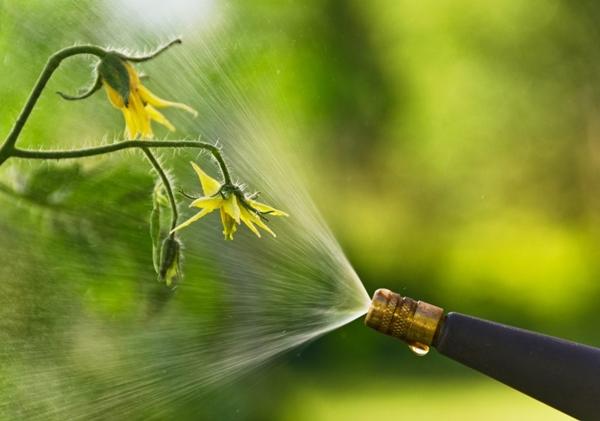
Technology and timing of tomato processing
To ensure effectiveness, the bushes are treated with a hydrogen peroxide solution at specific times during the growing season. It's also important to follow the proper spraying technique for tomatoes.
For disinfection and stimulation of seeds
If you collected the seeds yourself from the fruits, disinfect them immediately after they dry out and become loose. Store-bought seeds should be disinfected a few days before planting.
Soil treatment before planting seedlings
The soil is treated with a fertilizer several days before planting the seedlings in their permanent location. This should be done approximately 3-4 days beforehand. The soil is dug over and weeds are removed from the area beforehand.
For root hygiene
To keep the root system sterile, tomato plants are watered with a hydrogen peroxide solution several times a month. Waterings are done in the evening after sunset.
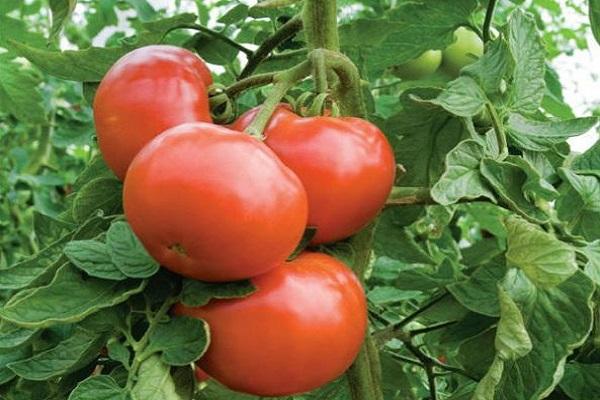
Fertilizer for watering and spraying
How to water tomatoes with hydrogen peroxide:
- 1 bottle of peroxide is diluted in 2 liters of water.
- Stir and water the tomatoes several times a month.
If using peroxide as a fertilizer, water the plants at the roots. Avoid getting it on the leaves. Use only warm water for irrigation.
Spraying should be done in the evening or morning. Avoid direct sunlight on the leaves, as water contact will cause burns.
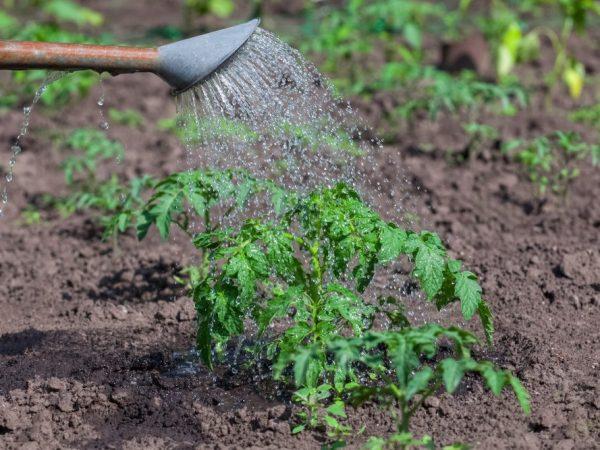
Against late blight
The first sign of late blight is black spots appearing on leaves and stems. Gradually, the leaves and stems turn completely black. Black spots also appear on the fruit, causing the flesh to rot.
At the first signs of late blight, mix 2 tablespoons of hydrogen peroxide with 1 liter of water. Spray the tomato plants with the resulting solution. Spray every 2 weeks until all signs of the disease disappear. If hydrogen peroxide doesn't help after several sprays, you'll have to resort to chemicals.
Peroxide against white spot
The appearance of white spot reduces yield. The first sign of white spot development is white spots spreading across all the bushes. Gradually, the leaves turn brown and begin to fall off. White spot is caused by high humidity.
To prevent the spread of white rot, spray the bushes with a hydrogen peroxide solution. Use 60 ml of peroxide per 3 liters of water. Use only warm water.
![When is the best time to plant tomato seedlings in [year] and the timing of sowing seeds](https://harvesthub.decorexpro.com/wp-content/uploads/2018/12/sd-329-e1521384285292-300x205.jpg)
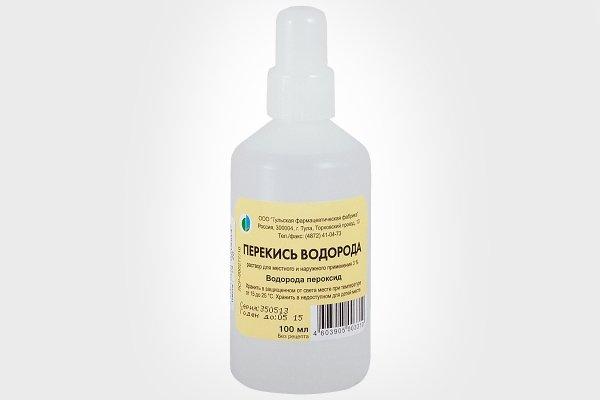
For root rot
Another disease that occurs with high humidity is root rot. It affects the root collar. Hydrogen peroxide helps in the early stages of the disease. Dilute 2 tablespoons of peroxide in 2 liters of warm water. Apply the resulting solution to both seedlings and mature plants.
From pests
A solution of hydrogen peroxide and sugar helps against aphids, spider mites, and scale insects. Dissolve 1 tablespoon of sugar in 2 liters of water and add 2 tablespoons of hydrogen peroxide. Spray the beds once a week.
To prevent pests, spray tomato beds twice a month. This won't prevent an insect epidemic, but it can prevent a small population of insects. Also, spray the seedlings with a hydrogen peroxide solution before planting them in the soil. Insects prefer to overwinter in the soil, and this will kill the pest larvae.
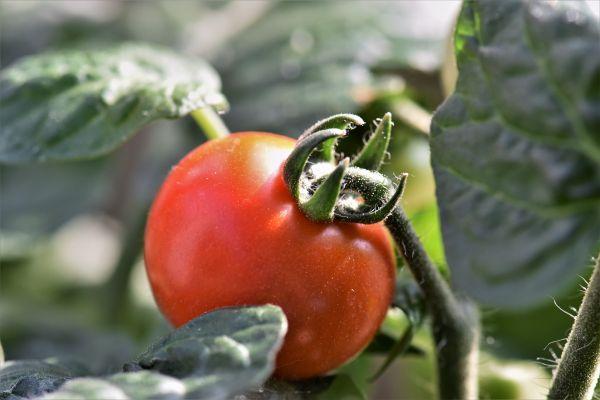
Safety precautions when working with the solution
Hydrogen peroxide is safe for humans. It's not necessary to use protective equipment when spraying beds or seedlings. The main thing is to avoid getting the solution in your eyes. Therefore, it's not recommended to spray during windy weather.
Reviews from gardeners about the use of the product
Konstantin, 54: "I used to struggle with late blight. Every year, my tomatoes would get sick and die. Until I learned that you can spray tomatoes with hydrogen peroxide. I started treating the seedlings right away. Then I started treating the bushes several times a month. After the late blight treatment, the bushes never got sick."
Alena, 25: "The seedlings started to develop root rot. I didn't want to use chemicals. So I decided to use hydrogen peroxide. After a few sprays, the root rot cleared up."
Related posts:
 Using hydrogen peroxide to treat and spray cucumbers
 The use of hydrogen peroxide for plants, its effects and processing rules
 How to prepare a hydrogen peroxide solution for soaking cucumber seeds before planting
 What is the best way to feed tomato seedlings to make them plump?
 How to propagate and grow peas, cultivation technology, and care in open ground
 What fertilizers and when to use for feeding tomatoes in a greenhouse
 How to prepare tomato seeds for planting seedlings
 The best grape varieties for growing in the Urals, planting and care rules in summer