
- Description and characteristics of the tomato tree
- Advantages and disadvantages
- Materials needed for growing
- Varieties of tomato trees
- Features of cultivation
- Preparing seeds and soil
- Planting seeds for seedlings
- Selecting and preparing a site for transplantation
- Transplanting seedlings into open ground
- Peculiarities of planting at home
- Specifics of growing in a greenhouse
- Rules for caring for a tomato tree
- Working with soil
- Fertilization
- Watering
- Pinching out stepsons
- Protection from diseases and pests
- Collection and storage
- Reviews from experienced gardeners
- Conclusion
Some gardeners prefer to plant tomato trees in their plots, which are known for their good yield and large fruit. There are many varieties of these trees, but tall hybrid tomato varieties are most commonly planted. Before planting this vegetable, it's important to understand its distinctive characteristics and growing recommendations.
Description and characteristics of the tomato tree
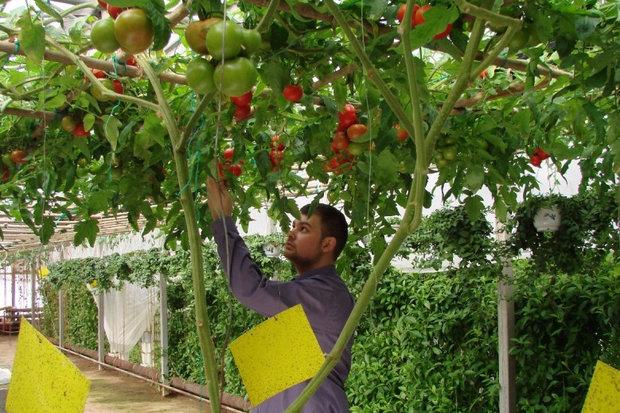
To learn more about the characteristics of a tomato tree, you should study its description. These trees are classified as indeterminate plants, growing up to 2-3 meters in height. During the first two months after planting, the seedlings do not bear fruit, as they need time to produce fruit. Many gardeners pinch off side shoots from young trees they've planted, but this is not recommended. Often, early pinching of side shoots negatively affects the growth of bushes and even leads to their death.
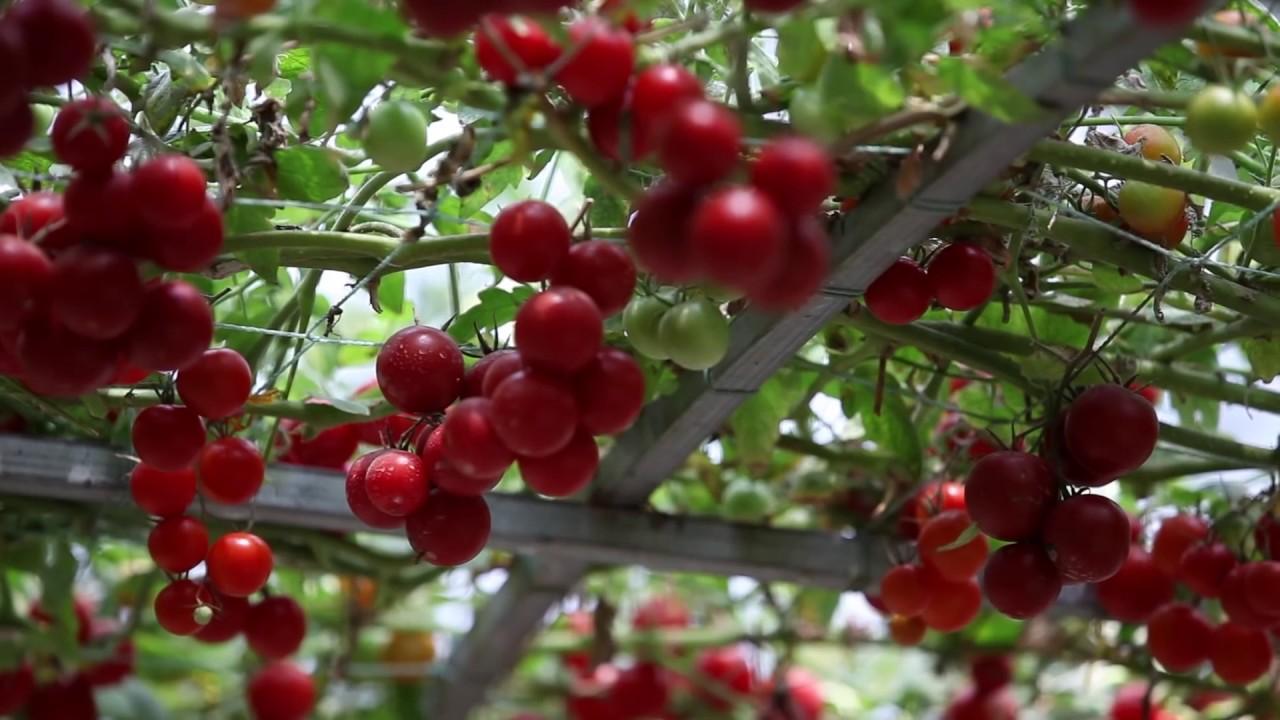
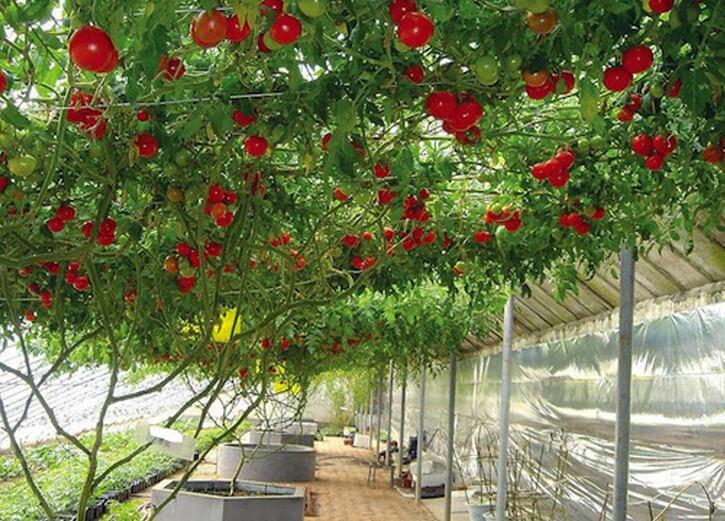
The main feature of tomato trees is that during growth they form many branching shoots.
This feature allows planted bushes to grow over tens of square meters.
Each plant cluster produces several fruits weighing over two hundred grams. They are round in shape and bright red in color. Their peel is reliably protected from cracking, allowing the harvested fruit to be stored for a long time.
Advantages and disadvantages
Tomato trees are popular among gardeners because they have many advantages, including:
- adaptability to high air humidity;
- strengthened immunity, which protects the plant from wilting, tobacco mosaic and late blight;
- strong root system;
- high yield;
- resistance to sudden temperature changes.
Tomato plants have very few drawbacks. The main drawback is that they take up a lot of space due to their growth. Therefore, vegetable growers rarely plant them in small greenhouses or hothouses.

Materials needed for growing
It's recommended to figure out in advance what materials need to be prepared before planting. For planting tomatoes, prepare the following in advance:
- Seeds. Experts recommend planting the tallest varieties in the plot, as they produce the best fruit.
- Products used to create fertilizer mixtures. Gardeners most often use "Baikal M1."
- Polyethylene film for covering crops. This material is used in northern regions, where without additional cover, seedlings can be killed by severe frosts. In southern regions, polyethylene film can be omitted.
- An iron barrel with a cut-out bottom. Tomato plants are traditionally grown in metal containers rather than in regular planting holes. Holes are made in the bottom to allow additional moisture and oxygen to enter.
- Pump. This device is used to improve oxygen supply to the roots. When setting up a ventilation system, a hose connected to an air pump is passed through the bottom of the container.
Varieties of tomato trees
There are several popular varieties of tomato trees, the characteristics of which should be familiarized with:
- Miracle Tree F1. A popular tall variety, it attracts many gardeners with its resistance to common diseases and high yield. Miracle Tree seedlings grow up to two and a half meters in optimal conditions. The fruit is quite large, weighing approximately 270-280 grams.
- Japanese tomato tree. This is another common variety of tomato tree. This variety tolerates low temperatures, making it suitable for gardeners in northern regions. Its distinctive features include the vibrant orange color of its fruits. Its advantages include the pleasant taste of the ripe harvest and resistance to cracking.
- Italian tree. Many gardeners consider it a greenhouse variety, as it doesn't tolerate frost well and can die from low temperatures. Italian tree grows up to three meters tall, so it is tied to special supports. When growing, the tree is trained into two stems to increase yield.
Features of cultivation
Every gardener planning to plant a tomato tree should study its cultivation techniques. This will help ensure the trees grow properly.
Preparing seeds and soil
To improve germination, the seeds are preheated. To do this, heat all tomato seeds in an oven at 50 degrees Celsius for 1-2 hours. To speed up the process, the temperature can be raised to 60-65 degrees Celsius.
Take a look Also
The soil mixture into which the seeds will be planted is also prepared in advance. To make the soil more fertile, it is mixed with peat, sand, and superphosphate fertilizer.
Planting seeds for seedlings
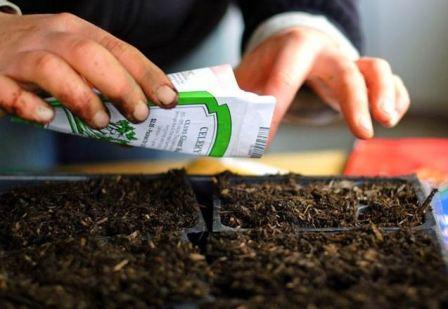
Seeds for growing seedlings are planted in peat pots. Before planting, the pots are filled with the prepared soil mixture, after which holes are made in the soil. One to two seeds are planted in each hole.
Selecting and preparing a site for transplantation
Before transplanting the grown seedlings, you need to prepare the barrels they will be planted in. To do this, cut out the bottom of each barrel and fill it with soil mixed with fertilizer.
Transplanting seedlings into open ground
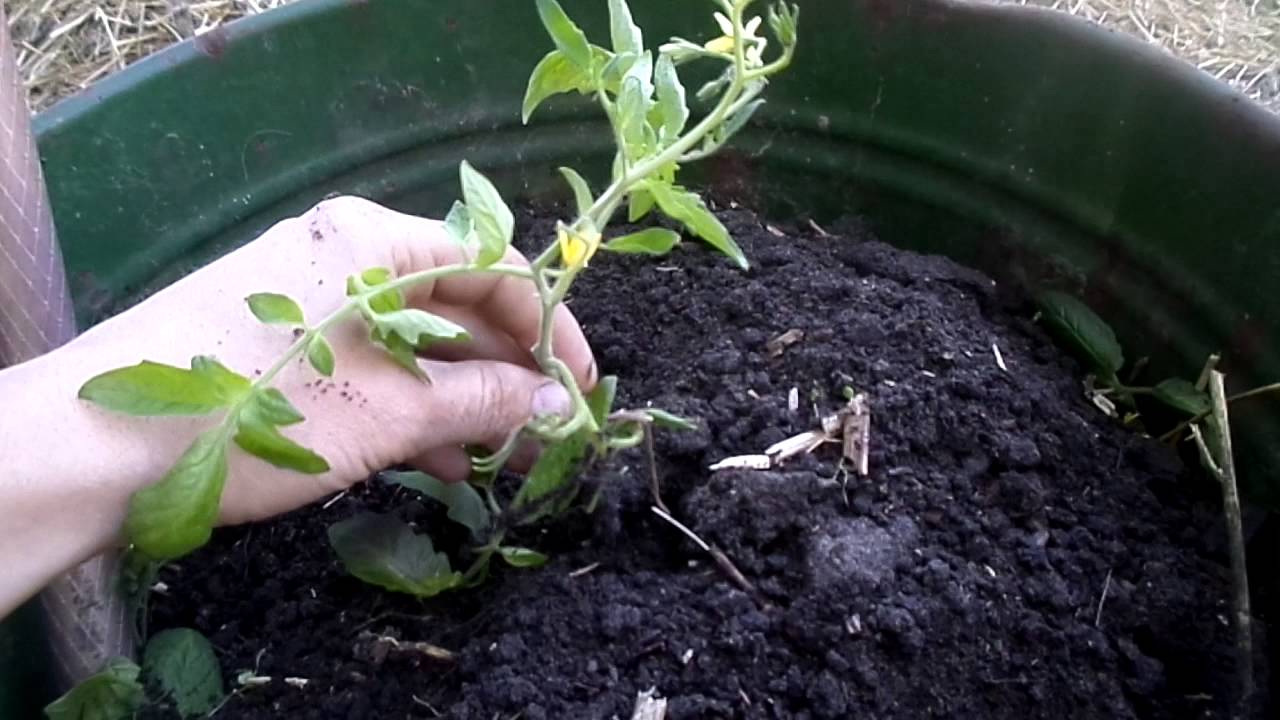
Experienced gardeners advise against transplanting all seedlings, as some may fail to thrive. Therefore, only the largest seedlings with strong roots are selected for transplanting. Before planting, holes 6-9 centimeters deep are dug in prepared barrels filled with soil. The seedlings are then carefully planted in the dug holes and watered with warm water.
Peculiarities of planting at home
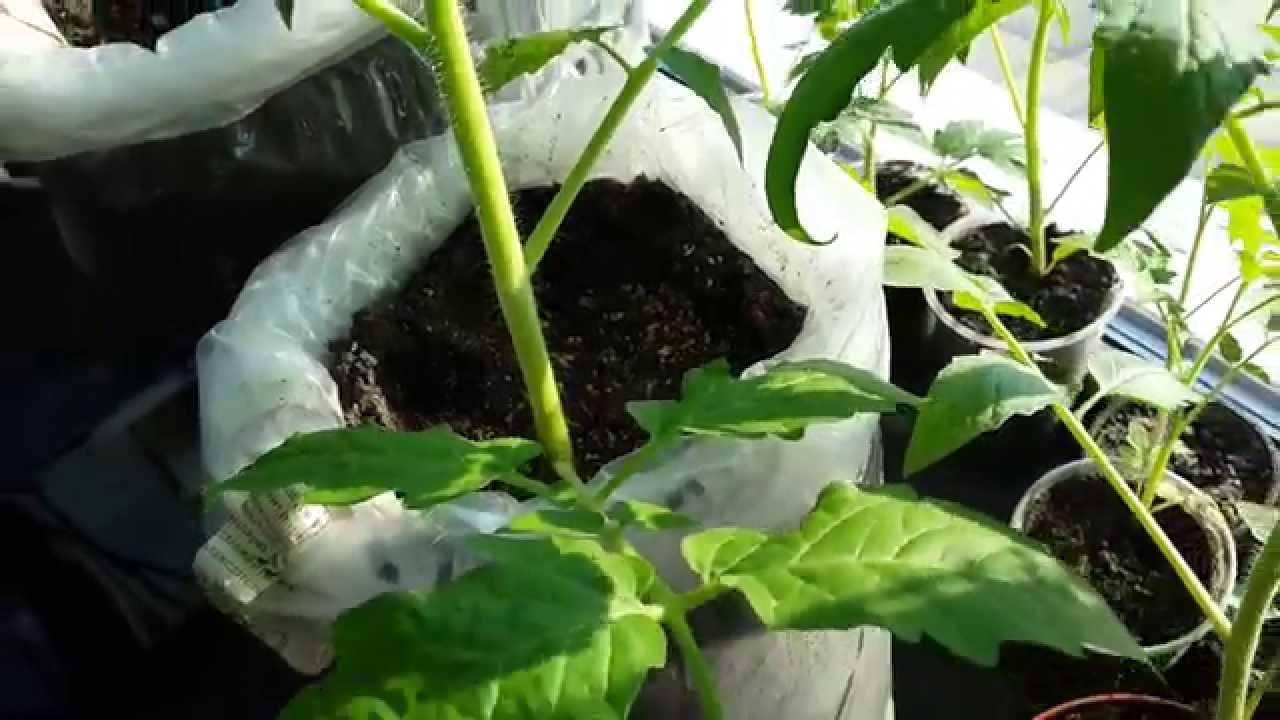
When planting tomatoes indoors, it's important to monitor weather conditions and temperatures. Avoid planting if the outside temperature is below 10 degrees Celsius (50 degrees Fahrenheit). To grow strong plants in harsh climates, you'll need to plant them in a greenhouse.
Specifics of growing in a greenhouse
When growing plants in a greenhouse, carefully monitor the indoor climate. A high-quality ventilation system is installed to ensure good air circulation. The temperature in the greenhouse is also monitored to ensure it does not fall below 5-10 degrees Celsius.
Rules for caring for a tomato tree
Any planted plant requires proper care. Therefore, anyone who plants a tomato tree should familiarize themselves with its care.
Working with soil
When caring for tomatoes, it's essential to loosen the soil to improve oxygenation and moisture absorption. Experts recommend doing this twice per season.
Fertilization
The first feeding is done in early June, when the soil contains few nutrients. The soil is fertilized with ammonium nitrate, superphosphate, mullein, and humus.
Take a look Also

Watering
Tomato plants should be watered at least four times a week, with 8-10 liters of water per plant.
Pinching out stepsons
The first side-shooting procedure is carried out 7-8 days after transplanting the seedlings. First, remove the side-shoots located at the bottom, and only then can you prune the remaining shoots.
Protection from diseases and pests
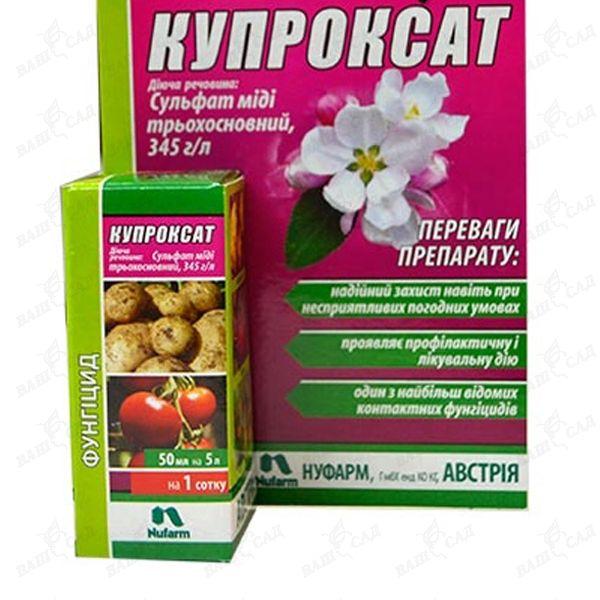
There are a number of products used to protect tomato plants from pests and diseases. The most effective include Ridomil, Acrobat, Kuproksat, and Ditan.
Collection and storage
Tomatoes are harvested once they are fully ripe. This procedure is carried out only if the temperature is above 8 degrees Celsius. Harvesting tomatoes that have been exposed to frost is contraindicated, as they will not keep well.
To store the harvested fruits, you can use a cellar or other rooms with a temperature no higher than 10-15 degrees.
Reviews from experienced gardeners
Sergey Nikolaevich: "I used to grow regular tomato varieties, but this year I decided to try planting tomato trees in barrels. I'm pleased with the results, as I've never harvested so many tomatoes before."
Antonina Ivanovna: "I've been growing Italian Tree on my plot for many years. I can confidently say it's one of the best tomato varieties. I can harvest over ten kilograms of tomatoes from a single tree."
Conclusion
Some gardeners cultivate tomato trees in their plots. Before planting these plants, it's important to understand the specifics of planting and growing them.
Related posts:
 The best eggplant varieties for growing in a polycarbonate greenhouse: planting and care
 Methods for planting and propagating cherries at home
 Rules for planting and caring for pears in open ground, how to grow them correctly
 Growing and caring for hazelnuts in open ground, rules for planting hazelnuts
 Rules for growing tomatoes in open ground, choosing a variety, planting and care
 Descriptions of the 20 best cherry varieties for the Moscow region, their planting and care
 Description and characteristics of the best seeds of pea varieties and types
 Description of the best varieties of onions, planting and care in open ground