
- How to tell if something is wrong with your seedlings: signs and symptoms
- The seeds do not germinate
- The sprouts do not shed their shells
- The seedlings are elongated and pale
- Seed germination is uneven
- Lodging of seedlings and their death
- Change in leaf color
- Causes associated with improper tomato care
- Unsuitable soil
- Watering
- Watering errors
- Receives excess nutrients
- Nutritional deficiencies
- Insufficient or excessive lighting
- Stress after tomato transplantation
- Failure to comply with picking rules
- Incorrect growing location
- What diseases and pests stop the growth of tomato seedlings?
- Diseases
- Blackleg
- Root rot
- White spot
- Pests
- Spider mite
- Woodlice
- What to do to restore growth
- Conclusion
Many gardeners grow tomato seedlings to harvest ripe, juicy tomatoes in the future. Sometimes, when growing vegetables, problems with germination arise. Therefore, it's recommended to figure out in advance why tomatoes may not germinate.
How to tell if something is wrong with your seedlings: signs and symptoms
There are several signs that indicate that something is wrong with the seedlings.
The seeds do not germinate
Most often, people who decide to grow tomatoes at home fail to germinate their seeds. This problem occurs due to the age of the seed. Therefore, it's important to ensure the seeds are not old and test their germination rate. To do this, place the seeds in a container with a growth stimulator for 5-10 minutes. Then, place them on a damp cloth and leave them to germinate until seedlings appear. Seeds that don't germinate are unsuitable for planting.
The sprouts do not shed their shells
Another common problem gardeners face is seedlings that fail to shed their seed coats. This occurs when weakened seeds are planted. The problem can also arise due to:
- surface sowing of seeds;
- drying of the seed coat.
To prevent this problem, soak the seeds periodically. This will help the young sprouts shed their seed coats.

The seedlings are elongated and pale
Problems with seedlings are indicated by their elongated shape and pale leaves. True leaves lose their vibrant green color due to insufficient light. Also, due to poor lighting, seedlings grow more slowly and stretch closer to the light source.
Experts recommend growing seedlings in well-lit rooms equipped with lamps.
Excessive fertilizing is also a factor in the growth of elongated seedlings. To solve this problem, young seedlings are transplanted into soil with lower nutrient levels.


Seed germination is uneven
There are cases where seedlings emerge unevenly. Most often, uneven emergence occurs when using poor-quality seedlings. There are other reasons for sparse tomato seedlings:
- Planting tomatoes in loamy soils. Such soils are not suitable for tomatoes, as they make it much more difficult for seedlings to germinate.
- Unfavorable conditions. Germination is impaired when vegetables are grown in conditions of high humidity and low temperatures.

Lodging of seedlings and their death
Weak seedlings often suffer from blackleg, which leads to plant death. The disease occurs when tomato seedlings are overwatered and grown in cold conditions.
To ensure better germination and prevent damage from fungal diseases, sprouted seeds should be steamed for 5-8 minutes before planting. If protection from blackleg is unsuccessful and the first signs of the disease appear on the seedlings, all infected plants should be removed from the soil and placed in a potassium permanganate solution for 15 minutes. After this, they should be replanted in pots with disinfected soil.

Change in leaf color
A common problem with seedlings that can impair their growth is leaf discoloration. This pale color indicates a nitrogen deficiency. If leaf discoloration occurs, add urea and ammonium nitrate to the soil.

Causes associated with improper tomato care
Problems with seedling germination often arise due to improper care of planted vegetables.
Unsuitable soil
Sometimes tomatoes don't grow well because they're planted in unsuitable soil. They shouldn't be planted in soil with a high nutrient content. Heavy loamy soils, which don't absorb moisture well, are also unsuitable for planting. Experienced vegetable growers recommend planting them in loosened black soil with a moderate acidity.

Watering
To ensure good germination and growth, tomatoes need proper watering. The soil should be moistened at least three times a week. During hot summer days, the plants should be watered daily to prevent the soil from drying out. Tomato seedlings should be irrigated with room-temperature water. Cold water should not be used.

Watering errors
Mistakes when watering vegetables often lead to poor germination. Here are a few common mistakes:
- Water the seedlings with a strong stream of water. Vegetable growers advise against using a hose when watering to avoid damaging the leaves and fruit.
- Spraying the leaves. When watering, be careful not to let water get on the leaves.
- Watering in hot weather. Avoid watering the soil when the air temperature is above 30 degrees Celsius. Therefore, in summer, tomatoes are watered only in the evening or early morning.


Receives excess nutrients
Tomato plants grow slowly due to an excess of nutrients in the soil. Many gardeners experience excess nitrogen, which causes the leaves to darken. Excessive sulfur levels also negatively impact vegetable growth, causing the leaves to curl and fall off.

Nutritional deficiencies
Seedlings may take a long time to emerge if they lack nutrients. If the bushes lack phosphorus, their leaves become covered with purple spots. A lack of phosphorus fertilizers also causes plants to stop growing. A calcium deficiency causes leaves to become deformed, develop yellow spots, and fall off.

Insufficient or excessive lighting
Tomato growth depends largely on the amount of light in the area where they're grown. Insufficient light slows or completely halts seedling development. Excessive light also negatively impacts the vegetables. Their leaves take on a yellowish tint, and the growth of the plants stops.
Stress after tomato transplantation
After transplanting to a new location, seedlings become weaker until they become acclimated to the new conditions. To accelerate the growth of transplanted plants, special growth stimulants are used. Sodium humate is also added to the soil, which has a positive effect on seedling development.

Failure to comply with picking rules
When picking tomato seedlings, adhere to the following rules:
- the strongest seedlings are selected for transplantation;
- before picking, add organic and mineral fertilizers to the soil;
- Before transplanting, the seedlings must be thinned out.

Incorrect growing location
Tomatoes should be planted in well-lit areas with adequate wind protection. Gardeners advise against planting tomatoes in areas previously occupied by potatoes or peppers.

What diseases and pests stop the growth of tomato seedlings?
Seedling growth may be delayed due to pests or diseases.
Diseases
There are three most dangerous diseases that cause planted tomatoes to dry out.

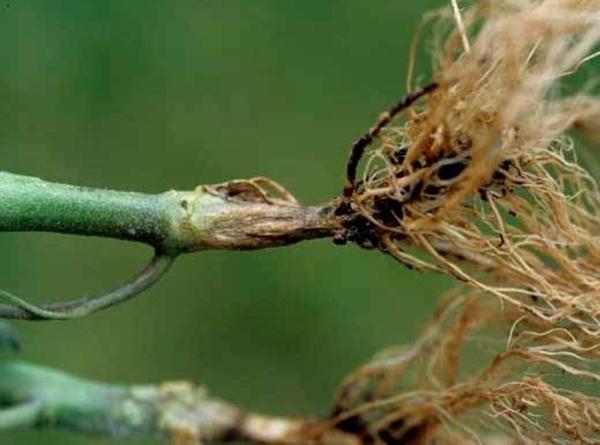
Blackleg
Blackleg is an infectious disease that is untreatable. The main symptom is darkening of the stems. Infected bushes should be immediately dug up and burned to prevent the disease from spreading to healthy ones.


Root rot
Plants grown in high humidity conditions often suffer from root rot. To treat the condition, infected seedlings are dug up and replanted. Afterward, the plants are sprayed with Fitosporin.
White spot
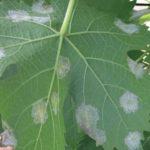
Plants affected by white spot are covered with white spots. Low temperatures and waterlogged soil are considered the main causes of the disease. Affected plants cannot be cured and must be dug up.

Pests
There are several dangerous pests that attack tomatoes.

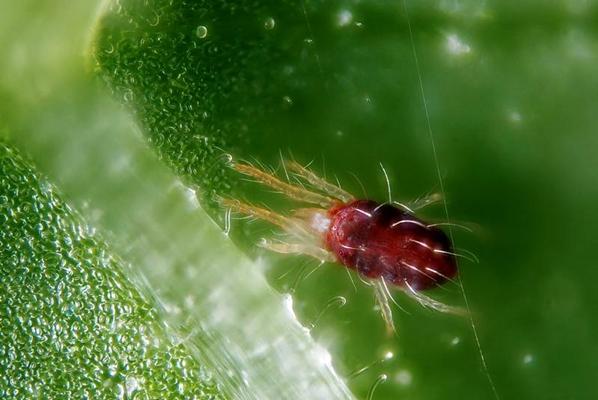
Spider mite
Spider mites attack tomato seedlings and feed on the sap of young leaves. To eliminate the pest, use a solution made from laundry soap. Apply the mixture to affected areas of the plant 2-3 times a week.
Woodlice
Overwatering can cause woodlice to appear on tomato plants, causing them to wilt. To get rid of them, treat the plants with fungicides or boric acid mixed with powdered kvass.
What to do to restore growth
People growing tomatoes for the first time don't know what to do to restore their growth. To improve the vegetable's growth, special biostimulants are used. The seedlings are treated a few days before transplanting to their permanent growing location. They are also sprayed 2-3 times a month after transplanting.
The most effective biostimulants include the following:
- Silk;
- "Kornevin";
- "Zircon";
- "Epin-Extra".

Conclusion
Tomatoes are considered the most popular vegetable, grown by almost every gardener. To ensure your tomato plants sprout quickly, it's important to understand the main causes of poor germination and effective methods for normalizing their growth.
Related posts:
 The best eggplant varieties for growing in a polycarbonate greenhouse: planting and care
 Reasons why cabbage isn't growing and what to do about it, mistakes in care
 How to prune grapes step by step for beginners
 Why tomato seedling leaves may wilt and curl, and what to do about it
 Why cucumbers bloom but don't set fruit, what to do, mistakes in care, and what to spray
 Why plum tree leaves turn yellow and fall off, and the best control measures
 How to treat grapes for mildew, the best control measures and treatment rules
 Description and characteristics of the best seeds of pea varieties and types