
- What is the essence of the method?
- Basic subtleties
- Advantages and disadvantages
- Seed preparation
- Sorting
- Germination
- Hardening
- Necessary preparations before picking
- What containers should I use for picking?
- How to make holes
- Soil mixture
- Planting instructions
- Planting seeds in a "snail" with soil
- With toilet paper
- What to consider when sowing seeds in snails, the main mistakes gardeners make
- Caring for seedlings
- Watering and fertilizing
- Picking
A blanket of snow still lies outside, but thrifty gardeners are already beginning to prepare their gardens. One crop that is especially popular among gardeners is tomatoes. Recently, gardeners began planting tomatoes in a snail-shaped pattern, a method that quickly gained many fans due to its simplicity and accessibility.
What is the essence of the method?
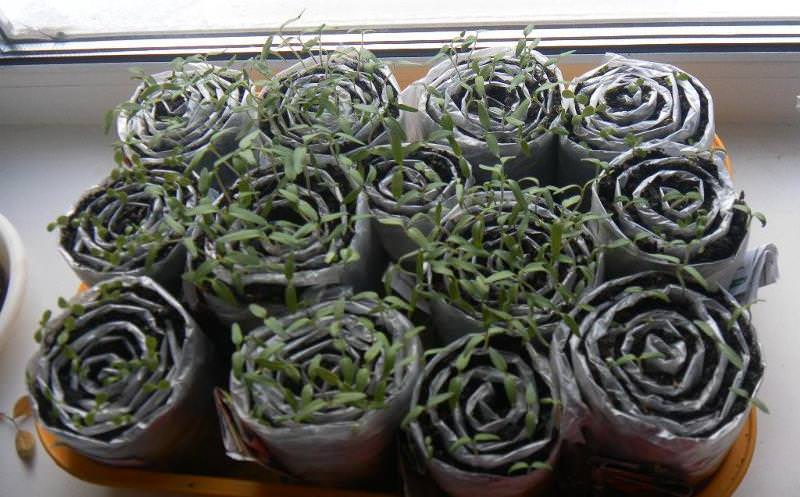
Snail seedling cultivation is accomplished using toilet paper rolled into a small roll. The method is refined each year, significantly reducing the time spent planting seeds.
Basic subtleties
Planting seedlings in toilet paper eliminates the need for picking, significantly simplifying care and preventing damage to the plants. The seedlings' root system develops without any difficulty and is completely ready for planting in the ground or a greenhouse.
You can sow both old and new varieties in a snail; even capricious hybrids feel great in paper rolls.
Advantages and disadvantages
This method has many advantages, but there are also some disadvantages that are best understood in advance. The advantages of growing tomato seedlings include:
- rapid growth and development of roots;
- equal distance between plants, which makes maintenance easier;
- ease of watering;
- Plants form on their own, and the bushes do not have the ability to stretch out much.
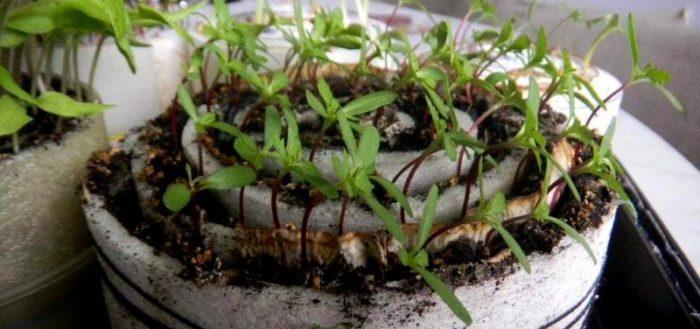
Another advantage of this technique is that it saves free space.Of the disadvantages, only one is noted: if you don’t follow the recommendations carefully, you can easily ruin the plants.
Take a look Also

Seed preparation
Preparing tomato planting material doesn't have any special requirements. The first step is warming (spreading them out on warm radiators) and sorting the seeds. It's best to remove any spoiled ones immediately.
Sorting
Before planting, sort through tomato seeds, removing any moldy or damaged ones. If you have time, soak them in warm water—damaged seeds will float to the surface.
Germination
Pre-germination will speed up seedling growth. It's best to do this in a damp cloth—plant the seeds in the container only after the sprouts have emerged. Keep the container in a warm place and moisten regularly.
Hardening
Hardening off seedlings is a necessary process. It's recommended to place tomatoes outside for just a few hours. Finishing the hardening process is simple: leave the plants outside overnight, provided there's no risk of frost.
Necessary preparations before picking
When growing tomatoes, much depends on proper transplanting. Be sure to moisten the seedlings beforehand and wait until the moisture is completely absorbed.
Prepare the containers in which the plant will be transplanted in advance, mix or purchase a ready-made substrate.
What containers should I use for picking?
For transplanting tomatoes, it's recommended to use plastic cups. Containers are only used when growing large batches of seedlings.
How to make holes
Make holes with a hot, sharp object. A nail or an awl is usually used. Avoid making the holes too large.
Soil mixture
A light substrate is suitable for growing tomatoes:
- compost;
- wood ash;
- sand.
If you don't have time to mix it, it's better to buy a ready-made soil mixture for seedlings from the store.
Planting instructions
There are several requirements that, if followed, will allow you to grow vigorous tomato seedlings without errors and quickly grow. The plants will certainly delight you with their resilience and vigorous growth.
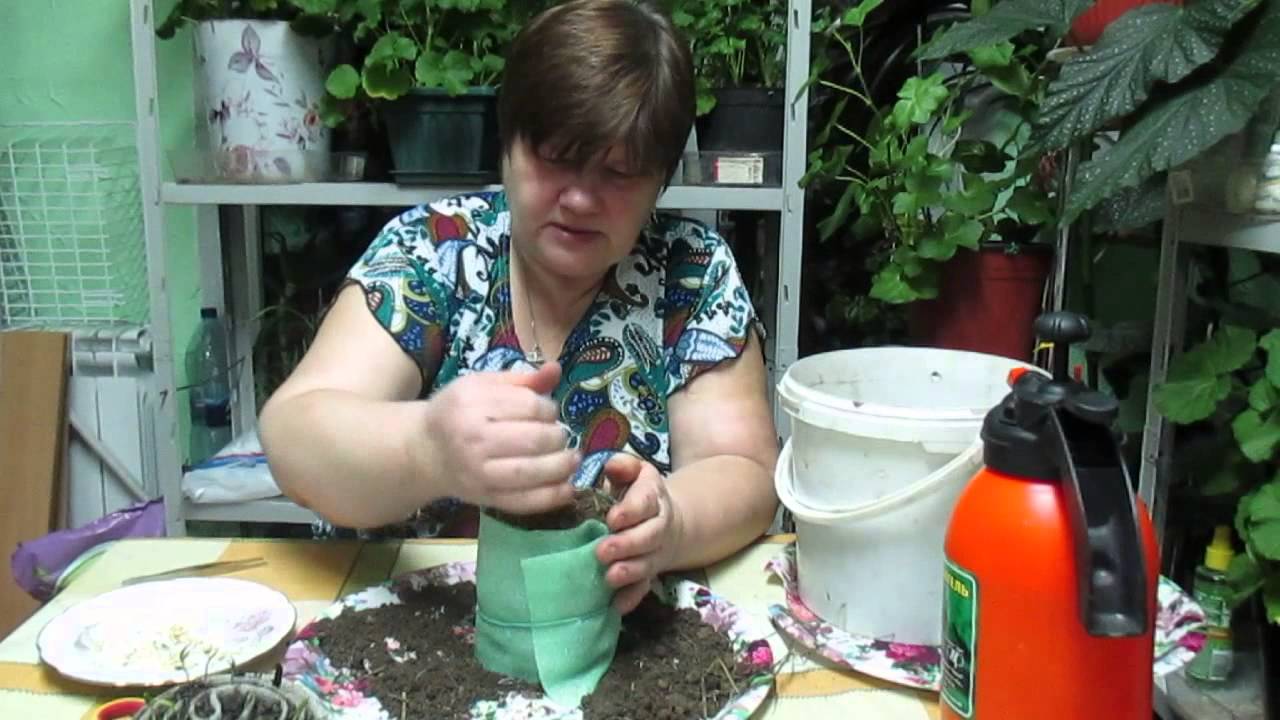
Planting seeds in a "snail" with soil
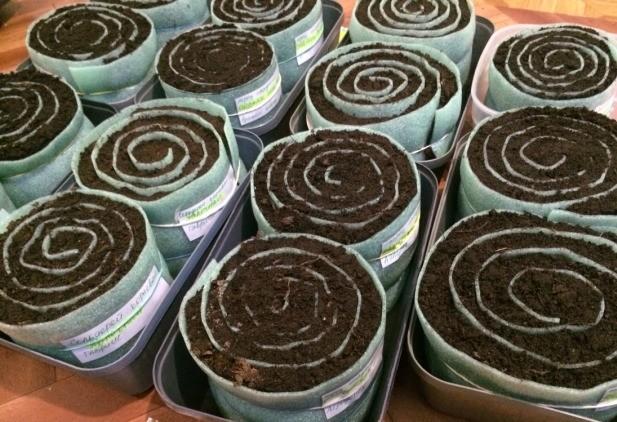
Sowing is simple: you'll need a thick substrate (usually laminate) and paper. To plant, lay out toilet paper, cover it with prepared soil in an even layer, and roll it tightly. Place the roll in the prepared container and evenly distribute the seeds around the circumference. It's best to moisten the roll beforehand to avoid washing away the planting material. Then, as usual, grow the seeds by regularly moistening the soil.
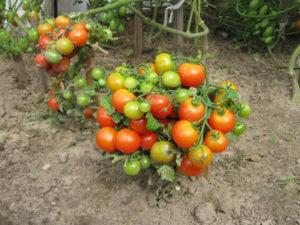
With toilet paper
It's much easier to plant the seeds directly in the soil. Here's a step-by-step guide:
- Place the paper on the backing.
- Soak toilet paper in Epin solution.
- Plant the seeds.
- Sprinkle with soil.
- Roll up the rolls.
- Place the rolls in prepared containers.
A greenhouse, which can be built using film or glass, will help speed up the emergence of sprouts.
What to consider when sowing seeds in snails, the main mistakes gardeners make
Planting tomatoes in snails is easy, but the key is to avoid potential mistakes that can kill young plants. The main mistake gardeners make is using low-quality tomato planting material. If you plant seeds that are poorly matched, you'll have to wait a long time for the seedlings to emerge.
Another common mistake gardeners make is improper watering. They usually base watering times on the soil surface. It's important to remember that a paper roll helps retain soil moisture for longer, so the plant's root system rarely suffers from water shortages. It's best to check the soil with your finger—if the surface has dried out more than a centimeter, water. Use only warm water; cold water is just as harmful to tomatoes as too much water.

Caring for seedlings
Even novice gardeners trying this method for the first time won't encounter any particular difficulties in caring for tomatoes. The key is timely watering. Fertilizing is as usual, but if you've prepared a nutrient solution with added fertilizers in advance, you can skip this step.
Watering and fertilizing
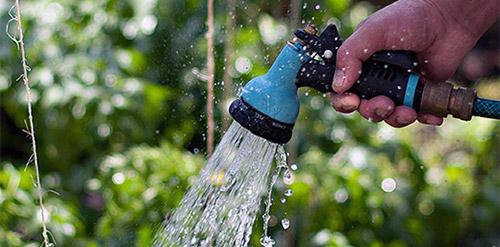
Water only with warm, settled water. Be sure to moisten all the coils of the snail, otherwise some plants will not receive the necessary moisture and may die. It's best to use a watering can with a long, thin spout. After planting the seeds, it's best to use a syringe to prevent the seedlings from being washed away. Avoid loosening the substrate, as this can easily damage the snail, which will affect the growth and development of the seedlings.
Take a look Also
Fertilize with nutrient solutions prepared from complex fertilizers. If the plants are doing well and growing well, it's recommended to limit the application to an ash infusion, which contains everything tomato seedlings need.
Picking
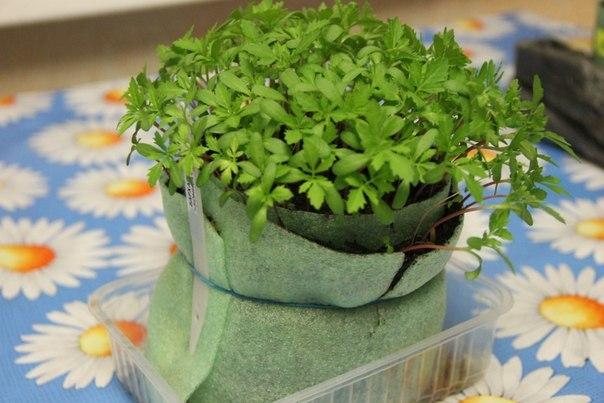
Pricking out the seedlings should begin once the tomatoes have grown well and the height of the plant exceeds 3-5 cm. Carefully remove the snail from the container, being careful not to damage the plants. Unroll the roll, removing the tomatoes one by one. Don't remove all the tomatoes from the paper at once; it's better to do this gradually, placing the plants into pre-prepared containers.
Tomatoes aren't particularly fussy crops, but improper seedling cultivation can lead to plant loss. Using a snail will easily produce vigorous young plants that will delight you with their resilience, vigorous growth, and development.
Related posts:
 What is the best way to feed tomato seedlings to make them plump?
 What fertilizers and when to use for feeding tomatoes in a greenhouse
 How to prepare soil for tomato seedlings yourself
 How to prepare tomato seeds for planting seedlings
 When and how to properly transplant tomato seedlings, the best days in 2025
 What is the best way to mulch tomatoes in open ground and greenhouses?
 Rules for growing tomatoes in open ground, choosing a variety, planting and care
 How and when to plant tomato seedlings at home