
The large-fruited pink tomato, Apricot F1, whose variety description indicates an early ripening period, is suitable for cultivation in greenhouses and open ground. The plant is distinguished by its decorative appearance and resistance to various diseases. In cooking, the fluffy fruits are used fresh and for canning.
Advantages of a hybrid
The Apricot variety is a first-generation hybrid. This pink tomato was bred by Riga agrobiologists and is listed in the State Register of Breeding Achievements.
This variety is recommended for growing under plastic covers in the temperate climate zone and in open ground in the southern regions. In the northern climate zone, Apricot tomatoes are grown in heated greenhouses. Due to its high commercial quality, this hybrid is popular among vegetable growers.
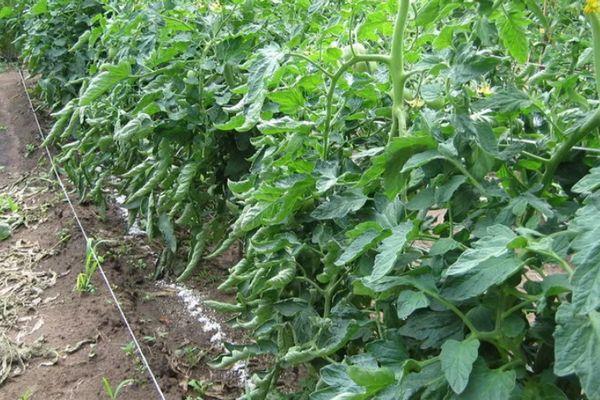
This indeterminate standard bush reaches a height of 140-180 cm during the growing season. The leaves and stems are green with a bluish tint. The bushes require shaping, additional support, or tying to a trellis.
The hybrid is distinguished by its resistance to nightshade diseases, taste, resistance to temperature fluctuations, and a long fruiting period.
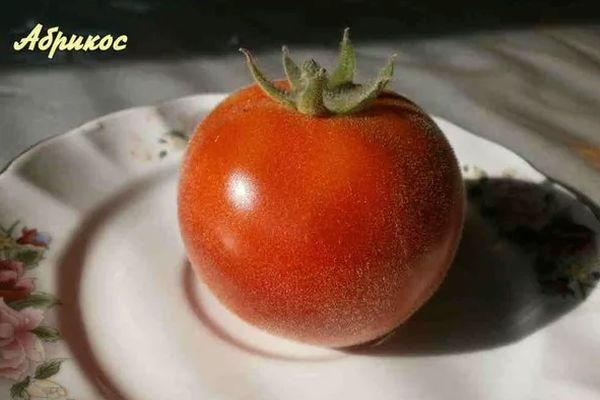
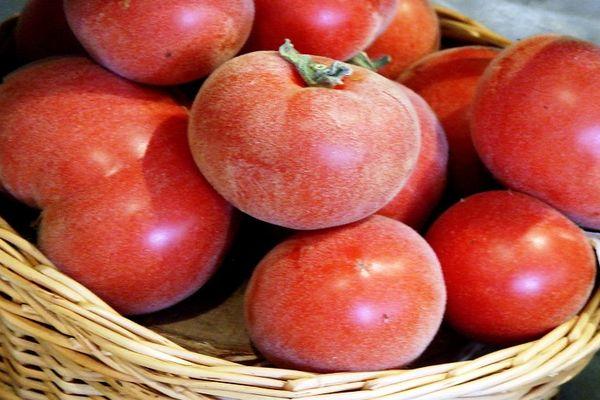
This mid-season tomato produces its first harvest 105-110 days after germination. Newly formed tomatoes are covered with whitish hairs. They resemble apricots in appearance. As they mature, the fuzz on the fruit becomes less noticeable, but does not disappear completely.

Ripe fruits turn pink or deep pink. Tomatoes have a sugary texture when cut, and the flesh is firm and firm, with a sweet taste. The fruits contain 5-6% dry matter and weigh up to 350-500 g. A horizontal cut reveals 4-5 chambers containing seeds.
With proper agricultural practices, one bush can yield 3-5 kg of fruit. At the recommended planting rate of 4 bushes per square meter, the yield is 18 kg.
The fruits are not prone to cracking during ripening. Harvested tomatoes withstand long-distance transportation well and can be stored for long periods, maintaining their flavor.

Large tomatoes are eaten fresh, used in salads, and canned in slices. The fruits are processed into juice and paste.
Tomato varieties with similar names
There are varieties of apricot tomatoes. The Summer Apricot tomato is a mid-season variety. This variety is suitable for both open field and greenhouse cultivation.
This semi-determinate bush reaches a height of 150-160 cm during the growing season and requires shaping. The plant's leaves are of the normal type. To increase yield, it is recommended to plant it in 2-3 stems.
The fruits are orange, flat, and round. The flesh is delicate in flavor and contains a small number of seeds. Each tomato weighs 400-700 g, with some weighing up to 1 kg. In cooking, tomatoes are used fresh and in salads.
The Apricot tomato variety is an early-ripening variety. The bush is determinate and reaches a height of 40 cm during the growing season. It requires staking and partial pruning.
The tomato is round in shape. When ripe, it turns yellow with an orange tint. They weigh 50-70 g.
The variety's characteristics and description indicate that it can be grown both indoors and outdoors. The crop is characterized by abundant fruiting. The tomato plant's bushes are generously covered with bright, fluffy tomatoes.
This variety is resistant to nightshade diseases. In cooking, these exotic tomatoes are used for canning and fresh consumption.
Cultivation techniques
The hybrid is grown from seedlings. Before planting the seeds, disinfect the container, which is then filled with prepared potting mix or substrate. Fine charcoal is placed at the bottom of the container for drainage.
Sow seeds 55-60 days before planting in a permanent location. To ensure uniform germination and strong seedlings, treat the seeds with an aloe vera juice solution and a growth stimulant. Place the seeds 1 cm deep and water with warm water using a spray bottle.

Cover the container with glass until the seedlings emerge. When two true leaves have formed, transplant the plants into individual containers. Peat pots can be used for this purpose, and the seedlings are then transplanted to their permanent location.
A drainage layer and a complex fertilizer containing phosphorus, boron, and potassium are placed at the bottom of the container. The pot is filled one-third with the substrate, the seedlings are placed, and topped with soil. The seedlings are watered with a calcium nitrate solution. The containers are placed on trays to improve air circulation and provide lighting. Tomatoes require 14-16 hours of daylight, so if light levels are insufficient, fluorescent lamps are recommended.
During the development and growth stages, apply complex fertilizers according to the manufacturer's recommendations. Before planting, harden off the plants for 7-10 days. Add compost and wood ash to the prepared holes and moisten with warm water.

Caring for the crop involves timely watering, hilling of plants, and loosening of the soil. To prevent weed growth, the soil is mulched with fiber and straw.
The hybrid may be susceptible to late blight when grown outdoors. To combat the disease at an early stage, special preparations are used. To prevent the disease, preventative treatments are applied to the plants.
If you're dealing with phoma, remove affected tomatoes and treat them. Specialized pesticides and folk remedies are used to combat biological pests.
Related posts:
 Description and technology of growing the Tsarsky apricot variety
 Is it possible to grow an apricot tree from a seed in your garden? How to plant and care for it?
 Planting and caring for apricots in the middle zone, description of the best varieties
 Description and characteristics of the Lel apricot, planting technology and care
 Description and cultivation of the Manchurian apricot variety
 Description and pollinators of the Saratov Rubin apricot variety, planting and care
 Description and growing guidelines for the 15 best apricot varieties for the Moscow region
 Description of the Melitopol apricot variety and cultivation technology
