
The Pink Samson f1 tomato, described as a high-yielding hybrid, is intended for greenhouse cultivation. These round, soft-skinned tomatoes with firm flesh offer a versatile flavor.
Advantages of a hybrid
The Pink Samson f1 tomato is a mid-early variety recommended for first- and second-crop cultivation in greenhouses. Ripening occurs 90-95 days after germination.
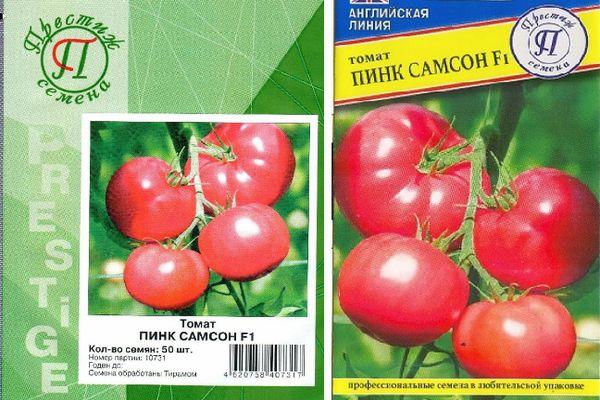
The tomato's characteristics indicate a strong root system that actively nourishes the plant even in compacted soils. During the growing season, a strong bush develops with medium-sized, intensely green leaves that droop slightly relative to the stem.
The first inflorescence appears at the 10th to 12th leaf level. Each cluster produces 5 to 8 round fruits. At technical maturity, the tomatoes are green, and when ripe, they turn pink. The average tomato weight reaches 240 to 280 g.
The hybrid is resistant to tobacco mosaic virus and bacterial spot. To increase early yield, it is recommended to restrict growth after 5-6 clusters. With this cultivation method, fruit weight reaches 320 g.
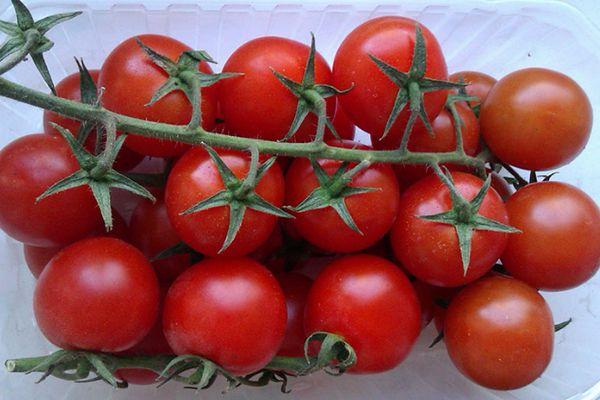
The generative nature of the Samson tomato variety determines its propensity for abundant fruiting. This type of plant produces fewer side shoots, and the branches of the bush are usually completely covered with fruit.
Agricultural technology of cultivation
The Samson tomato variety is grown from seedlings. Before planting the hybrid seeds in a container with moistened soil, they are treated with an aqueous solution of potassium permanganate and a growth stimulant. These treatments ensure uniform germination.
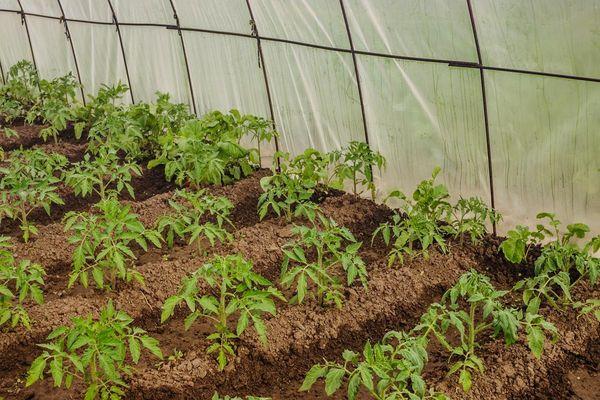
After two true leaves appear, transplant the seedlings into individual containers. Peat pots are recommended for this purpose. When transplanting to their permanent location, leave 50 cm between plants and 40 cm between rows.
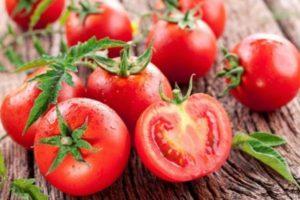
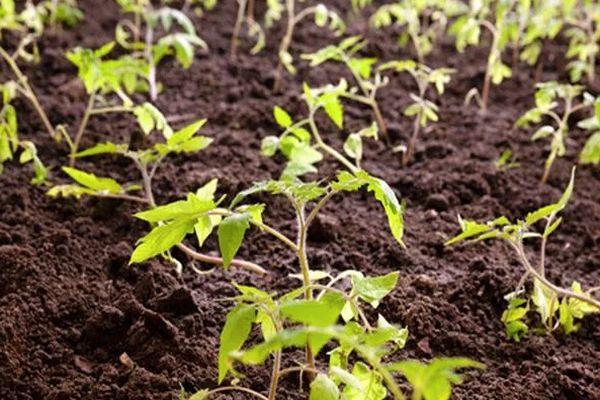
Crop rotation is important for nightshade crops. Tomato beds are planted after squash, greens, and root vegetables. When planting tomatoes, add organic fertilizer and wood ash to the hole.
The seedlings are transferred to a moistened hole, deepening the shoots to the first true leaf. The elongated seedlings are planted horizontally in the furrow, leaving the tips exposed to the light.
During fruit formation, the crop requires systematic watering and fertilizing with mineral fertilizers.
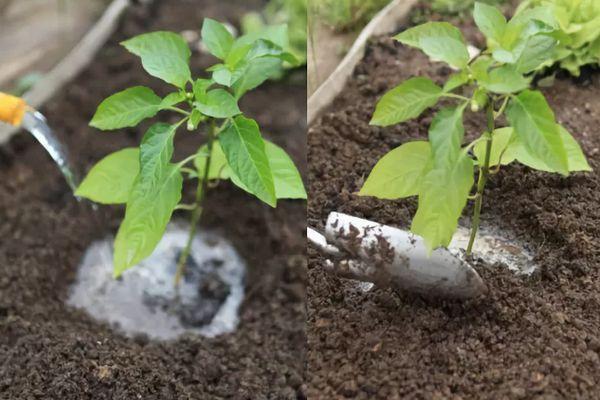
The best sources of nutrients are:
- bird droppings;
- manure;
- composts;
- wood ash;
- mixtures of organic fertilizers.
During the growing season, it is recommended to use one of the types of fertilizer.
The soil around the bushes needs to be loosened periodically to ensure a balance of moisture and air near the root system.
Opinions and recommendations from gardeners
Reviews from vegetable growers describe the variety as high-yielding, disease-resistant, and note the tomato's excellent taste.
Mikhail Emelyanov, 52 years old, Balashikha:
"I've been growing tomatoes for many years, so I often plant new varieties. Last season, I grew the Pink Samson tomato. Germination was excellent, and all the seeds germinated. This hybrid is designed for growing in protected soil, but despite the excellent summer weather, I placed the seedlings in a greenhouse. It's important to protect the plant from precipitation. The tomato bush forms a sturdy stem. The root system is well developed, providing the plant with nutrients and moisture. The yield is high, the tomatoes are a rich pink color, and the flavor is delicious. I've eaten them fresh and used them for preserves."
Irina Savelyeva, 56 years old, Omsk:
"A friend recommended the Pink Samson tomato. I grew it from seedlings in a greenhouse. The only drawback is that you can't grow tomatoes from collected seeds. It's best to purchase seedlings for this hybrid from specialized retailers. When growing, it's important to maintain watering guidelines and fertilize regularly. As it grows, it forms quite strong bushes, producing bright pink tomatoes. The fruits have a distinctive flavor and aroma. They can be used for canning and are very tasty fresh."
Related posts:
 How to properly plant peas in a greenhouse and open ground
 The best eggplant varieties for growing in a polycarbonate greenhouse: planting and care
 How to propagate and grow peas, cultivation technology, and care in open ground
 Is it possible to plant carrots in July or at the end of June? What are the best days and care instructions?
 The best grape varieties for growing in the Urals, planting and care rules in summer
 Methods for planting and propagating cherries at home
 Description of varieties of sowing peas and cultivation, to which family they belong
 Growing and caring for hazelnuts in open ground, rules for planting hazelnuts