
The Bouquet of Siberia tomato is a new, modern hybrid. It appeared on the market just five years ago, but has already earned well-deserved recognition among gardeners not only in the Urals but also in the central regions of the country.
Characteristics of the variety
This Siberian-bred variety is suitable for both open ground and greenhouse cultivation. These tomatoes tolerate both intense heat and mid-summer temperature drops without sacrificing yield. Developed specifically for regions with challenging climates, this hybrid is completely undemanding of external factors.
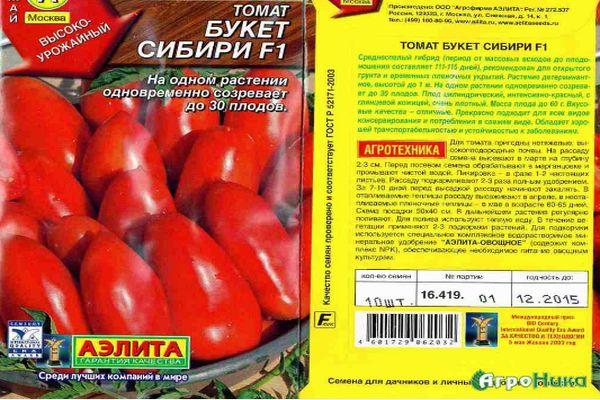
The bush is determinate, with stems that top themselves at a height of about 1 m. This eliminates the need for gardeners to pinch tomatoes in late summer. Fruiting is prolonged, lasting from midsummer until frost.
In terms of ripening time, Bouquet of Siberia is considered a mid-season variety. It takes 110-115 days from sowing to the appearance of the first ripe tomatoes. The seed producer (Aelita) claims that up to 30 tomatoes can ripen on a plant simultaneously.
The variety has a medium yield. Up to 10 kg of marketable produce can be harvested per square meter per season. To increase yield per unit area, it is recommended to train the bushes into 2-3 stems and tie them to a trellis. Avoid over-dense planting; no more than 4 bushes should be planted per square meter.

Bouquet of Siberia F1 tomatoes are resistant to many fungal infections (Alternaria, olive spot). Plants are also slightly susceptible to late blight. With proper agricultural practices, gardeners can preserve most of their harvest even in the most unfavorable years.
Features of the fruits of the Bouquet of Siberia
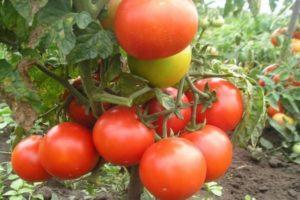
The bush produces 5-6 large, complex, fan-shaped clusters. Each cluster can contain up to 25-30 identical, moderately large tomatoes. Each fruit can weigh up to 60-70 g, and the berries ripen almost simultaneously on the cluster. The tomatoes are elongated, ovoid, or cylindrical, without ribbing.
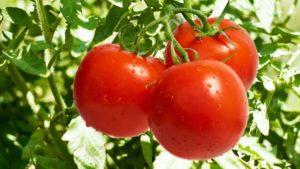
The skin of the fruit is very strong, reliably protecting the tomatoes from cracking during ripening and cooking. When preparing delicate dishes, the skin can be easily peeled after blanching. At technical maturity, the color is pale green, gradually darkening toward the base of the fruit. At biological maturity, the fruits are bright red, uniformly colored, but in open ground, greenish patches near the stem are sometimes visible.
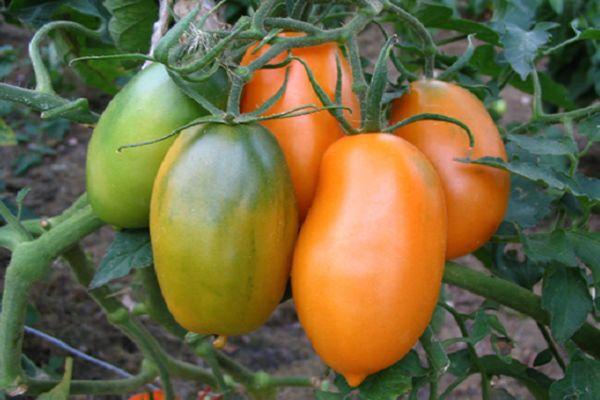
The berry flesh is juicy and firm. There are two seed chambers, their outer walls are quite thick, and the number of seeds is small. Combined with the firm skin, this gives the tomatoes the ability to retain their appearance well during transportation and withstand long-term storage once they reach full biological maturity.
Reviews from Siberian vegetable growers highlight the tomatoes' flavor: a sweet, pleasantly sour taste and rich tomato aroma make them suitable for a variety of uses and for preserving.
Dense wedges of Bouquet of Siberia tomatoes are great in summer salads, and they retain their shape when sliced and served as canapés. Small circles or thin slices make a great addition to sandwiches, while the fruit's shape and firm texture make them ideal for appetizers at buffet tables. These small, dense tomatoes are ideal for grilling or skewering on summer kebabs. The flavorful, aromatic, and brightly colored flesh pairs well with hot and cold Mediterranean or Caucasian dishes.
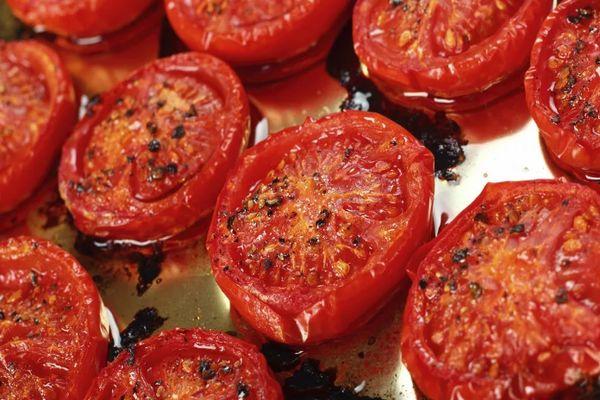
Surplus tomatoes are preserved for the winter: calibrated tomatoes of the Bouquet of Siberia variety are ideal for whole-fruit canning in vegetable platters or for preparing tomatoes in their own juice. The rich color of the flesh and the high sugar and dry matter content make these tomatoes suitable for processing. The boiled juice can be used to make sauces or lecho. Small, sweet tomatoes are also good for drying or sun-drying; the product obtained from this variety is practically as good as Italian delicacies canned in oil.
How to grow a good harvest?
It's best to sow this mid-season variety 70-90 days before transplanting it into a greenhouse or garden. The first harvest will then be ready about a month later. Hybrid seeds of the Siberian Bouquet will need to be purchased annually from the store, as seeds from home-grown plants will not retain their parent's qualities. For sowing, you can use store-bought soil or prepare a potting mix of equal parts humus, sand, and fertile soil. After spreading the substrate among the seed trays, disinfect it by soaking it in a hot solution of potassium permanganate.
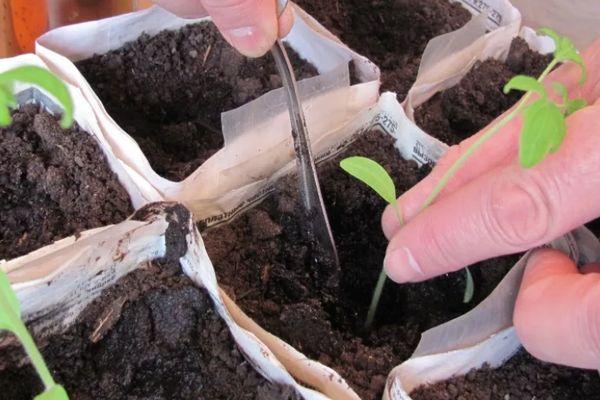
After the soil in the box has completely cooled, you can sow the seeds by spreading them over the wet surface and sprinkling them with dry soil or sand. The backfill thickness should not be more than 0.5 cm. The boxes with crops are covered with film and placed in a warm place (+25°C) for 4-5 days. During this time, the first loops of sprouts will appear. After the seedlings emerge, the film should be removed.
For about two weeks, the bushes should be kept at a temperature of around +20°C. Once two or three leaves appear, the seedlings are pricked out using a 10x10 cm pattern and transferred to cooler conditions (up to +18°C). During this time, the seedlings only require regular watering with warm water supplemented with potassium permanganate (a light pink solution).

Tomatoes require a sunny location with well-drained, loose, and fertile soil. Tomatoes easily tolerate high temperatures and dry soil, and the Bouquet of Siberia becomes even sweeter in such conditions.
To provide tomatoes with nutrients, add humus (about 10 kg per 1 m²) or a complete fertilizer according to the manufacturer's instructions to the soil. Special tomato mixtures are suitable: Mr. Tomato, Kristalon tomato, Kemira Lux, Agricola, etc. To enrich the soil with calcium, add lime materials at 1-1.5 kg per 1 m².
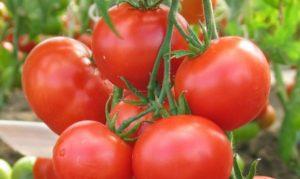

Plants are trained immediately after they begin active growth. Before flower clusters appear, all side shoots (side shoots) should be removed. To form two stems, leave one side shoot above the first inflorescence, and if a third stem is desired, leave a side shoot above the next cluster. The remaining side shoots should be removed before the end of the season.
Related posts:
 What is the best way to feed tomato seedlings to make them plump?
 Description and characteristics of the 50 best raspberry varieties for Siberia
 How to grow tomatoes in Siberia and choose the right variety, planting, and care
 Description of 30 grape varieties for Siberia, planting and care for beginners
 When to plant cucumbers in open ground in Siberia, how to grow them, and the best varieties
 Guidelines for growing peanuts outdoors in Siberia
 What fertilizers and when to use for feeding tomatoes in a greenhouse
 Description and characteristics of the 25 best blackcurrant varieties for Siberia