
- Description of the Gina tomato
- Characteristics of the variety
- Advantages and disadvantages
- The difference between Gina and Gina TST
- How to grow tomatoes correctly?
- Seedless method
- Seedling method
- Planting pattern and how to prevent bushes from becoming too dense
- Features of crop care
- Watering
- Top dressing
- Bush formation and garter
- How to protect Gina from diseases and pests?
- Harvesting and use of the crop
- Feedback from those who planted
Most gardeners prefer to grow low-maintenance, high-yielding tomatoes. One such variety is the Gina tomato, whose characteristics and description offer a number of positive aspects.
Description of the Gina tomato
The Gina variety was developed by European breeders. The plants are low-growing, about 50-60 cm tall, with medium foliage. The bushes are not standard, but consist of several stems growing from the base. This tomato variety does not require support, special shaping, or removal of side shoots.
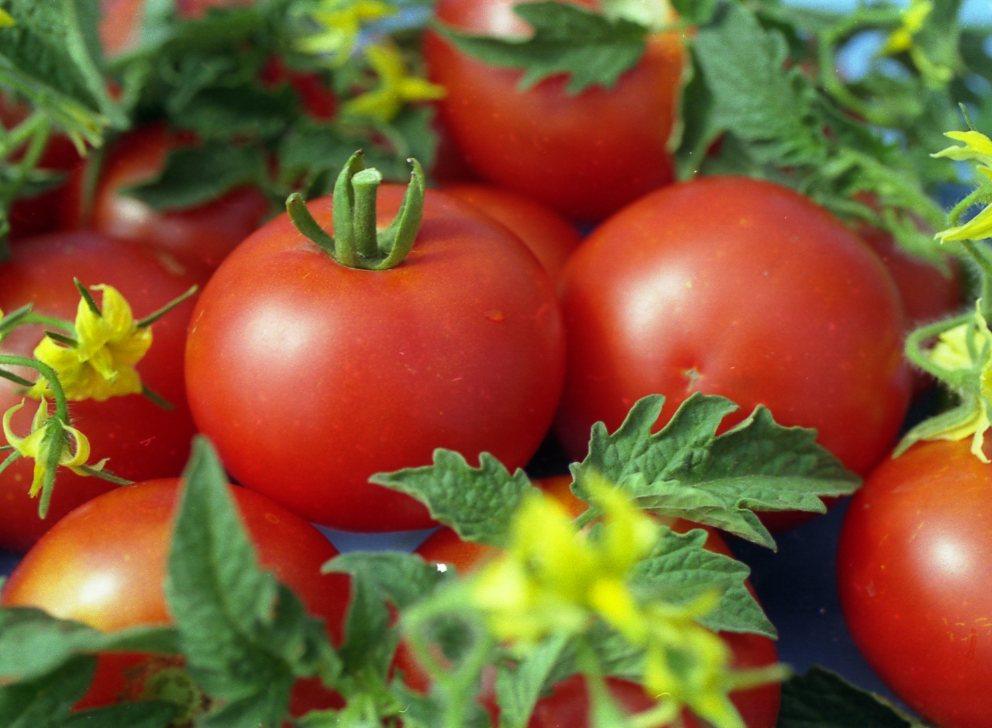
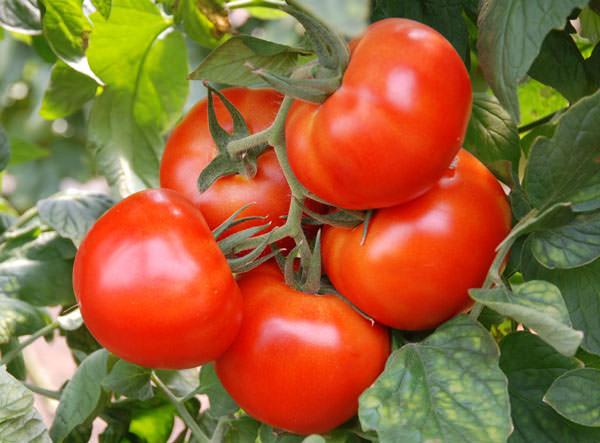
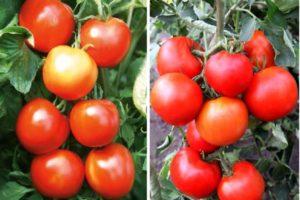
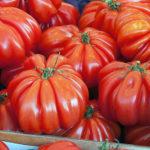
The fruits are large, weighing 200-300 g. They are round, slightly flattened at the top. The skin is bright red.
Characteristics of the variety
Gina belongs to the mid-season tomato category. From the moment the first sprouts appear until the vegetables are fully ripened, 110-120 days pass.
Due to the small height of the bushes, it is possible to grow tomatoes in open ground or a greenhouse.
The plants are heat-loving. With favorable environmental conditions, they can produce high yields. A single plant can produce up to 3-4 kg of vegetables.
Advantages and disadvantages
The variety's popularity among experienced gardeners is due to its many advantages. The most important ones are:
- Easy to care for. Follow standard gardening practices as the bushes grow.
- Versatile. The fruits are suitable for fresh consumption, processing, and making tomato juice.
- Good transportability. Tomatoes are undamaged and retain their appearance during transit.
- Long-lasting fruiting. Bushes are capable of producing fruit until the onset of autumn cold weather.

The main drawback is the risk of pest attacks. Furthermore, the fruits of the Gina variety can lose their flavor due to sudden temperature changes.
The difference between Gina and Gina TST
In addition to the variety under review, a hybrid subvariety, Gina TST, has been developed. This hybrid has increased resistance to cracking and yields fruit in 105-110 days from sowing. Ripe fruits acquire an orange-red hue and are slightly smaller in size. Gina TST is recommended for fresh consumption.
How to grow tomatoes correctly?
To grow a large harvest with excellent flavor, it's important to follow several growing rules. Tomatoes can be planted using either seedlings or direct-seeding methods. The method chosen has a number of implications.
Seedless method
When growing tomatoes in warm climates, you can use the direct-seeding method, which involves sowing the seeds directly into the soil. A well-drained area is required for planting the seeds.
Sowing is recommended in early June. The seeds are soaked in water beforehand and planted at a depth of about 30 cm. Wood ash and phosphorus-potassium fertilizer are added to the bottom of the dug holes. Immediately after sowing, the beds are watered generously.
Seedling method
If you choose the seedling method, sow the seeds in a separate container in early April. Cover the pots with plastic wrap and leave them in a warm place for 7-10 days. The seedlings are transplanted into the open ground or a greenhouse 1.5 months after sowing.
Planting pattern and how to prevent bushes from becoming too dense
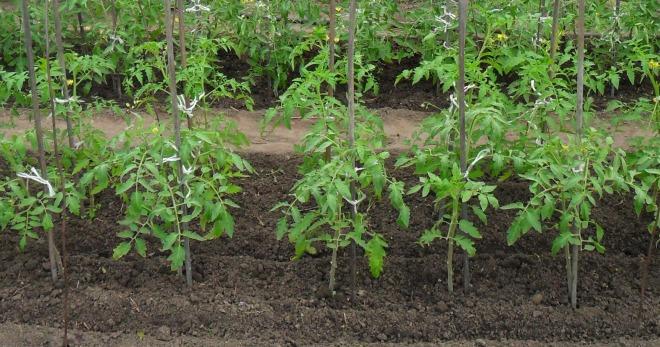
Regardless of the planting method chosen, it is not recommended to plant seeds too close together. Crowding too close together can reduce the tomato's flavor. Leave 30-35 cm between seed holes to allow the plants to develop their root system freely and obtain the necessary nutrients from the soil.
Features of crop care
After planting Gina tomatoes in open ground or a greenhouse, regular care is required. Standard care guidelines apply to this variety, including regular watering, nutrient-rich fertilizers, training the plant into multiple stems, and protecting it from pests and infections.
Watering
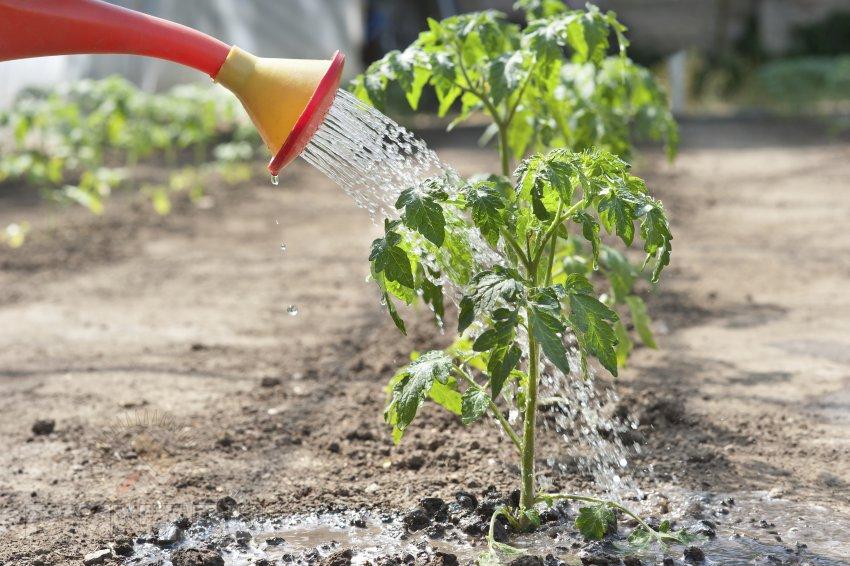
No watering is required for the first 5-10 days after sowing. Subsequently, it is recommended to water the soil once a week or more often due to rapid soil drying. Use 3-5 liters of water per plant. Water the plants at the roots to avoid damaging the foliage and young fruit.
Top dressing
Fertilizers are required to promote active foliar growth and timely fruit formation. Gardeners often use the following types of fertilizers:
- nitrogen, which promotes root development at the primary growth stage;
- potassium, which is necessary for the formation of stems, fruit set and the development of taste characteristics;
- phosphorus to increase plant resistance to adverse climatic conditions.
The first fertilizer is applied to the soil one week after planting the plants in their permanent location. Subsequent fertilizers are applied during flowering and 1-2 weeks before the fruit begins to actively ripen.
Bush formation and garter
Since the Gina variety is not a standard plant, there is no need to train the bushes. Three stems emerge from the base of the roots without additional side shoots. Low-growing plants do not require staking, but staking the bushes is acceptable if there are frequent gusts of wind.
How to protect Gina from diseases and pests?
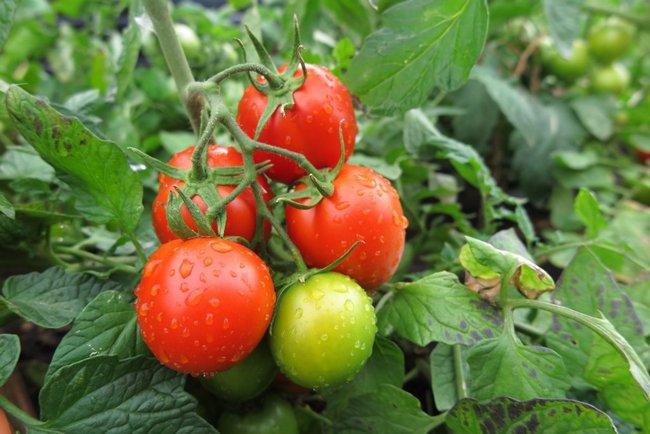
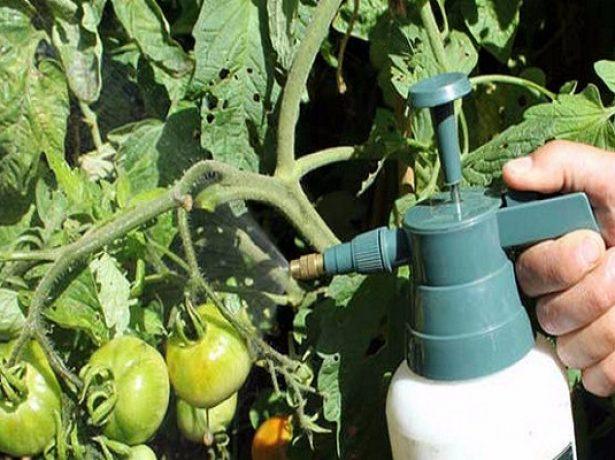
Gina tomatoes are resistant to diseases common to nightshade vegetables, but under unfavorable conditions they can be attacked by harmful insects. The most common pests are mole crickets, wireworms, and green aphids. Signs of pest infestation can be detected by leaf drop and darkening, the presence of sticky mucus on the bushes, and holes in the stems and fruit.
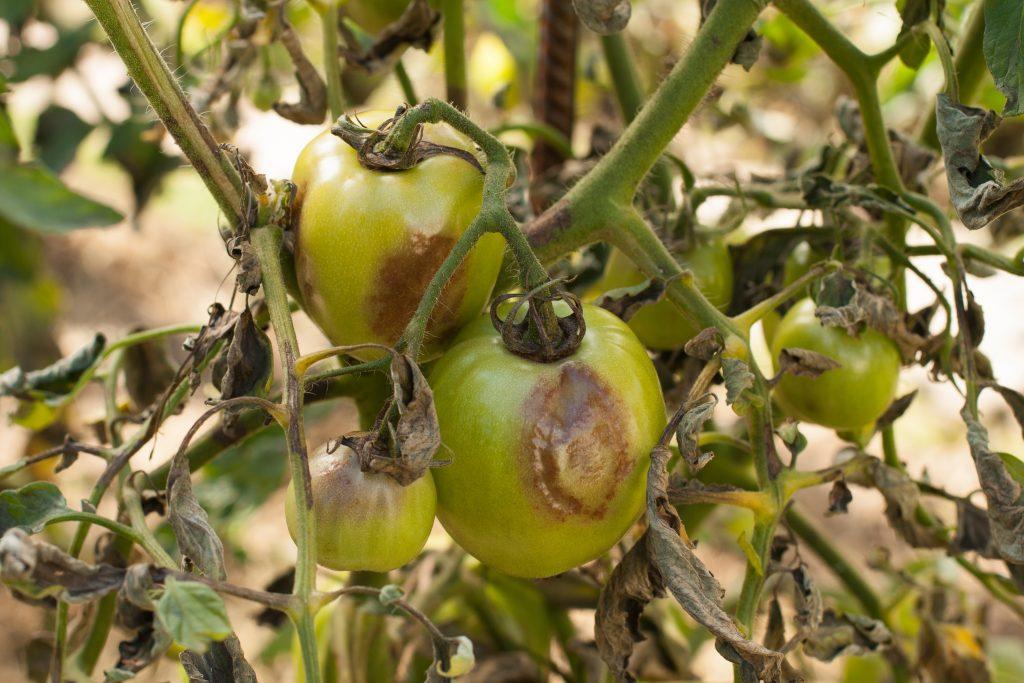
To combat pests, you can use an infusion of onion peel, wormwood, or tobacco. To repel large numbers of insects, spraying with insecticidal products such as Fitoverm, Protex, and Iskra is recommended.
Harvesting and use of the crop
The fruits should be picked from the bushes as they ripen. Ripe vegetables can be eaten fresh, used in various dishes, canned, and stored. If you wish to save the harvest for later use, you should package the vegetables in bags and refrigerate them, or place them in wooden boxes and store them in a cool, dark place.
Feedback from those who planted
Sergey Potapov: "I've been growing the Gina variety for the last two seasons. They always produce large tomatoes, and I haven't encountered any problems with care. I only plant them in a greenhouse to avoid the need for cover."
Anna Mikhina: "I always try to plant different varieties, and last season I planted the Gina TST hybrid. A couple of months after sowing, I had to treat the beds for aphids, but the pests didn't affect the harvest. As a result, I harvested several dozen kilograms of vegetables."
Related posts:
 Description and characteristics of the best tomato varieties for outdoor cultivation in the Urals
 Description of the best ultra-early tomato varieties for open ground and greenhouses
 Description of the best tomato varieties for open ground in the central zone
 Description of varieties of sowing peas and cultivation, to which family they belong
 Causes and treatment of eggplant pests and diseases, how to combat them at home
 Description and characteristics of the sweetest tomato varieties for greenhouses and open ground
 The best grape varieties for growing in the Urals, planting and care rules in summer
 How and when to sow tomato seedlings in the Moscow region, timing