
- Characteristics and description of the variety
- Pros and cons of the Siberian early ripening tomato
- Features of cultivation in greenhouses and open ground
- Growing tomatoes
- By seedling method
- Seedless method
- How to properly care for a plant?
- How to water Siberian early ripening?
- Fertilization
- Tips for Pest and Disease Control
- Possible problems
- Harvesting, ripening, application
- The best reviews from our readers
It's hard to find a gardener who hasn't set aside at least a small plot for tomatoes. This space is reserved for new varieties, but a patch of land is also set aside for older varieties. Many gardeners speak highly of the Siberian Early Ripening Tomato; its characteristics and description are quite appealing, so its fan base is growing over the years.
Characteristics and description of the variety
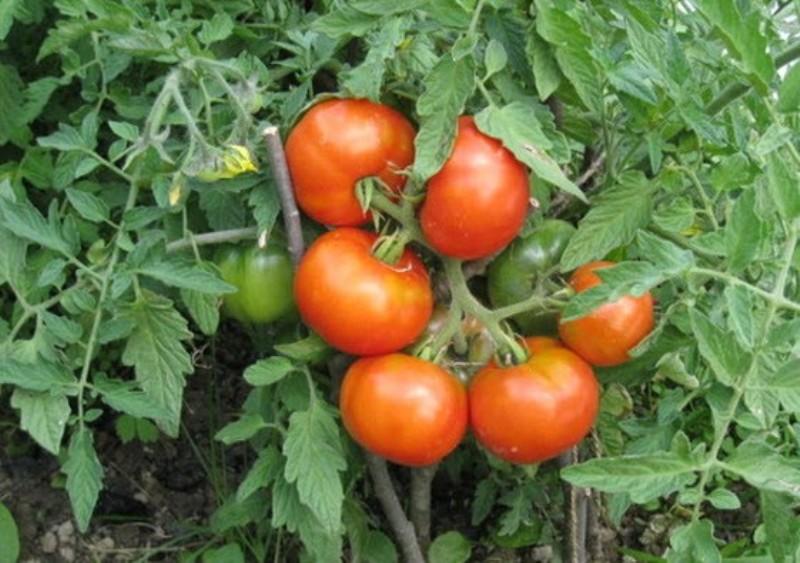
Siberian Early Ripe is an early variety, ripening in mid- to late July. In warmer regions, tomatoes are harvested earlier, especially when grown from seedlings. Fruiting is prolonged, with tomatoes ripening until autumn. These tomatoes are recommended for outdoor cultivation, but in areas with unstable climates, seedlings are planted in greenhouses.
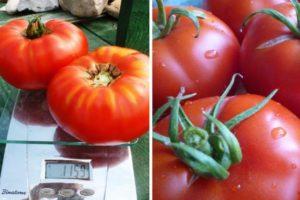
This variety is low-growing, with mature plants reaching no more than 60 cm in height. The fruits are red, not too large (up to 120 g), and have a distinct tomato aroma. The flavor is pleasant, with a slight tartness.
The yield is average, with 2-3 kg of fruit per bush. In greenhouse conditions, up to 4 kg can be harvested per plant.
The fruits are used for fresh consumption and juice production. They are not used for canning whole, as the skin is too thin and easily cracks during cooking.
Pros and cons of the Siberian early ripening tomato
Tomatoes have advantages that are appreciated by gardeners. Among the advantages, those who grow tomatoes themselves note:
- stable yield;
- ease of care;
- growing crops in beds, in a greenhouse;
- fruiting period;
- disease resistance;
- growth, development, fruiting even during cold weather.
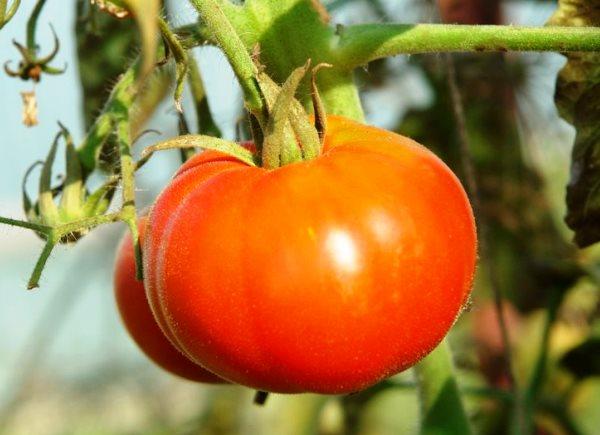
The variety does have a number of drawbacks, the most notable of which is poor shelf life. Even with strict storage guidelines (cool temperatures, moderate humidity), the fruits last only two months before they begin to spoil.
Features of cultivation in greenhouses and open ground
Regardless of the growing method (greenhouse or open ground), it is recommended to use only high-quality planting material. If purchasing seeds, check the expiration date. Check for similarity in advance by planting 3-5 seeds in a container and waiting for sprouts to emerge.
The stages of preparing planting material include warming and disinfection. To warm the seeds, it is recommended to place the bags or packets near a heat source (radiator) for 2-5 days.
For disinfection, use a weak solution of potassium permanganate. Soak the seeds in the solution for 15 minutes, discarding any seeds floating on the surface; they are no longer suitable for planting. Allow the seedlings to dry before planting.
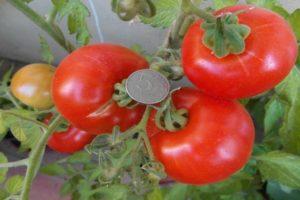
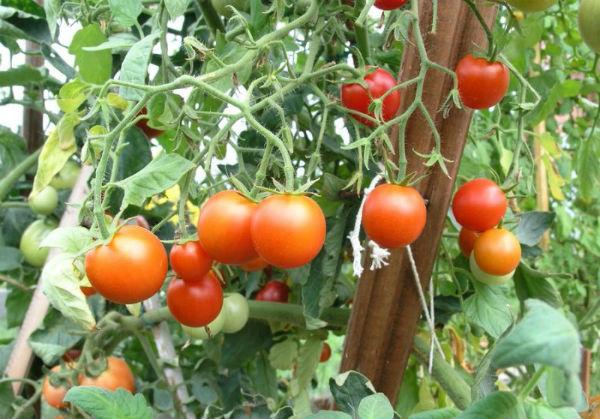 There are no significant differences between growing crops in garden beds or greenhouses. The main thing is to adhere to planting dates and care guidelines. Watering, fertilizing, and loosening the soil are essential.
Growing tomatoes
Before planting, it's recommended to soak the seeds in a stimulant solution or warm water. This is best done after disinfecting and drying. It's not necessary to remove them from the bag, as you'll need to change the water 2-4 times to prevent the seeds from suffocating. Soaking should last at least 24 hours.
By seedling method
The first question a gardener faces is when to plant Siberian Early Ripe seedlings to ensure an early harvest. It's recommended to plant early, preferably in late February or early March.
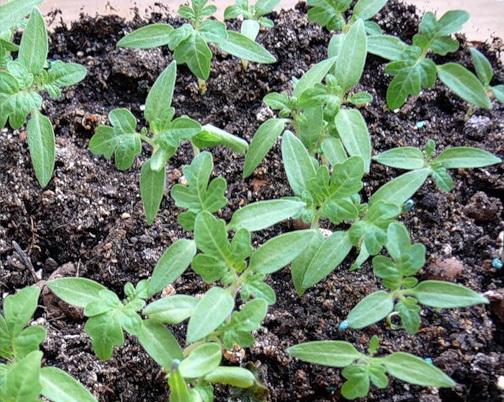
Prepare nutritious soil, mix:
- peat;
- sand (river, coarse);
- garden soil;
- some wood ash.
If you don't have time to mix the soil, it's recommended to purchase a ready-made seedling substrate from a store. Plant the seeds to a depth of 0.5 cm. To speed up the sprouting process, build a greenhouse out of plastic or glass. After germination, care consists of regularly moistening the soil surface. To avoid damaging the sprouts, it's best to water around the edge of the container.
Seedless method
In warmer regions, gardeners avoid growing seedlings and sow Siberian Early Ripening seeds directly into the ground. The timing depends on climate conditions—go to the garden only after the onset of stable warm weather.
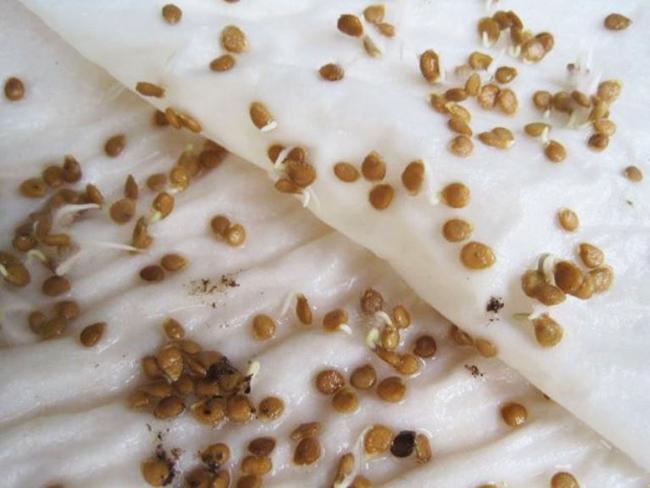
It's best to plant 2-3 seeds per hole, removing any excess once shoots emerge. To reduce the need for watering, cover the soil with a special geotextile or film. If using polyethylene, ventilate the soil regularly.
How to properly care for a plant?
Even beginners won't have any particular difficulties caring for the Siberian early-ripening tomato; the variety is extremely undemanding.
Agricultural technology requirements include timely watering, loosening the soil, and applying fertilizers.
Despite the crop's hardiness and immunity to most diseases, it will be necessary to use treatments to combat viruses and infectious diseases. Experienced gardeners often use folk remedies for prevention.

How to water Siberian early ripening?
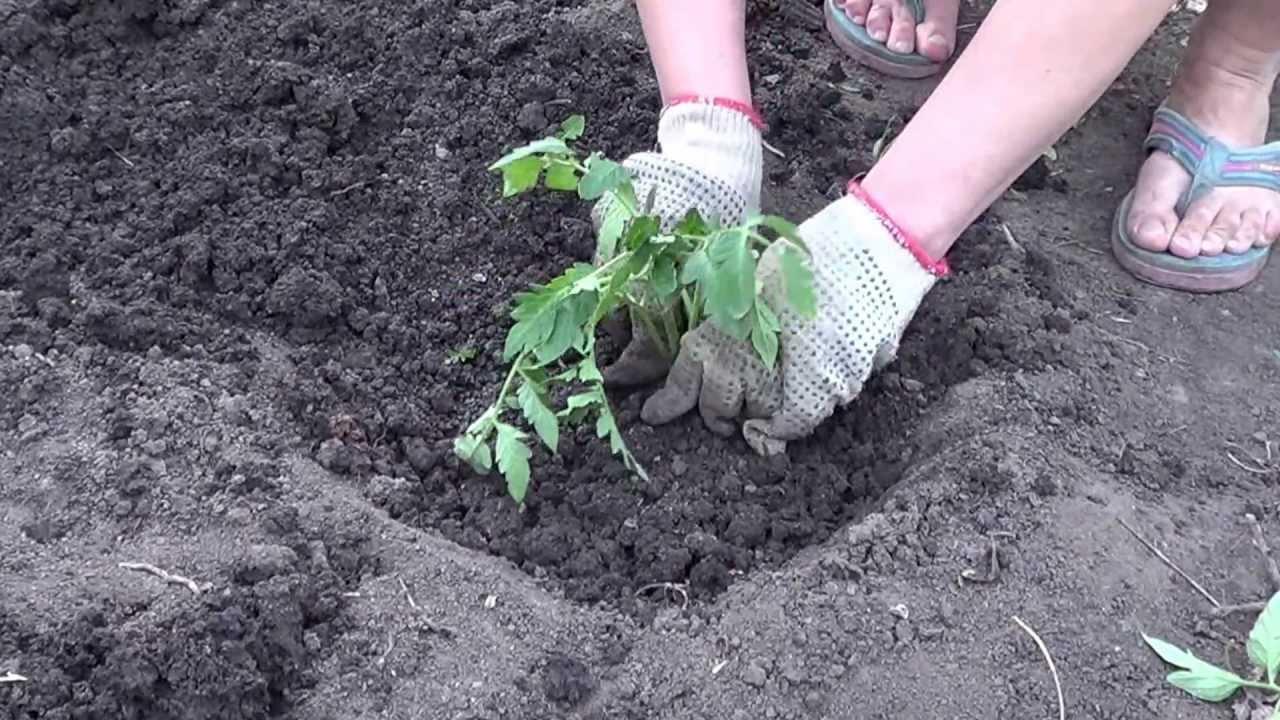
It's important not to overwater this variety, as tomatoes are susceptible to disease in high humidity. It's recommended to moisten the soil every 2-3 days, but only during stable heat.
Use only warm water, previously soaked in the sun, for watering tomatoes. 6-8 liters of water is sufficient for one plant. To ensure better penetration of moisture into the soil, loosen the soil beforehand. Avoid digging too deeply into the soil, as this can damage the roots, which will affect the above-ground portion of the plant.
Fertilization
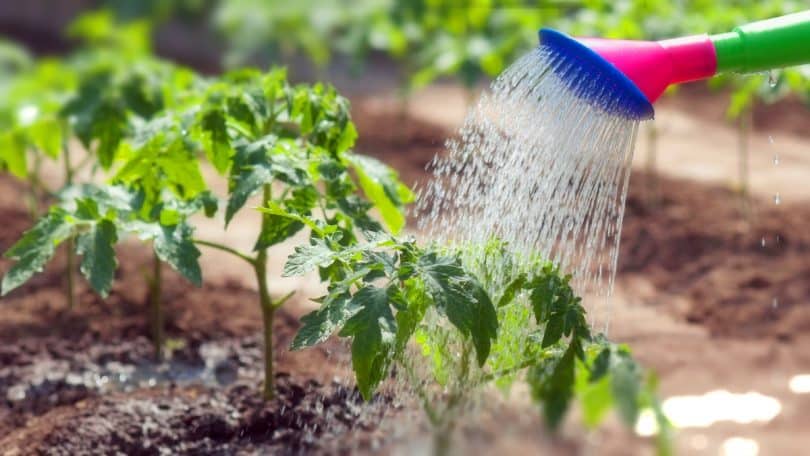
Nitrogen fertilization is recommended before fruit set. Nitrogen-based fertilizers promote the growth of foliage and accelerate bush growth. Subsequent fertilizations should be carried out with potassium fertilizers, which help increase yields. It's best to use homemade ash infusions or potassium sulfate.
You shouldn't use potassium chloride, as its active ingredients inhibit the growth of bushes and reduce fruiting.
During flowering, opt for boron-based fertilizers. A deficiency of this element will cause fruit drop. It's best to apply nutritional solutions to the foliage, as this helps tomatoes absorb essential nutrients.
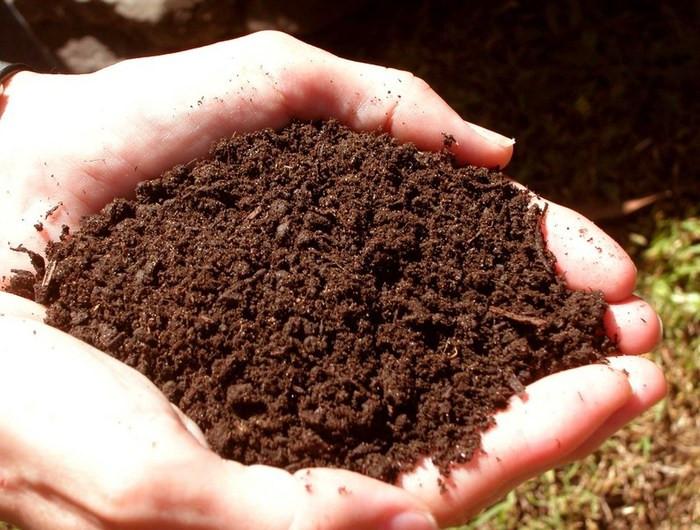
The easiest way to add essential nutrients to the soil is to use a nutritious mulch. Well-rotted manure and compost placed around the tomatoes will protect the soil from drying out and freezing temperatures. Rainwater will allow beneficial nutrients to reach the roots of the plants.
Tips for Pest and Disease Control
Chemicals are recommended for disease and pest control, but keep in mind that the final treatment should occur two weeks before harvest. If you need to combat insects or diseases during the fruiting period, it's better to use gentler folk remedies.
Fungicides and triazoles are commonly used against diseases. Insecticides are used to control insect infestations on tomatoes.
Possible problems
If proper agricultural practices are followed, problems with the Siberian Early Ripening tomato are extremely rare. It grows and develops well with minimal attention (watering, fertilizing).
A potential problem gardeners may encounter is stunted growth. Tomatoes should be immediately fertilized with nitrogen-rich fertilizers. It's recommended to apply the fertilizer twice, spaced a week apart. Be sure to moisten and loosen the soil beforehand.
Harvesting, ripening, application
Siberian early ripening tomatoes are best harvested from mid-July to early autumn. It's best to pick the fruits with the stems still attached, as this will slightly extend their shelf life.
If tomatoes were picked that were not fully ripe, it is recommended to let them ripen further.
Place the tomatoes in boxes in a single layer, stem side up. Monitor the temperature—the room should be around 10-15 degrees Celsius. Humidity should be moderate; too much moisture will cause the tomatoes to rot.
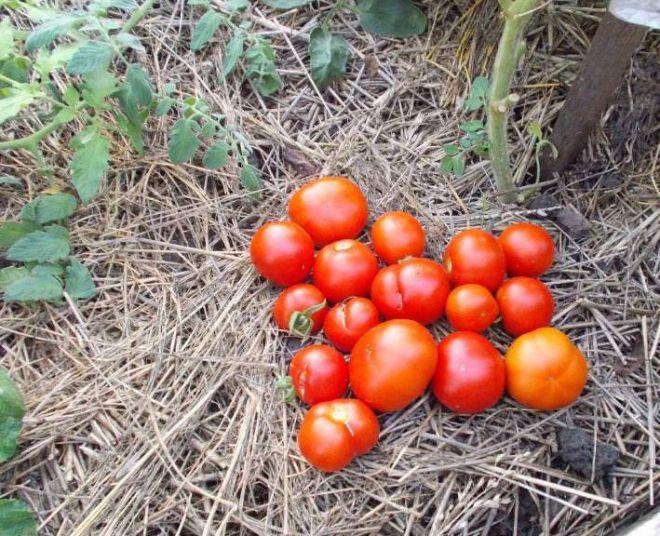
The fruits are used in salads, fresh, and sauces. Due to their thin skin, tomatoes are usually preserved in pieces. Ketchups and dressings made with Siberian early ripening tomatoes also have many fans.
The best reviews from our readers
We've tried to gather feedback from our readers, which will certainly motivate you to allocate some space for the Siberian Early Ripening Tomato.
Valery (37): "I've been growing Siberian Early Ripe tomatoes for about five years now, and I can't say anything bad about them. Of course, in terms of taste and yield, they're inferior to many hybrids, but anyone who's planted them will easily point out their advantage—their undemanding nature. Last year, the summer was rainy and cool, and most of the new varieties got sick and almost completely died, but my favorite delivered a bountiful harvest."
Irina (43): "We also set aside a small area at our dacha every year for the Siberian early-ripening tomato. We're drawn to its early ripening time and versatility—we start enjoying fresh tomatoes and canning them almost as early as the beginning of July."
Despite its shortcomings, the Siberian Early Ripening tomato is a favorite among both experienced and novice gardeners. This tomato rewards minimal care with a good yield, unpretentiousness, and vigorous growth and development.
Related posts:
 Methods for planting and propagating cherries at home
 The best methods for growing grapes from seeds at home
 Growing and caring for hazelnuts in open ground, rules for planting hazelnuts
 The best grape varieties for growing in the Urals, planting and care rules in summer
 The best eggplant varieties for growing in a polycarbonate greenhouse: planting and care
 What are green manure crops and which ones are best for the garden, when to sow and bury
 Description and rules for growing Solaris grapes
 What fertilizers to apply to the garden and vegetable garden in the fall: instructions