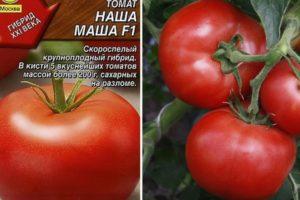
The Raspberry Potato tomato was bred by Russian agrobiologists and is included in the State Register of Breeding Achievements. Its fruits are distinguished by their intense aroma, flavor, balanced composition, and high sugar content.
Advantages of the variety
Tomatoes are divided into standard, standard, and potato varieties. Potato-type plants have leaves similar to those of potatoes: they lack intermediate leaflets.
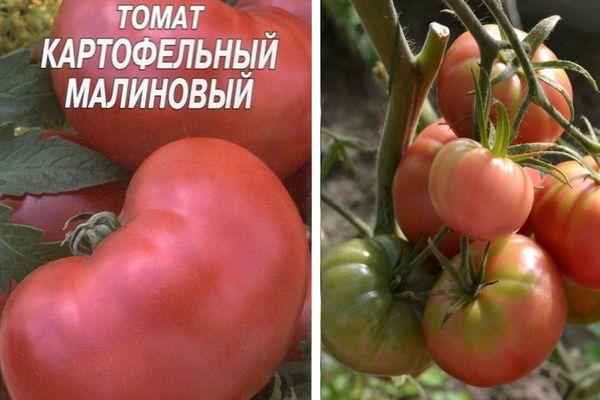
The appearance of the Potato Raspberry tomato indicates the identical leaves. This variety is distributed by the online store "Siberian Garden." Reviews from vegetable growers attest to the popularity of this large-fruited variety.
The characteristics and description of the Potato Raspberry variety classify the plant as a determinate variety. During the growing season, the bush reaches a height of 100-120 cm.
There's a tomato variety called "Big Malina" with a similar name, but its shape differs from those described. This medium-ripening tomato (100-105 days) is suitable for growing in plastic greenhouses and open ground.
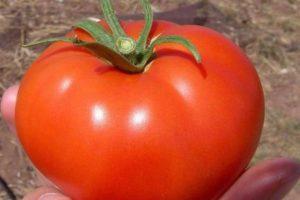
Potato Raspberry tomatoes acquire a crimson color when ripe. Fruits weigh 600-800 g, yielding 4-6 kg per bush. The tomatoes are flat and round, with slight ribbing, a vibrant flavor, and a sugary texture when broken. When cut horizontally, 6-7 chambers containing seeds are visible. Dry matter content reaches 3-4%. Each cluster contains 3-6 tomatoes, which are not prone to cracking. The fruits are not suitable for long-term storage or long-distance transportation.
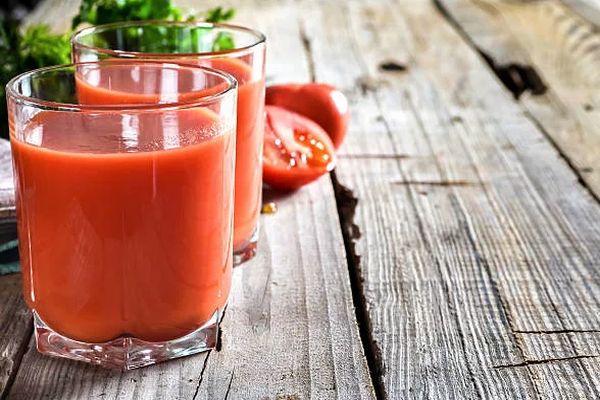
In cooking, tomatoes are used for fresh consumption. Due to their large size, the fruits are processed into juice and paste.
Cultivation techniques
Sow seeds for seedlings 50-60 days before the expected planting date. Before sowing, disinfect the seeds with an aqueous solution of potassium permanganate or hydrogen peroxide. To accelerate germination, treat the seeds with growth stimulants. To do this, place the seeds 1 cm deep in a container with prepared soil mixture. After watering with warm water using a spray bottle, cover the container with plastic wrap until the sprouts emerge.
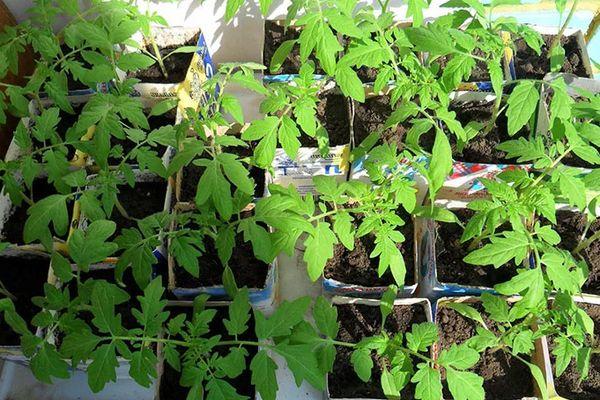
Growing seedlings requires maintaining an optimal temperature of 23–25°C, along with timely watering and fertilizing. When one or two true leaves have formed, transplant them into individual peat pots, which are then used to transplant the seedlings to their permanent location.
To stimulate root growth, slightly shorten the main root. When planting seedlings in the ground, space 3-5 bushes per square meter. The variety responds well to moderate watering with warm water and fertilizing with complex fertilizers.
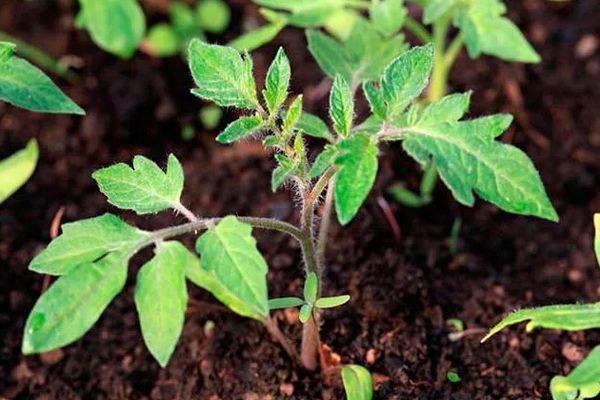
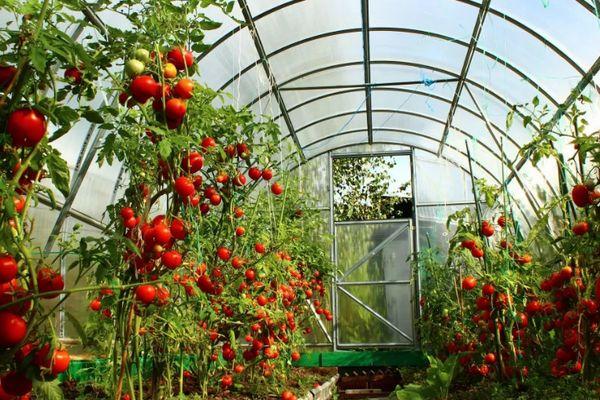
To increase yield per bush, the plant is trained into 2-3 stems, leaving the main shoot and side shoot in the upper axil on the left or right side. This plant is sun-loving, so growing it in northern regions presents certain difficulties.
The plant's branches are prone to deformation, so tying it to a trellis or support is essential. Caring for the plant involves a series of agricultural practices. To ensure a balance of moisture and air around the root system, the soil is loosened.
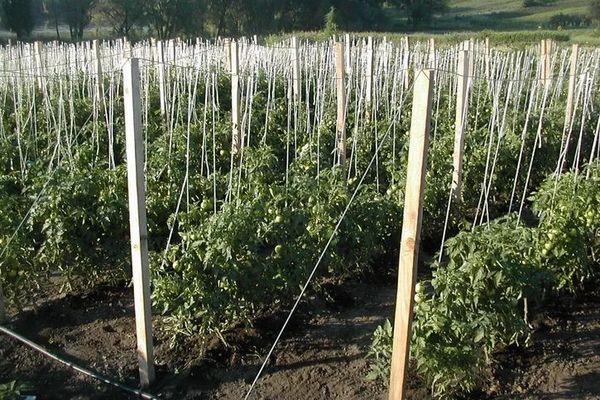
Hilling up plants helps saturate the soil with oxygen and form additional roots.
During the season, apply organic and complex fertilizers to the roots. Water the plant moderately, twice a week. Excess moisture can lead to root rot, while water deficiency can lead to excessive shoot growth.
Although the Raspberry Potato variety is resistant to fungal diseases, treatment with pesticides is used as a preventative measure. Biological pest control involves the use of pesticides and auxiliary products.
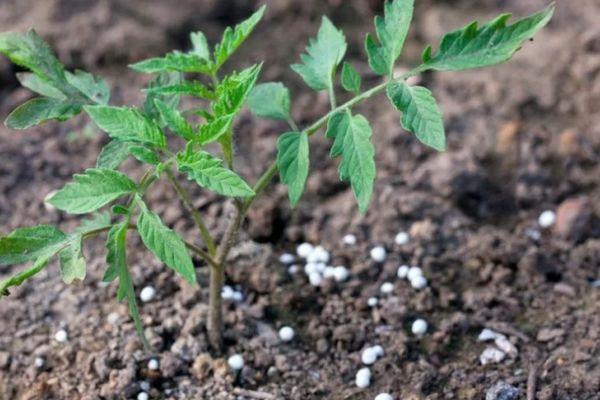
To ensure a high yield, apply seaweed-based fertilizers to the bushes and spray them with an aqueous iodine solution. Nitrogen fertilizers are applied when the leaves begin to turn yellow.
With excess nitrogen, intensive growth of the crop and weak formation of ovaries are observed. The presence of a purple tint on the leaves indicates a deficiency of phosphorus, which is responsible for fruit formation.
The plant needs to be thinned out, the lower leaves need to be removed to improve access to light, and the clusters with large fruits need to be supported with slings.
To promote good plant development, even moisture distribution, and prevent weed growth, mulch with non-woven fiber. Using organic material (branches, sawdust, straw, and leaves) as mulch provides additional nutrition for tomatoes.
Related posts:
 The best eggplant varieties for growing in a polycarbonate greenhouse: planting and care
 The best grape varieties for growing in the Urals, planting and care rules in summer
 Description of the best potato varieties of domestic and foreign selection
 80 Best Eggplant Varieties for Different Regions with Descriptions and Characteristics
 Description of the Velika grape variety, cultivation and care tips
 Description of the best varieties of onions, planting and care in open ground
 Methods for planting and propagating cherries at home
 Description and characteristics of the best seeds of pea varieties and types