
The hybrid tomato "Pobeditel" was developed at the Volgograd Experimental Plant Growing Station. It is suitable for growing in hotbeds, greenhouses, and open beds. The choice is determined by the site's characteristics, prevailing weather, and the gardener's personal preferences. The manufacturer's description and characteristics recommend cultivating this variety in the southern and central regions of the country.
General description of the variety
Pobeditel tomatoes are mid-early varieties with limited stem growth. Ripening time ranges from 110 to 120 days. The trunk reaches a maximum height of 75 cm, and the root system is well developed, firmly anchoring the plant in the soil. The foliage is dense, medium-sized, and richly green. The crown provides excellent protection for the fruit from precipitation and intense sunlight.
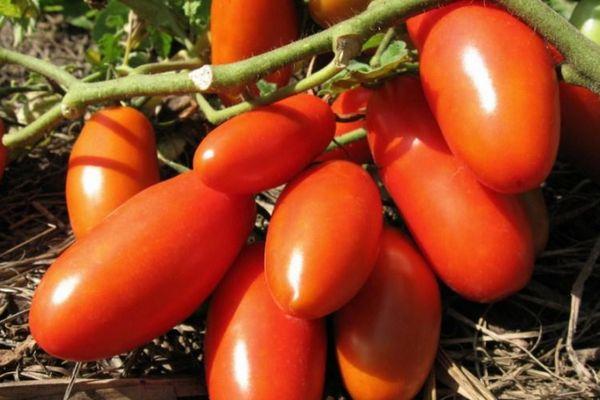
Fruits form along the entire height of the bush, starting from the seventh leaf. Everyone who has planted the Pobeditel variety notes the tomatoes ripen evenly. When ripe, they are almost uniform in size and weight, ranging from 90 to 100 g. The berries are deep red and oval in shape. The skin is thin, the flesh is firm. Gardeners describe the tomatoes' flavor as a combination of spice, sweetness, and a slight acidity.
The manufacturer's description of the variety guarantees a yield of up to 5 kg per bush. The recommended planting frequency is 4 plants per 1 m². With proper care and favorable weather conditions, you can expect consistent and abundant fruiting throughout the summer.
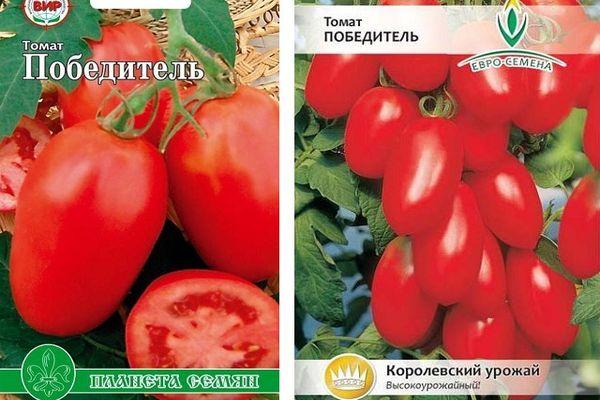
Farmers' reviews indicate that tomatoes have a long shelf life and are well-suited for transportation. In cooking, they are used to make salads, dressings, juices, and ketchups. If a large harvest is achieved, the fruits are used for canning and pickling in barrels.
Advantages of the Pobeditel variety
Tomatoes combine many positive qualities, for which they are valued by gardeners and consumers.

The main advantages of the variety are as follows:
- optimal bush height, facilitating fruit harvesting and plant care;
- good and stable yield;
- pleasant taste of fruits in fresh and canned form;
- ability to maintain marketable appearance for a long time;
- ease of cultivation and maintenance;
- resistance to most diseases affecting plants of the nightshade family;
- tolerance to temperature and humidity changes.
No disadvantages have been identified for this variety. Its average yield is offset by advantages valued by farmers and gardeners.
Growing and caring for tomatoes
The plant is propagated using seedlings or by sowing the seeds directly into the soil. The manufacturer recommends using the seedling method, which guarantees a higher germination rate.
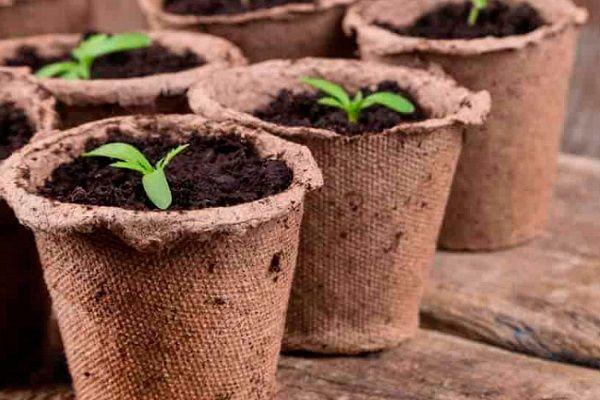
Depending on climate conditions, seeds are planted in late February or early March. Use peat pellets or homemade fertile soil with drainage at the bottom of the pot. The seeds are planted in holes 15-20 mm deep, covered with soil, and immediately watered with a spray bottle. The pots are covered with plastic wrap and placed in a warm location.

Once the new growth appears, the containers are moved to windowsills. A backup light source is provided. A fluorescent or LED lamp is best for this. Developing seedlings must be watered regularly and exposed to light for at least 16 hours a day.
A week before transplanting to the garden, the seedlings should be hardened off. The room temperature is gradually lowered to 17°C. If the room is heated, the plants are brought outside for several hours. This is done first during the day and then in the evening.
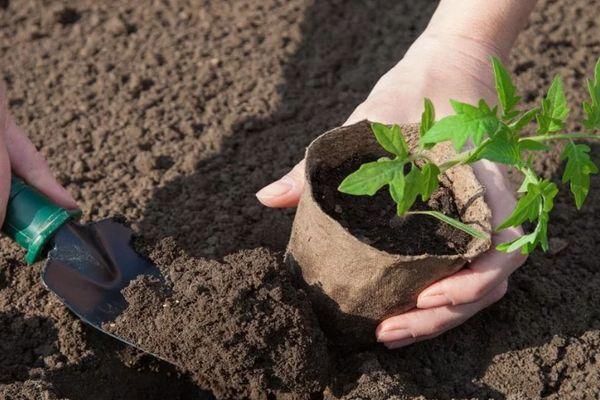
To provide the seedlings with comfortable growing conditions, the soil must be prepared. Holes are dug and the bottoms are filled with sand. A fertile mixture of garden soil, wood ash, peat, and organic fertilizer is added to the holes. An antiseptic solution is poured around the holes to protect the roots from insects.
Caring for tomatoes includes the following activities:
- regular watering with warm water that has settled during the day;
- tying up if the stems bend under the weight of the crop;
- clearing the soil of weeds, periodic weeding;
- loosening and mulching the soil;
- monthly application of mineral, organic and combined fertilizers;
- collecting insects from leaves and fruits, spraying plants with insecticides.

Fruiting continues until the first frost. Unripe fruits should be picked and stored in a warm, dark place. They will turn red within a few days, acquiring a marketable appearance and a pleasant flavor.
Related posts:
 Description of the 90 best varieties of beans for open ground with names
 The best grape varieties for growing in the Urals, planting and care rules in summer
 Beginner's Guide to Growing Grapes in Open Ground in Central Russia
 Description of the Velika grape variety, cultivation and care tips
 Description and characteristics of the best seeds of pea varieties and types
 Descriptions of the 20 best cherry varieties for the Moscow region, their planting and care
 80 Best Eggplant Varieties for Different Regions with Descriptions and Characteristics
 The best eggplant varieties for growing in a polycarbonate greenhouse: planting and care