
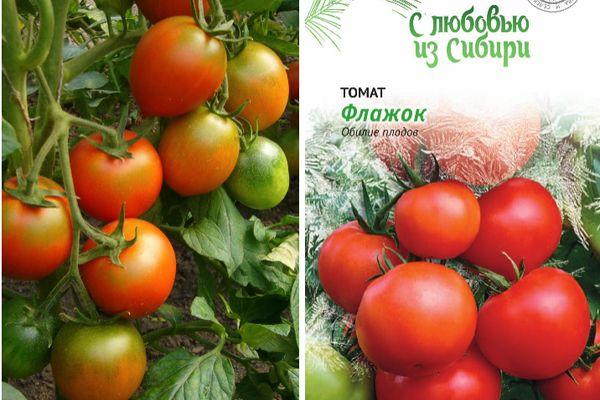
Tomato Flag belongs to the ultra-early ripening varieties, developed by Siberian breeders. These tomatoes are suitable for planting in open ground or greenhouses. The fruits are distinguished by their distinct flavor and long shelf life.
What is the Flag tomato?
The characteristics and description of the variety are as follows:
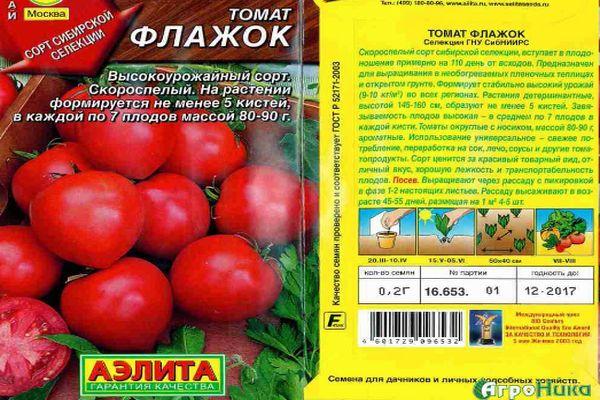
- One of the main characteristics is that the plant belongs to a determinate species.
- In greenhouse conditions, the bushes grow up to 1 m in height, and in open ground - up to 60 cm.
- On one shoot up to 6 clusters are formed, on each of which up to 8 fruits are formed.
- The tomatoes are round and flawless. Their color is bright red.
- The maximum weight of one fruit reaches 150 g.
- The dense skin is not prone to cracking, making tomatoes ideal for canning.
- The yield is low, up to 5.5 kg of fruit can be collected from 1 m².
How are tomatoes of this variety grown?
Every tomato variety requires specific growing conditions, ensuring the plants receive sufficient light, warmth, and moisture. Creating ideal conditions during the cold season, especially indoors, is very difficult, so late March was chosen as the optimal time for planting.
With sufficient warmth and insufficient light, the Early Flag tomato will germinate vigorously, but will be frail and may die. This is precisely how seeds planted in February will germinate. They will ripen exactly one month later than March seedlings. In northern regions, sowing is done in early April, and by the time it's time to transplant into the ground, the greenhouse doesn't need heating. Heating is turned on only when cold weather sets in.
Before planting, seeds are treated by soaking them in a light pink solution of potassium permanganate and a growth stimulant. This procedure prevents diseases and promotes vigorous seed growth.
Before planting, loosen the soil and make 1-cm-deep holes in it. Carefully insert the seeds into the holes with tweezers and cover with a thin layer of soil. Instead of watering, mist the container with a spray bottle and cover it with plastic wrap to create a greenhouse effect. Until the seedlings emerge, maintain a constant soil temperature of 24–25°C.
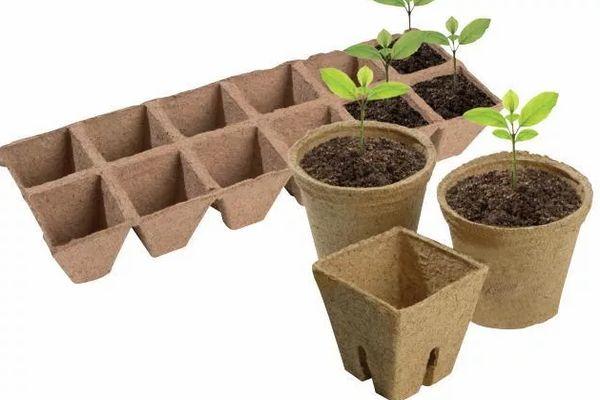
Once the seedlings emerge, the film is removed, and the temperature is lowered to 18–20°C. From this point on, the plant requires sufficient light for 18 hours. This is essential to ensure the root system strengthens and develops properly. To achieve this, it's important to ensure adequate watering and proper lighting.
Seedlings should be fed only if they are weak and in need of it. Excessive feeding can be harmful. Tomatoes should be planted in the ground no earlier than the second half of May, when the threat of frost has passed and the soil begins to warm up.

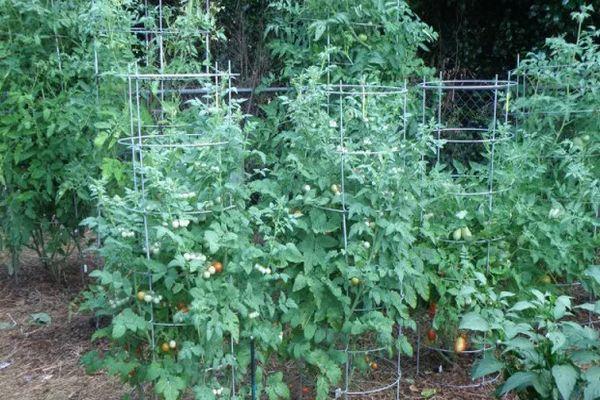
Why do you need to tie up your bushes? There are several reasons. Tied bushes can better withstand the weight, receive more air, and therefore have better ventilation. They are less susceptible to disease because their leaves don't retain moisture.
When caring for tomatoes, it's important to remember one thing: they dislike heat and direct sunlight, and they don't tolerate cold well. Therefore, choosing the right planting location is crucial.
It should be sufficiently light, but protected from direct ultraviolet rays. If the plant is planted in a greenhouse, it should be well-ventilated or frequently aired.
 To prevent diseases and the emergence of pathogens, plants should be planted away from buildings where pets are kept, as they often become carriers of infections.
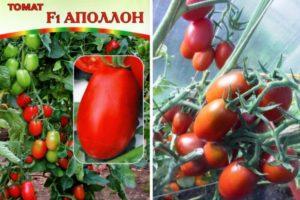
Gardeners' reviews of this variety are generally positive. They note the excellent taste of the fruit and the firm skin, which makes it easy to transport. Many gardeners are also attracted by the versatility of the Flag F1 tomato.
Related posts:
 The best grape varieties for growing in the Urals, planting and care rules in summer
 Methods for planting and propagating cherries at home
 Descriptions of the 20 best cherry varieties for the Moscow region, their planting and care
 Description and cultivation of the 15 best cherry plum varieties for the Moscow region, planting and care rules
 The health benefits and harms of cherries, rules of consumption, and their effects on the body
 Descriptions and names of varieties and the best types of radish, planting and care
 The best and most productive tomato varieties for greenhouse cultivation in the Urals, with descriptions
 Description and characteristics of the best seeds of pea varieties and types
