
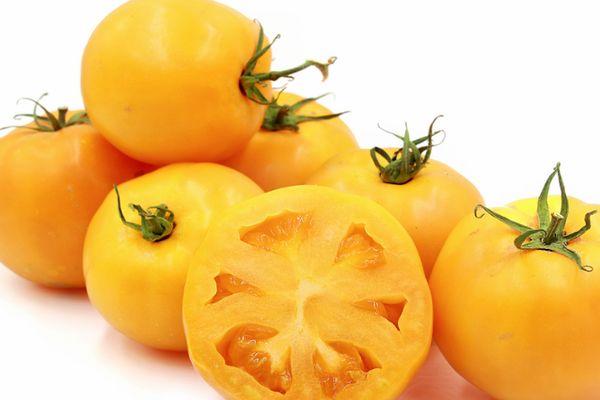
Israeli breeders have developed an unusual tomato variety, Summer Sun, which translates as "summer sun." The fruits are a rich yellow color and, due to their high sugar content, are sweet in taste.
What is the Summer Sun tomato?
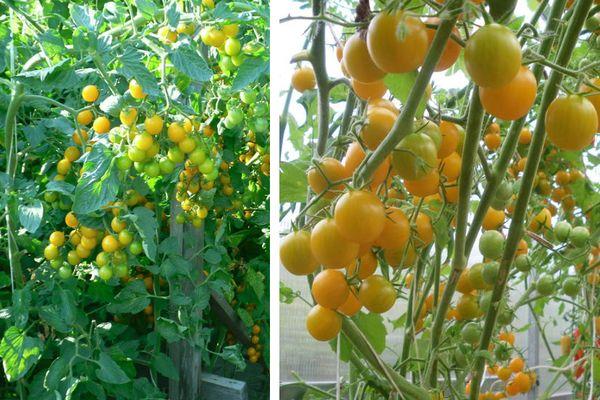
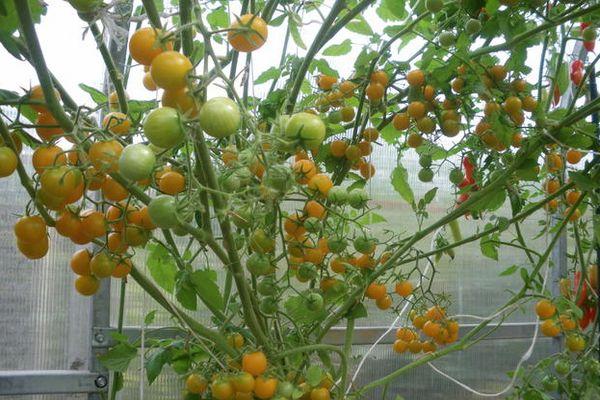
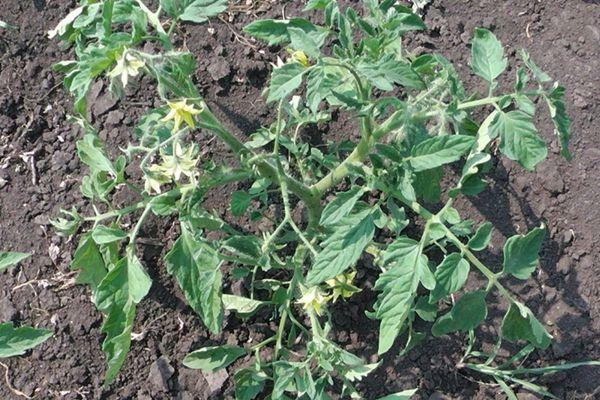
This tomato variety is a cherry tomato. The bushes can grow up to 2 meters tall and produce a large harvest. A single cluster can produce up to 7 round, firm tomatoes. In warm climates, the tomatoes ripen mid-season, and late in cooler climates. This variety's potato-like leaves emit a pleasant, sweet aroma when crushed.
Characteristics and description of the variety:
- This variety is considered a high-yielding tomato. It is recommended to tie up the shoots, as numerous ovaries form on the bush, resulting in a large number of fruits.
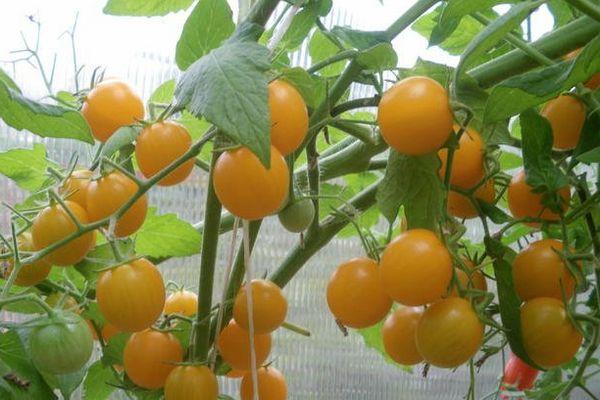
- Fruit size up to 3 cm, weight up to 30 g.
- The tomatoes are perfectly round in shape, fleshy, and have a dense skin.
- The taste of tomatoes is rich, honey-sweet.
- When cut, the pulp retains its shape and does not crack.
- When growing tomatoes in closed greenhouses, it is recommended to wait until they are fully ripe to enjoy their flavor.
Growing and care
If you decide to grow seedlings yourself, you will need a container no more than 10 cm in diameter. To prepare the soil for seedlings, you will need to mix equal parts of:
- sand,
- turf,
- peat,
- humus,
- charcoal.
The seeds are planted 4 cm deep. The seedlings need 60 to 65 days to grow before planting in the ground. Gardeners begin working with the seedlings in March and continue until the end of April. The plants require warmth and light. The germination temperature should be between 24 and 30ºC. The first shoots appear on the sixth day. The seedlings require moderate watering and do not tolerate drought.

 After the 4th leaf appears, part of the taproot needs to be removed so that the plant can branch out its root system. This is called picking. The seedlings are planted in the soil when there is no risk of frost, at a depth of 10 cm, with a distance of 1 m between plants.
It's best to water the plants in the morning, at the roots, and avoid getting moisture on the leaves. Otherwise, sunburn will occur. Since the plant grows upward and can reach up to 2 meters, no more than 3 stems should be trained. Staking the stems is necessary for subsequent growth. With proper care, tomato plants will yield a good harvest.
Pests and how to deal with them
When growing any plant, not only watering and loosening the soil are important, but also protection from pests.
Tomatoes need to be protected from parasites such as:
- mole cricket,
- wireworm,
- Colorado beetle,
- slugs,
- aphid.
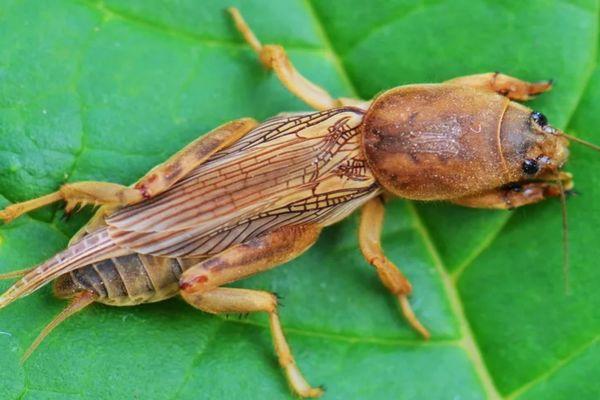
The mole cricket is an insect that lives in the soil and digs tunnels, damaging the root system. If left untreated, it can destroy an entire shrub. The product "Thunder" is effective in combating this pest.
Wireworms are worms ranging from 10 to 45 mm in length. Depending on the variety, their coloration can range from yellow to dark brown. They are named for their tough, shiny skin. These parasites damage the root system and penetrate the stem, leading to the death of the plant. To prevent this, rotate plantings annually.
Wireworms dislike legumes, so crops such as tomatoes, potatoes, beets, and radishes should be planted after legumes. If the planting soil is acidic, it can be treated with dolomite flour. This treatment should be repeated every three years.
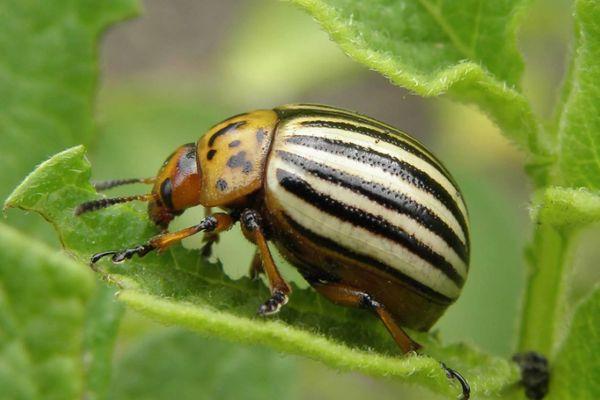
The Colorado potato beetle most often attacks potatoes, but it also poses a threat to tomatoes. The insect is quite large, up to 12 mm. A female Colorado potato beetle can lay up to 1,000 eggs over the summer, which then hatch into larvae. The female typically lays her eggs on the underside of leaves, making them difficult to spot. Chemical pesticides such as Prestige can be used to control the Colorado potato beetle; the beetle is not resistant to them.

You can fight the Colorado potato beetle with folk remedies:
- A solution of celandine, wormwood, and horsetail, when sprayed, will kill insects and will not harm the fruit.
- A solution of dry mustard and vinegar is prepared as follows: 1 kg of dry mustard is mixed with 10 liters of water, and 100 g of 9% vinegar is added. The plants are then sprayed with this solution.
- You can plant garlic between the tomatoes. The beetle seeks out nightshade crops by smell. Garlic masks this smell.
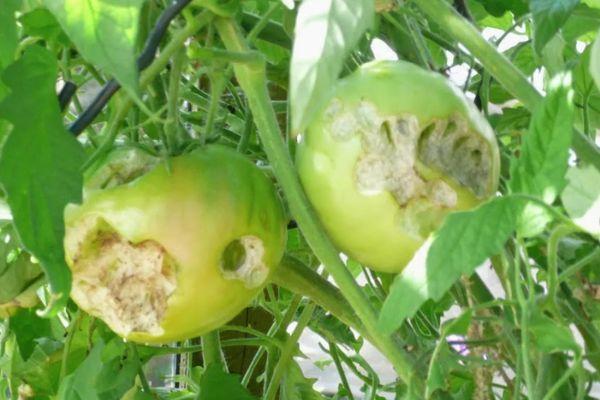
Slugs live in damp soil and damage leaves, as well as fruit by eating them. Besides eating leaves and fruit, this parasite also transmits the plant disease powdery mildew. There are several ways to control slugs, including chemicals and folk remedies.
A chemical method involves sprinkling freshly slaked lime or copper sulfate powder around the bushes. There are a wide variety of folk remedies:
- Spraying with garlic infusion.
- Water the plants with water at a temperature of +60ºС.
- Spread horseradish leaves around the bushes.
- Sow parsley around the tomato plant.
Aphids are rare on tomatoes and need to be controlled. You can use the following methods:
Spraying with a solution is easy to prepare: crush 3-4 cloves of garlic, add 2 teaspoons of vegetable oil, and let it steep for 24 hours. Afterward, strain the mixture, add 0.5 liters of water, and 1 teaspoon of liquid soap. This solution can be used for spraying both seedlings and mature plants.
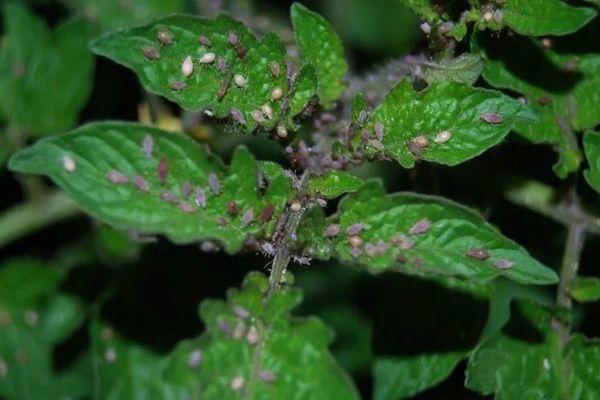
A soap solution will help control aphids on tomatoes, but you need to cover the soil when applying. To combat aphids, you can use a solution of baking soda (75 g per 10 liters of water).
Vegetable growers' reviews of this variety are positive. They consider it a very productive variety, with juicy, bright yellow fruits comparable to the sun, long-lasting and non-perishable, and suitable for canning.
Related posts:
 The best eggplant varieties for growing in a polycarbonate greenhouse: planting and care
 80 Best Eggplant Varieties for Different Regions with Descriptions and Characteristics
 How to control carrot flies with medications and folk remedies
 Methods for planting and propagating cherries at home
 Top 40 DIY New Year's Baking Recipes for 2020
 Is it possible to soak treated cucumber seeds before planting and how to do it correctly?
 The health benefits and contraindications of black currants
 The best grape varieties for growing in the Urals, planting and care rules in summer
