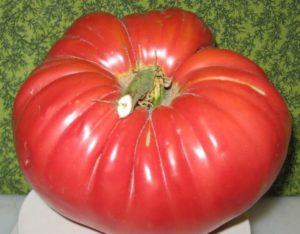
The Viking tomato is known as a salad variety with excellent flavor and consistent yields. It is listed in the State Register of Breeding Achievements.
Advantages of the variety
The Viking tomato has a medium ripening period, with fruiting occurring 110-120 days after germination. This determinate variety is recommended for cultivation in open ground or plastic greenhouses. During the growing season, the bush grows to a height of 70 cm.
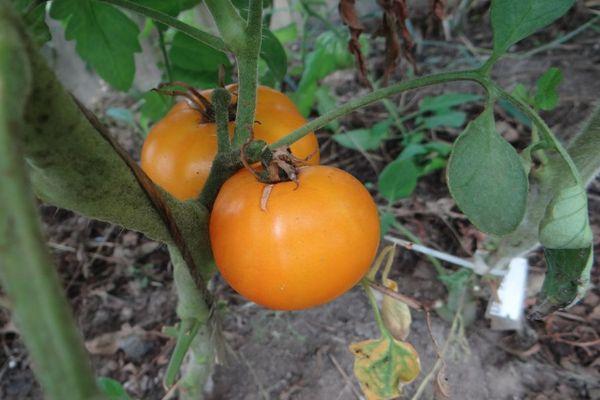
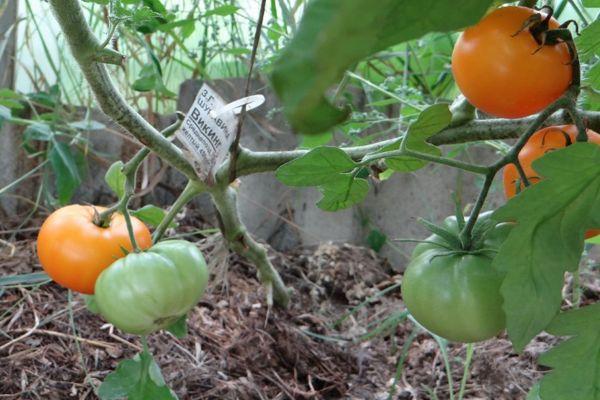
The plant's leaves are medium-sized, and 4-6 tomatoes ripen on a single branch. The crop yields up to 5-6 kg per square meter. The variety's description indicates that the tomato is cold-hardy and drought-tolerant.
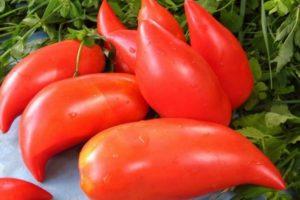
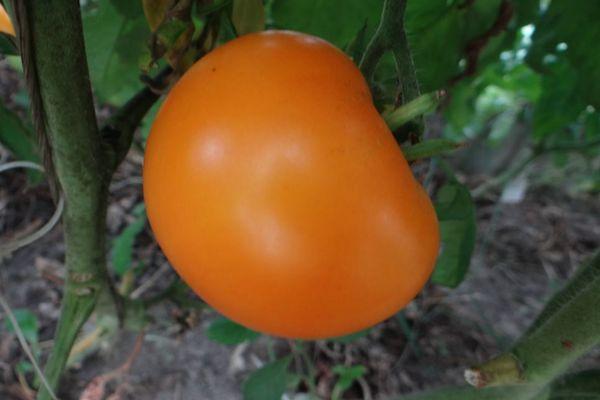
Tomatoes have excellent flavor and are ideal for salads and sandwiches. Unripe tomatoes are green with a characteristic black spot near the stem. Ripe tomatoes turn a rich orange.
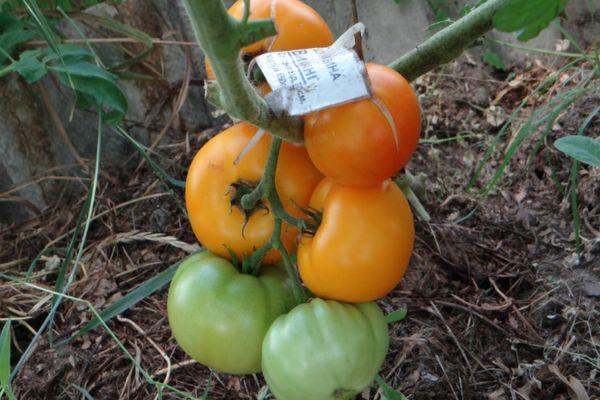
The fruit weight reaches 80-170 g. The shape of the tomatoes is round, slightly convex, with slight ribbing.
Reviews from vegetable growers cultivating the Viking variety point to the excellent flavor of the fruits. The tomatoes are soft and sweet. Furthermore, the fruits are resistant to cracking during ripening and store well.
Agricultural technology of cultivation
Experts recommend cultivating this variety in humus-rich soil. Seeds for seedlings are sown in mid-March. After pre-treatment with an aloe vera water solution and a growth stimulant, the seeds are placed in containers with soil to a depth of 1.5 cm.
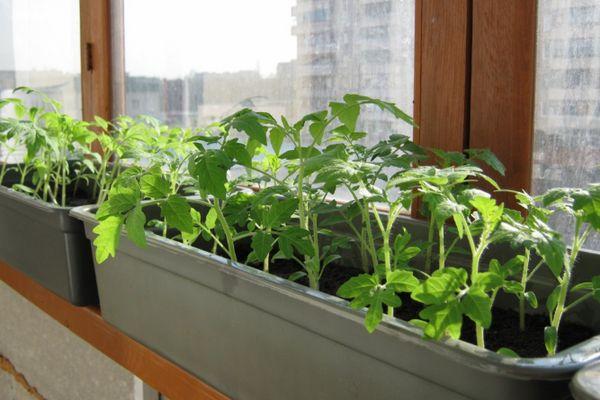
To encourage simultaneous sprouting, water the seedlings with warm water using a spray bottle. Cover the container with plastic film, creating a greenhouse effect. Prolonged daylight hours with a fluorescent lamp ensure normal seedling development.
When 1-2 true leaves are formed, the plants are transplanted into peat containers. This is a good method for transplanting seedlings to their permanent location, as this method ensures the preservation of the root system and helps the tomato plant adapt better to the new conditions.
Seedlings are fed with complex fertilizers. The best predecessors for this crop are carrots, zucchini, cucumbers, cauliflower, dill, and parsley. Seedlings are transplanted to their permanent location at 60-65 days of age (when 5-7 true leaves have formed). 7-9 plants are planted per square meter.
Caring for the crop involves periodic loosening of the soil, weeding, and application of mineral and organic fertilizers. Tomato yield depends on the timing of planting and the climate conditions.
The bushes require a proper light regime and balanced watering to ensure uniform fruit size. By following proper agricultural practices, you can grow a bountiful harvest.
Tomatoes are demanding of soil. During the growing season, they draw a lot of nutrients from the soil. They require phosphorus during root development. During fruit formation, phosphorus and potassium promote faster flowering and ripening. Nitrogen deficiency slows growth and reduces resistance to fungal and viral diseases.
When growing tomatoes, you can use organic farming methods, which involve adding green manure from young plants. For example, growing peas followed by incorporation into the soil, enriching it with nitrogen and organic matter.
Grown up sowing peas You can mow the peas to make compost, mulch the soil with the chopped material, or use it to create liquid fertilizer. After incorporating the chopped peas into the soil, you can plant the bushes in 2-4 weeks.
In the area where tomatoes are planned for next season, legumes can be sown in the fall. In the spring, 1.5-2 weeks before planting the seedlings, the green foliage is mown and incorporated into the soil.
Related posts:
 What is the best way to feed tomato seedlings to make them plump?
 What fertilizers and when to use for feeding tomatoes in a greenhouse
 Description and characteristics of the best indeterminate tomato varieties for greenhouses
 Description of the best varieties of black tomatoes for open ground and greenhouses
 What is the best way to mulch tomatoes in open ground and greenhouses?
 When and how to properly transplant tomato seedlings, the best days in 2025
 Description of the best tomato varieties for pickling and canning
 What varieties of tomatoes are best to plant in a polycarbonate greenhouse?