
Tomato HeatThis bird is the work of Siberian agrobiologists and is included in the State Register of Breeding Achievements. This first-generation hybrid has excellent taste and contains a high concentration of beta-carotene and vitamins. This tomato is popular among vegetable growers.
Advantages of the variety
The early-ripening tomato, Firebird F1, begins bearing fruit 95-105 days after germination. The variety's characteristics and description indicate that it can be grown both outdoors and indoors.

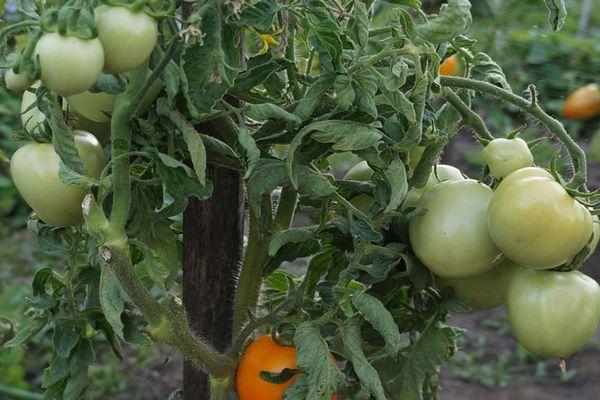
During the growing season, a spreading bush of determinate type with a large amount of foliage, 70-90 cm in height, is formed.
The plant requires shaping, removing excess shoots and lower leaves down to a single flower cluster. When growing the hybrid in greenhouses, growers train the bushes with two stems.
Up to 5 inflorescences are left on the main stem, each producing 5-7 fruits. The first flower cluster forms at the level of the 6th or 7th leaf, and subsequent flower stalks form at intervals of every 1-2 leaves.
The fruits ripen unevenly within the cluster. When harvested, ripe tomatoes are easily separated from the stem. At biological maturity, the fruits are pale green. Harvested unripe tomatoes ripen well in a warm environment, preserving their flavor and nutritional qualities.
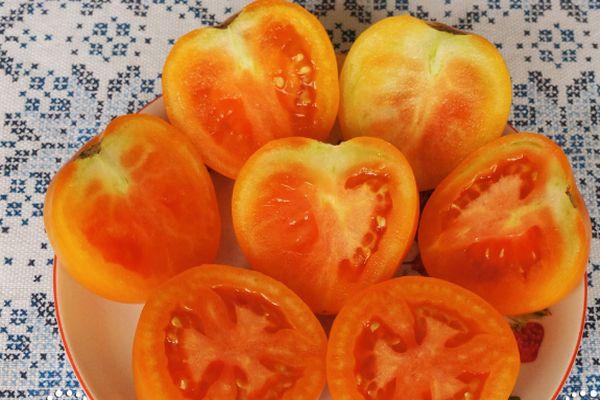
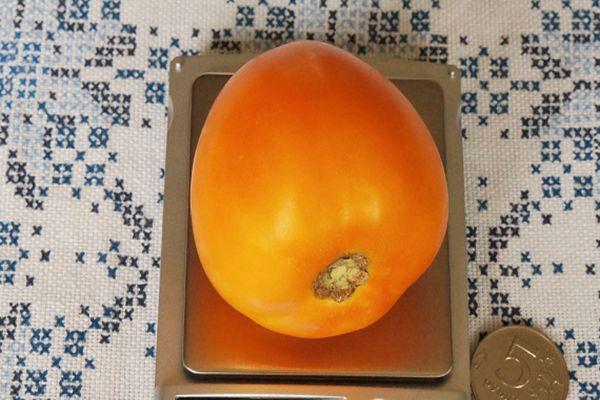
The fruit weight is 130-150 g, sometimes the weight of tomatoes reaches 250 g. When grown in greenhouse conditions, the yield of the Firebird tomato variety is 13.5 kg per 1 m2.
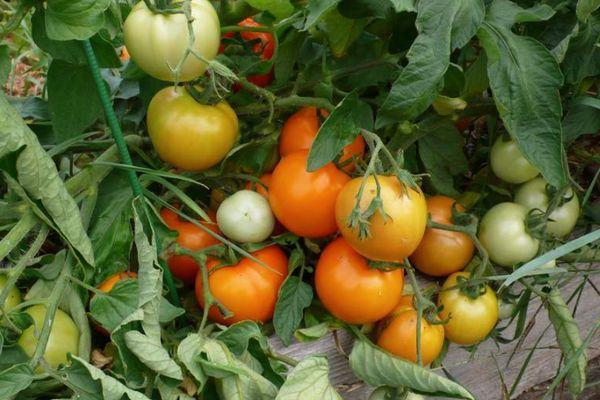
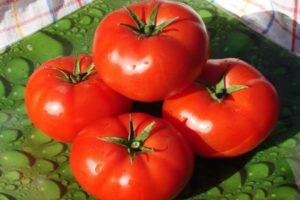
The tomatoes are round, richly flavored, and lack the characteristic green spot near the stem. A horizontal cut reveals chambers containing a small number of seeds. The fruit surface is glossy and orange. They are not prone to cracking as they ripen.
In cooking, the fruits are included in dietary meals, used fresh, and for canning. They retain their shape during heat treatment. Tomatoes are used to make delicious and healthy juice, which contains high levels of ascorbic acid and beta-carotene.
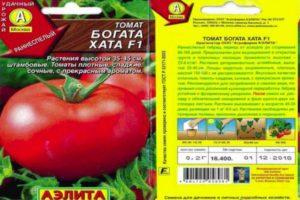
Reviews from vegetable growers attest to the hybrid's advantages, including resistance to tobacco mosaic virus and Alternaria, tolerance to temperature fluctuations, and the ability to set fruit in cool weather.
The fruits have an excellent marketable appearance, easily withstand long-distance transportation, and can be stored for a long period of time.
Agricultural technology for tomato cultivation
Sow seeds for seedlings 55-60 days before the expected planting date. When growing the hybrid in a greenhouse, sow according to the fruiting of the previous plants.
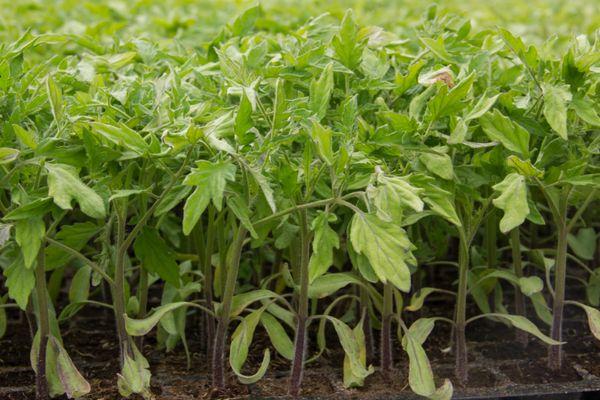
Before planting, it is recommended to treat the seeds with an aqueous solution of potassium permanganate and a growth stimulant. Add a layer of crushed charcoal and prepared soil or substrate to the seedling growing container, lightly compact it, and make furrows 1 cm deep.
The seeds are planted at a distance from each other, mulched with a 1 cm layer of peat, and watered with warm water using a spray bottle. Cover the container with plastic wrap or glass until the seedlings emerge.
For normal seedling development, it's important to maintain an optimal air temperature of 23 to 25°C. To ensure healthy seedlings develop, it's important to ensure access to sunlight, timely watering, and fertilizing with complex fertilizers.
When two true leaves have formed, transplant the seedlings into individual containers. Peat pots are used for this purpose, and the finished seedlings, with one flower cluster formed, are then transferred to their permanent location.
Before planting in the ground, plants are hardened off for 7-10 days. To do this, the seedlings are placed outdoors, gradually increasing the time spent outside from 30 minutes to several hours. This allows the plants to more easily adapt to the new growing conditions.
It is recommended to place 5-6 bushes per 1 m². Planting density does not affect productivity, so low-growing plants can be planted compactly.
Regularly removing shoots with leaves, which is done after pinching, increases the plant's yield. This procedure prevents the plant from growing foliage, but instead diverts beneficial nutrients to the development of tomatoes.
Care is made easier by the hybrid's adaptability to growing conditions. The Firebird tomato maintains its yield even without heavy watering.
To regulate the moisture balance and ensure air access to the root system, plants are hilled and the soil is loosened.
To prevent weed growth and maintain soil moisture, mulch is used. Black non-woven fiber and organic materials (straw, hay, sawdust) are used as mulch.
Related posts:
 The best eggplant varieties for growing in a polycarbonate greenhouse: planting and care
 80 Best Eggplant Varieties for Different Regions with Descriptions and Characteristics
 Description and characteristics of the best seeds of pea varieties and types
 The best grape varieties for growing in the Urals, planting and care rules in summer
 Description of the Velika grape variety, cultivation and care tips
 Description of the best varieties of onions, planting and care in open ground
 Descriptions of the 20 best cherry varieties for the Moscow region, their planting and care
 How to propagate and grow peas, cultivation technology, and care in open ground
This was my first time planting tomatoes, and I really liked the taste, yield, and disease resistance. In recent years, my neighbors' tomatoes, and those in the region in general, have been plagued by viral diseases, but the Firebird tomatoes were pristine, healthy, and strong. I'll be planting them all the time now and recommend them to everyone!