
The Moskovskie Zvezda F1 tomato, whose description should begin with its clear advantage, is an ultra-early variety suitable for both open-field and greenhouse cultivation. With proper cultivation, the first fruits appear as early as 70 days after planting.
Characteristics of the variety
The variety is hybrid and is particularly resistant to diseases and pests.
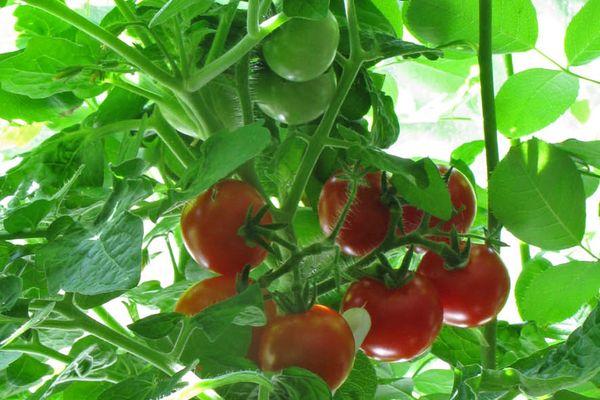
Among the positive qualities we can also highlight:
- unpretentiousness and undemandingness in care;
- high productivity;
- ultra-early ripening;
- no need for tying or pinching;
- ability to withstand adverse weather conditions.
The variety has virtually no serious drawbacks. Experienced gardeners note that the tomato is demanding in terms of watering and fertilizer quality. Another drawback is problems with seed germination, which reaches 80%.

The Moscow Stars variety has the following characteristics:
- The bushes are low, compact, no more than 60 cm in height.
- The fruits are juicy and have a pleasant flavor. Tomatoes grown in warmer climates have a sweeter, sugarier taste.
- One bush produces 10 to 15 fruits, each weighing approximately 110 g.
The fruits are suitable for fresh consumption, canning and juice making.
Growing seedlings and caring for tomatoes
Tomato seeds for seedlings should be planted in late March or early April. Sow the seeds at least 1.5 cm deep and then cover with plastic wrap. The soil should be light and fertile. You can add a small amount of humus. Important: the soil should be neutral in pH!
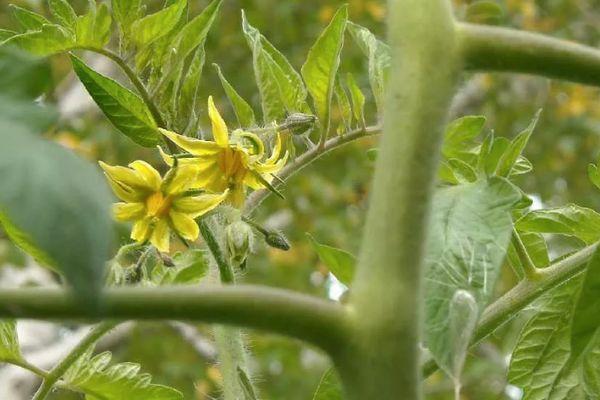
After two full-fledged leaves appear, the seedlings are pricked out. Planting in open ground occurs 55 or 60 days after sowing the seeds. However, two important factors should be considered:
- the soil must be well warmed up;
- the threat of spring night frosts should pass.

In addition, before planting in open ground, it is recommended to feed the seedlings 1-2 times with complex mineral fertilizers (potassium and phosphorus).
The distance between bushes should be at least 30 cm, and between rows at least 40 cm. Moskovskie Zvezda F1 tomatoes require ample watering. It is recommended to water the seedlings in the morning or evening with warm, settled water, once every 5-6 days. If necessary, the bushes can be tied up, but this is usually not necessary. Every week it is necessary to loosen the soil and remove weeds.
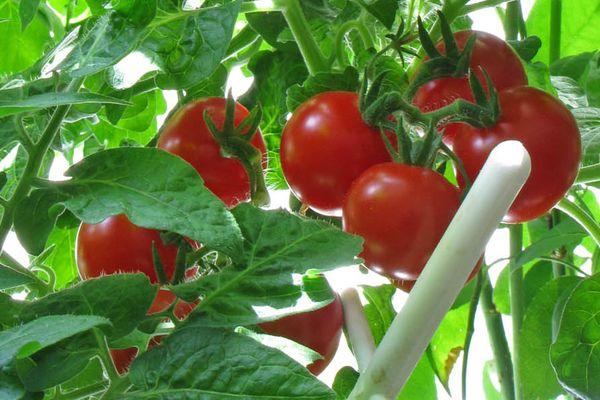
Tomatoes need to be fertilized several times during the season. Bird droppings and cow manure, as well as potassium and phosphorus fertilizers, can be used as fertilizer. Apply fertilizer to the roots in the morning or evening, avoiding contact with the leaves.
Pests, diseases and reviews
Despite the variety's resistance to diseases and pests, improper watering and care pose a risk of late blight, gray rot, and root rot. As a preventative measure, it is recommended to treat the soil with disinfectant solutions before planting the seedlings. In extremely dry weather, the soil should be mulched with peat or straw.

If the leaves begin to wilt, the bushes should be sprayed with copper-containing products. Older bushes may be susceptible to attack by slugs, aphids, and other pests.
To get rid of the insects themselves and their larvae, spray them with a solution of ammonia, diluted at a rate of 4 tablespoons per bucket of water. Slugs and Colorado potato beetles can also be collected by hand.
The Moskovskie Zvezda F1 variety has received mostly positive reviews. Among its advantages are its high yield, low maintenance, disease resistance, sweet, rich flavor, and versatility. Furthermore, this tomato is ideal for beginner gardeners, both in open ground and greenhouses.
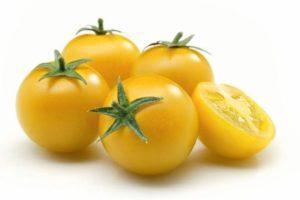

Disadvantages include its demanding fertilizer quality, strict adherence to watering guidelines, low seed germination, and susceptibility to slugs and Colorado potato beetles. However, gardeners note that with timely watering and fertilization, these shortcomings are more than compensated for by the high yield and delicious flavor of the tomatoes.
Related posts:
 Description of the Bryanochka cherry variety, planting and care instructions
 Carrot care guidelines for outdoor cultivation to ensure a good harvest
 Description of the Fatezh cherry variety, planting and care instructions
 Rules and methods for growing mangoes from seeds at home
 Description of the burning clematis, planting and care in open ground, propagation
 Description of care for the variegated variegated mandarin of the Unshiu variety at home
 Growing and caring for hazelnuts in open ground, rules for planting hazelnuts
 Characteristics and description of the columnar apple tree variety Ostankino, planting and care