
- Is it possible to grow a mango from a seed?
- What you will need
- Container and soil
- Planting material
- Preparation and germination of the seed
- Planting a sprouted seedling: timing and planting depth
- Closed method
- Open method
- Necessary conditions and care
- Temperature and humidity
- Illumination of the place
- Irrigation and fertilizing
- Plant formation
- Transfer
- How to care for it in winter
- Diseases and pests: control and prevention
- Spider mites
- Anthracnose
- Bacteriosis
- Will the plant bloom and bear fruit?
- Mango grafting
How to grow a mango tree from a common seed? This question is often asked by gardeners who enjoy experimenting with exotic plants. It turns out that you can grow an evergreen tree from a mango seed. However, this heat-loving plant will only grow indoors; it won't flower or bear fruit. It's better to buy a grafted seedling from a nursery—such a plant will produce a small harvest of fruit as early as three years after planting.
Is it possible to grow a mango from a seed?
Before attempting to grow a mango from seed, it's important to familiarize yourself with this crop. The plant is native to South Asia (India and Burma), where it thrives in humid tropical climates. In Russia, growing mangoes outdoors is unrealistic, but it's quite possible indoors or in a greenhouse.
In the wild, the mango is a tall, vigorous, evergreen tree with a spreading, lush, dense crown and oblong-lanceolate, stiff, glossy leaves. Fruiting occurs 3-5 years after planting, and the tree can live up to 200 years.
This warmth- and moisture-demanding crop can die at temperatures as low as 5°C (41°F). It doesn't tolerate even light frosts or short-term drought, and thrives in slightly acidic soil. Mangoes are grown for their sweet, orange-reddish or greenish fruits.
The tree propagates by seeds (seeds), vegetatively, and by grafting. The seed is sown immediately after removal from the fruit, as it quickly loses viability. However, a tree grown from a seed will likely not produce a harvest, especially if the seed is a selective variety or hybrid. However, it can be grafted onto a cutting from a fruiting tree. Growing mangoes at home is recommended from purchased grafted cuttings. The seedling tolerates transplanting well and will grow into a fruiting tree.
In commercial nurseries, mangoes are propagated by grafting. This method helps preserve all the genetic characteristics of the mother plant.
What you will need
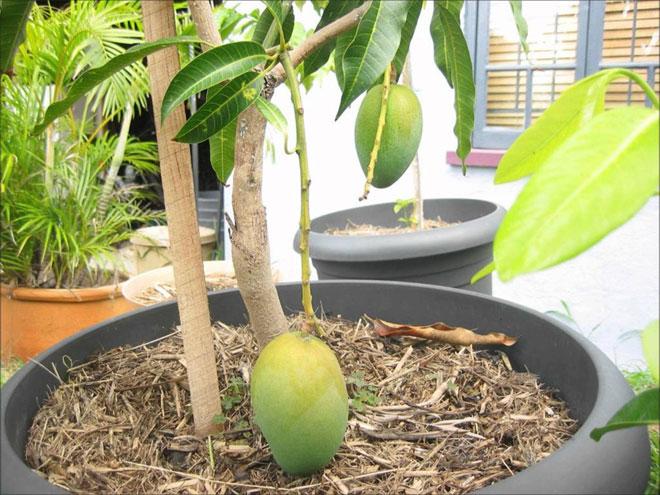
For planting, you need a large, firm, slightly overripe fruit. The seed of an unripe fruit may not germinate. Mangoes can be purchased at any store. The extracted mango seed is first germinated and then planted in the soil. Before planting, you need to choose the right container or pot and prepare the soil mixture.
Container and soil
The soil should be fertile, light, and neutral to slightly acidic. A substrate suitable for azaleas, hydrangeas, or gardenias is suitable for mangoes. You can also prepare your own soil mixture from garden soil, peat, sand, and well-rotted compost. All ingredients should be used in equal proportions. Before planting, the soil should be calcined and treated with copper sulfate, Bordeaux mixture, or a fungicide.
For mangoes, use a tall, roomy ceramic pot with a thick bottom and a drainage hole. It's best to plant the seed in a larger container first, so you don't have to replant the plant later. It's recommended to add fine gravel to the bottom of the ceramic pot for drainage.
Planting material
All you need for planting is the seed, which is found inside the fruit. The seed is removed from the fruit and the pulp and shell are removed. The seed can be planted without removing the kernel. First, the seed is soaked in a fungicide solution and germinated in a nutrient mixture containing a growth stimulant. The seed is planted with the embryo facing down or on its side.
Preparation and germination of the seed
How to germinate mango seeds:
- The pit removed from the fruit is immediately placed in water, to which a few drops of biological fungicide can be added.
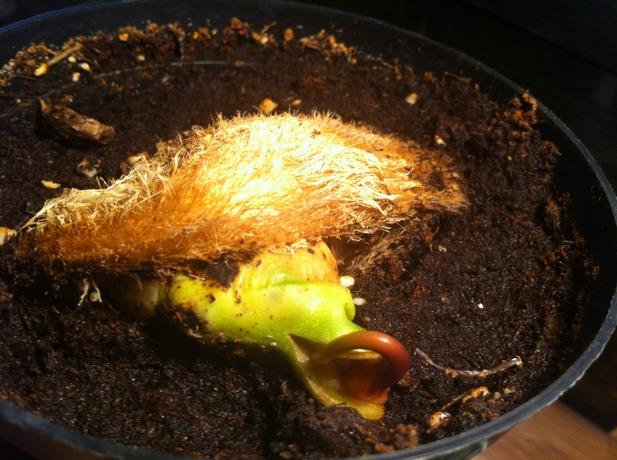
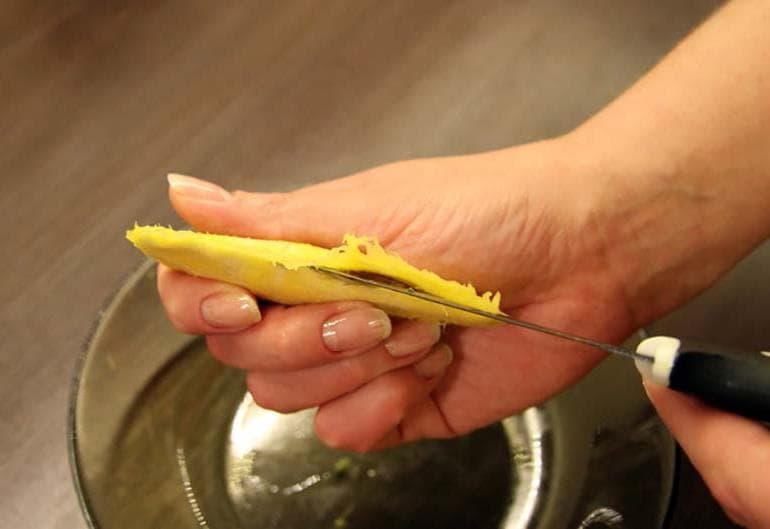
- After a few days (1-3), the pit is removed. Carefully, using a sharp knife, the outer shell is opened, and the kernel inside is extracted.
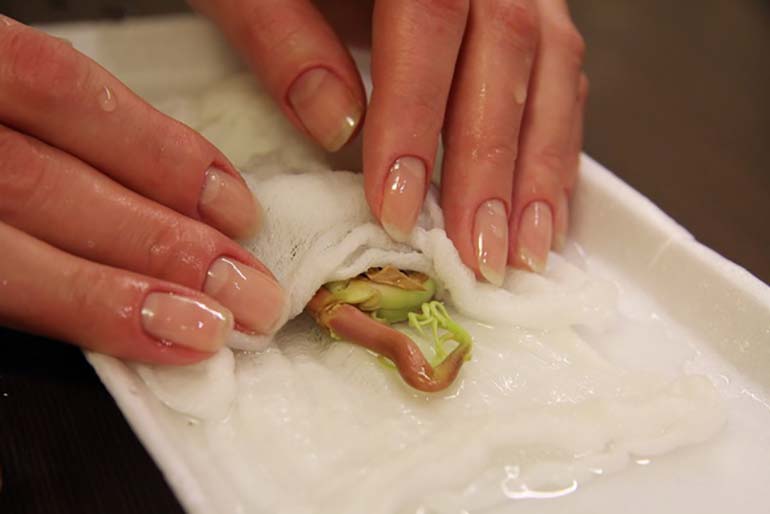
- Place the seed in damp sawdust or moss. Alternatively, place the kernel in a glass with a small amount of water. The liquid should cover half of the seed. Change the water periodically; you can add a few drops of growth stimulant to the liquid.
- The seeds germinate in 15-25 days. During this time, the container with the seedlings should be kept in a room with an air temperature of 20-25 degrees Celsius. The top of the pot or glass can be covered with plastic wrap or a transparent lid.
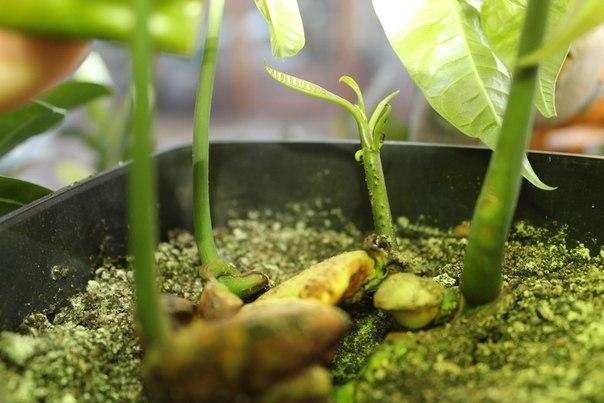
- The sprouted seed is planted in a pot filled with fertile soil. The seed is buried three-quarters of the way into the soil. The sprouted seedling should be above ground, with the root below. Cover it with a bottomless plastic bottle or clear film. Keep the container in a room with a temperature of 20-25 degrees Celsius (68-77 degrees Fahrenheit) and receive 12-14 hours of daylight. You can place the pot on a windowsill. Remove the film or bottle once a day, and water and air the soil.
- Seedlings emerge in 2-3 weeks. The seedlings are watered regularly and, after six months, fed with a nitrogen-containing fertilizer.
Planting a sprouted seedling: timing and planting depth
Before planting the seed, it's best to remove it from its hard shell and let it germinate. This method will result in sprouting within 2-3 weeks. Alternatively, you can leave the kernel in place and plant the whole seed. The sprouts will appear within 1.5-2 months. It's best to plant mangoes in spring or early summer.
Closed method
With this method, the seed is soaked in water for several days (1-5) before planting. A few drops of fungicide are added to the water. The water should be changed periodically. The seed should crack slightly. Then, it is planted (turned on its side) in a pot with moistened soil and covered with soil. After planting, the soil is watered generously with warm water.
Open method
With the open method, the kernel must be removed from the seed. The seed must be germinated for several weeks in a moist substrate. Only after the sprout emerges can the seed be planted in a container with fertile soil mixture.
Take a look Also

Necessary conditions and care
It is recommended to provide the growing seedling with conditions as close to natural as possible, as well as properly organized care.
Temperature and humidity
The mango tree reacts negatively to dry air and insufficient humidity. Regular watering (every other day) is recommended, but the soil should not be overly wet, otherwise the roots will rot. The room humidity should be 72-82 percent. Mist the leaves with a spray bottle once a day. A bowl of water can be placed near the plant.
Mangoes don't like any shocks. The plant should always be kept indoors with a temperature of 20-25 degrees Celsius. It's not recommended to place the mango tree pot on a balcony or in the garden, even in summer.
Illumination of the place
The plant requires 12-14 hours of daylight per day. It's best to place the pot on a windowsill. During the fall and winter, the plant will need additional evening lighting with fluorescent lamps. Leaves will begin to fall if placed in a dark corner of the room.
Irrigation and fertilizing
For better development, mango leaves can be irrigated with a solution (1 gram per liter of liquid) of boric acid. As a root vermicompost is suitable as fertilizer, organic matter (rotted compost, humus), mineral substances, purchased complex fertilizers for citrus or palm trees.
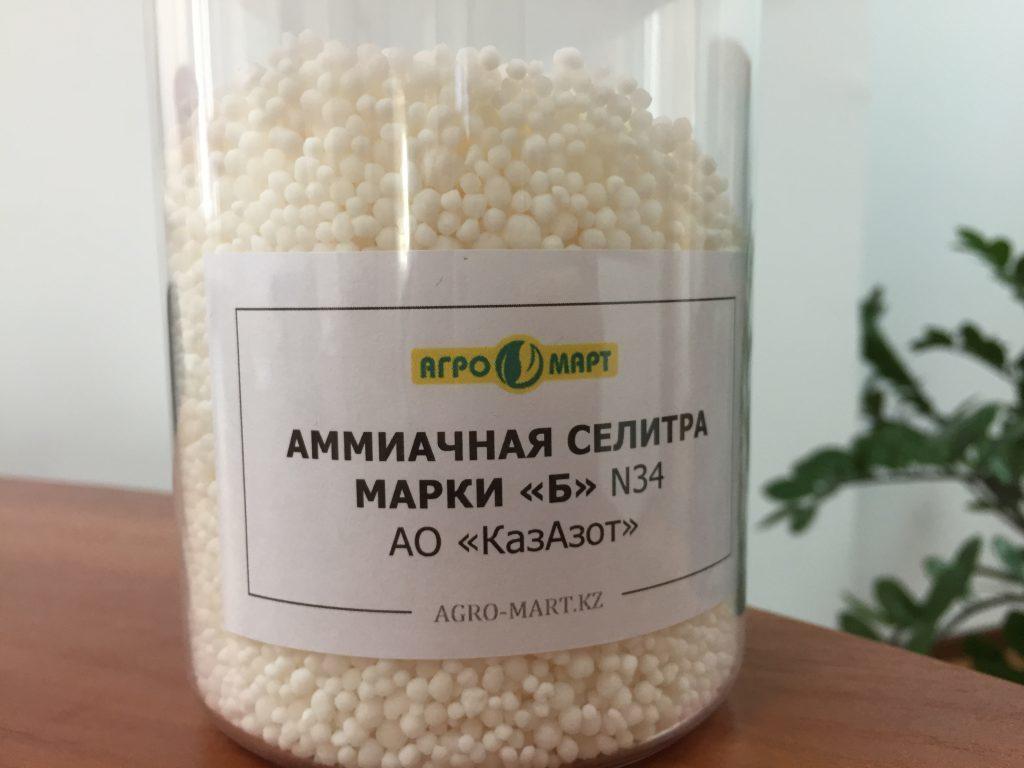
During the first few years of growth, the plant needs to be fertilized with nitrogen-containing fertilizers. You can water the mango tree with a solution of ammonium nitrate, sodium nitrate, or urea. Wood ash can be added once a year. The plant requires potassium and phosphorus for normal growth. Fertilize every 10-14 days in the spring and summer. In the fall, the mango tree can be fertilized once a month. Use 2 grams of fertilizer per liter of liquid.
Plant formation
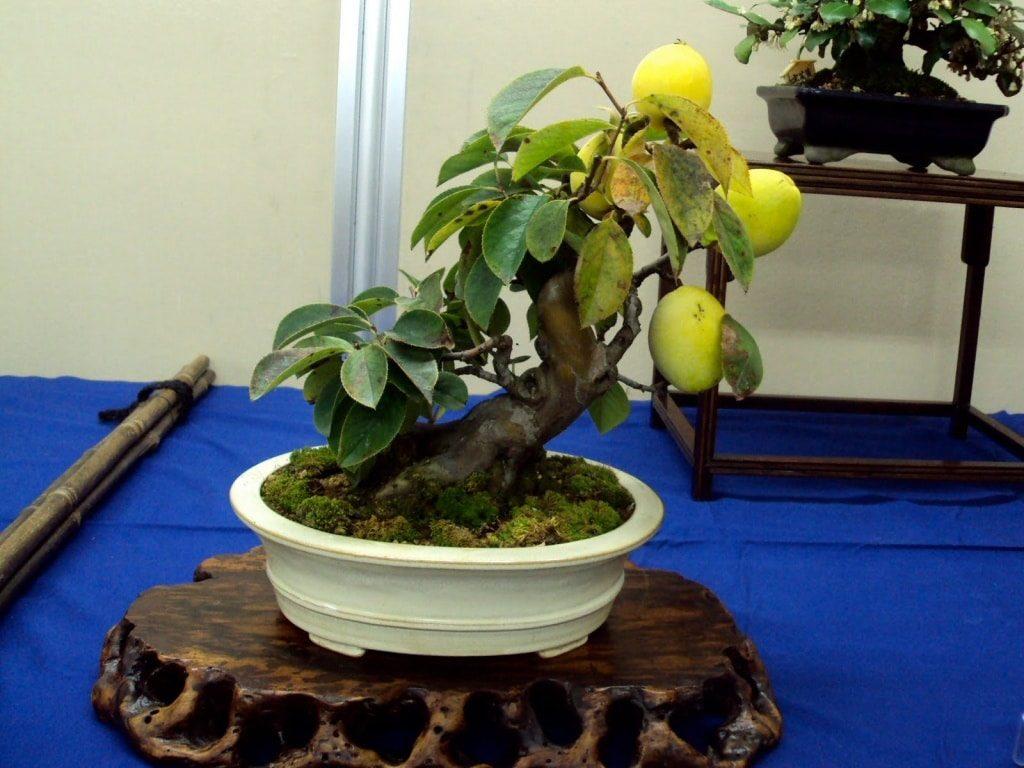
In its natural habitat, the tree can grow up to 25-40 meters in height. A seedling grown indoors can be trained to look like a small tree (up to 1.45 meters) or a compact bush. The plant tolerates pruning well. When the tree reaches 0.90 meters in height, pinch off the top. Branches are pruned two years after planting. Pruning is done in the spring. Cuts can be treated with copper sulfate and putty.
Transfer
A mango tree growing in a cramped pot can be transplanted into a larger container. This is done in the plant's second or third year. The tree, along with its root ball, is carefully removed from the old, cramped pot and replanted in the new container. Add soil around the edges, and then water the plant.
How to care for it in winter
In winter, the plant requires additional lighting in the evening. Even in winter, the air temperature should be between 20-25 degrees Celsius. Water the soil regularly (every three days), and mist the leaves once a day. Do not fertilize the mango in winter.
Diseases and pests: control and prevention
Mangoes grown indoors rarely get sick. If the soil isn't disinfected before planting, fungi and bacteria can become active in the humid, warm environment. It's advisable to pre-treat the soil and seedlings or seeds with preventative measures before planting. Along with fungi, the soil can harbor insect pests. Pre-treatment with insecticides can prevent these.
Spider mites
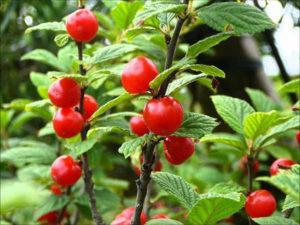
A tiny reddish or yellowish insect that spins a web under a leaf or at the top of a tree. It feeds on plant sap. Spraying the leaves with cold water and treating with an insecticide (Apollo, Vertimec, Neoron) can help prevent spider mites.
Anthracnose
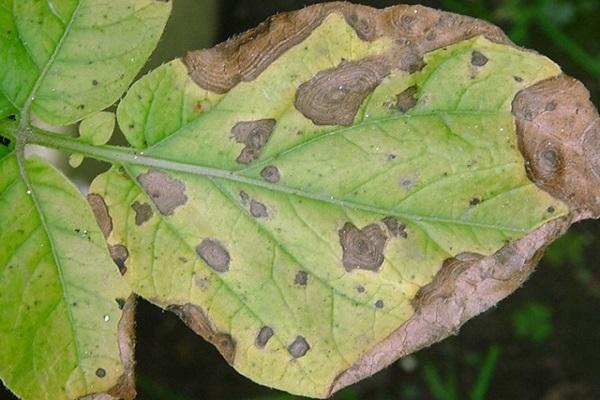
This is a fungal infection that affects plants with a weak immune system. Brownish spots, later developing into holes, appear on affected leaves. Brownish ulcers on the trunk indicate the fungus's activity.
To prevent infection, before planting, the soil is calcined, watered with boiling water, a weak solution of potassium permanganate, copper sulfate or Bordeaux mixture.
Fungicides such as Gamair, Trichodermin, and Fitosporin-M are effective against fungus. Treatment options include Kuprozan, Skor, and Previkur. To eliminate fungus, it is recommended to apply 2-3 treatments with different agents, spaced 15-20 days apart.
Bacteriosis
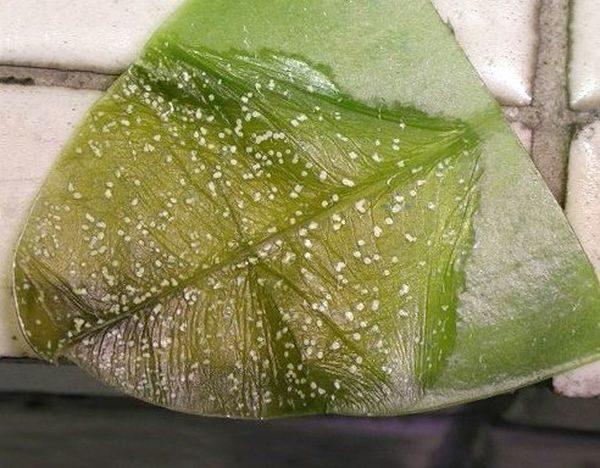
A disease caused by bacteria. A large area of damage appears on the leaf surface, gradually darkening, and eventually drying out. The leaf appears as if sunburned. Copper sulfate and Bordeaux mixture are used as a preventative soil treatment. Before planting, seeds are treated with a solution of Fitolavin or Planriz. Houseplants can be watered with a solution of Trichopolum.
Will the plant bloom and bear fruit?
A tree grown from a cultivar or hybrid seed will only delight with lush evergreen foliage. Such a plant will not flower or bear fruit. To harvest a mango, you need to purchase a grafted plant from a specialized nursery. You can graft the plant yourself, but this will require a cutting or growth bud from a fruiting tree.
Mango grafting
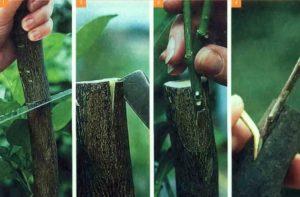
Grafting is one method of mango propagation. This method allows for the preservation of absolutely all the varietal characteristics of the donor plant. A cutting or growth bud from a fruiting tree is used for grafting.
It's best to graft a mango seedling grown from seed in its second year. At this point, the rootstock's trunk is 2 centimeters in diameter. A scion from the cultivar is joined to the rootstock and firmly secured. A growth bud from a fruiting tree is inserted into a cut in the rootstock's bark using budding.
A grafted tree begins to bear fruit after three years. During the first two seasons, it's best to remove the flowers that appear in spring to allow the tree to develop a crown. In the third year, a few ovaries can be left. The fruit ripens three months after the flowers appear.
Related posts:
 The 42 Best New Year's Dessert Recipes for 2020
 How to properly grow a peach tree from a seed at home, planting and care
 How to plant walnuts, care for them, and grow them at home
 Is it possible to grow an apricot tree from a seed in your garden? How to plant and care for it?
 The best ways and methods for properly covering grapes for the winter
 Carrot care guidelines for outdoor cultivation to ensure a good harvest
 The best grape varieties for growing in the Urals, planting and care rules in summer
 Causes and treatment of eggplant pests and diseases, how to combat them at home