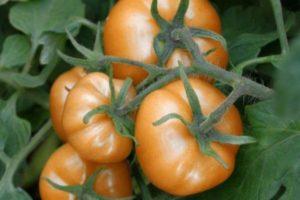
The cluster tomato "Sosedskaya Envy F1" is a first-generation hybrid. This variety is characterized by high productivity and uniform ripening of the fruits. Ripe tomatoes are used fresh, for processing, and for canning.
Advantages of a hybrid
The characteristics and description of the Neighbor's Envy variety indicate that it can be grown indoors. Outdoor cultivation is only possible in southern regions.
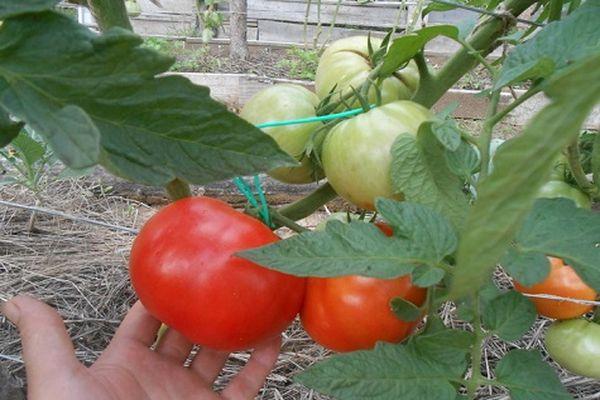
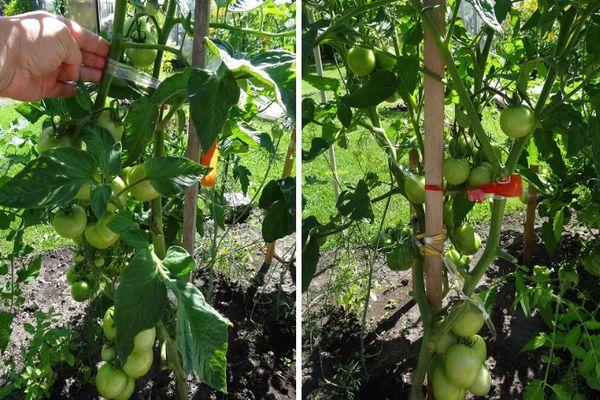
Indeterminate bushes require staking or trellis support during the growing season. To increase yield, the plant is trained into two stems.
A single cluster produces up to 12 fruits, each weighing 110 g. Yields reach 17 kg per square meter. Vegetable growers report abundant fruiting, with the fruits ripening simultaneously and being able to be picked along with the cluster.
This variety of tomatoes lives up to its slogan: "The envy of your neighbors!" The fruits have a smooth, glossy surface and a rounded shape with a flattened top and bottom. At maturity, the fruits turn red.
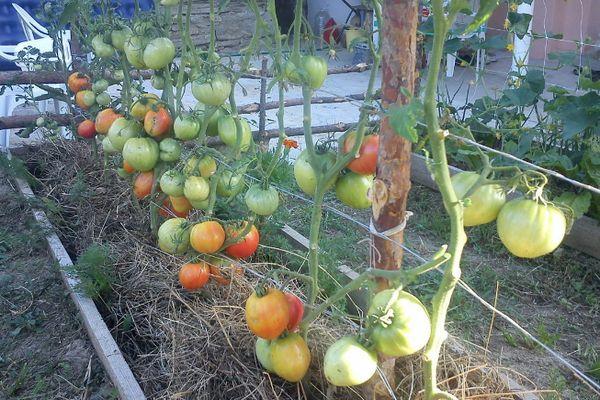
Those who have planted tomatoes in greenhouses note a number of advantages of this cultivation method. Protected soil allows for quick control of pests and fungal diseases affecting nightshade crops.
The growing process is independent of weather conditions, simplifying tomato care. In greenhouse conditions, you can plant and harvest tomatoes twice a year.
Ripe cluster tomatoes of the Neighbor's Envy hybrid can remain on the vine for 30 days without losing their flavor or marketability. The tomatoes are uniform in size and remain firmly attached to the cluster, even during long-distance transportation.
During ripening, the tomatoes' strong skin prevents them from cracking. A distinctive advantage of this hybrid is the sturdy stems, which are not damaged by the weight of ripe tomatoes.
In cooking, the fruits are used fresh, in salads, juices, and pastas. When canned, tomatoes retain their shape.
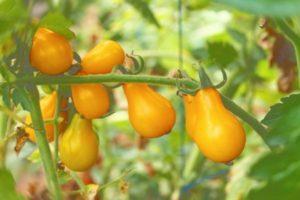
The Neighbor's Envy hybrid is highly resistant to common nightshade diseases. Thanks to its early ripening period, the tomato is resistant to late blight.
Agricultural technology for growing tomatoes
Seeds are sown for seedlings 60-65 days before planting. To do this, fill the containers with prepared substrate, lightly compact it, and water with warm water.
Seeds pre-treated with an aqueous solution of potassium permanganate are placed in 1-cm-deep furrows. To improve germination and promote strong plants, the seeds are additionally treated with a growth stimulant.

After leveling the soil, water the seedlings with warm water using a spray bottle and cover the container with plastic wrap or glass. Place the container in a warm room, where the temperature is maintained at 23–25°C until the seedlings emerge.
After the seeds have sprouted, the covers are removed and the container is placed in a well-lit place with a lower temperature: for 5-7 days, the plants are kept at +15…+16°C, and then increased to +20…+22°C.
When one or two true leaves have formed, the plants are pricked out. This involves transplanting them into a larger container filled with substrate.
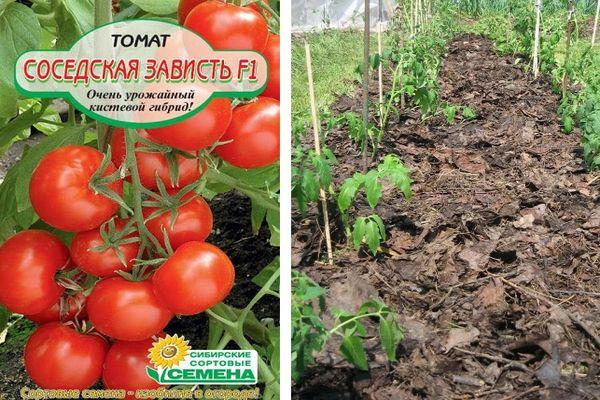
Pricking out promotes the development of the root system, increases the plant's nutritional area, provides oxygen access, and allows you to select healthy seedlings.
Before planting in their permanent location, harden off the seedlings. To do this, raise the room temperature to 15°C and keep the plants there for 7-10 days.
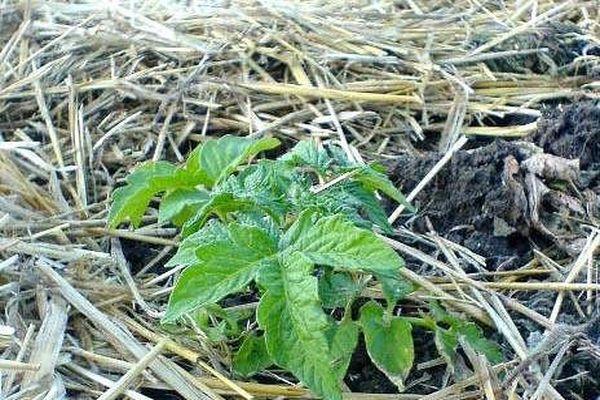
Seedlings with 6-7 formed leaves and one flower cluster are transplanted into the ground. Plants are spaced 30 cm apart, with a 50 cm distance between rows.
Complex mineral fertilizers are applied throughout the growing season.
Tomatoes require nitrogen and potassium at different stages of development. Better fertilizer absorption is possible with a well-developed root system.
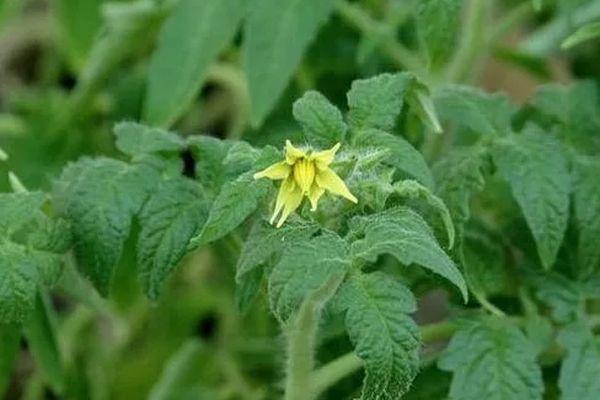 To stimulate root growth, preparations containing phosphorus are used. A deficiency of this component affects the plant's appearance. Dark spots appear on the bushes, leaves curl, and fruits ripen slowly.
When planting seedlings in the soil, it is recommended to add compost and wood ash to the holes. These fertilizers contain a large amount of micronutrients essential for plants.
Water the seedlings with warm water after sunset. To ensure drip irrigation and prevent excessive moisture evaporation from the soil surface, mulching is recommended. This also helps limit weed growth.
Related posts:
 80 Best Eggplant Varieties for Different Regions with Descriptions and Characteristics
 The best grape varieties for growing in the Urals, planting and care rules in summer
 Description of cucumbers "To the envy of everyone f1" and growing a hybrid yourself
 Causes and treatment of eggplant pests and diseases, how to combat them at home
 The best eggplant varieties for growing in a polycarbonate greenhouse: planting and care
 Description of varieties of sowing peas and cultivation, to which family they belong
 Description of the Red Early apple tree variety, agricultural technology and specific care
 Growing and caring for hazelnuts in open ground, rules for planting hazelnuts