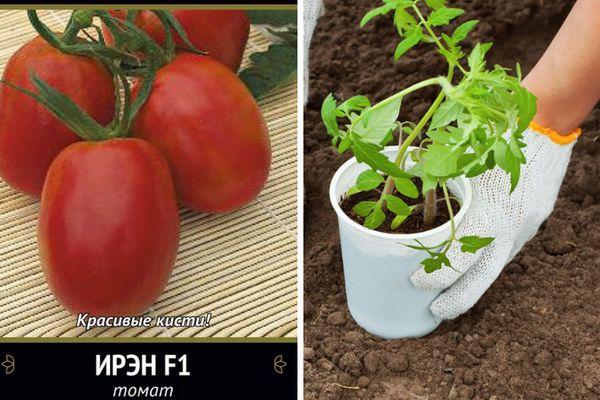
The Irene f1 tomato is a mid-season plant with small leaves. It takes 100 days to ripen. It can be planted both outdoors and in plastic greenhouses. Although it's easy to grow, it does require staking and shaping. Like many other crops, it should be grown from seedlings. It doesn't require much watering (only 2-3 times a week), but increased watering is recommended during dry, sunny weather. Fertilize with special tomato supplements.
What is the Irene tomato?
Characteristics and description of the Irene f1 variety:
- The plant has a simple inflorescence and a cylindrical fruit, smooth and dense.
- When a tomato is ripe, it turns red. If the fruit is greenish-yellow, it's not yet time to harvest.
- The fruit weighs 95-105 g. It has dense and juicy pulp.
- The advantages of the Irene variety include the fact that the plant is resistant to a large number of diseases and has a good yield.
The Irene f1 tomato should only be planted in prepared soil that is free of pests and diseases. The best way to avoid this is to buy pre-mixed, disinfected soil from the store.
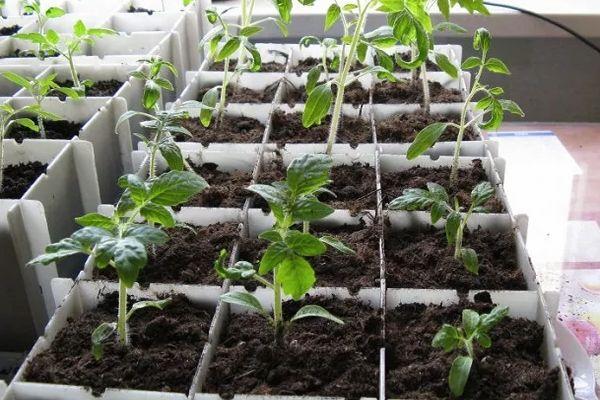
Timely transplanting of tomato seedlings (transplanting the plant into a different container) significantly impacts a good harvest. This process can help determine whether the roots are well developed. If the roots are very weak, this means that the plant is sick and should be removed before the disease spreads to neighboring plants. Usually, tomatoes are picked 10-14 days after the first shoots appear.
Growing tomatoes
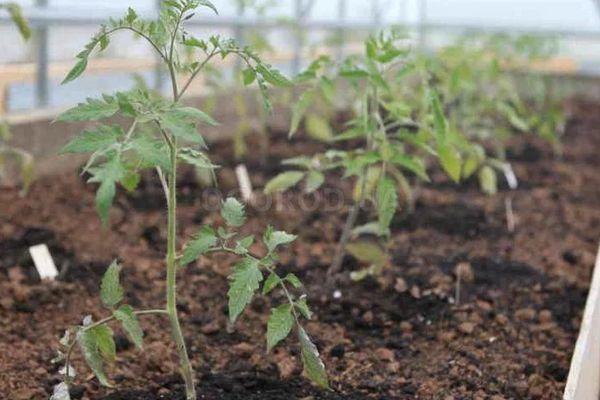
Planting seedlings in the ground occurs 60 days after the plants emerge. Keep in mind that the seedlings should be at least 20 cm tall at the time of planting in open ground. Given that the bush is often short, it's best to shape it by strengthening the trunk and individual stems with supports.
Take a look Also

Strengthening is necessary because large bunches of tomatoes grow on tomato branches, which can break branches and damage the plant. To ensure large and healthy fruits, side shoots (i.e., trimming off excess shoots) should be done weekly.
When caring for the plant, fertilize it with manure, add sand, and loosen the soil around it. Avoid loosening the soil too deeply, as the tomato roots are close to the surface and could be damaged. Water the plant right at the roots.
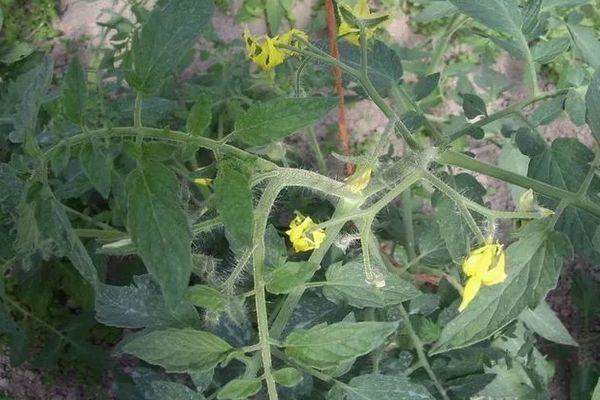
If pests appear on your bush, you need to treat it properly. The most common disease is brown spot, or cladosporiosis. It should be treated with special antifungal agents. It's essential to remove and burn any affected leaves and fruit.
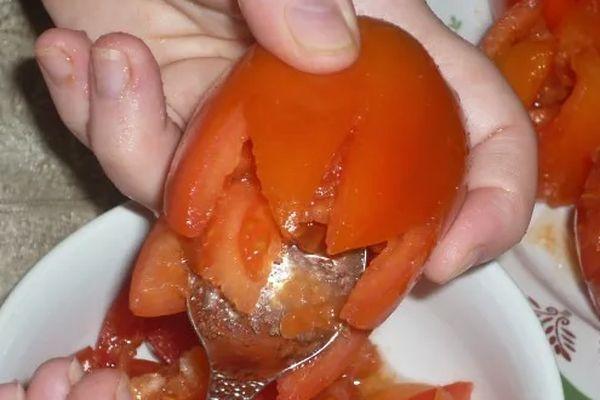
When harvest time comes, the question arises of how to process tomatoes. Every homemaker who has planted the Irene tomato variety notes that the fruits are excellent for canning due to their firmness and shelf life. The fruits of this variety are also suitable for making tomato paste, ketchup, and juices due to their rich, plump flesh. Everyone who has planted and grown this tomato variety leaves excellent reviews, saying the fruits are delicious. These tomatoes are tolerant of Russia's climate and conditions.
Related posts:
 How to plant walnuts, care for them, and grow them at home
 How to properly plant peas in a greenhouse and open ground
 How to propagate and grow peas, cultivation technology, and care in open ground
 Description and rules for growing Solaris grapes
 Description of varieties of sowing peas and cultivation, to which family they belong
 The best grape varieties for growing in the Urals, planting and care rules in summer
 Description and technology of growing Pinot Grigio grapes
 Description of 30 varieties and types of Muscat grapes, planting, cultivation and care