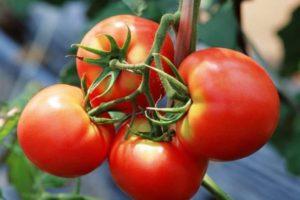
The Kmicic tomato is suitable for fresh consumption, salads, and tomato paste. It also makes a good winter preserve. This variety can be transported over long distances due to its thick skin, which prevents cracking. This tomato is best grown outdoors. In central Russia, it is recommended to plant the plant in plastic or glass-covered greenhouses.
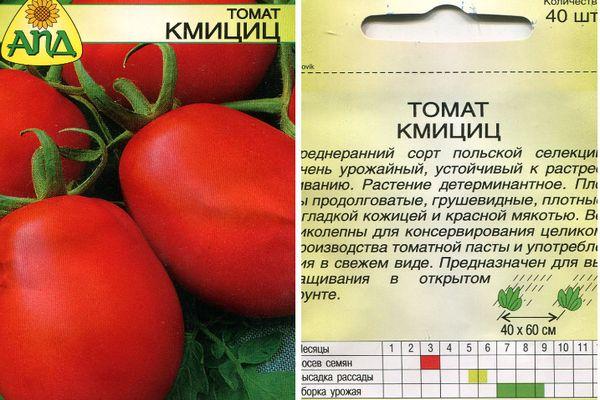
Characteristics and description of the variety
The characteristics and description of the Kmicic variety are as follows:
- The height of this tomato bush is 0.4-0.5 m. Each brush produces 3 to 5 fruits.
- The plant is characterized by a medium number of leaves per bush. The leaves are not very large and are colored in dark shades of green.
- From seedling planting to fruiting, it takes 67-78 days. Harvesting time is in late July to early September.
- The fruits are quite fleshy, weighing on average from 60 to 70 g. They are easy to transport over long distances.
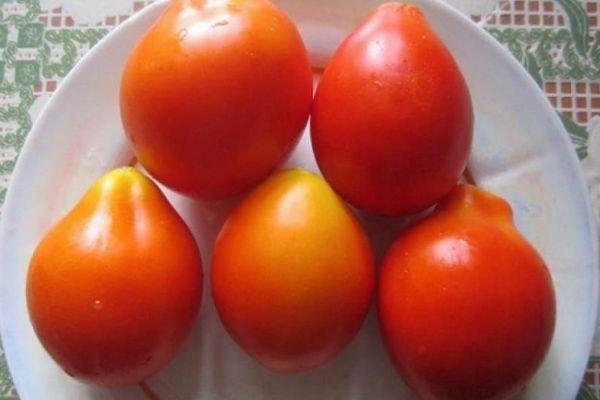
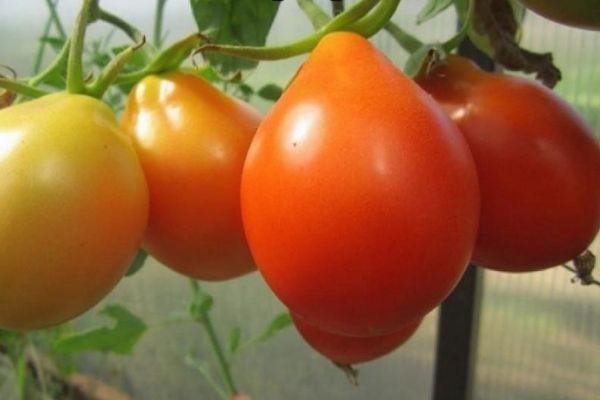
- Tomatoes of this variety are characterized by a pear-shaped form. Ripe fruits are red.
Gardeners and farmers who grow these tomatoes have given positive reviews of the Kmicic variety. They note the high yield of these tomatoes, which range from 4.0 to 6.5 kg per square meter of planted area.
Reviews from farmers indicate that this variety is highly resistant to late blight. Gardeners say that to ensure a high yield, Kmicic tomatoes should be sown in soil previously planted with crops such as dill, cauliflower, and cucumbers.
Tomatoes thrive in areas where carrots, parsley, and zucchini were their predecessors. In Russia, maximum yields of this tomato can only be achieved in greenhouses with timely implementation of all agricultural practices. In open ground in the southern regions of the country, farmers achieve moderate yields.
Growing Kmicic tomatoes yourself
It's recommended to purchase seeds from specialized brand stores. They are planted in containers with pre-fertilized, moistened soil. The planting depth can vary from 10 to 15 mm.
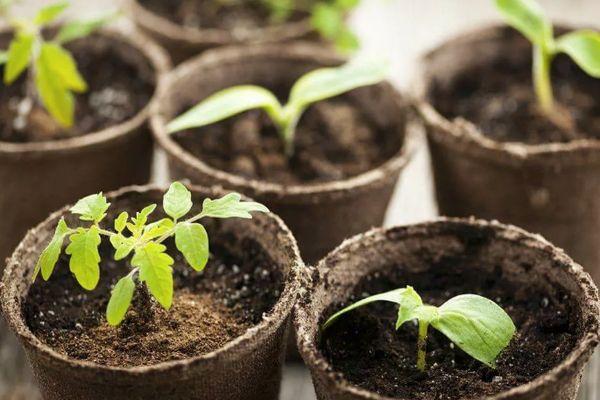
After the seedlings emerge, the boxes are moved under special lamps to maintain adequate light levels. When the seedlings develop 2-3 leaves, they are pricked out.
After this, the seedlings need to be hardened off. To do this, they are placed outdoors for 5-7 days. When the plants reach a height of 8-10 cm, they can be transplanted into the ground.
Before planting, apply a complex fertilizer to the soil, and water the soil generously after the seedlings are established. Seven to nine plants can be planted per square meter of garden bed. The planting pattern is 0.5 x 0.4 m. Bushes are formed from three or four stems. Due to their low height, they do not require staking.
It is recommended to water early in the morning with a moderate amount of warm water. Plants should be fertilized with complex fertilizers three times during the growing season. Nitrogen-based fertilizers are used first, followed by complex mixtures containing potassium and phosphorus.
To prevent fungal infections and viral diseases (such as tobacco mosaic virus), it's recommended to regularly weed the beds. You can also treat the leaves of the bushes with special antibacterial solutions.
It's essential to loosen the soil three times a week. Only timely implementation of these agricultural practices can guarantee a good harvest; otherwise, tomato yields will drop by 24-32%.
Although this variety is resistant to late blight, it's best to take preventative measures to prevent the disease from developing. It's recommended to control garden pests using readily available methods, such as chemicals.
Related posts:
 How to plant carrot seeds in open ground, timing and sowing methods
 Description and technology of growing Pinot Grigio grapes
 Description and cultivation of the Baron Solemacher strawberry variety, planting and care
 What are green manure crops and which ones are best for the garden, when to sow and bury
 Characteristics and description of the Monarch grape variety, planting and cultivation
 Description and rules for growing Solaris grapes
 Characteristics and description of the Chocolate grape variety, planting and care
 The best grape varieties for growing in the Urals, planting and care rules in summer