
The Skazka tomato, the characteristics and description of which are provided below, is an early-ripening variety. Gardeners who have planted this variety note that it is easy to care for and grows well in open ground, but greenhouse sowing does not yield a significant increase in yield. These tomatoes are eaten fresh, although they can also be pickled or canned.
Brief information about the variety
The description of the plant is as follows:
- The Skazka tomato's growing season lasts 90-95 days.
- The bush of this variety grows up to 0.6-0.7 m in height. The stem is quite strong, covered with a large number of dark-colored leaves.
- As the plant develops, up to four side shoots form. You can leave them, or just two or three of the strongest stems.
- It is recommended to grow tomatoes of this variety on trellises or using supports.
- The plant has a simple inflorescence, with 5-6 fruits per cluster. Once the second cluster has formed, trim off the lower leaves.
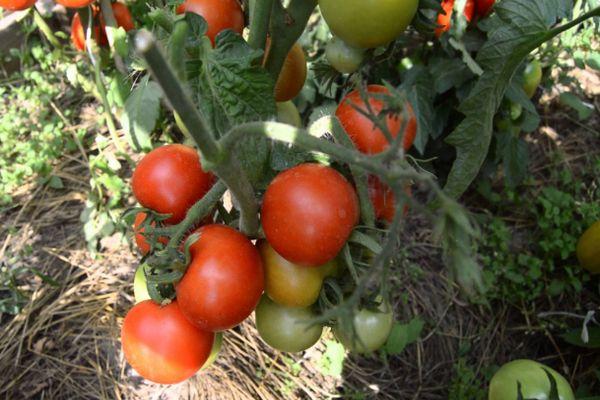
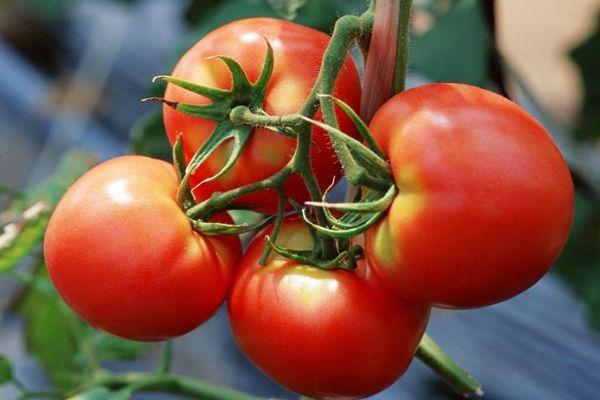
- Tomatoes of this variety produce red fruits shaped like a flattened sphere. Each fruit weighs 0.16–0.2 kg. There is a variety called "Dobraya Skazka." These tomatoes are raspberry or red in color and weigh up to 0.25 kg.
Photos of this tomato can be found in specialized catalogs. Farmer reviews of the Skazka variety indicate that it produces a fairly high yield while being resistant to various fungal infections. The average yield is 3-3.5 kg per plant, with a maximum yield reaching 4 kg per plant.
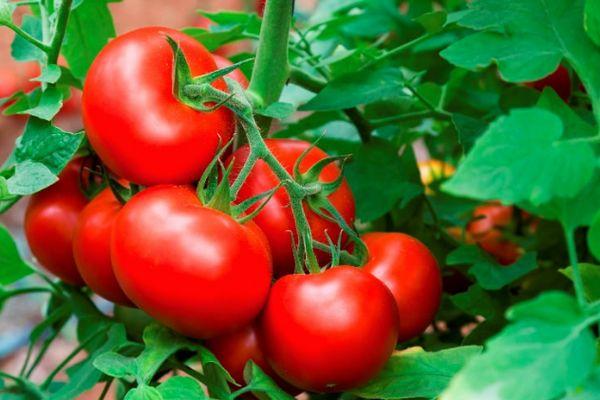
Skazka tomatoes tolerate temperature fluctuations and low moisture levels well, are stress-resistant, and can grow in shaded areas. These tomatoes are recommended for cultivation throughout Russia. In the central and southern regions of the country, this variety thrives in open ground.
Plant propagation and care
Gardeners who have planted and grown this tomato recommend germinating the seeds after soaking them in warm water or aloe vera juice for 12 to 20 hours. If using aloe vera, it's best to use leaves from a plant that's at least three years old. Keep them in the refrigerator for a week, then prepare the solution. Aloe vera juice enhances the protective properties of the tomato seeds.
Before sowing, tomato seeds are dipped in a solution of potassium permanganate, which should turn pink for 20 minutes.
If sowing in winter, to ensure healthy seedlings, the seeds must be illuminated with a special lamp. It is recommended to plant the seeds in a mixture of sand and humus with some ash added.
When germinating seeds in a box under plastic, the room temperature should be maintained at 24°C. Once sprouts emerge, the temperature is reduced to 21°C.
It's recommended to harden off tomato seedlings 7-14 days before planting them in the ground. Increase the time it takes to bring the seedlings outdoors each day, but it's best to do this on cloudy days or in the evening.
Water the seedlings as the top layer of soil dries out. Plant the seedlings in the ground when they reach 0.3 m in height. This is crucial, as otherwise the plants will quickly stretch out, their stems will thin out, and this will lead to a loss of some of the harvest.
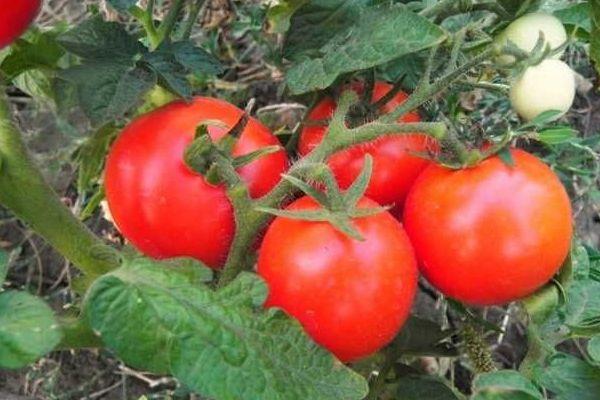
It is recommended to plant 3 to 5 bushes per 1 m². If there are more bushes in the given area, the yield will be lost.
Water the plants with warm water early in the morning or in the evening, after sunset. Weeding and organic fertilizer should be done promptly. Tomatoes can be susceptible to certain diseases, so they should be treated with chemical solutions when symptoms appear. Various insecticides are recommended for controlling garden pests.
Related posts:
 Description and characteristics of the Skazka potato variety, planting and care instructions
 Description of the Persian Tale tomato and cultivation techniques for the hybrid
 Growing and caring for hazelnuts in open ground, rules for planting hazelnuts
 Description and rules for growing Solaris grapes
 Description of Snow Fairy Tale tomatoes and growing recommendations
 The best tomato varieties for growing in the Leningrad region for greenhouses and open ground
 Causes and treatment of eggplant pests and diseases, how to combat them at home
 The best methods for growing grapes from seeds at home
The fruits grow to a medium size, and their flavor is quite distinctive, very sweet and aromatic. You can use the product as a fertilizer. BioGrow, it will protect the seedlings well.