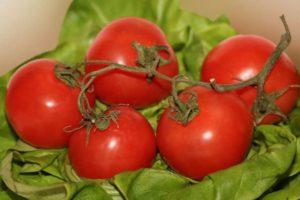
The Tais tomato was added to the State Register of Vegetable Crops of Russia in 2010. It belongs to a group of early-ripening varieties. Breeders recommend growing Tais tomatoes outdoors in the southern regions of the country. When planting in the temperate zone, a plastic greenhouse (without heating) or a hotbed is required. In Siberia and other northern regions, Tais is grown in well-heated greenhouse complexes. The tomato is consumed fresh, canned, and used to make juices, ketchups, and pastes.
Technical data of tomato
The characteristics and description of the variety are as follows:
- The first harvest of fruits is collected 110-120 days after emergence.
- Thais tomatoes grow on a bush that ranges in height from 80 to 100 cm. The plant's stems produce a medium number of leaves, colored in dark shades of green. The leaf blades are medium in size.
- The plant has a simple type of inflorescence.
- The fruit is spherical in shape, flattened at the top and bottom. The berries have slight ribbing on their sides. Ripe fruits are red.
- The berries weigh between 0.2 and 0.22 kg. The flesh is medium-dense. When cut, 4 to 6 seed chambers can be seen.
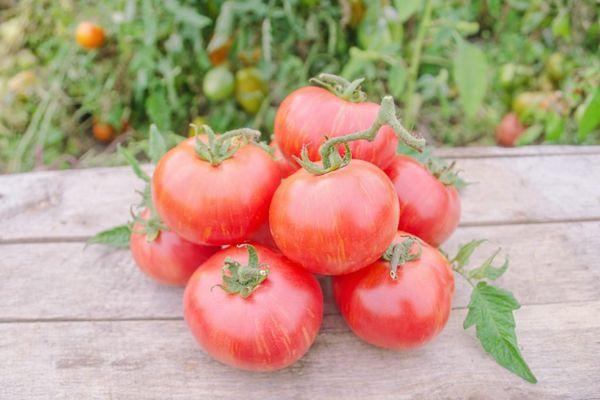
Those who have planted this variety note that Tais has a high yield. One square meter of garden bed yields 6 to 7 kg of fruit. Farmers' reviews indicate that the tomato tolerates sudden temperature changes well. The plant can withstand cold, but don't experiment with this property, otherwise you could lose the entire harvest.
Those gardeners who have planted Tais in their plots claim that the variety is easy to care for. The tomato is resistant to many diseases that affect nightshade crops.
Gardeners note that the fruits of this plant can be stored for 20-25 days in a cool place without deteriorating their flavor. Trading and manufacturing companies purchase large quantities from the population of Tais. The tomato easily withstands long-distance transportation.

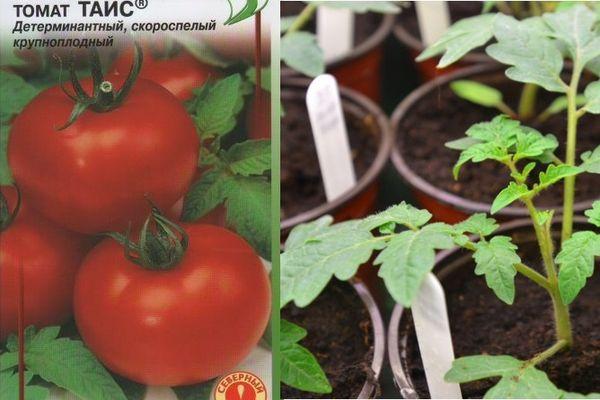
Obtaining seedlings and caring for tomatoes
Seeds are purchased from specialized stores. It is recommended to disinfect them with a solution of potassium permanganate or hydrogen peroxide. This preventative measure increases seed germination and eliminates the risk of fungal infection.
To sow seeds, you'll need to purchase a complete soil mix or make your own using equal parts garden soil, sand, and peat. You'll also need containers, such as plastic boxes with holes. Fill them with soil, treat it with potassium permanganate, and then plant the seeds at a depth of 10 to 20 mm.
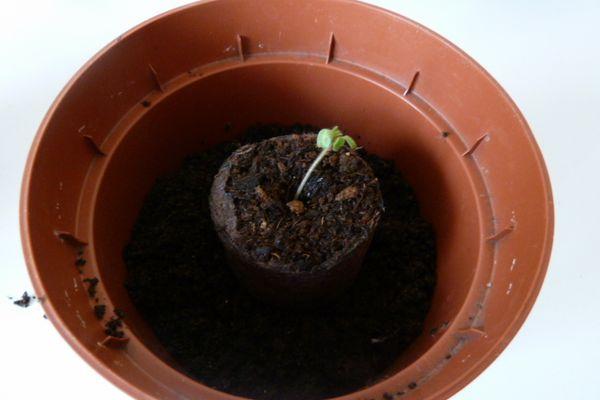
Regular watering with warm water is required. The room where the seed containers are kept should be kept at a temperature of at least 21°C.
The first sprouts will appear in a week. When this happens, place the seedling boxes under fluorescent lights or in a sunny location.
When 1-2 leaves appear on the sprouts, the plants are pricked out, and after 2 months they can be transferred to permanent soil. Before this, the sprouts are hardened off for 7-10 days.
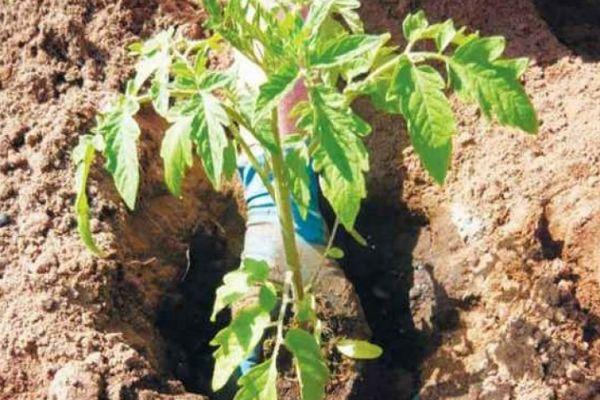
The seedlings are planted in a 0.5 x 0.5 m grid. To do this, the soil in the bed is loosened and organic and nitrogen fertilizers are added. The bushes are then planted and watered with a small amount of water.
Although the plant is low-maintenance, it's recommended to follow certain cultivation practices, otherwise you risk losing the entire harvest. Water the bushes regularly, 1-2 times a week. This is done using a watering can and warm water. Watering times are early morning or late evening.
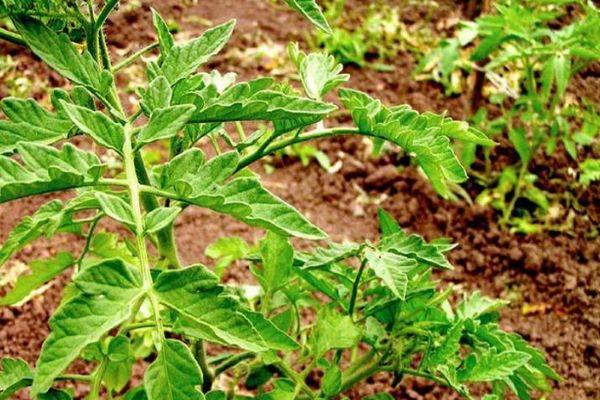 It is necessary to loosen the soil under the bushes every 6-7 days. Weeding is recommended twice a week. Fertilize plants during growth with nitrogen and potassium fertilizers. After flowering, use potassium and organic mixtures. After the first fruits appear, apply complex fertilizers containing phosphorus and potassium.
To protect tomato plants from garden pests, various chemicals or folk remedies are used, such as copper sulfate or soap solution. Slugs are repelled by adding ground ash to the soil around the tomato roots.
Related posts:
 The best eggplant varieties for growing in a polycarbonate greenhouse: planting and care
 Causes and treatment of eggplant pests and diseases, how to combat them at home
 Growing and caring for hazelnuts in open ground, rules for planting hazelnuts
 Description and rules for growing Solaris grapes
 Is it possible to soak treated cucumber seeds before planting and how to do it correctly?
 Technology for growing corn in open ground and greenhouses, planting and care
 Conditions for growing mandarin at home and rules for caring for the tree
 Peach tree care and agricultural secrets, pest control
Take a look Also