
- Characteristics of the Rip van Winkle variety
- Features of flowering
- Examples of use in landscape design
- Planting and caring for the plant
- Select healthy bulbs
- Site preparation
- Planting plans and dates
- Watering mode
- Fertilizing the plant
- Trimming
- Prevention of diseases and insects
- Methods of reproduction
- Difficulties in growing
- Reviews
Daffodils remain a constant in the plots of Russian gardeners. These undemanding and beautiful plants are among the first to grace front gardens and flowerbeds after a long, cold winter. Although breeders develop new varieties every year, among the varieties that have been around for decades, there are some that still hold leading positions today. One such daffodil is 'Rip van Winkle.'
Characteristics of the Rip van Winkle variety
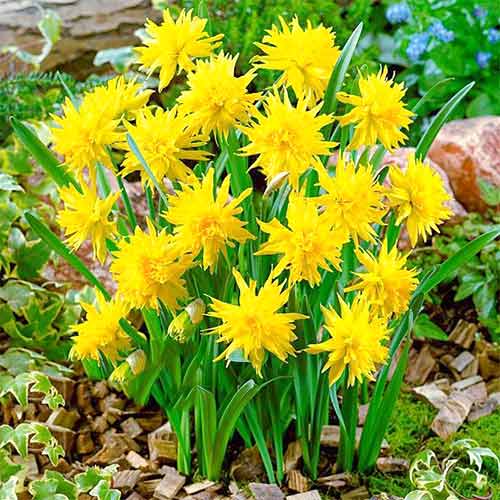
The creator of the Rip van Winkle variety is unknown, but the narcissus was bred back in 1884. The flower belongs to the dwarf varieties, not exceeding 30 cm in height. Despite its compact size and short stems, this variety produces fairly large buds, reaching up to 8 cm in diameter. This narcissus is highly winter-hardy and rarely affected by diseases or pests.
Features of flowering
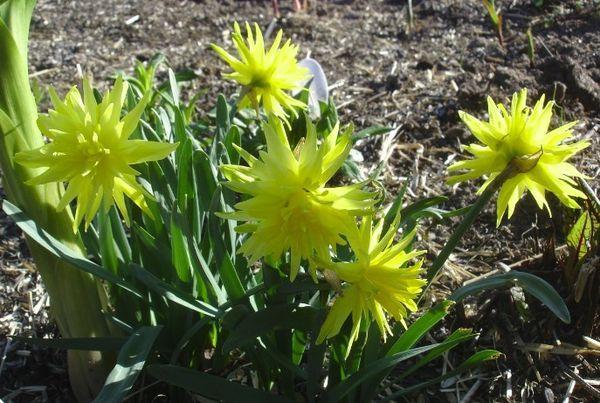
Rip Van Winkle is a double daffodil, with buds reminiscent of chrysanthemums. The petals are a sunny yellow hue. They look particularly striking against the dark green foliage.
This variety is a late-blooming one, with the first buds appearing in late May. The flowering period lasts no more than two weeks. The buds emit a sweet, pleasant aroma.
Examples of use in landscape design
Landscape designers recommend using this daffodil variety for alpine gardens. They also look spectacular in rock gardens. Gardeners combine Rip van Winkle with hyacinths and tulips in contrasting shades.
Planting and caring for the plant
Planting and caring for Rip Van Winkle daffodils is straightforward. The key is to properly prepare the bulbs and water and feed the plants regularly.
Select healthy bulbs
When purchasing planting material, ensure that the bulbs are firm and the bases are dry. The scales of a healthy bulb are golden or brown. Also, inspect the material for any suspicious spots, rot, or pest damage. Before planting, it is recommended to soak daffodil bulbs for half an hour in a fungicide; this is an effective preventative against fungal diseases.
Site preparation
When planting daffodils, it's recommended to choose a location with light shade. Direct sunlight will cause the petals to fade, while shade will cause slow growth and disease. The soil in the flowerbed should be well-drained and permeable, as standing water will cause the bulbs to rot. Sand and wood ash can be added to heavy clay soils to improve their properties.

Digging begins in late June, removing weed roots and adding compost. Before planting, the soil is loosened again, albeit shallowly.
Planting plans and dates
The exact timing of planting daffodils depends on the climate. However, it's best to do so no earlier than mid-August and no later than late October. Follow these instructions for planting:
- Holes are dug at a distance of 15 cm from each other, the depth corresponding to three diameters of the bulb.
- A little sand is poured into the bottom of each hole to better absorb the liquid.
- The bulbs are planted and covered with the remaining fertile soil, compacted slightly and watered.
- A layer of mulch made from organic materials is placed on top.
Watering mode
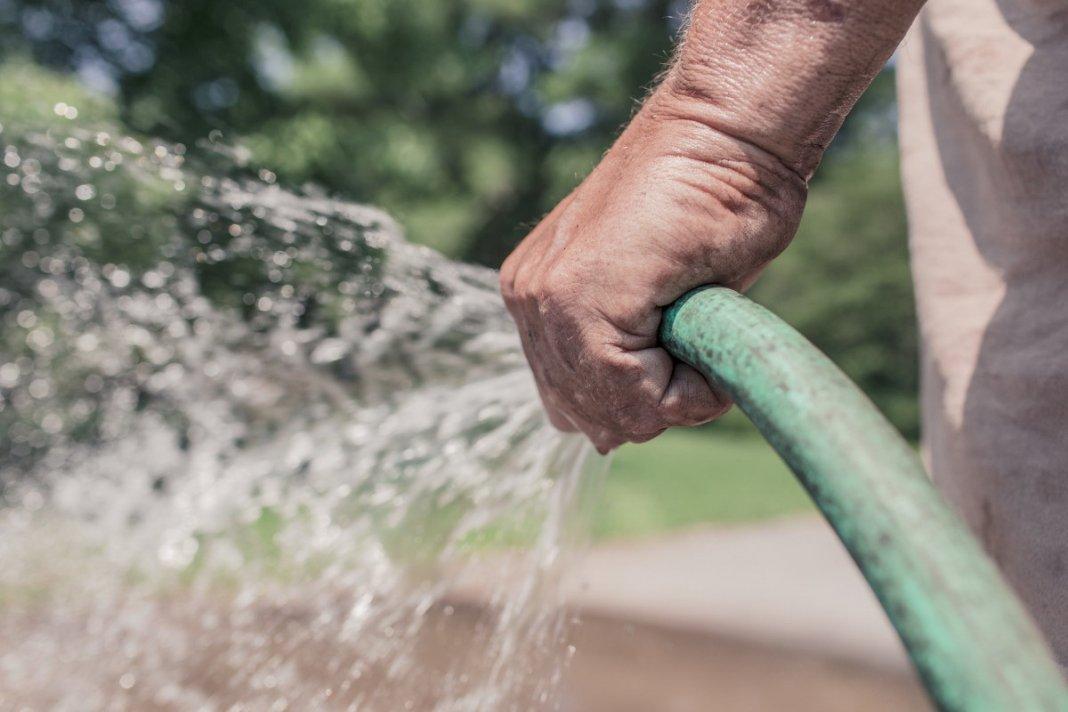
If there's sufficient rainfall during the season, narcissus doesn't need additional watering, as it doesn't tolerate excessive moisture. Only during dry weather should you begin watering, using 20 liters of warm water per square meter of area.

Fertilizing the plant
Growing daffodils with large, beautiful buds is impossible without fertilizer. Applying nutrients follows these instructions:
- As soon as the first shoots appear, use a complete mineral fertilizer.
- When flower stalks are forming, daffodils need fertilizer containing potassium and nitrogen.
- When the buds are fully formed, apply complete mineral fertilizer again.
- During the flowering period, it is useful to feed the flowers with phosphorus-potassium fertilizers.
Fresh manure should not be used to feed plants, as it attracts pests such as the narcissus fly.
Trimming
Once the buds fade, they are carefully removed from the daffodils so they don't spoil the flowerbed's decorative appearance. Flower stalks are pruned only in midsummer, as they contain the nutrients the bulbs need to survive the winter.
Prevention of diseases and insects
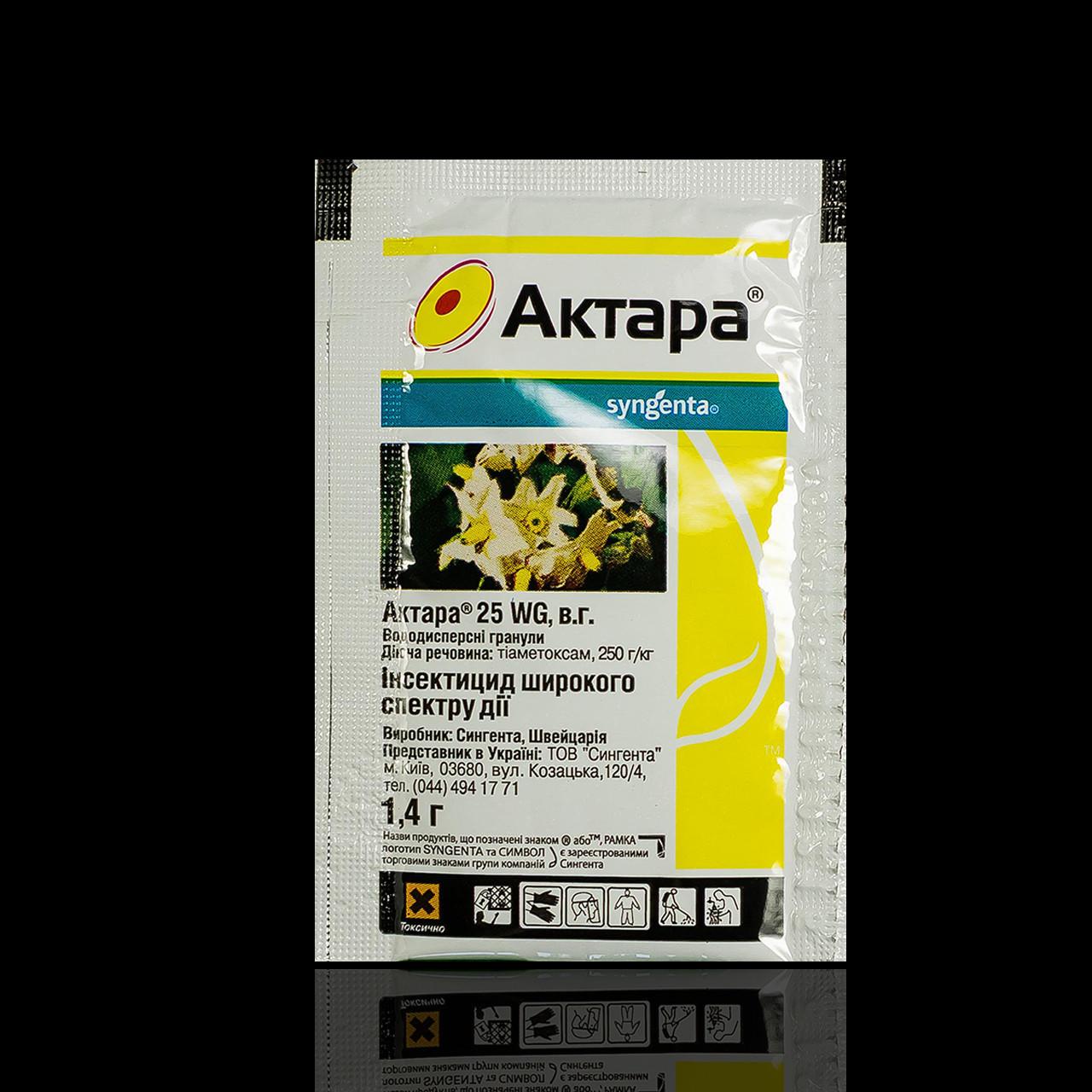
To prevent diseases such as fusarium wilt and rot, treat the bulbs with fungicides before planting. In the spring, as soon as the first shoots appear, treat the flowerbed with a copper-containing preparation. To prevent pests, weed and remove fallen leaves from the area promptly. If insects have already infested the daffodils, use insecticides such as Aktara.
Methods of reproduction
There's only one way to propagate the Rip Van Winkle daffodil: by using daughter bulbs. These are separated from the mother bulb in the fall and planted in prepared areas.
Difficulties in growing
The main problem when growing daffodils is the lack of large buds or slow plant growth. Fertilize according to schedule, and if the flowers are planted in the shade, move them to a sunny spot.
Reviews
Maria Igorevna Rokotova, 59: "One of my favorite varieties—it's disease-resistant, blooms beautifully, and has a mild scent. I even grow this daffodil indoors on my windowsill."

Related posts:
 Description of shallot varieties, cultivation and care, when to harvest
 Planting and caring for daffodils in open ground, the best time and growing rules
 When and how to plant tulips in the Urals in autumn and care for them outdoors
 Description of the best varieties of onions, planting and care in open ground
 When is the best time to plant tulips in open ground? Timeframes by region and rules.
 When to dig up gladioli for the winter, timing and rules for storing bulbs
 Description and characteristics of the Ice King daffodil variety, planting and care instructions
 Description and characteristics of the Dick Wilden daffodil variety, planting and care instructions