
- Characteristics and description of herbaceous hibiscus
- Use in landscape design
- Popular hybrids and varieties
- Specifics of flower cultivation
- Preparing the seedling
- Choosing a landing site
- Soil preparation and direct planting
- Caring for herbaceous hibiscus in open ground
- Watering
- Top dressing
- Trimming
- Preparing for winter
- Control of diseases and pests of herbaceous hibiscus
- Reproduction
- Seeds
- By cuttings
- By dividing the bushes
- Possible difficulties
Experienced gardeners and landscape designers are particularly fond of shrubs or small trees that can enhance a property and require little care. This is the characteristic experts give to the herbaceous hibiscus, which is grown in gardens as a perennial shrub or annual herb. Hibiscus belongs to the Malvaceae family and is a classic representative of tropical varieties.
Characteristics and description of herbaceous hibiscus
Herbaceous hibiscus, or grass hibiscus, is a hybrid obtained by crossing several varieties of American shrubs. This hybrid is a garden variety distinguished by its ornamental qualities and adaptability to a variety of growing conditions.
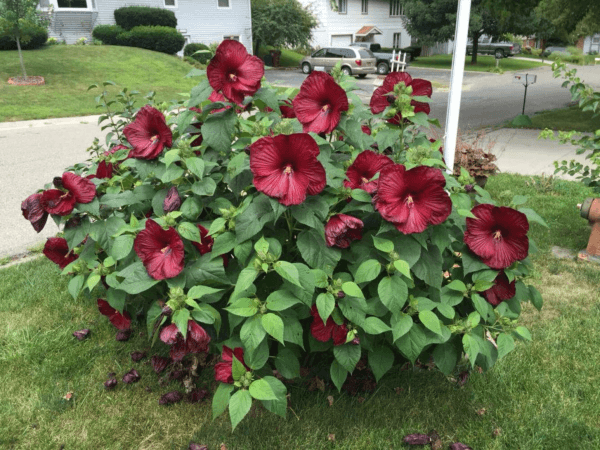
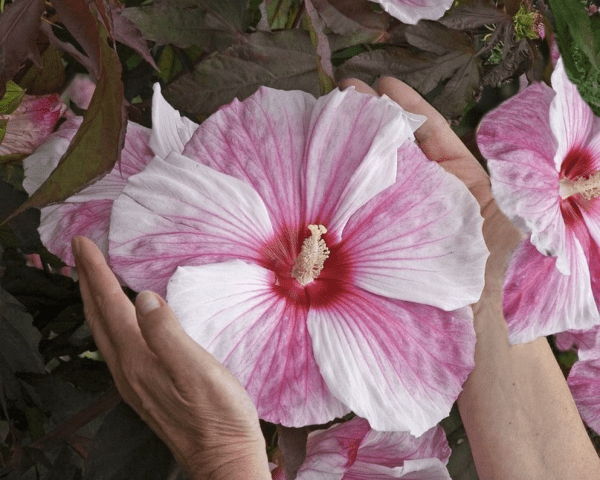
The perennial bush grows up to 2 meters if properly cared for. Blooms during the warm summer months. Bright, large flowers, reaching 24-30 centimeters in diameter, open against a backdrop of green leaves. The petals range in color from white-pink to vibrant purple.
The hibiscus root system is branched, fully formed, and located at a depth of 20 to 40 centimeters from the topsoil, so it tolerates low temperatures and drought well.
Use in landscape design
When planting garden hibiscus, it is customary to adhere to one of the basic placement options:
- for decoration of park areas;
- for single planting on a green lawn;
- in combination with other ornamental shrubs.
Popular hybrids and varieties
Among the popular hybrids there are more than a hundred varieties:
- Carousel. This variety is recognized by its huge white buds with a dark, crimson center. The bush grows up to 2.5 meters. It is considered highly winter-hardy.
- Robert Fleming. A variety distinguished by bright red buds reaching 24 centimeters in diameter. The petals have a velvety texture, and flowering continues from July to late August.
- Cranberry Crush. This variety with small, scarlet-petaled flowers differs from other hybrids in that the leaves turn purple by the end of the season.
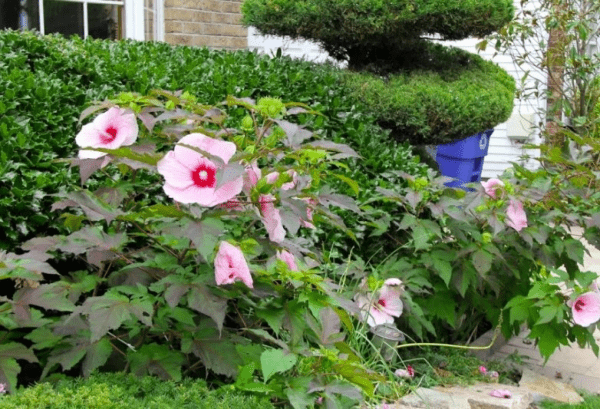
- Summer Storm. A hybrid with white and pink buds that bloom for 60 days against a backdrop of green and purple leaves.
- Cherry Cheesecake. A compact shrub that grows up to 1.8 meters. White buds open to reveal a purple-cherry center.
- My Valentine. A variety characterized by bright green foliage and medium-sized, vibrant red flowers.
- Midnight Marvel. The foliage turns a rich purple as the buds fade. The petals of the buds are a persistent scarlet color. This shrub is most often pruned into a pyramid shape.
- Yunost. A variety with small inflorescences shaped like tulips. The petals are milky white, and the buds reach 15 centimeters in diameter. This variety is distinguished by its increased frost resistance.

Specifics of flower cultivation
Hibiscus is known for its low maintenance and minimal care requirements. When planning hibiscus plantings in your garden, follow these basic guidelines.
Preparing the seedling
Selecting seedlings during the planning stage includes a visual inspection. The plant should be green and have 1 to 3 leaves on a firm stem. Gardeners recommend purchasing seedlings with bare roots to fully assess their condition.
Warning! Yellowish and dry spots on the surface of the stem and leaves of the seedling indicate an infection.
Choosing a landing site
The optimal placement is to select a location that provides 6-7 hours of daylight per day. However, light shade from neighboring buildings or crops is acceptable. The shrub's leaves quickly fade in direct sunlight, which can lead to smaller blooms in subsequent years.
Warning! Hibiscus are typically planted along fences or house walls. They should definitely not be planted in low-lying areas where there is a risk of seasonal waterlogging.
Soil preparation and direct planting
Hibiscus soil should be slightly acidic, close to neutral in pH. The soil should be well fertilized with organic matter and dug over before planting to provide additional oxygen.
Planting is done in the spring, when there's no chance of frost. Dig a 60-centimeter-deep hole and line the bottom with a drainage layer. Transplanting is done by transplanting, meaning the roots are kept in place with the soil from the planting container attached. Leave 1 to 1.5 meters between hibiscus bushes to allow for ample root growth.
Caring for herbaceous hibiscus in open ground
Herbaceous hibiscus requires timely watering, loosening, and fertilizing. Regular pruning is essential for maintaining the shrub's attractive appearance.
Watering
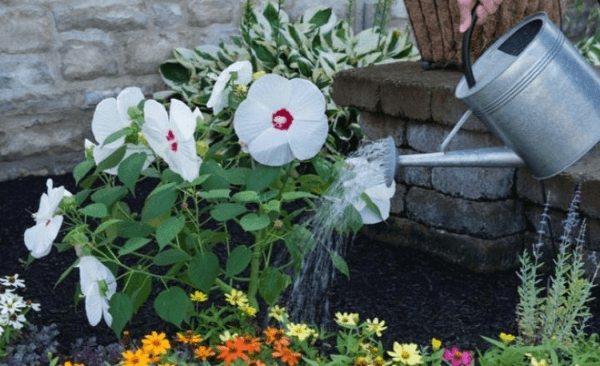
For full growth, the shrub requires constant watering. Watering should be repeated as the top layer of soil dries out.
You can reduce the amount of watering in the summer by adding a layer of mulch to retain moisture. Mulching will protect the root system from drying out during dry periods. However, it's important to remember that standing water can cause root rot, which will eventually lead to the death of the plant.
Top dressing
Hibiscus is fed with nitrogen fertilizers during the growth period. During flowering, the plant's vigor is maintained by adding potassium mixtures. Before preparing for winter, the soil is fertilized with organic solutions.
Trimming
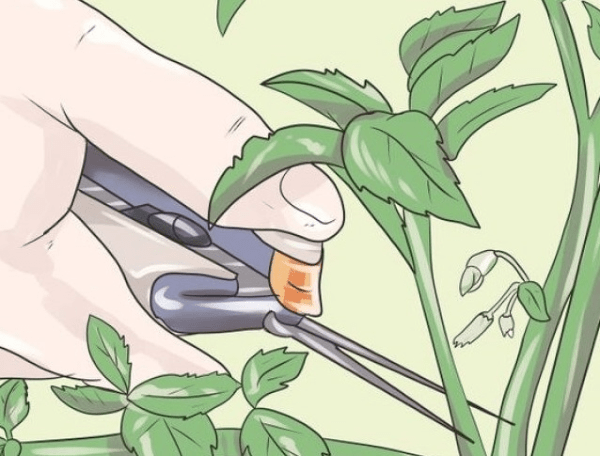
It is customary to trim bushes 3 times:
- In summer, as the buds fade and the branches dry out;
- in the spring, removing branches frozen over the winter;
- in the fall, cutting the bush almost to the root, leaving about 20 centimeters above ground level.
Preparing for winter
To ensure hibiscus survives the winter without loss, it is pruned heavily. The pruned bushes are then covered for the winter. The first stage of covering is a mulch of sawdust or pine needles. The second stage is covering with a breathable material.
Note! For convenience, create a small protective frame of thin rods around the pruned bush, cover it with burlap, and tie it up.
Control of diseases and pests of herbaceous hibiscus
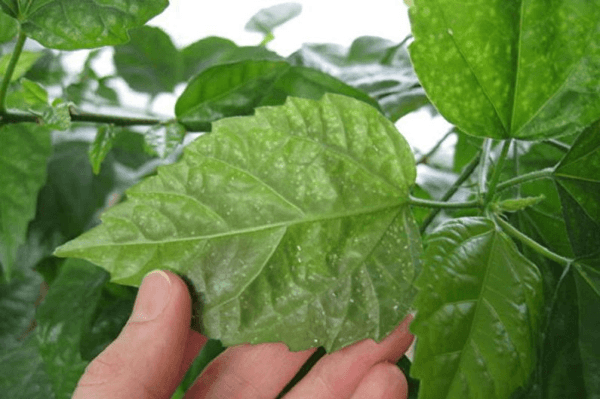
Proper care helps prevent infestations and pest infestations. The development of fungal diseases is associated with periodic stagnant water and high humidity. To eliminate diseases or prevent insect infestations, spray the shrub with tobacco leaf infusions, tobacco solutions, or insecticides.
Reproduction
Experienced gardeners share hibiscus cuttings or seeds among themselves. This allows them to increase the number of bushes in their garden and also facilitates the cultivation of unusual hybrids.
Seeds
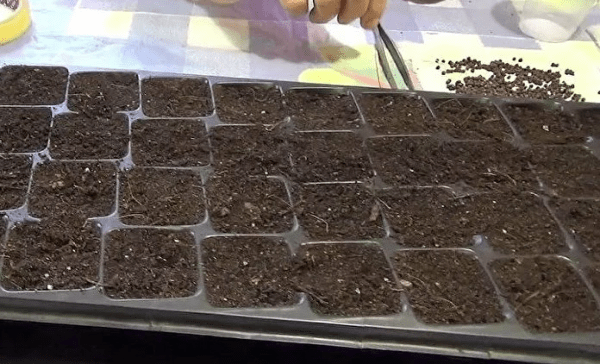
The most time-consuming method is propagation by seed. The germination rate of hibiscus plants grown from seed is approximately 70 percent. After sprouting, the seedlings are grown further in a greenhouse. They are planted only when they reach a height of at least 40 centimeters.
By cuttings
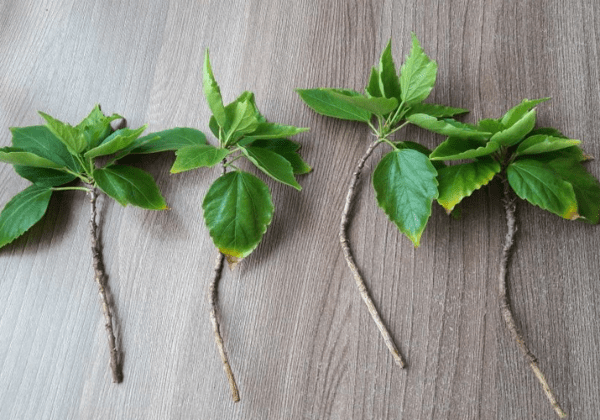
Rooting cuttings helps produce a specimen that replicates the varietal characteristics of the parent plant. Cuttings are used to propagate healthy shrubs that have entered a dormant stage before winter. Rooting takes several months, after which the cuttings are grown further and planted in a prepared area.
By dividing the bushes
Dividing the mother plant not only helps propagate the chosen plant, but also promotes the rejuvenation of the mother hibiscus, improving its adaptive properties and quality characteristics.
The mother bush is dug up, the root system is carefully divided into several parts, and then planted as independent adult plants at a distance of 1 to 1.5 meters from each other.
Possible difficulties
When growing hibiscus, it's recommended to follow certain rules. It's essential to provide the plant with conditions that will allow it to quickly and easily develop foliage and buds.
Hibiscus respond well to a shallow shower, but it should be noted that a shower in direct sunlight will burn the foliage.
Planting in a strong wind can promote the development of infectious diseases, so careful consideration should be given to the location.
To further saturate the soil with oxygen, it is recommended to regularly loosen the soil around the tree trunk, but avoid loosening it too deeply to avoid damaging the root system.
Hibiscus should not tolerate stagnant water; the bush requires balanced watering, carried out as needed.
Related posts:
 Description and characteristics of the marsh hibiscus, planting and care in open ground
 Description and characteristics of terry hibiscus varieties, planting and care in open ground
 Care and propagation of garden hibiscus, planting and growing rules
 The best eggplant varieties for growing in a polycarbonate greenhouse: planting and care
 The best grape varieties for growing in the Urals, planting and care rules in summer
 Methods for planting and propagating cherries at home
 Is it possible to soak treated cucumber seeds before planting and how to do it correctly?
 Growing and caring for hazelnuts in open ground, rules for planting hazelnuts