All gardeners periodically face the task of renovating their garden. This requires removing old shrubs and planting new ones. To avoid damaging the site and minimize effort, it's important to know how to properly remove shrubs. Several methods for this procedure are available today, allowing you to find the optimal method.
Reasons for uprooting bushes
To keep your property looking well-maintained, it's important to prune bushes regularly and, if necessary, remove them completely. This typically arises in the following situations:
- Construction planning. If plants interfere with construction work, they must be completely removed or carefully relocated.
- Planting under power lines or near utility lines. Large plants can interfere with power lines or obstruct access. In such situations, professional removal is required.
- Close proximity to buildings. Shrubs can pose a danger to the house or foundation. In this case, they should be carefully removed using specialized equipment.
- Large plants can obscure the view. Additionally, an excess of dead branches increases the risk of fire.
- Age of the crop. If plants are not producing a good harvest, it is recommended to replace them with new ones.
- Changes to the landscape design of the site. If ornamental shrubs don't fit into the garden's concept or are crowding out other plants, they need to be uprooted, replanted, or pruned.
Preparing for the process
Regardless of the method used to remove the shrub, it's important to properly prepare for the procedure. When uprooting by hand, carefully inspect the plant to determine the scope of the work and prepare the tools. A saw or pruning shears will help trim the branches. To dig around the shrub, you'll need a shovel.

To ensure easy removal of the root system from the soil, it's recommended to water the area around the plant generously. If manual removal is not possible, a hedge trimmer should be available. A winch or tractor can also be used.
Instructions for getting rid of unwanted shrubs
Manual pruning is the most common method for removing shrubs. This method is considered the simplest and most accessible. Furthermore, removing a shrub is much easier than removing a fruit tree.
Manual method
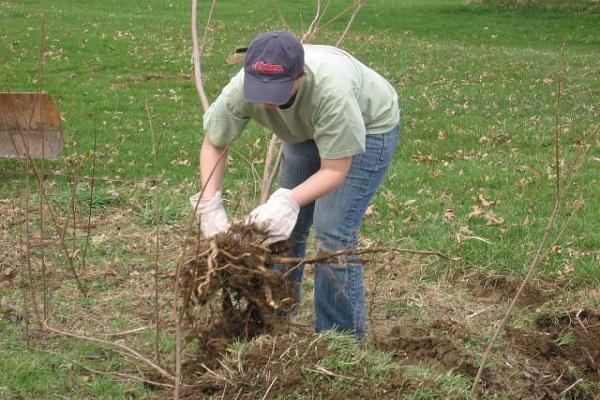
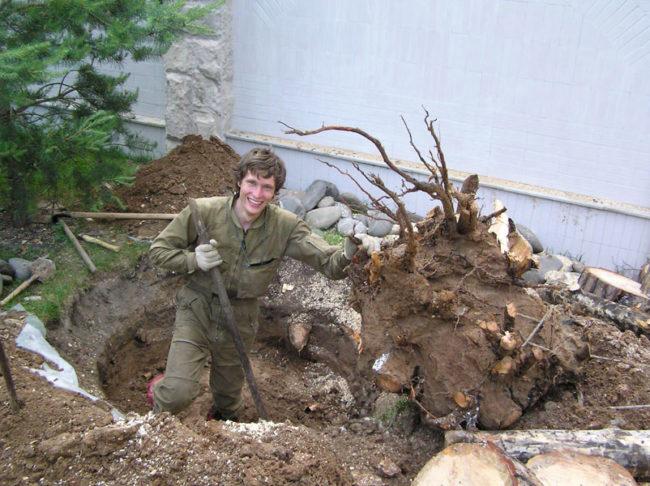
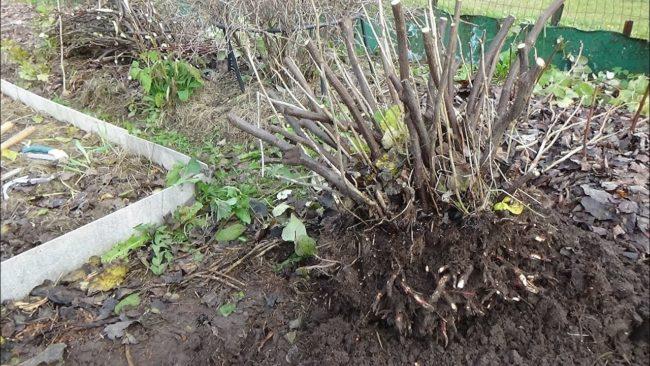
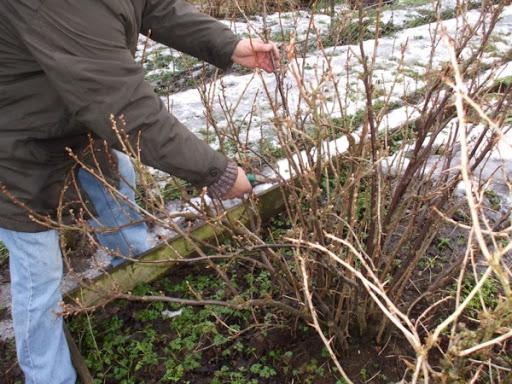
To remove the roots and the entire bush manually, you need to inspect it and determine the scope of the work. This will help you choose the right cutting tool. For a small plant, a handsaw will suffice. If the main branches are about the thickness of a thumb, a chainsaw will be needed. It is recommended to trim the largest branches and the crown first. Then, use a shovel to dig around the bush and pull it out, root system included. It's important to remove small roots as well. This will help prevent new growth next year.
Mechanized method
Clearing heavily overgrown areas manually is impractical. Furthermore, removing the vegetation in this case will take too much time. To remove unwanted shrubs, it is recommended to use specialized equipment or a hedge trimmer.
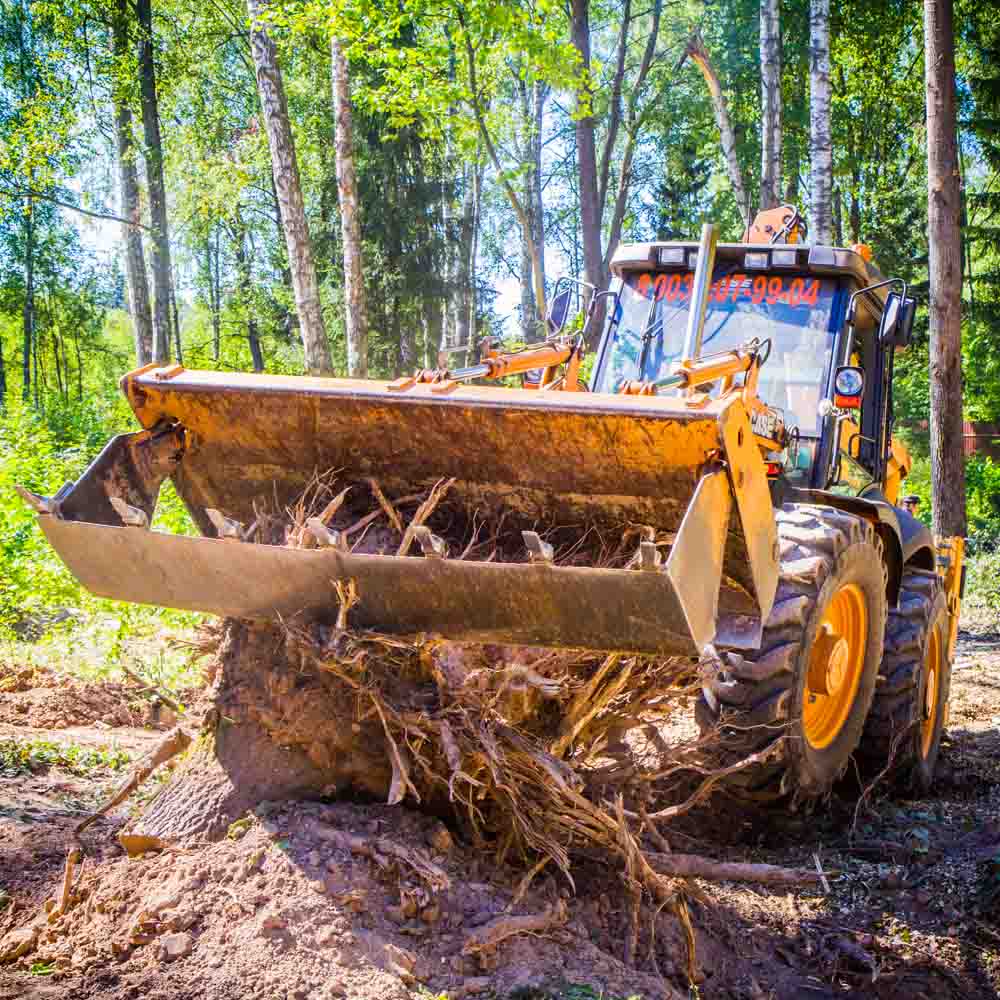
A winch is ideal for uprooting—it makes pulling large roots out of the ground much easier. This tool is also ideal for small areas that a tractor can't reach.
What chemicals are suitable?
Chemical methods are perfectly acceptable for removing unwanted vegetation. Saltpeter, urea, or regular salt are all acceptable options. To remove shrubs using saltpeter, the tree trunk must be cut down to ground level. It's recommended to make deep holes in the resulting area, 30-40 centimeters in diameter. The larger the branches, the more holes you need to make.

After this, the bush should be thoroughly soaked with water. Once the liquid has been absorbed, it is recommended to sprinkle saltpeter into the cracks. Then, the stump should be covered with plastic wrap and left for several months. This is usually done from fall to spring. During this period, the root system will be thoroughly saturated with saltpeter, and the bush can be set on fire. All the soaked fragments will burn within a few hours.
Using urea is similar. However, burning the stump is not necessary. Urea accelerates the decomposition process. Within 2-3 years, the shrub will completely rot. The cheapest and most accessible method for removing the shrub is considered to be using ordinary table salt. This product helps accelerate the decomposition of the wood and is used in the same way as urea.
To speed up the process of bush removal, it's worth using glyphos-based herbicides. These include products like Roundup and Secateurs. The herbicide dosage should be increased fivefold and applied in the fall. If new growth appears the following year, the procedure should be repeated.
When using chemicals and herbicides, it's important to adhere to safety regulations. Wear protective clothing and strictly follow the instructions for use.
What problems may you encounter?
When removing bushes from a site, there is a risk of various problems arising:
- if the roots are not completely removed, a large amount of shoots will appear the following year;
- when using chemicals there is a risk of negative impact on the environment;
- If salt is used, the soil in the area where the bush was removed will become infertile.
There are various methods for removing unwanted vegetation from a site. For small shrubs, manual removal is acceptable. However, for larger plants, specialized equipment or chemicals are recommended.
Related posts:
 What is the best way to feed geraniums at home? - a list of fertilizers
 The best eggplant varieties for growing in a polycarbonate greenhouse: planting and care
 What is mulch and how to use it correctly, the benefits of the procedure
 Methods for planting and propagating cherries at home
 Why plum tree leaves turn yellow and fall off, and the best control measures
 Rules for planting and caring for pears in open ground, how to grow them correctly
 Growing and caring for hazelnuts in open ground, rules for planting hazelnuts
 Peach tree care and agricultural secrets, pest control