
The herb is popular among gardeners due to its ease of cultivation and numerous beneficial properties. There are many varieties of dill, but gardeners often prefer Dill. This low-maintenance variety originated in Holland. Despite its ease of care, it's worth familiarizing yourself with its characteristics and growing tips to maximize your yield.
Plant characteristics
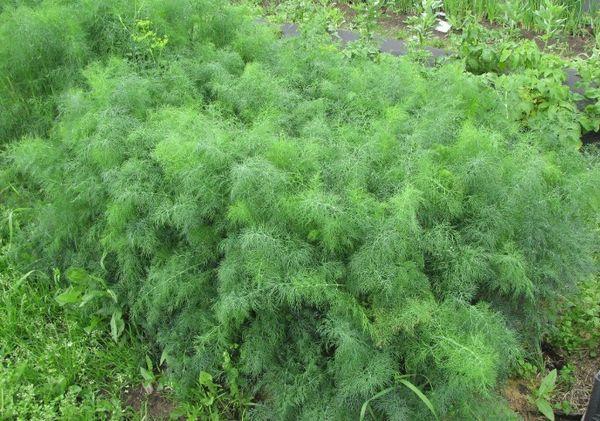
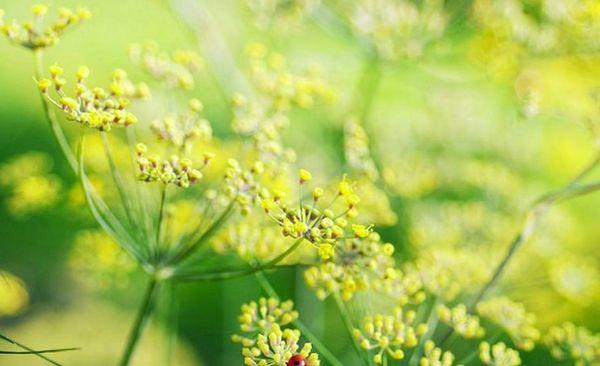
A Dutch variety grown worldwide, it's an annual. It blooms late but produces foliage for a long time. It reaches a height of one and a half meters.
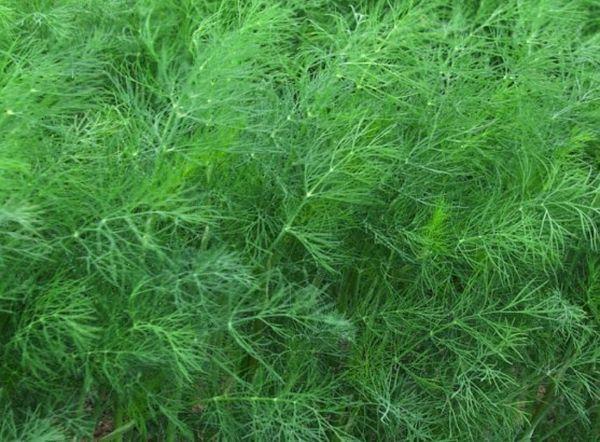
Dill has a rich color and a subtle, pleasant aroma. The flavor is mild and not pungent. The plant is quite beautiful. This variety is popular due to its high vitamin and mineral content.
Productivity
It takes about a month from sowing until the greens appear. The plant produces beautiful, spreading corollas. Approximately two kilograms of greens are harvested per square meter.
This variety is typically eaten raw. For pickling and storage, the greens are harvested after eighty days.
Sustainability
The plant is frost-hardy. Dill can withstand severe frosts down to -4°C.
Pros and cons
The plant's main advantage is its low maintenance. Growing it requires little energy or attention. Another advantage is the abundance of vitamins found in its leaves. Dill has a rather attractive appearance. Its subtle aroma and pleasant flavor make it appetizing.
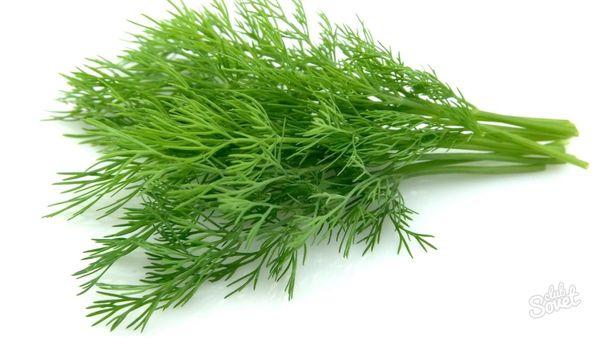
Dill is used in cooking, as well as in medicine for the treatment of diseases such as:
- Arterial hypertension.
- Nervous disorders.
- Vascular weakness.
- Urolithiasis.
- Avitaminosis.
- Chronic pyelonephritis.
- Gallstone disease.
It's used in cosmetology: the greens are used to make facial masks. Dill is also good for preserving, imparting a subtle flavor and aroma to preserves.
The only downside is the late ripening of the greens.
Landing specifics
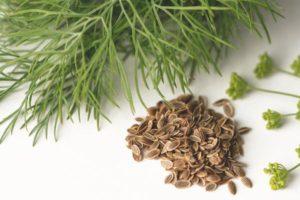
Planting involves sowing the seeds in open ground. They can be planted starting in April. In the fall, it's a good idea to prepare the soil by adding fertilizer.
The Dill dill planting site should be well-drained and sunny. It's best to sow the seeds in fertile, neutral soil.
Good predecessors are:
- tomatoes;
- legumes;
- cucumbers;
- potato.
Before planting, it's best to soak the seeds in warm water for a day or two. Change the water daily. You can also place them in a cloth bag and rinse them under hot water.
Dill should be planted in moist soil. Before planting, create furrows one centimeter deep. Space them 15 centimeters apart. Otherwise, the dill will yield a poor harvest.
There is no need to water the dill immediately after planting, otherwise the seeds will go deep into the ground.
Growing and care
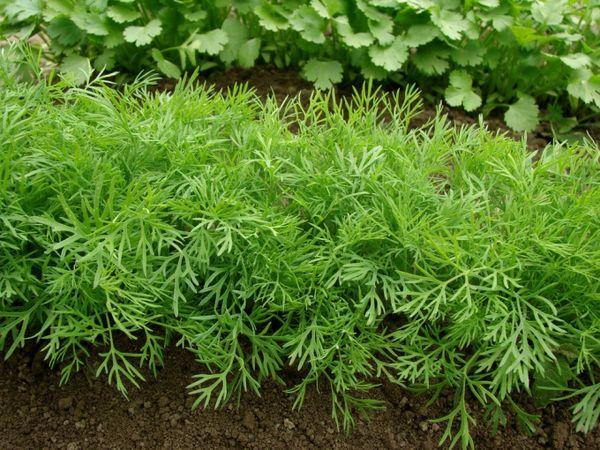
Dill is easy to grow and doesn't require much care. It only needs regular watering and weeding. The soil where it grows can be loosened.
If the plant becomes overly dense, thinning is recommended. This involves watering the soil and removing unwanted plants.
You can also sow additional seeds to improve the harvest. Autumn soil fertilization is usually sufficient for dill. However, if the harvest is poor, additional feeding is recommended. To do this, dilute 25 grams of saltpeter and potassium salt in ten liters of water.
Dill is capable of accumulating nitrates, so manure and nitrogen fertilizers should not be added to the soil.
Diseases and pests: treatment and prevention
The plant is pest-resistant. However, it is susceptible to powdery mildew, so avoid planting this variety near celery and carrots.
In the fall, the entire crop must be carefully harvested. It is not recommended to plant this variety in the same soil for several years. Rotating crops is advisable.
Dill can be harvested from July to September. It can be eaten fresh, dried, or frozen. To do this, place the greens in plastic bags and place them in the freezer.
Related posts:
 Description of the best dill varieties for open ground and for greens, what the plant looks like
 Growing bush dill for greens, describing its varieties, and harvesting
 The best grape varieties for growing in the Urals, planting and care rules in summer
 How to choose the best dill varieties for growing greens without umbrellas in open ground and greenhouses
 Description and rules for growing dill of the Gribovsky variety
 Characteristics and description of the Alligator dill variety
 80 Best Eggplant Varieties for Different Regions with Descriptions and Characteristics
 Recipes for pickling fresh dill for the winter at home in jars, proportions, and storage