
- Description and Features
- History of selection
- Main characteristics of the variety
- Purpose
- Ripening time
- Productivity
- Taste qualities
- Frost resistance
- Bunch
- Berries
- Disease resistance
- Methods of reproduction
- Cuttings
- By vaccination
- Layering
- How to plant correctly
- Recommendations for choosing deadlines
- Site preparation
- How to select and prepare planting material
- Planting diagram
- Care instructions
- Watering mode
- Top dressing
- Trimming
- Mulching
- Garter
- Preparing for winter
- Protection from rodents
- Diseases and pests
- Mildew
- Oidium
- Gray rot
- Phyloxera
- Pros and cons of the variety
- Harvesting and storage
- Applications of berries
- Tips and advice from experienced gardeners
The Baikonur hybrid grape variety thrives in a variety of climates, is easy to care for, and its clusters of berries retain their marketable appearance long after harvest. Although this grape variety is relatively new, it has already gained popularity among gardeners and winegrowers. Its large, juicy berries boast a unique flavor and are often used in winemaking.
Description and Features
The key characteristics of the Baikonur grape variety are its early ripening berries and increased resistance to low temperatures. These characteristics make it recommended for cultivation in temperate and cool climates in central Russia.
History of selection
The author and developer of the hybrid crop is Russian amateur breeder E.G. Pavlovsky, known for his experiments in developing unique grape varieties. To obtain the new hybrid, the breeder crossed Talisman grapes and the Krasotka variety.
From its ancestors, the Baikonur grape has inherited excellent commercial appearance, unique taste, and the ability to be grown in any climate zone.
Main characteristics of the variety
The Baikonur grape variety appeared less than 10 years ago, and detailed study of the properties and characteristics of a new berry variety requires extensive observation and time. The description of the Baikonur grape indicates minimal resistance to adverse environmental impacts.
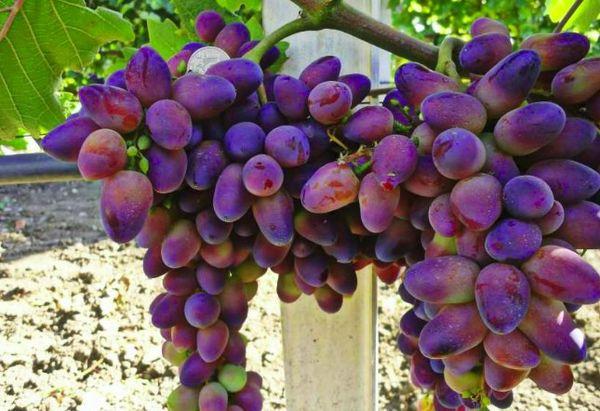
Mature bushes reach 3-4 meters in height and have strong, thick, fruit-bearing shoots. The leaves are very large, typical of grapes, and have rich green hues.
Important! The Baikonur grape variety is self-pollinating and does not require neighboring pollinators.
Purpose
According to experts, the fruit crop is classified as a universal table grape variety.
Ripening time
The ripening time for Baikonur grapes depends on the quality of care, soil composition, and weather conditions. From the beginning of the growing season until the fruit reaches technical maturity, grapes require 105 to 115 days.
The grape ripening process is somewhat protracted. While the first bunches are picked in mid-August, the main harvest occurs in early September.
Productivity
The bushes enter the active fruiting phase in the third to fourth year of growth in open ground. During flowering, clusters of small female and male flowers appear on the fruiting shoots, followed by fruit ovaries. A single bush produces 20 to 30 kg of ripe, large grape clusters.
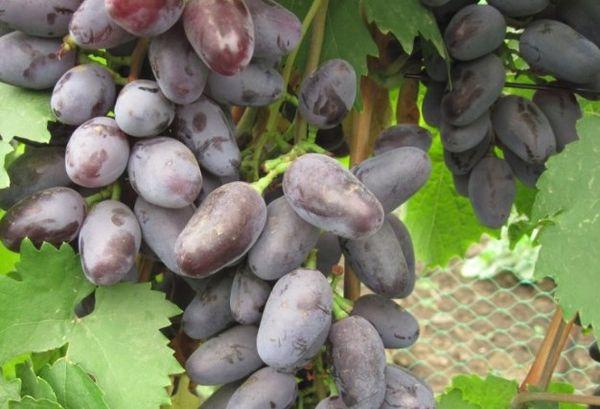
Important! Numerous berry-bearing inflorescences are formed; the bush's fruiting shoots require constant monitoring of their load.
Taste qualities
The main characteristics of grapes are determined by the amount of sugars and acids, which depend on weather factors.
The berries are juicy, with dense, crisp flesh and thin skin. In sunny, hot weather, sugar levels can exceed 20%, and acid levels range from 6 to 8 g/l.
Frost resistance
From its famous ancestors, the Baikonur grape variety inherited its resistance to subzero temperatures. The vines easily tolerate temperatures as low as -23 degrees Celsius. In harsher winters, the plants require additional insulation.
The fruit crop also shows resistance to drought and heat, but requires careful and abundant watering during such periods.
Bunch
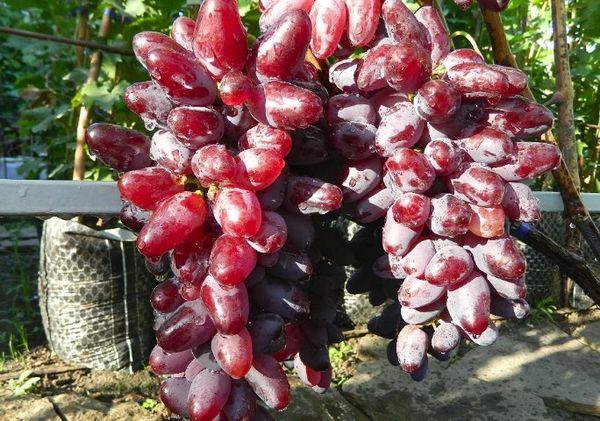
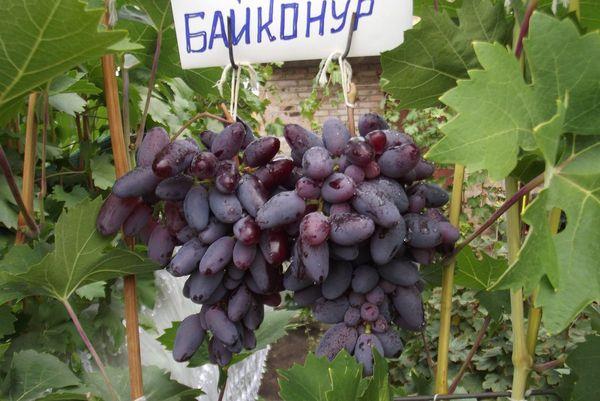
The clusters at Baikonur are large, cone- or cylindrical-shaped, and not dense, allowing the berries to ripen unhindered and receive sufficient sunlight.
The first bunches of grapes reach a weight of 500 g; by autumn, the bunches increase their weight to 800-1000 g.
Berries
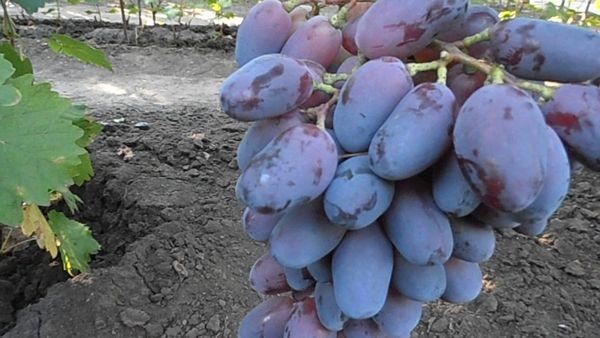
The berries of the Baikonur grape variety are legendary. After all, not every fruit crop can boast the enormous size of its delicious and healthy grapes. The elongated berries, up to 4 cm long and weighing up to 15-17 g, have thin, dark purple or black skin, covered with a dense protective layer.
Tip! The longer the bunches remain on the bush after ripening, the sweeter the berries become.
Disease resistance
As mentioned above, research on the Baikonur grape variety is in full swing. Therefore, it's too early to talk about its resistance to diseases and pests. However, according to gardeners and farmers, the berry bush definitely needs to be protected from fungal attacks.
Methods of reproduction
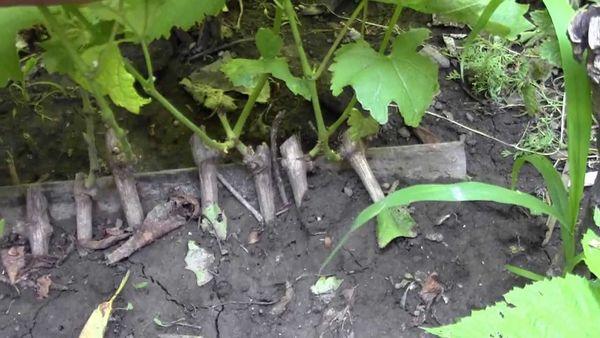
The Baikonur grape variety is suitable for any vegetative propagation method. Layers and cuttings take root easily and quickly.
Cuttings
To prepare cuttings, in the spring, select a strong, powerful, and healthy shoot from an adult bush:
- The cut shoot is divided into several equal parts of 30-35 cm.
- Each grape cutting must have buds or green leaves.
- The lower end of the cutting is treated with a growth stimulator and planted in a container with fertile soil.
In the fall, the rooted seedling is transferred to open ground and well insulated before the winter frosts, or planting is postponed until the onset of spring.
By vaccination
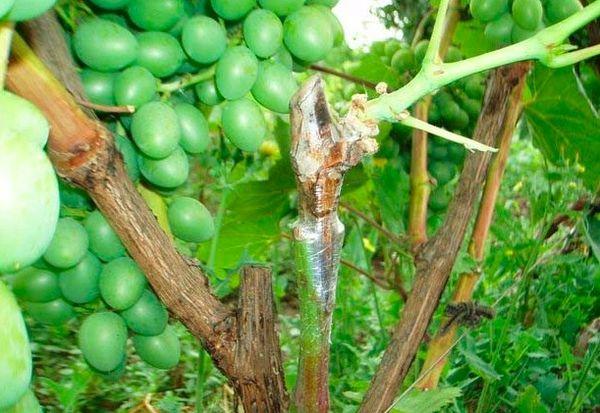
To graft onto an old grapevine rootstock, cuttings are prepared in the same way. The bark of the grapevine is split, and a prepared cutting of the desired variety is inserted into the hole and secured with special tape or materials.
Layering
Even a novice gardener can propagate a hybrid plant using layering. In late spring, select the lower, strong shoots from a mature bush and bend them to the ground. Cover them with fertile soil, leaving the tips of the shoots exposed.
In the fall, the cutting develops its own rhizomes. The seedling is cut from the mother plant and transferred to a separate planting hole.
How to plant correctly
The health and productivity of a grape bush depend on the correct selection of seedlings and competent planting.
Fruit crops are planted on small, well-lit slopes, protected from gusts of northern winds and strong drafts.
If groundwater is located less than 4 m from the soil level, additional drainage ditches or artificial embankments are made.
Recommendations for choosing deadlines
Planting timing is determined based on the weather and climate conditions of the growing region. In southern latitudes, autumn planting is acceptable. In temperate and cold climates, grapes are transplanted outdoors in the spring.
Site preparation
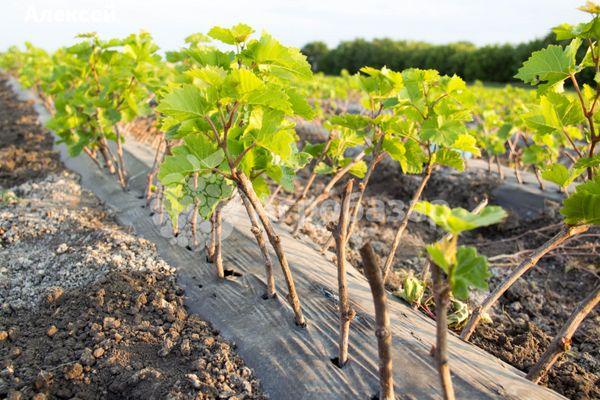
The fruit crop prefers loose, black soil with a neutral acid and moisture content.
Preparing the soil for planting grape bushes:
- The selected area is dug up, loosened, and cleared of debris and weeds.
- Organic fertilizers and mineral supplements are added to the soil.
- 3-4 weeks before planting, dig holes 70-90 cm deep and wide.
- The distance between seedlings is left from 3 to 5 m, between ridges up to 6 m.
- Drainage is placed in the holes, fertile soil is poured on top, a peg is driven in and the plant is watered.
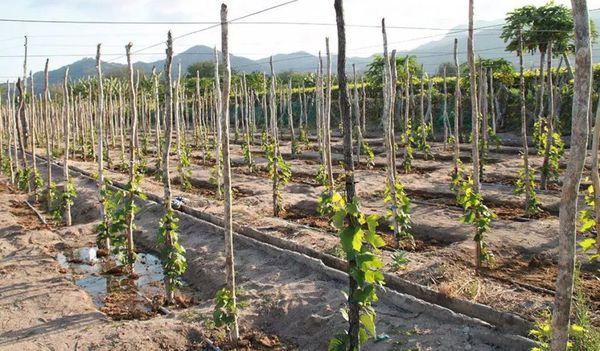
Important! Baikonur grape bushes are tall, spreading, and have multiple fruiting shoots. They require additional support such as trellises or arches.
How to select and prepare planting material
Seedlings of varietal and hybrid plants are purchased only from trusted, reliable nurseries, adhering to the following rules:
- Plants that are 1-2 years old take root and establish themselves best.
- The seedling is carefully examined for damage and disease.
- The plant has a straight, elastic trunk and the obligatory presence of buds or leaves.
- The rhizomes are developed, well-moistened, without broken parts or mold.
Tip! Before planting, soak the bush in warm water for 10-15 hours, then treat the roots with a manganese solution and a growth stimulant.
Planting diagram
On the day of planting, the rhizomes of the plants are cut off, leaving only long, well-developed branches.
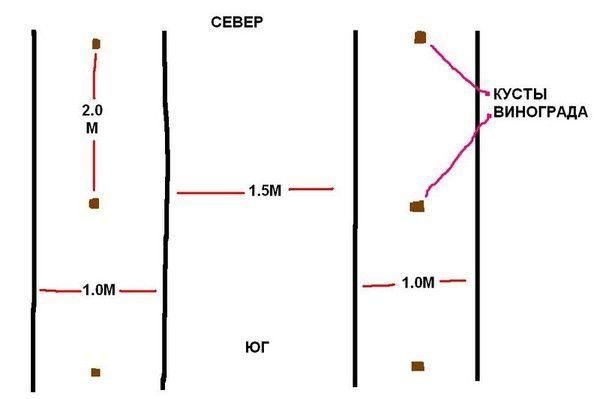
Planting grape bushes:
- The seedling is placed in the center of the hole.
- The roots are carefully distributed and covered with soil.
- The soil under the plant is compacted and abundantly moistened.
- The bush is tied to a peg, the soil is mulched with humus.
There should be no gaps between the roots of the seedlings and the soil. Open space in the soil encourages the growth of fungi, viruses, and pests.
Care instructions
The health, fruiting, and yield of grape bushes depend on timely and proper care.
Watering mode
Mature bushes are watered 3-4 times throughout the growing season. Young plants require more frequent watering, 2-3 times per month.
Special requirements for irrigation measures are imposed before the beginning of flowering and during the period of ovary formation.
In late autumn, up to 70 liters of water are poured under each bush.
Top dressing
Grape bushes provide a lot of energy and nutrients for the ripening of vines and fruits, so they require additional nutrition.
In early spring, berry crops are fed with nitrogen-rich organic matter. Before flowering and during fruit formation, the plant requires potassium and phosphorus. After harvest, the soil is mixed with organic matter and a mineral complex.
Trimming
Sanitary pruning of bushes is carried out at the beginning and end of the growing season, removing old, weak, deformed and broken branches and shoots.
However, information on the proper training of Baikonur grape bushes is limited due to the variety's youth. Gardeners and farmers choose the most suitable training for their own growing conditions.
But it is clear that the load on the bushes must be adjusted annually.
Mulching
Loosening the soil, weeding, and mulching are carried out immediately after watering and fertilizing the berry bushes, which helps quickly enrich the roots with oxygen, moisture, and essential vitamins.
Garter
Grapevines are tied to a support structure in early spring, before the fruit buds open. To prevent damage to the vines, soft, elastic materials or ropes are used for tying.
Preparing for winter
Before winter dormancy, the bushes are watered generously, the trunk circle is mulched with a thick layer of humus or compost and covered with spruce branches.
In regions with mild winters, grapes do not require covering, but in temperate latitudes, shoots are removed from supports and covered with film or special fiber.

Protection from rodents
To prevent fruit trees from being harmed by rodents during their winter dormancy, poison traps are placed near the bushes.
Diseases and pests
Violation of agricultural practices and unstable weather conditions increase the risk of fungal diseases and pests.
Mildew
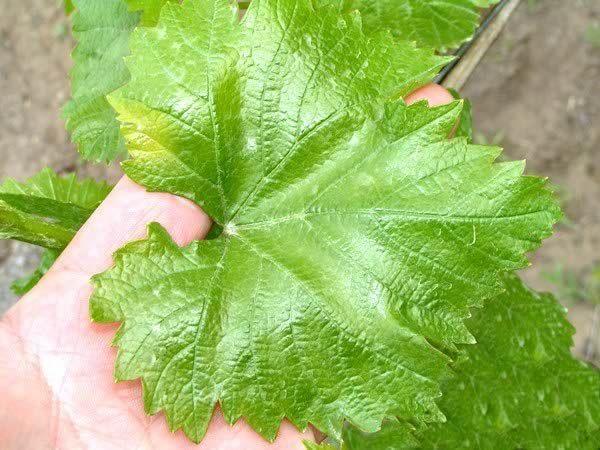
The fungus attacks the above-ground portion of the grapevine, manifesting as brownish spots and a grayish coating on leaves, shoots, ovaries, and berries. Sulfur-based products and fungicides are used for treatment and preventative purposes.
Oidium
Powdery mildew is a fungal disease that appears as a whitish coating on the entire above-ground portion of the plant. Fruit buds fall off, and the berries rot and crack. All of this damage is accompanied by a pungent smell of rotting fish.
Plants are treated with fungicides and preparations containing sulfur.
Gray rot
The fungal infection spreads rapidly, destroying crops and causing irreparable damage to the plant. It manifests as spots on leaves and shoots, and a gray, moldy coating on berries. Biological and chemical pesticides are used for treatment and prevention.
Phyloxera
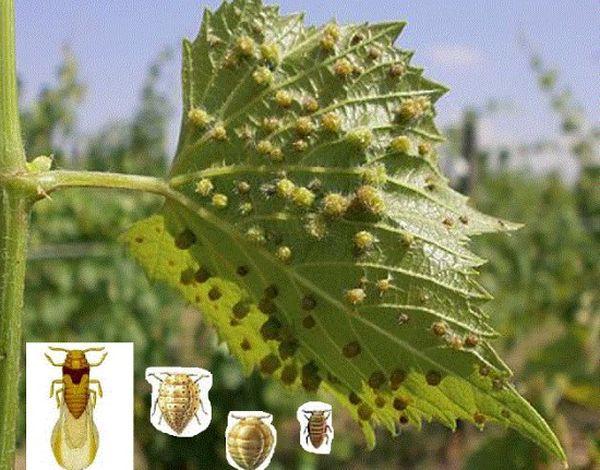
The most dangerous pest of grapevines, affecting both above-ground and underground parts of the plant, the American grape aphid spreads quickly and spreads to neighboring plants. Professional fungicide-based products are used for control and treatment.
Pros and cons of the variety
To grow a healthy, fruitful, and productive berry crop, it is necessary to identify all the pros and cons of the variety.
Advantages:
- Due to early ripening, the berries are harvested in mid-August.
- High yield rates.
- Excellent taste characteristics and attractive presentation of fruits.
- Resistance of berries to cracking and spreading.
- Self-pollination ability
- Long shelf life of berries and the possibility of long-distance transportation.
- Resistance of bushes to weather and climatic conditions.
Important! Wasps are not attracted to Baikonur grapes, which helps preserve the harvest.
Among the variety's shortcomings, the tendency to overload fruit shoots and a large number of shoots are particularly notable.
Harvesting and storage
The ripening of the berries occurs unevenly, so the harvest of Baikonur grapes is spread out over several days.
The first bunches are harvested in mid-August, but the main harvest ripens by the beginning of September.
In a refrigerator or special chambers, ripe grapes can be stored for up to 3 months without losing their taste or attractive appearance.
Applications of berries
Ripe berries are rich in vitamins and other health-promoting substances. Therefore, it's recommended to eat them fresh.
Juices, nectars, jams, and marmalade are also produced from Baikonur, and are sometimes used in the wine industry and cosmetology.
Tips and advice from experienced gardeners
The main recommendations for gardeners boil down to timely care, preventative treatments, and monitoring the load on the bush's fruit shoots.
Related posts:
 How to grow grapes in the Moscow region in open ground without a greenhouse
 Description of the Julian grape variety, planting and care instructions
 The ripening time of grape vines by variety, how to speed up the process, and what to treat the plant with
 Description of the Krasotka grape variety, planting and care technology
 Description and characteristics of the Laura grape variety, planting and care
 Description of 30 grape varieties for Siberia, planting and care for beginners
 Beginner's Guide to Growing Grapes in Open Ground in Central Russia
 Description and characteristics of the Merlot grape variety, planting and care