
- Description and Features
- Vine
- Inflorescences
- Berries
- Taste
- Growing regions
- History of selection
- Main characteristics
- Drought resistance
- Frost resistance
- Productivity and fruiting
- Areas of application of fruits
- Resistance to diseases and pests
- Varieties
- Brunello
- Nieluccio
- Pros and cons of the variety
- How to plant correctly
- Recommendations for choosing deadlines
- Choosing a location
- Soil requirements
- Site preparation
- How to select and prepare planting material
- Planting diagram
- Care instructions
- Watering mode
- Top dressing
- Preparing for winter
- Mulching
- Trimming
- Prevention of diseases and pests
- Weeding and loosening
- Garter
- Methods of reproduction
- Harvesting and storage
- Application in winemaking
- Tips from experienced gardeners
The Sangiovese grape variety is a popular industrial crop grown by many gardeners. Its berries are widely used in winemaking, resulting in a high-quality beverage. To achieve successful cultivation, it is recommended to follow proper agricultural practices. This includes proper planting, watering, and fertilizing.
Description and Features
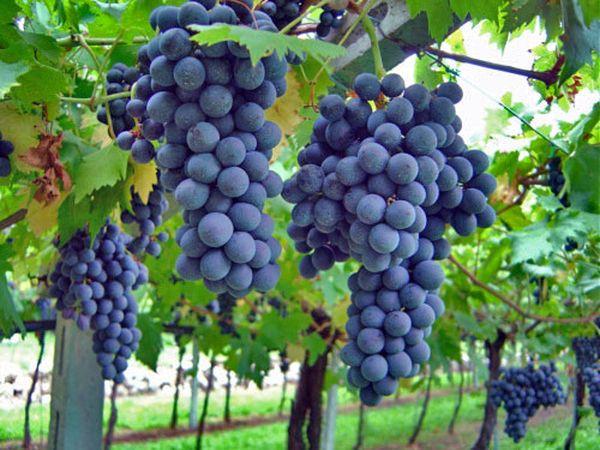
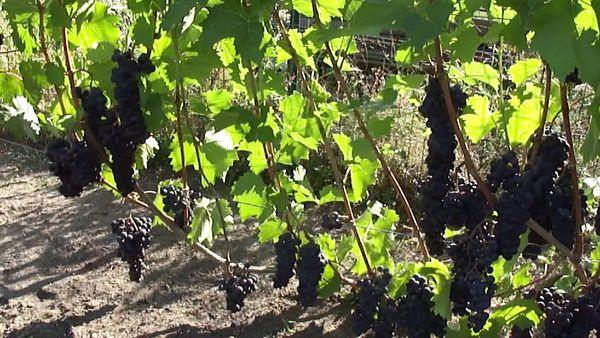
This variety is characterized by sweet, rich, dark blue fruits with a pleasant, refreshing tartness. Varieties ranging from blue to purple are also common.
The fruits are perfectly rounded and form medium-sized clusters with wing-shaped branches. The clusters are conical in shape. Rarely, they can be slightly cylindrical.
Vine
This variety is characterized by rapid growth. The bush is medium-sized. The side shoots on the trunk are not too dense. The size, color of the fruit, and ripening period vary depending on the plant species. Overall, the plant is considered late-ripening.
It thrives in calcified soil and has satisfactory resistance to disease and low temperatures. The leaves are standard in shape with deep notches. However, some have 3-5 lobes. They have a rounded notch where the petiole attaches.
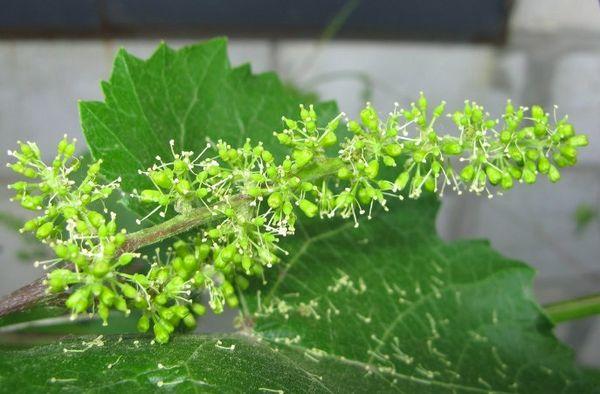
Inflorescences
This variety is characterized by early blooms, which resemble snowflakes and have a distinct aroma.
Berries
The fruits are spherical, sometimes elongated. The berries come in a variety of colors, including pink, purple, and dark blue.
Taste
The berries taste moderately sweet, with a slight tartness. They have fruity notes. Experts detect hints of cherry or strawberry.
Growing regions
This plant is primarily cultivated in its native Italy. It is also widely grown in other countries. About 75% of the total harvest is collected in the Tuscan region. Approximately 10% of the grapes come from northern Italy. The crop is also grown in the United States, Mexico, and Argentina. It is also cultivated in Australia.
The "true" Sangiovese grape is found exclusively in Italy. It is used to make wine of the same name. Besides the original variety, there are several others. The most popular include the following:
- large Sangiovese;
- little Sangiovese.
The first is considered to be of higher quality. It has a distinctive flavor and is used to make Nobile di Montepulciano and Brunello di Montalcino wines.

History of selection
Genetic studies have revealed the variety's relationship with other Tuscan grapes, including Ciliegiolo and Calabrese di Montenuovo. Many interesting hypotheses currently exist. However, there is no definitive solution to the variety's origins.
It is believed that the Sangiovese grape variety existed as early as the Roman Empire. There is evidence that it was cultivated by even more ancient peoples, particularly the Etruscans. Warriors stored large quantities of wine in caves on Mons Giovis, in the province of Romagna.
Many literary sources contain information about this grape and the wonderful wines made from it. This information first appeared in the Middle Ages. The berries are used to make red wines. To obtain a drink labeled "blanc," other varieties are used.
Main characteristics
Before planting this grape variety on your plot, it is recommended to analyze its key characteristics.
Drought resistance
This variety tolerates dry weather well. Many experts say it requires no more than two waterings per year.
Frost resistance
The plant is considered heat-loving, as it is native to sunny Italy. To grow it in colder regions, it is recommended to provide it with cover.
Productivity and fruiting
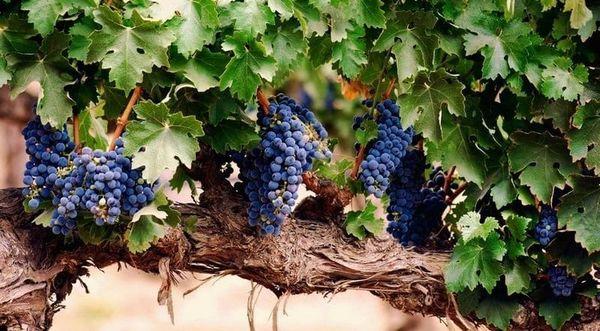
This variety is characterized by average yields. With proper and high-quality care, it will yield above-average yields.
Areas of application of fruits
The berries of this grape are widely used in winemaking. Sangiovese fruit is a component of the popular Chianti wine. This grape produces spicy red wines with hints of cherry and prune. Aging is essential for the wine to reach its peak.
Resistance to diseases and pests
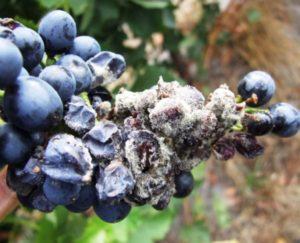
This variety is moderately susceptible to mildew. The plant is slightly more resistant to gray mold and powdery mildew. Preventative treatments are used to prevent problems.
Experienced winegrowers spray grapes to prevent dangerous infections, such as bacterial canker, rubella, bacteriosis, chlorosis, and anthracnose. These measures help prevent dangerous consequences for the plant.
Varieties
There are several varieties of this grape, each with its own distinctive characteristics.
Brunello
Under this name, the crop is popular in Tuscany. Its fruits are widely used in the production of Brunello de Montalcino wine.
Nieluccio
This variety is popular in Corsica and is used to make the famous Chianti wine. Until the mid-nineteenth century, Sangiovese was used exclusively for this dry wine. However, the recipe was subsequently changed, reducing the proportion of Sangiovese to 70%. Malvasia and Canaiolo are also included.
Pros and cons of the variety
The key advantages of the variety include the following:
- great taste;
- possibility of use for wine production;
- resistance to some infections.
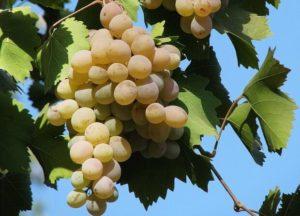
However, grapes also have certain drawbacks. Therefore, not all experts consider them valuable. This plant is considered quite finicky. The fruit contains high levels of acids. They are also characterized by thin skins that easily rot in high humidity.
To avoid such problems and prevent the wine from developing a flat, acidic taste, careful care is recommended. This involves systematically cultivating the vineyard.
How to plant correctly
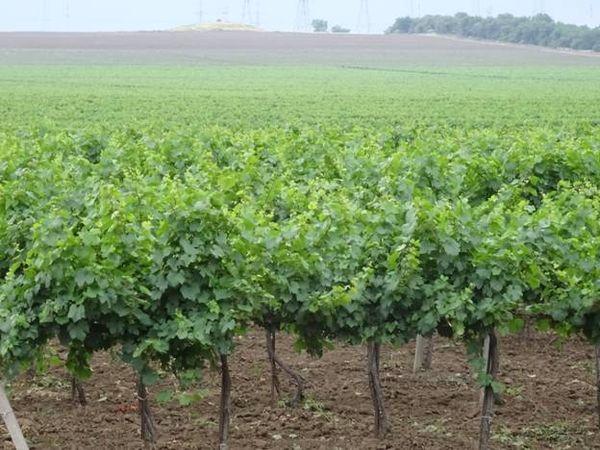
In Italy, the plant is planted and grown under specific conditions. Vineyards are located at 250-350 meters above sea level. They require a sunny, well-lit site. The soil should be calcified. Clay or sandy soil is not recommended.
Some enthusiasts plant Sangiovese in the southern regions of Russia or Ukraine. Sometimes, they even try to cultivate it in the Moscow region. Since the variety is considered late-ripening, it is perfectly acceptable to plant it in these regions.
Recommendations for choosing deadlines
Italy is characterized by a mild climate. Therefore, Sangiovese grapes begin to bloom as early as mid-April. In these conditions, it is recommended to plant the grapes in early spring, after the warm weather sets in. In other regions, planting can be done later.
Choosing a location
Growing this crop in Russia requires some knowledge. This southern variety is considered quite capricious and demanding. It doesn't produce a harvest immediately. Furthermore, it's highly sensitive to light and care.
Particular attention should be paid to choosing a planting site. Grapes thrive on south-facing hillsides and open areas that are not shaded.
It's important to keep in mind that this plant doesn't tolerate hot weather well. It's sensitive to temperature fluctuations and soil composition. Therefore, choosing a planting site requires careful consideration.
Soil requirements
The Sangiovese variety doesn't thrive in clay or sandy soil. The plant thrives in alkaline soil.
Site preparation
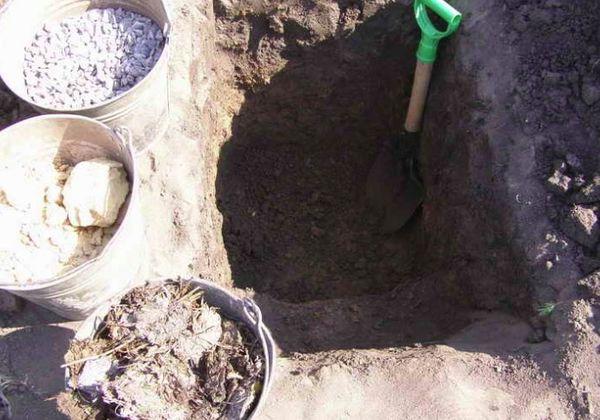
To make the soil alkaline, it is recommended to add chalk or dolomite. Good drainage is also essential. This can easily be achieved using crushed brick, gravel, or crushed rock.
How to select and prepare planting material
To achieve success in growing the crop, it's recommended to carefully select planting material. A healthy seedling free of disease symptoms or pest infestations is ideal.
Planting diagram
When carrying out planting work, it is important to follow certain recommendations:
- dig a hole the size of the plant's root system;
- place the seedling in the center of the hole;
- sprinkle with soil and compact;
- water the plant;
- cover the ground with mulch.
Care instructions
To ensure the plant develops normally, it is recommended to provide it with high-quality and comprehensive care.
Watering mode
Experts say that plants should be watered a maximum of twice a year. However, this rule applies only to the Italian Peninsula. If grapes are grown outside of Italy, the frequency of watering should be adjusted.
Top dressing
Fertilizer should be applied in early spring—before flowering, before the fruit ripens, and before preparing for winter. Grapes require nitrogen, potassium, and phosphorus.
Sometimes organic fertilizers are preferable to ready-made mineral formulations. In addition to root feeding, foliar feeding is also used. This involves spraying the entire bush with a fertilizer solution.
Preparing for winter
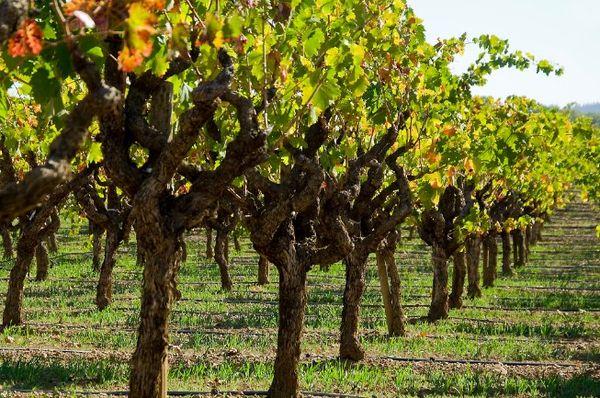
This plant is considered quite heat-loving. Therefore, it is recommended to cover it for the winter. For this purpose, it is recommended to use spruce branches or plastic.
Mulching
To retain soil moisture, enrich it with nutrients, and prevent weed growth, mulch is used. This procedure is performed using mown grass, straw, and peat.
Trimming
When pruning, remove dead shoots and clusters. To stimulate fruit ripening, pinching is recommended. Simply plucking the tip of the green shoot is sufficient.
Prevention of diseases and pests
This variety is susceptible to powdery mildew. When signs of the disease appear, apply chemicals such as Ridomil and Sandofan. Netting is used to protect against birds and wasps, which attack the fruit.
Weeding and loosening
Regular loosening and weeding of grape beds is recommended. These procedures help eliminate weeds and oxygenate the soil.
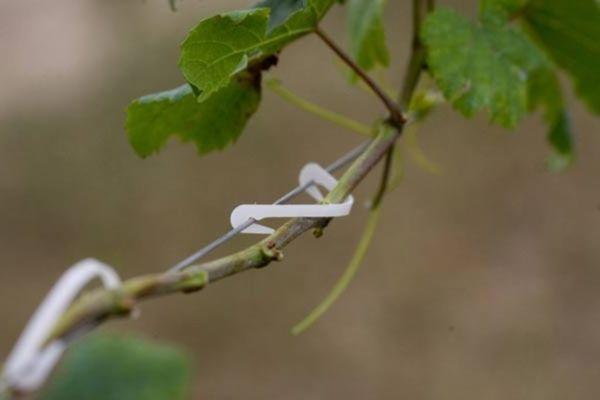
Garter
If the bush isn't tied up promptly, the shoots and vines may break. To prevent this, immediately after planting, dig a trellis into the ground or build a stake with several crossbars.
Methods of reproduction
Propagation is by cuttings or seedlings. This variety is not widely grown, so finding planting material can be quite challenging.
Harvesting and storage
The grapes are characterized by a late ripening period. It takes 125-135 days for the fruit to reach maturity.
Application in winemaking
The berries are used to produce red wine, the most popular being Chianti.

Tips from experienced gardeners
To achieve success in growing the crop, it is recommended:
- choose the right site for planting;
- water the plant on time;
- carry out pruning;
- apply fertilizers;
- protect from diseases and pests.
Sangiovese is a popular grape variety often used for wine production. To achieve successful cultivation, it is recommended to implement appropriate agronomic practices.
Related posts:
 Description and characteristics of the Syrah grape variety, where it grows
 Methods for planting and propagating cherries at home
 The best grape varieties for growing in the Urals, planting and care rules in summer
 The best methods for growing grapes from seeds at home
 Description and technology of growing Pinot Grigio grapes
 Description and rules for growing Solaris grapes
 Growing and caring for hazelnuts in open ground, rules for planting hazelnuts
 Description of 30 varieties and types of Muscat grapes, planting, cultivation and care