
- Description and Features
- History of selection
- Properties
- Caloric content
- Benefits and harms
- Acidity
- Characteristics of the bush
- Vine
- Bunch
- Productivity
- Taste qualities
- Winter hardiness and drought resistance
- Disease resistance
- Applications of berries
- How to plant correctly
- Recommendations for choosing deadlines
- Site selection and preparation
- How to select and prepare planting material
- Planting diagram
- Care instructions
- Watering
- Top dressing
- Mulching
- Garter
- Disease prevention
- Oidium
- Anthracnose
- Chlorosis
- Rubella
- Bacteriosis
- Bacterial cancer
- Protection from birds and pests
- Preparing for winter
- Pruning and shaping
- Methods of reproduction
- Advantages and disadvantages of the variety
- Harvesting and storage
- Tips and advice from experienced gardeners
Among industrial grape varieties, the Bianca variety stands out. It requires little care, and just a few vines planted in a plot can provide a winegrower with the raw material for making delicious and aromatic wine. Below is information on growing the Bianca grape variety, its advantages and disadvantages, propagation methods, harvesting, and storage.
Description and Features
This early-ripening variety produces ripe fruit in early August. Each shoot produces 2-3 clusters. Initially, Bianca grapes were used to make dry and semi-sweet wines, but later they were also used to produce spirits of varying strengths. The use of the grapes depends on the cultivation technique.
History of selection
The Bianca grape is the product of Hungarian breeders. Information about the variety first appeared in 1963. Chasselas Bouvier and Villard Blanc were chosen as parent varieties. Bianca is highly sought after for its technical and yield characteristics.
Properties
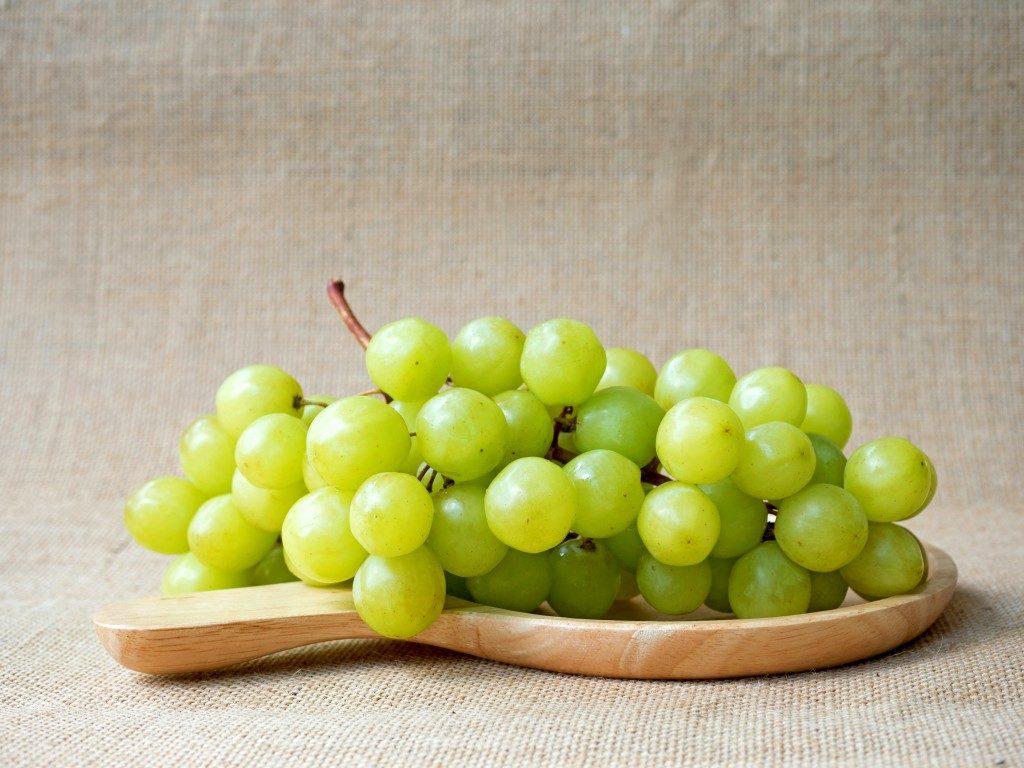
Grapes contain many nutrients, including 0.08 grams of fat, 0.54 grams of protein, and 14.93 grams of carbohydrates per 100 grams. They are also a storehouse of vitamins.
Caloric content
Grapes are high in calories, with 100 grams containing 65 kcal. Doctors recommend eating 150-200 grams of grapes 3-4 times a week. Thanks to the beneficial substances found in grapes, they can prevent and help fight many diseases.
Benefits and harms
Bianca grapes provide the following benefits to the body: person:
- normalizes digestion;
- lowers cholesterol;
- helps fight depression;
- strengthens blood vessels and the heart;
- restores sleep;
- improves the condition of skin and hair.
 Grapes can be harmful to people with stomach ulcers due to the acids they contain, and to those with diabetes, as the berries contain a large amount of sugar.
Acidity
Bianchi berries have a sweet and sour flavor. They contain 28% sugar and 7% acid. This combination, along with their pleasant aroma and flavor, makes them popular for winemaking. If the bunches are not picked immediately after ripening and are left on the vines for 2-3 weeks, the acidity decreases to 2-3%.
Characteristics of the bush
The Bianca grape is a medium-sized, early-ripening variety. Ripening occurs 110-120 days after the start of the growing season.
Take a look Also
Vine
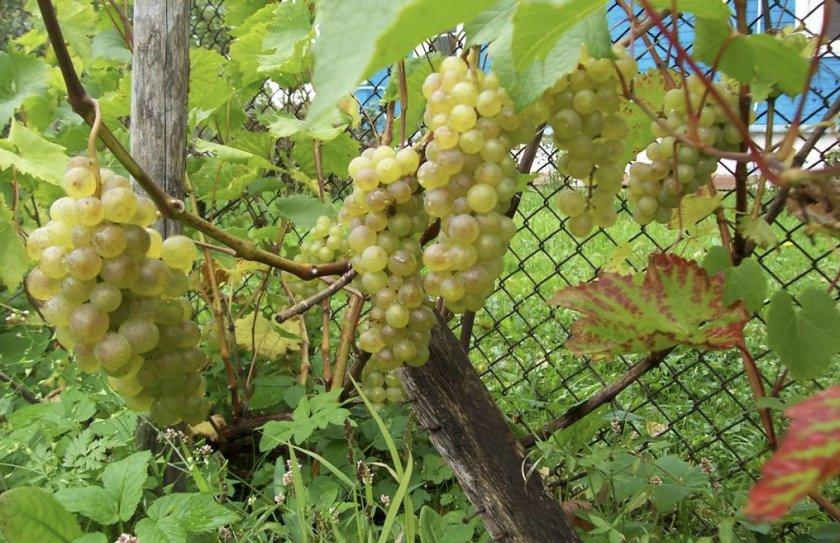
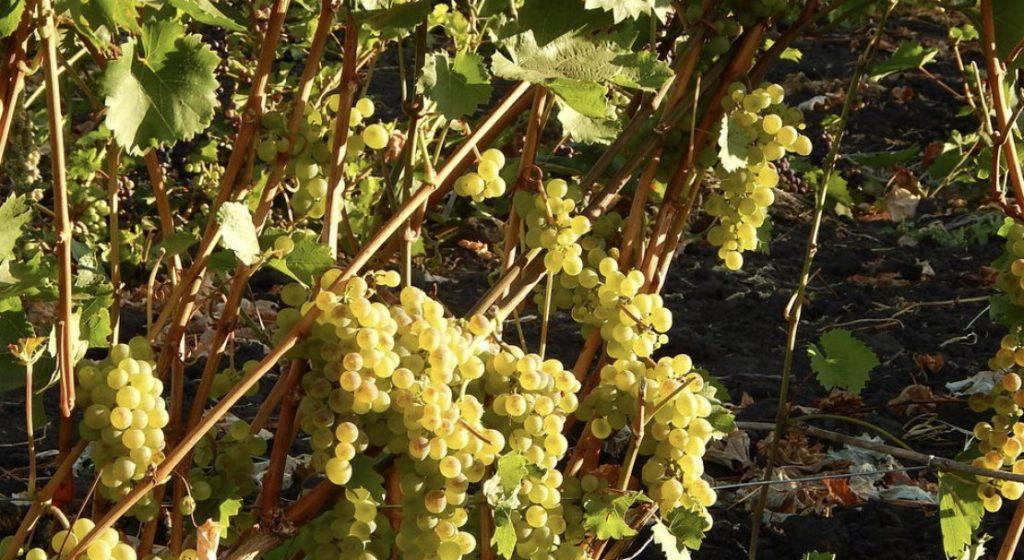
This variety has a vigorous, well-developed vine capable of supporting a bountiful harvest. The leaves are dark green and glossy. Cuttings root well and quickly produce shoots.
Bunch
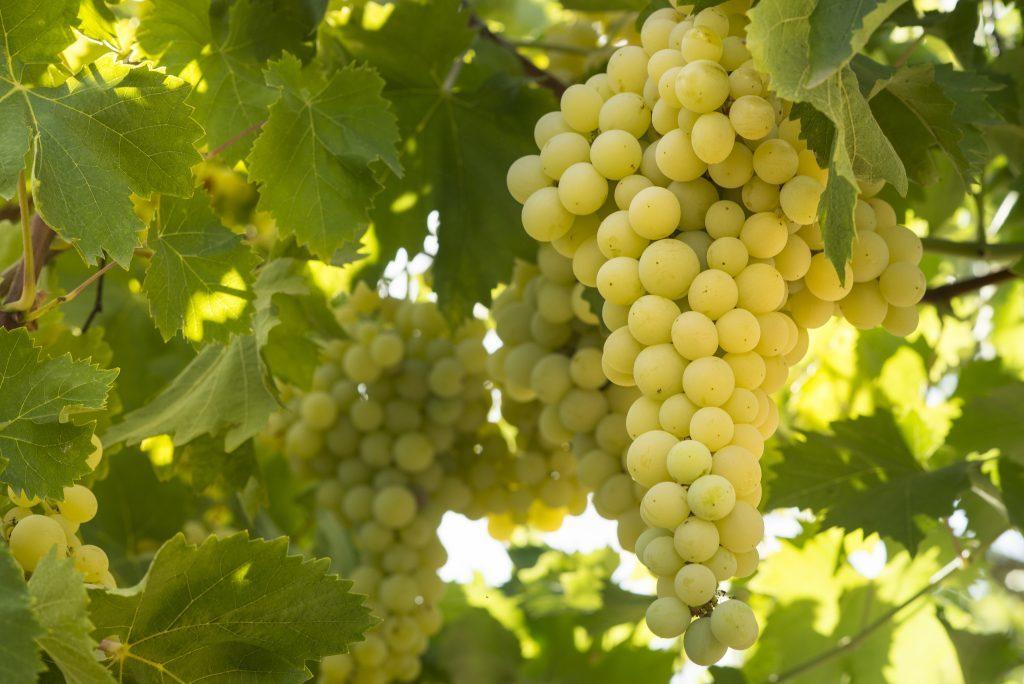
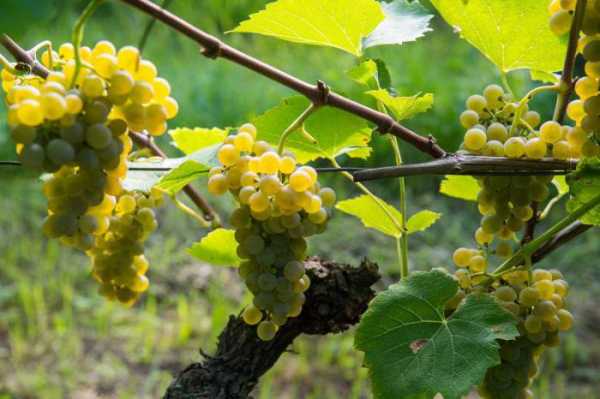
As the grapes grow, they produce small clusters weighing 90-120 grams. Some can reach 170 grams. The berries are round, small to medium in size, weighing 1.5-2.5 grams.
Productivity
A gardener can harvest approximately 20 kilograms of berries from a single bush. The fruiting rate is 90-100%. Bianca is an early-ripening variety.
Taste qualities
The ripe berries have a floral, honeyed flavor. Their color is initially yellow-green, becoming warmer as they ripen. The skin is thin, the pulp is juicy, and the berries contain 1-3 seeds. Bianca grapes are used for industrial purposes.
Winter hardiness and drought resistance
The Bianca grape variety is highly frost-resistant, withstanding temperatures as low as -27°C. Although higher subzero temperatures will kill the shoots, the vine recovers quickly. When young, the plants require watering, especially in dry and hot weather.
Disease resistance
The variety has good immunity, but under unfavorable conditions, it can be susceptible to fungal diseases. To prevent these, the bushes should be sprayed with fungicides. Due to the high sugar content, the grapes are susceptible to wasp attacks.
Applications of berries
Bianca grapes are used to make wines and cognacs. This is due not only to their delicious, aromatic berries, but also to their high alcohol content, reaching up to 14%. The berries are also used for juice production and dried raisins.

How to plant correctly
Choosing the right location and seedlings has a significant impact on the future harvest. Plants should be purchased from reputable sellers. Planting time depends on the climate region.
Recommendations for choosing deadlines
Grapevines can be planted outdoors in March, after the onset of stable warm weather. However, this only applies to southern regions. In temperate climates, planting begins in late April and continues until mid-May. If a gardener decides to plant grapevines in the fall, they should do so before the onset of cold weather.
Site selection and preparation
The crop prefers to grow in a sunny location. This results in the formation of large amounts of sugar in the grape clusters.
Areas with high groundwater levels should be avoided.
The area is cleared of debris and dug over. It's best to dig the hole in advance, ideally six months before planting the vines. If this isn't possible, then at least two weeks before planting the seedlings.
How to select and prepare planting material
The seedling should have a developed root system and a firm vine. To ensure the roots are hydrated, place the bush in a container of water for 10-12 hours. Additionally, to promote rooting, you can soak it in a growth enhancer solution.
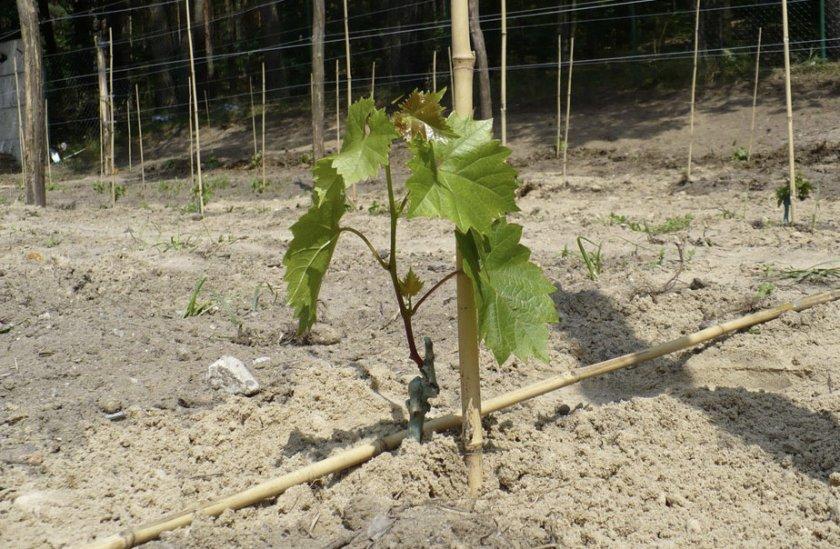 Please note! You can check the quality of a seedling by cutting off a few millimeters of the top of the vine: a healthy plant will have a green tint.
Take a look Also

Planting diagram
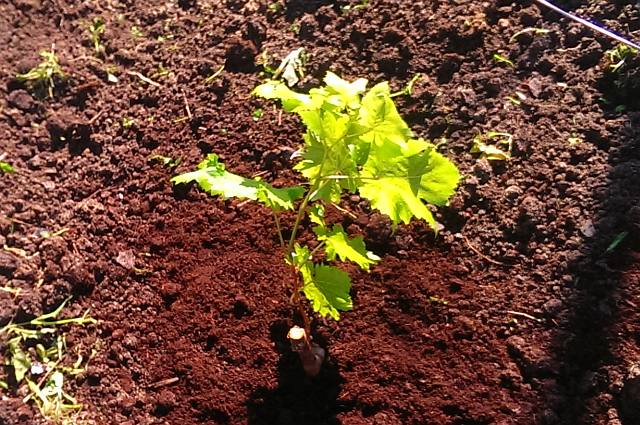
Grapes are planted as follows:
- dig a hole 60-80 centimeters deep and in diameter;
- drainage is placed at the bottom;
- sprinkle some soil on top, place the seedling, and cover with the remaining substrate;
- water the seedling generously.
The distance between bushes is 1.5 meters, between rows – 2-3 meters.
Care instructions
To ensure high-quality fruiting, grapes need to be cared for throughout the season: watered, fertilized, mulched, pruned, tied up, and protected from diseases and pests.
Watering
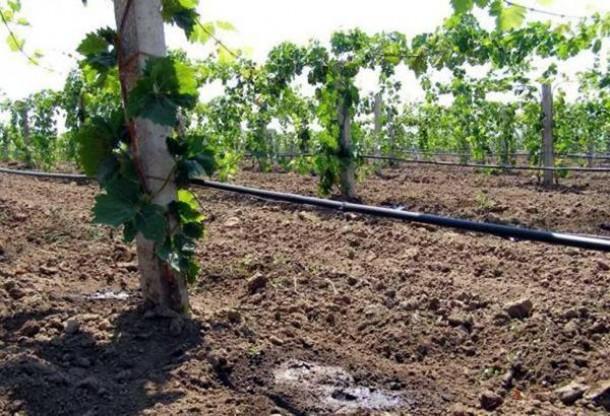
If the winter was snowy, the grapes will have enough moisture for the first few weeks. If rainfall is minimal or nonexistent, the vines are watered after flowering. Irrigation is stopped while the berries are ripening, otherwise they may begin to burst. In the fall, before the onset of frost, a moisture-replenishing irrigation is applied.
Top dressing
In the spring, mature organic matter, such as humus or compost, is added to the undergrowth. The grapes are then fertilized with mineral complexes containing potassium and phosphorus. These are applied during flowering and then after fruiting, according to the instructions.
Mulching
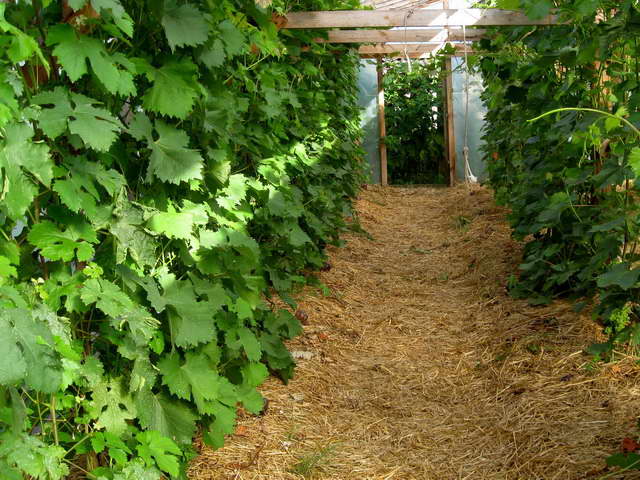
The trunk circle of the Bianca grapevine is covered with straw, sawdust, and dried grass clippings. This procedure helps retain moisture in the soil and also prevents the growth of weeds, which can carry diseases.
Garter
When planting, stakes are installed next to the grapevines to tie the emerging shoots to them. Then, as the vines grow, they are also tied to the support. The gardener determines the direction of the shoots to ensure they are not crowded.
Disease prevention
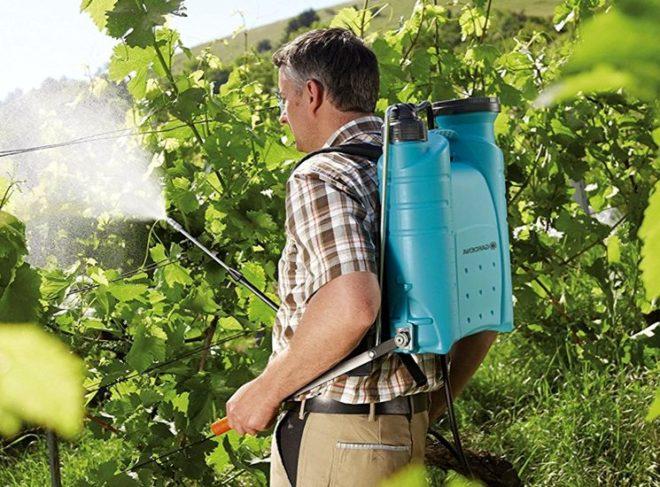
With improper care and exposure to unfavorable weather conditions, grapes can be susceptible to diseases. Preventative spraying is used to prevent these.
Oidium
A sign of this disease is a white coating on the leaves. Unripe fruits begin to crack or rot. To prevent the fungus, spray the bushes with Topaz after flowering.
Anthracnose
Brown or gray spots and ulcers appear on affected plant parts. Damp weather triggers the disease. To prevent this, spray the bushes with copper-containing preparations in the spring.
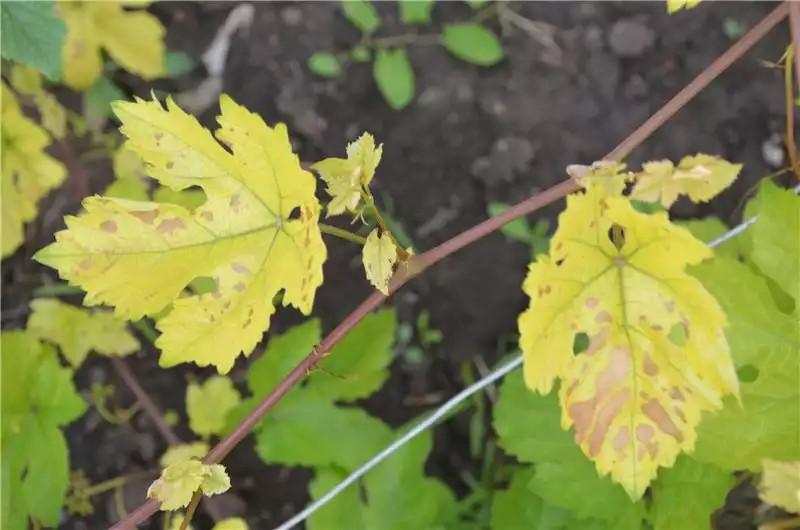
Chlorosis
Chlorosis causes leaf blades to take on a pale hue. Then, shoot growth stops. Plants are sprayed with ferrous sulfate or Brexil.
Rubella
This fungal disease causes dehydration of the leaves. To prevent this, treat both sides of the leaves with fungicides in the spring. Additionally, the bushes should be fed with potassium fertilizer.
Bacteriosis
Bacteria enter the plant through wounds. All parts of the grapevine are affected. To prevent and slow the spread of the disease, the vines are sprayed with Bordeaux mixture.
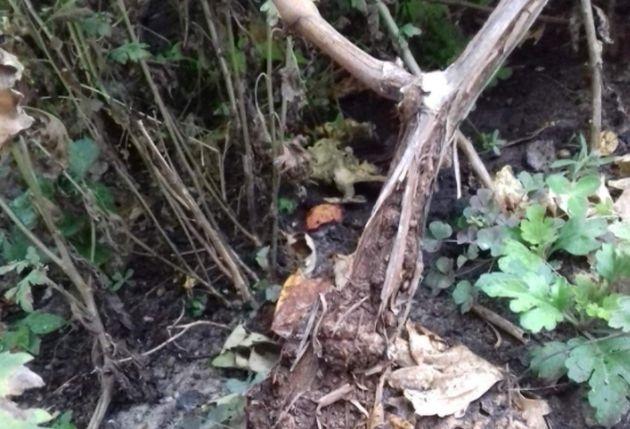
Bacterial cancer
This disease causes brown growths to appear on old vines. The vines are infected by contaminated soil, diseased seedlings, and tools. There is no cure. Prevention requires periodic rejuvenation of the vine, grafting onto healthy rootstock, and disinfecting tools.
Protection from birds and pests
Wasps and birds love to feast on ripe berries. Some gardeners set up bait for wasps, such as filling a bottle with jam mixed with water. They also cover the bunches with protective netting to keep birds and wasps out.
Preparing for winter
In the fall, only mature vines that can withstand the cold are left on the bush. To help the grapes survive the winter, they are watered generously before the first frost. If frosts below -27°C are expected, the bushes are covered with spruce branches. Young, 2-3-year-old plants require mandatory shelter.
Pruning and shaping
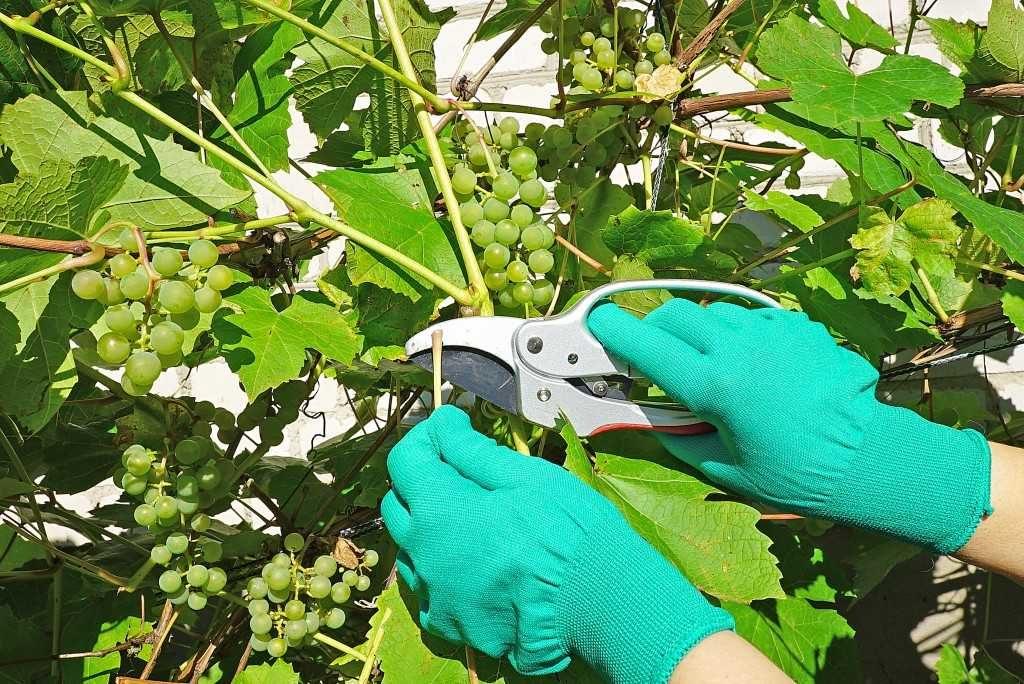
Grapes are pruned to expose ripening bunches to light, increasing sugar content. Weak shoots that cause the vine to become dense are also removed. Bianca produces a high-quality harvest when the plant is trained into a cup-shaped form. To achieve this, starting in the second year of life, pruning is performed to 2-3 buds, and this process is continued for 4-5 years.
Methods of reproduction
Bianca grapes can be propagated by cuttings, layering, and grafting. Cuttings are taken in the fall, stored in a cool room in a container filled with sand, and planted first in containers and then in open ground in the spring.
In the spring, the cuttings are dug into the ground without being cut, watered, and in the fall, after rooting, they are transplanted to a permanent location.
To propagate by grafting, the cutting is sharpened, inserted into the rootstock, and tied with a ribbon.
Advantages and disadvantages of the variety
The advantages of this variety include the following qualities:
- good yield;
- early ripening of berries;
- rapid development of vines;
- good immunity;
- high winter hardiness.
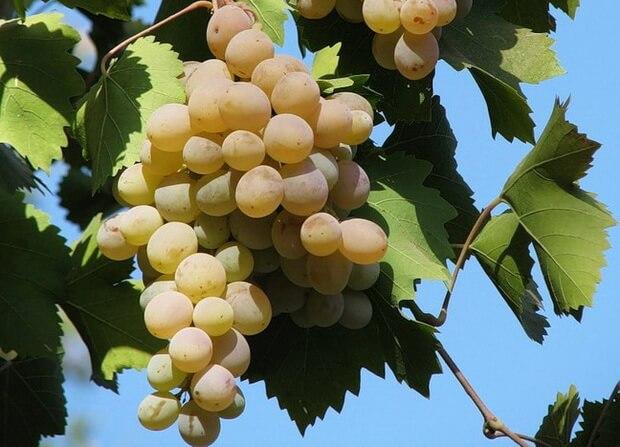
The disadvantages include the labor-intensive nature of harvesting the bunches due to their small size and poor transportability due to the thin skin.
Harvesting and storage
Ripe grape clusters are cut with scissors. Due to their thin skin, Bianca grapes don't store well. You can preserve the berries by spreading them out in a thin layer and sprinkling them with sawdust. However, this variety is best harvested and sold quickly.
Tips and advice from experienced gardeners
Winegrowers who have been growing the crop for a long time offer the following advice and recommendations:
- Select a site for planting grapes that is well lit by the sun.
- Buy seedlings only from reliable producers and trusted sellers, otherwise there is no guarantee that the bush you buy is truly Bianca.
- It is necessary to prune the vine first in the fall, and then for adjustments in the spring.
- In anticipation of a cold winter, cover the bushes in late autumn.
Although Bianca grapes do not produce large clusters of berries, they are unpretentious and contain a large amount of sugar in their fruits.
From this raw material, wines and cognacs of high taste and quality are produced.
Related posts:
 Description of 30 grape varieties for Siberia, planting and care for beginners
 The ripening time of grape vines by variety, how to speed up the process, and what to treat the plant with
 How to grow grapes in the Moscow region in open ground without a greenhouse
 Description of 30 varieties and types of Muscat grapes, planting, cultivation and care
 Description of the Julian grape variety, planting and care instructions
 Description of the Krasotka grape variety, planting and care technology
 Beginner's Guide to Growing Grapes in Open Ground in Central Russia
 Description and characteristics of the Laura grape variety, planting and care