
- History of origin
- Description and Features
- Main characteristics of the variety
- Purpose
- Ripening time
- Productivity
- Taste qualities
- Frost resistance
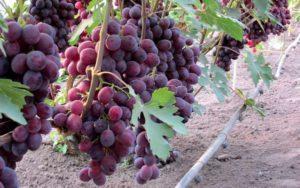
- Bunch
- Berries
- Disease resistance
- Methods of reproduction
- Cuttings
- By vaccination
- Layering
- How to plant correctly
- Recommendations for choosing deadlines
- Site preparation
- How to select and prepare planting material
- Planting diagram
- Care instructions
- Watering mode
- Top dressing
- Trimming
- Mulching
- Garter
- Preparing for winter
- Protection from birds and wasps
- Preventive spraying
- Pros and cons of the variety
- Harvesting and storage
- Applications of berries
- Tips and advice from experienced gardeners
A new domestically bred grape hybrid, Sensation, is beloved by gardeners for its early maturity and frost resistance. The vine can be grown in the northern regions of our country. It is a table grape variety and suitable for commercial cultivation. Sensation requires little care and is suitable for novice gardeners. Young seedlings quickly establish themselves and begin bearing fruit in their third year.
History of origin
The Sensation grape variety joined the collection of Russian breeders in 2016. The variety was created in the Rostov region by amateur breeder Vasily Ulyanovich Kapelyushny by crossing the Talisman and Rizamat varieties. The characteristics of the new hybrid are similar to the time-tested Senso and Bychy Glaz varieties.
Description and Features
This young hybrid hasn't been fully studied yet. Incorporating the best qualities of its parents, Sensation is distinguished by its early maturity, large fruit, and excellent ripening flavor. A special feature of this variety is that the vines require sturdy support, otherwise the stems may break under the weight of the ripened clusters.
Main characteristics of the variety
The main characteristics of the variety include:
- Can withstand winters with frosts down to -24 0C.
- Ripe berries do not fall off the bush and do not become smaller.
- Early ripening period.
- Self-pollination.
- Easily propagated by cuttings.
- High yield and large fruits.
- The taste of the fruits is sweet.
- Purpose: table.
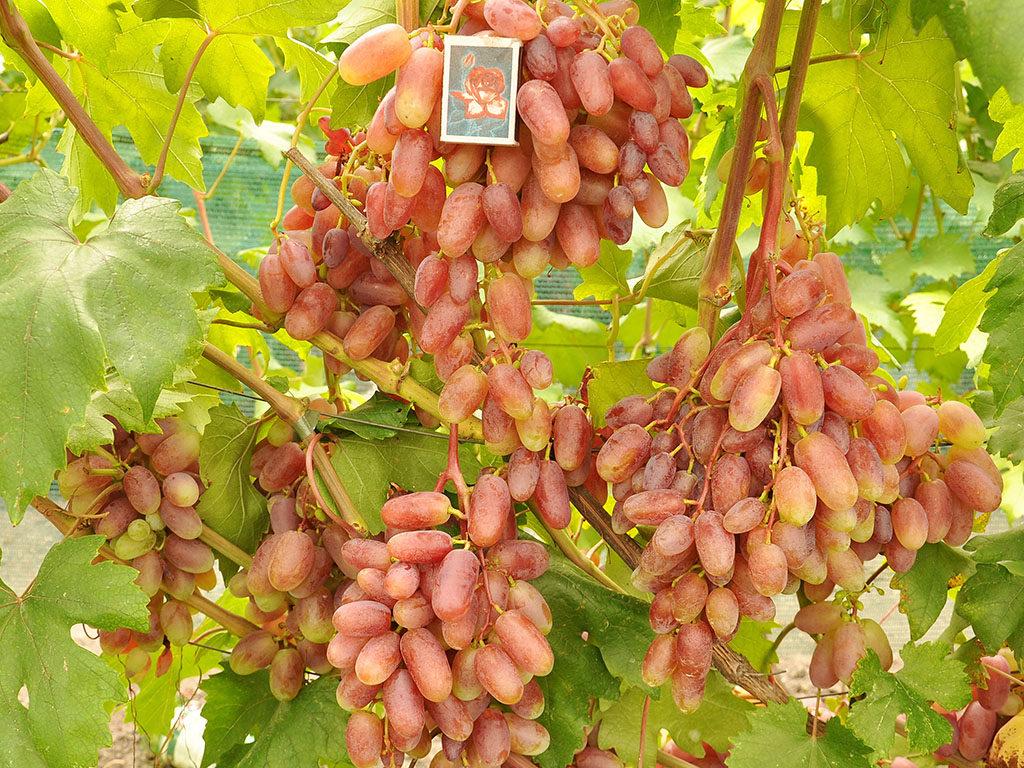
- The color of ripe fruits is yellow with a pale pink tint.
Despite its claimed frost resistance, the vine requires additional winter protection. Sensation tolerates summer temperature fluctuations well, requiring additional watering during bud formation, but will die in very waterlogged soils.
Purpose
Because of the sweet, juicy flavor of ripe grapes, Sensation grapes are eaten fresh. This variety is used for table grapes, making juices, compotes, and raisins.
Ripening time
The growing season for Sensation is only 90-100 days. This variety is considered an ultra-early one. Harvesting of ripe bunches begins in August. The grapes are not prone to shattering, and harvesting can continue for up to 10 days.
Productivity
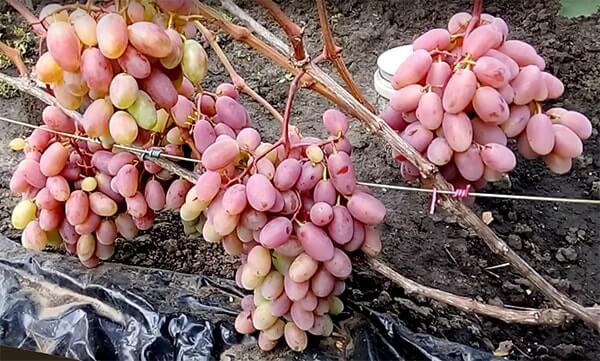
This high-yielding hybrid produces approximately 40 clusters on a single mature vine. The fruits are large, with a single bunch weighing up to 2 kilograms.
With proper care and favorable conditions, one plant can produce up to 80 kilograms of aromatic fruits.
Taste qualities
Ripe Sensation grapes have a sweet, delicate flavor and a light, musky aroma. The skin is medium-thick, and the grapes are very juicy without being astringent.
Frost resistance
Sensation can withstand frosty winters with ambient temperatures down to -24°C. This is considered average frost resistance for modern varieties. In regions with cold, low-snow winters, the vines should be covered with agrofibre, spruce branches, or dug into the ground for the winter.
Bunch
Due to the heavy weight of ripe grape clusters, the vines must be tied and secured to a support. The clusters are conical in shape. A single bunch weighs between 1 and 2 kilograms. To prevent the grapes from becoming smaller, excess clusters are removed at the beginning of the flowering period.
Berries
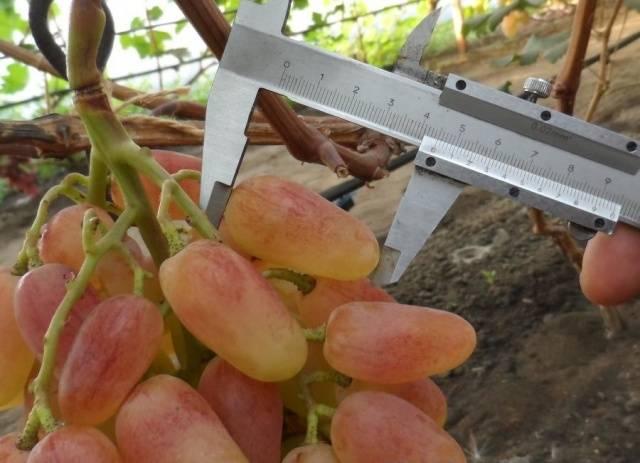
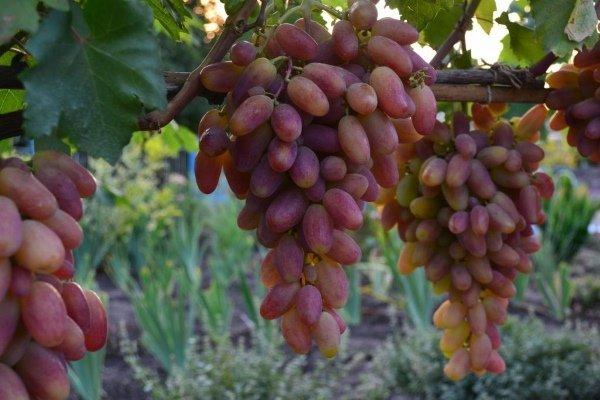
Sensation produces large, elongated berries, weighing up to 35 grams. It is considered a finger variety.
Note! This hybrid is a variety that is not prone to pea-shaped fruit or early shedding. Ripe berries stay on the bush for about two weeks.
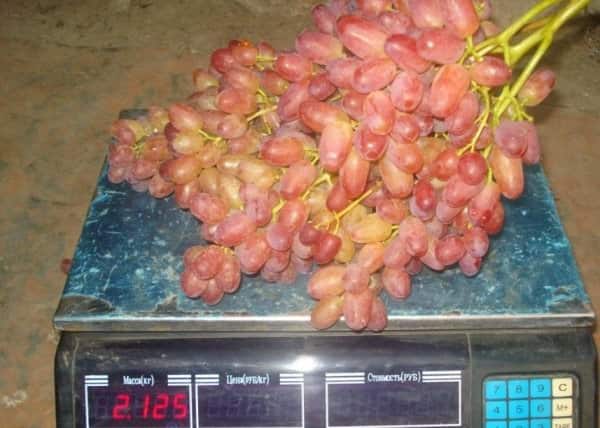
The color of ripe grapes ranges from yellow to pale pink, the comb is colored red.
Disease resistance
The young hybrid boasts strong immunity and is resistant to powdery mildew and gray mold. However, if cultivation practices and care are not followed properly, it can become susceptible to fungal infections. Due to the high sugar content of the fruit, it is susceptible to attack by wasps, which eat away the ripe pulp.
Methods of reproduction
Propagating Sensation is easy. The survival rate of cuttings is 85%. Other propagation methods include grafting and layering.
Cuttings
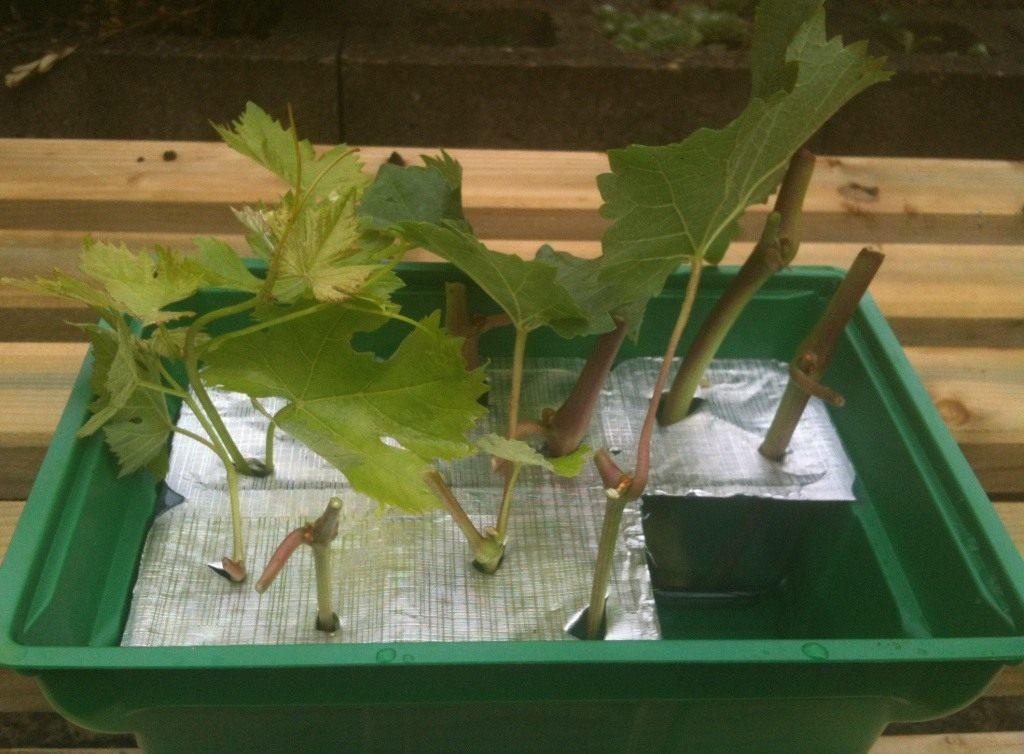
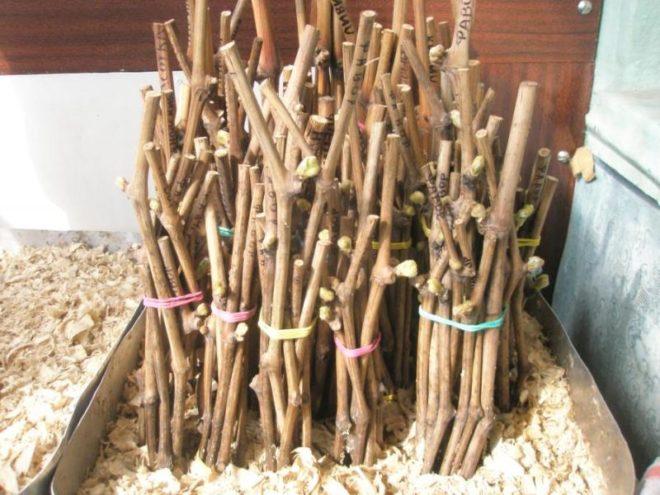
The optimal method for propagating a large-fruited hybrid, accessible to beginners, is cuttings. This method requires careful selection and preparation of the cuttings. The middle, woody part of the stem is used as a base, and the cuttings are made with pruning shears, leaving about five buds on the cutting.
The harvesting is carried out in the fall and the cuttings are stored in the refrigerator until the end of winter.
In the southern regions, seedling cuttings are planted directly into the ground at the onset of spring; in the northern regions, they are planted in individual containers at the end of February and transplanted to a permanent location at the beginning of May.
By vaccination
A quick way to obtain a seedling of your favorite variety. The technique involves grafting the rootstock onto the scion. This can be done in spring, summer, or fall. The advantage of this method is the rapid development of the root system.
Layering
A simple method for propagating grapes. The lower branch of the vine is buried in the soil, and shoots with their own root system form from the buds, while the shoot receives the necessary nutrients from the mother vine.
How to plant correctly
The success of growing aromatic berries depends on choosing the right location for your vineyard and following proper agricultural practices. It's important to prepare the soil in advance and maintain the proper spacing between vines to ensure each seedling receives sufficient light and nutrients.
Recommendations for choosing deadlines
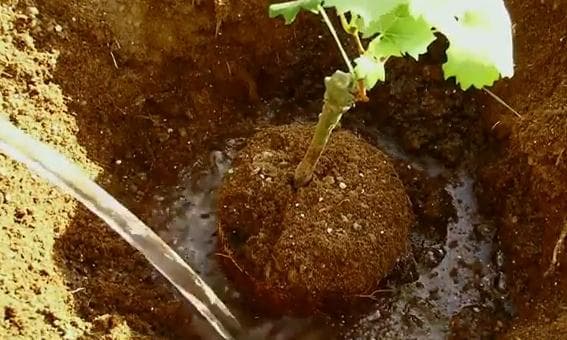
The optimal time for planting hybrid grape seedlings in open ground is April or May, depending on the region. Fall planting is also practiced, but it is not recommended later than September, as the seedlings do not have time to develop the necessary root system and may freeze.
Site preparation
The site for grapevines must be carefully chosen, as they do not tolerate transplanting well. Preference should be given to southern or southwestern slopes. Avoid planting grapevines in lowlands or marshy areas, as stagnant water around the roots is detrimental to the vines.
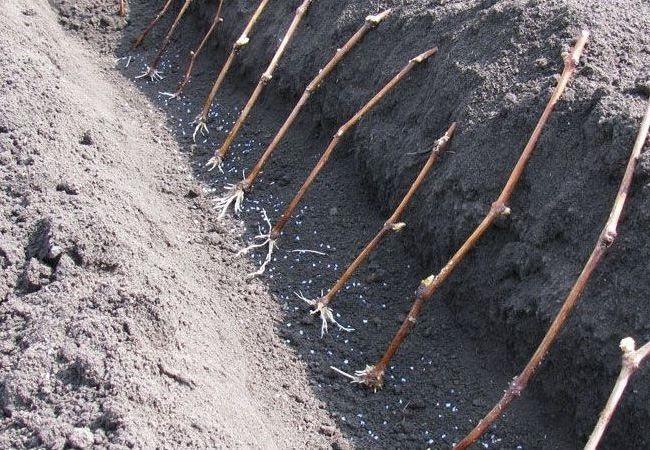
Before planting seedlings, the soil is prepared in advance, the ground is dug up, and disinfected with boiling water or a solution of potassium permanganate.
How to select and prepare planting material
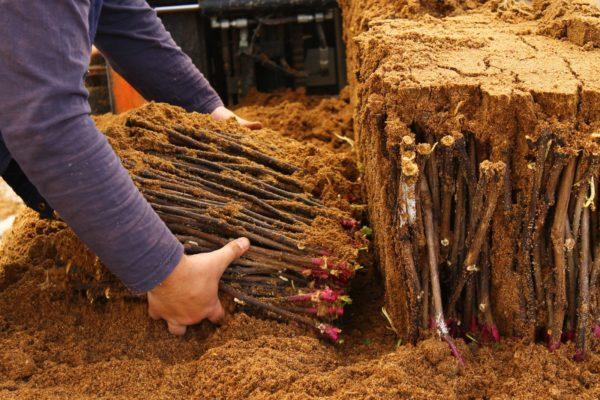
When purchasing seedlings at the store, choose planting stock with a closed root system. The plant should be "awakened," meaning the buds should be alive, and the presence of leaves is essential. The trunk should be intact, with no signs of cracking or fungal diseases.
Planting diagram
The planting hole should be 80 centimeters deep and 60 centimeters in diameter. Drainage should be placed at the bottom and compost added. The planting site should be moistened. The distance between plants should be at least 1.5 meters. When planting in groups, use a staggered planting pattern.
Care instructions
You can achieve a rich grape harvest in your garden only with regular care of the plants.
Watering mode
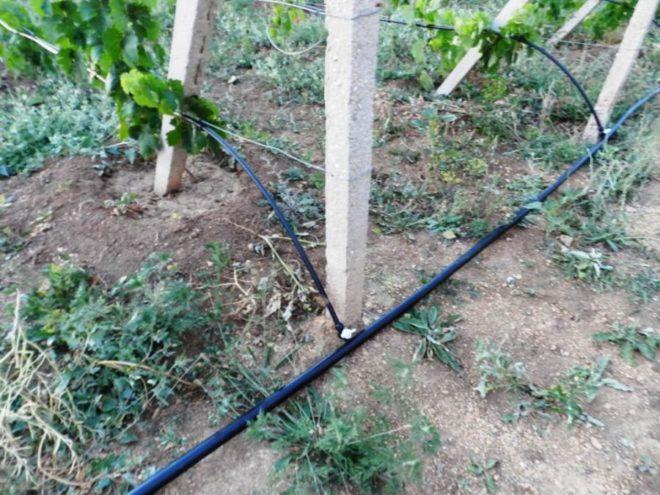
The Sensation grape requires a lot of water and does not tolerate drought well. Watering is especially important during flowering and fruit set. Irrigate the grapes directly at the roots, making small grooves around the trunk 20 centimeters from the trunk to ensure better penetration. On average, the vines are watered 1-2 times a week, with a recommended amount of 20-30 liters, depending on the vine's age.
Top dressing
For full growth, grape vines need mineral and organic fertilizers; potassium, phosphorus, and zinc are especially important for the plant.
If these components are lacking, the number of ovaries is halved, the grapes become susceptible to fungal diseases, and the growth rate slows down.
Of the organic matter, black soil and humus are used, but the main emphasis in the additional nutrition complex should be on the introduction of mineral substances.
Trimming
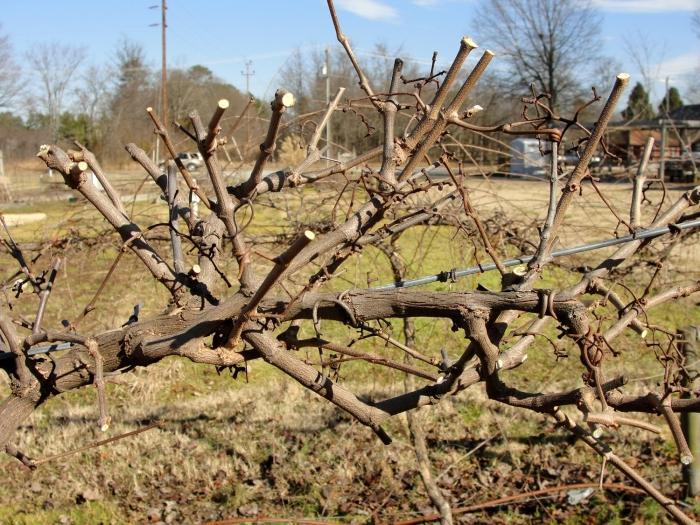
The vine will require its first pruning in its second year. Sensation is pruned at the level of 6-8 buds. The vine is trained into a fan shape. It is important to remove completely dead and diseased branches.
Mulching
Mulching reduces the need for watering and protects plant roots from overheating or freezing. Hay, straw, spruce needles, and sawdust are commonly used as mulch.
Garter
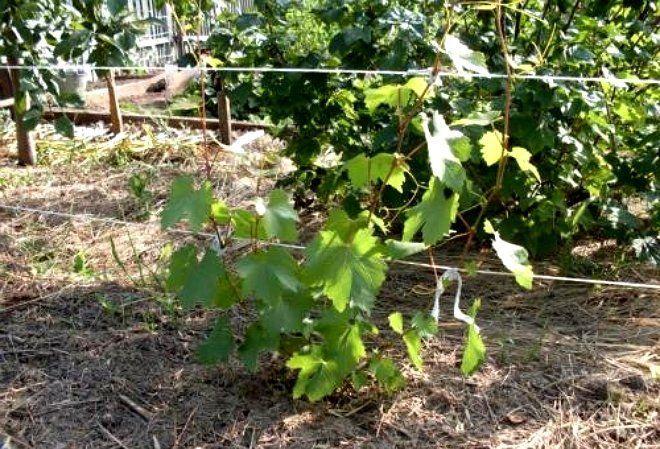
The weight of ripe grape clusters is substantial, with up to 40 bunches ripening on a single plant. The stems can break under the weight of the grapes. Grapes need to be tied and secured to supports. Horizontal training and staking are also practiced.
Preparing for winter
Although the variety is advertised as frost-resistant, it is recommended to cover the vine with additional covering material or bury it for the winter. First, prune the plant, remove dead branches, and treat the vine with fungicides.
Protection from birds and wasps
Wasps are simply driven crazy by ripe berries and attack grape plantations in Sensation, significantly reducing the quality of the harvest. If you're not careful, you can accidentally eat a berry with a wasp inside, which is especially dangerous for children. Birds peck at the berries, which can reduce the harvest by half.
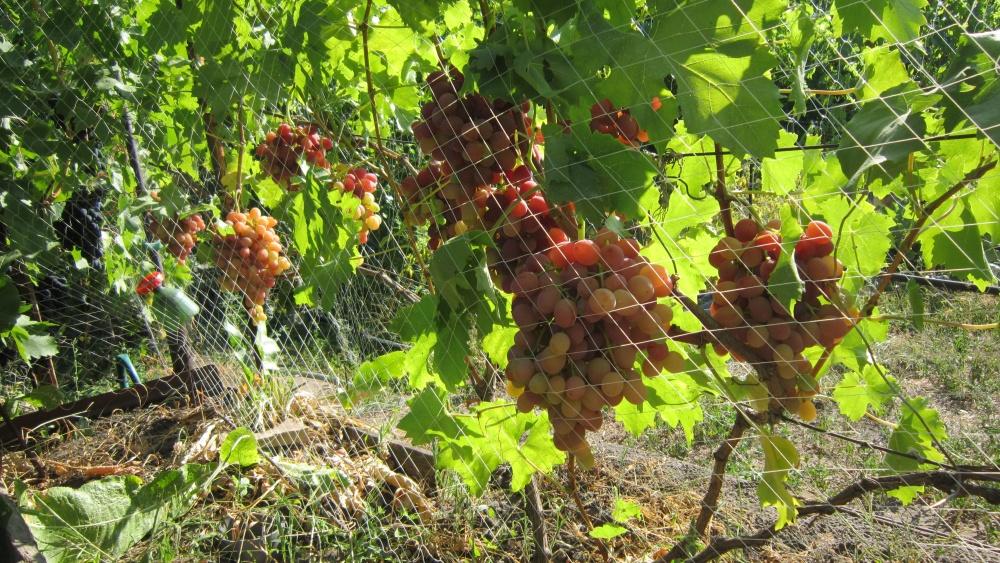
To scare away birds, they use pinwheels, and to combat wasps, they put special bags made of mesh or gauze on bunches of grapes.

Preventive spraying
Treat grapes for fungal infections in early spring. Immediately after removing winter cover, treat the vines with fungicides. Repeat treatments can be carried out during bud formation and flowering.
Pros and cons of the variety
Like any grape variety, Sensation has a number of advantages and disadvantages. The new variety's advantages include:
- Early maturity.
- High yield and large fruits.
- Taste qualities.
- Resistant to powdery mildew and grey mould.
- Ripe berries do not fall from the bush.
- Self-pollinating hybrid.
- Easy to propagate.
The variety has few flaws, these include:
- Average winter hardiness, requires winter shelter.
- The quality of the fruit decreases as the harvest quantity increases.
- Tying to supports is mandatory.
According to gardeners, Sensation is a wonderful variety for growing in the garden. The berries are recommended for eating fresh or making homemade wine.
Harvesting and storage
Ripe bunches can remain on the vine for a long time without falling off. The variety is suitable for transportation, and the berries do not crack.
Note! Leaving ripe grapes on the vines for too long is not recommended. Remember that the fragrant fruits of the Sensation are a favorite delicacy of wasps.
For storage, grapes are placed in fruit crates in a single layer.
Applications of berries
The main flavor advantage of this variety is its sugar content; the grapes are sweet and aromatic. It is recommended to eat ripe berries fresh, as Sensation fruits are a storehouse of vitamins and nutrients.
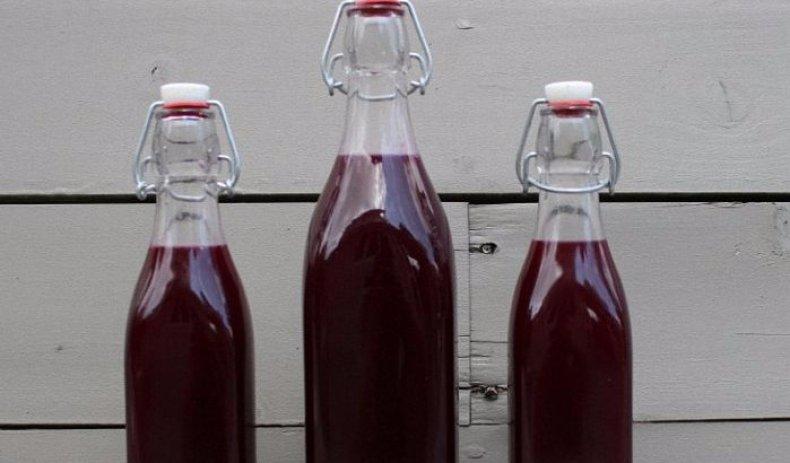
Many gardeners make homemade wine from grapes, which has a light musky aroma. Juice and raisins are also made from the fruit.
Tips and advice from experienced gardeners
Sensation is suitable for commercial cultivation, but the new variety has also become a favorite among gardeners. Growing recommendations from experienced gardeners:
- To preserve the quality of the harvest, excess ovaries are pinched off after flowering.
- Avoid excessive nitrogen fertilization.
- The grapes are pampered with foliar feeding.
- The walls of terraces or gazebos can be used as support for the vines.
- Before winter, mulch the bushes with humus.
Recently, it has been recommended to tie up grapes and form the vines horizontally. This method allows for an optimal level of illumination for all shoots, and more ovaries are formed on the bush.
Sensation grapes are an easy-to-grow, aromatic, juicy grape variety recommended for growing in various regions of our country in home gardens and summer cottages.
Related posts:
 Description of 30 grape varieties for Siberia, planting and care for beginners
 The ripening time of grape vines by variety, how to speed up the process, and what to treat the plant with
 How to grow grapes in the Moscow region in open ground without a greenhouse
 Description of the Sensation strawberry variety and growing instructions
 Description of the Julian grape variety, planting and care instructions
 Description of 30 varieties and types of Muscat grapes, planting, cultivation and care
 Description of the Krasotka grape variety, planting and care technology
 Beginner's Guide to Growing Grapes in Open Ground in Central Russia