
- Description and Features
- Vine
- Inflorescences
- Berries
- Taste
- Growing regions
- History of selection
- Daria
- Dashunya
- Dashenka
- Main characteristics
- Drought resistance
- Frost resistance
- Productivity and fruiting
- Areas of application of fruits
- Resistance to diseases and pests
- Transportability
- Pros and cons of the variety
- How to plant correctly
- Recommendations for choosing deadlines
- Choosing a location
- Soil requirements
- Site preparation
- How to select and prepare planting material
- Planting diagram
- Care instructions
- Watering mode
- Top dressing
- Preparing for winter
- Mulching
- Prevention of diseases and pests
- Trimming
- Methods of reproduction
- Diseases and pests
- Gray rot
- Mildew
- Oidium
- Birds
- Harvesting and storage
- Tips from experienced gardeners
The Daria grape variety is considered a very popular plant. This crop produces delicious fruit with a muscat aroma and excellent yields. To achieve success in growing this shrub, it is recommended to provide it with high-quality and comprehensive care. This includes timely watering, fertilization, and pruning. Protection from diseases and birds is also crucial.
Description and Features
Before planting this crop in your garden, it is worth familiarizing yourself with its main characteristics.
Vine
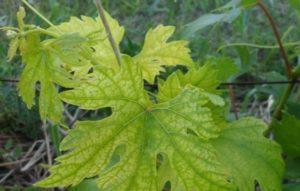
This is a vigorous plant, capable of reaching 2.5 meters. It is characterized by strong and robust shoots. Fruiting occurs in 6-8 buds. The foliage is a rich green and consists of 5 lobes. These lobes have deep notches and serrated edges.
Inflorescences
The flowers of the Daria grape are bisexual, resulting in 100% fruit set. Regardless of weather conditions, the grape is not prone to pea formation.
Berries
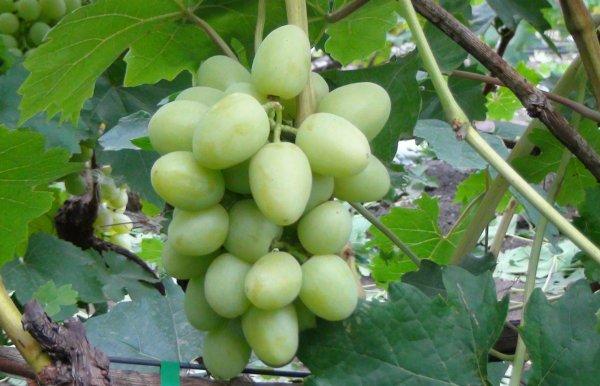
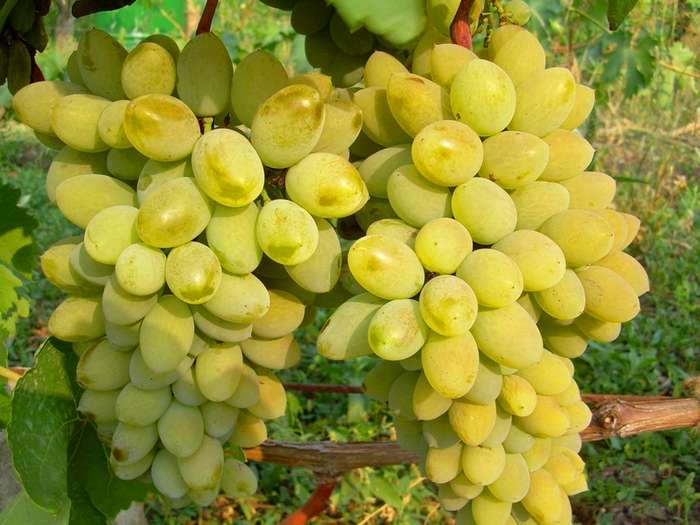
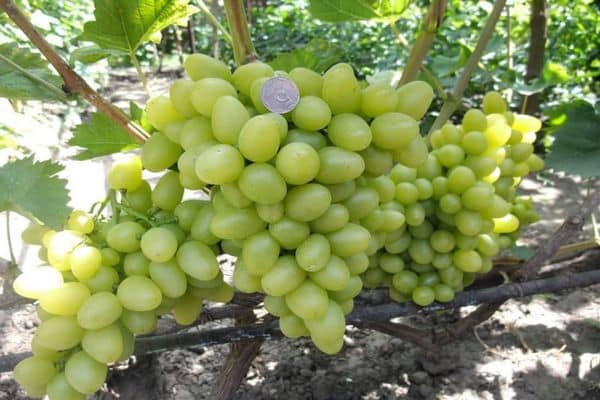
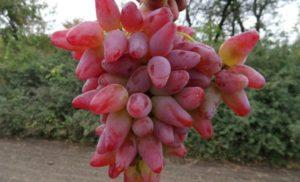
The clusters are cone-shaped and medium-dense. The berries are amber in color and egg-shaped. Each berry weighs 14-16 grams. They are covered with a medium-thick skin on the outside and contain a muscat-flavored pulp inside. Each berry contains 1-3 small seeds.
Taste
This variety is characterized by excellent flavor. The grape pulp is sweet and has a distinct Muscat aroma.
Growing regions
This variety is characterized by an early ripening period. Therefore, it can be grown in any region of Russia. In the north, it is recommended to cover it for the winter.
History of selection
Today, several varieties of this grape are known, each of which has certain characteristics.
Daria
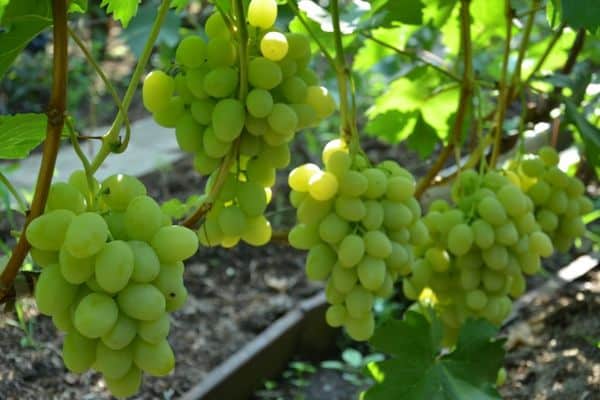
This variety was developed by renowned breeder V.N. Kraynov. This was achieved by crossing the Kesha and Druzhba grape varieties. The result is a grape with a high immunity and virtually no susceptibility to common diseases.
This variety is considered a hybrid form, which is still undergoing testing. It is an early-ripening grape variety, with the fruit ripening in just 105-115 days.
This plant is characterized by the following features:
- a vigorous bush 2.5 meters high;
- formation of long shoots;
- excellent ripening of vines;
- dark green leaves;
- bisexual flowers;
- large clusters weighing 0.7-1 kilogram - they are characterized by medium density and conical shape;
- ovoid berries weighing 12-14 grams;
- medium density peel;
- juicy, fleshy pulp with pronounced nutmeg notes;
- a small number of seeds inside.
Dashunya
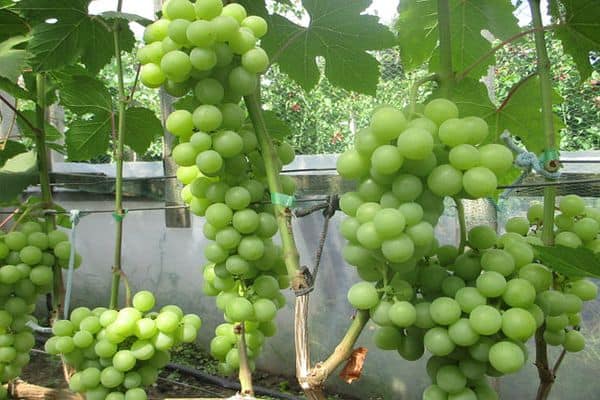
This variety is considered the result of the breeding work of winemaker N. P. Vishnevetsky. It is a new hybrid characterized by an early ripening period. The harvest is completed in 115-120 days. The parent varieties of this hybrid are considered to be Rizamat, Kesha, and Kishmish Radiant.
Take a look Also
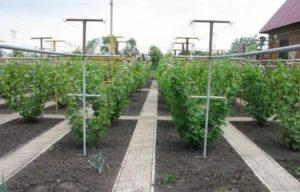
As a result, it was possible to obtain a plant with the following characteristics:
- vigorous bush;
- good ripening of the vines;
- female flowering type;
- conical shape of the bunch - it weighs 1.5-2 kilograms and has an average density;
- pink berries weighing 12-15 grams;
- Excellent taste with nutmeg notes.
The berries of this variety adhere well to the stem. Even with excess moisture, they do not crack or suffer from gray mold. The variety pollinates well and is not prone to pea formation.
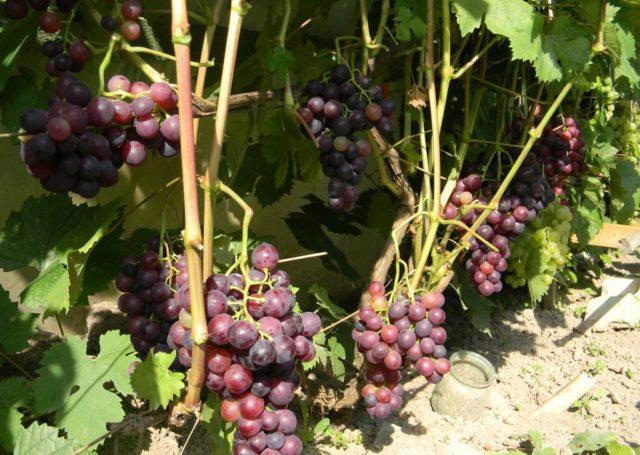
The hybrid's undoubted advantage is its ability to be transported over any distance. The vine is resistant to powdery mildew and mildew and can withstand temperatures as low as -24 degrees Celsius.
Dashenka
This variety was developed by amateur breeder V. U. Kapelyushny. It is characterized by an extremely early ripening period—just 100-105 days. Ripe berries can be harvested as early as August.
This variety is characterized by the following features:
- vigorous bush;
- dense and heavy bunches weighing up to 1 kilogram;
- large berries weighing 12-16 grams;
- yellow-pink color of fruits;
- juicy pulp with a pleasant crunch;
- nutmeg flavor and distinct aroma.
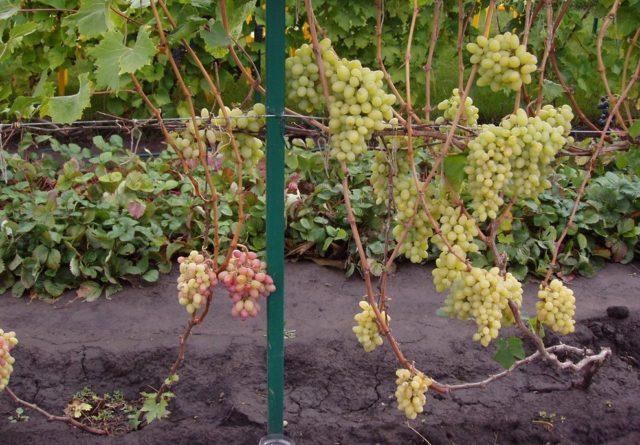
This grapevine is characterized by early ripening and excellent frost resistance. It can withstand temperatures as low as -24 degrees Celsius and requires no cover.
Main characteristics
Before planting grapes of this variety, it is worth familiarizing yourself with its key characteristics.
Drought resistance
This variety tolerates dry weather well. However, young plants require regular watering to ensure they establish successfully.
Frost resistance
This variety is considered quite frost-hardy. It can withstand temperatures down to -23 degrees Celsius.
Productivity and fruiting
Grapes begin to bear fruit 2-3 years after planting. Ripening takes 105-115 days after bud break. This variety is considered high-yielding. One bush can produce up to 30 kilograms of delicious fruit.
Areas of application of fruits
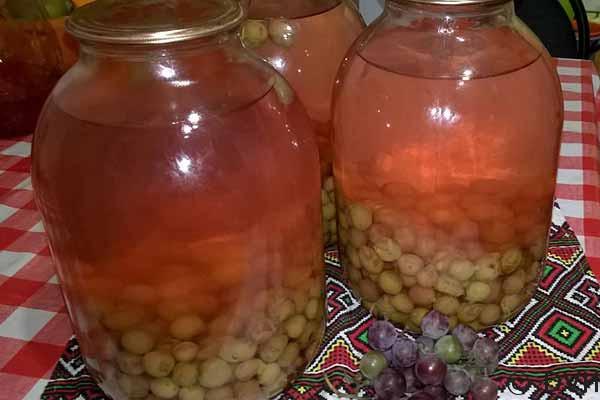
The grapes of this variety are distinguished by their versatility. They can be used to make juice, compote, wine, jam, or preserves. The fruits can also be eaten fresh. They are sometimes used in cosmetology and medicine.
Resistance to diseases and pests
Grapes are characterized by good immunity to gray mold, mildew, and oidium. Preventative treatments are used to prevent the development of these diseases.
Transportability
The fruits store well for up to 1 month. They have a fairly thick skin, making them easy to transport and resistant to cracking.
Pros and cons of the variety
The advantages of this culture include the following:
- early ripening period;
- a strong vine that ripens along its entire length;
- high and stable yield;
- no tendency to pea;
- large size of bunches;
- ease of care;
- long shelf life and excellent transportability;
- resistance to diseases and pests;
- frost resistance.
However, the variety also has certain disadvantages:
- the need to cover bushes for the winter in northern regions;
- the need to standardize the quantity of fruits.
How to plant correctly
To achieve success in growing this crop, it is very important to carry out planting work correctly.
Recommendations for choosing deadlines
In the south, the crop can be planted in spring or summer. In regions with harsh climates, it's best to plant in spring to allow the vines time to ripen.
Choosing a location
To reap a bountiful harvest, it's important to choose the right location before planting. A sunny, draft-free spot is ideal. It's recommended to place the bush on the south side of a fence or building. The plant requires light, well-drained soil.
Soil requirements
The crop does not tolerate stagnant water and high groundwater levels. It is best planted in sandy or sandy loam soil.
Site preparation
Preparatory work depends on the soil type on the site. In favorable conditions, digging a trench and planting the shrubs in it is sufficient. If you plan to plant in loamy soil or have a high water table, it's worth creating a raised bed.
How to select and prepare planting material
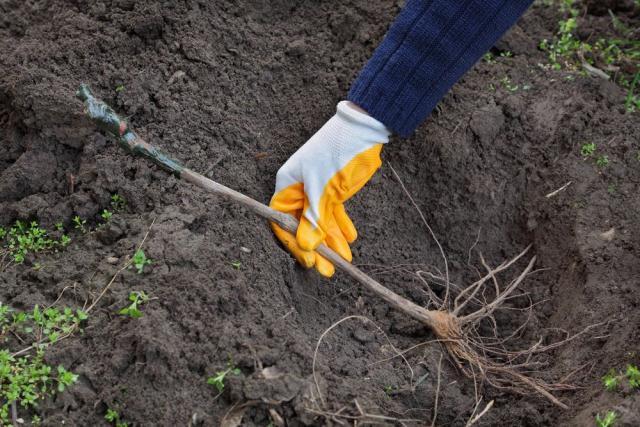
Before planting this grape variety, it's recommended to carefully select the right plant. The seedling should be healthy in appearance, with no signs of disease or pests. It's a good idea to soak it in water before planting.
Planting diagram
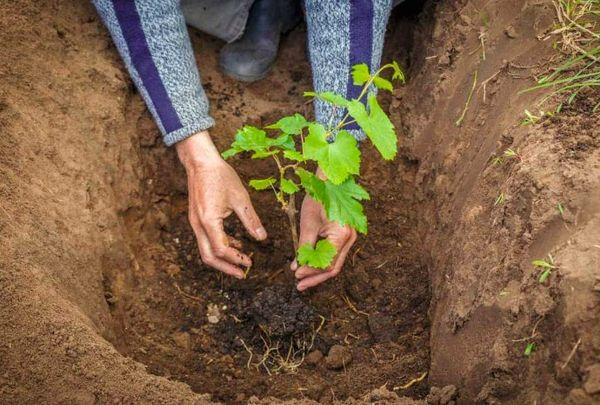
To plant a grape bush, you should follow these steps:
- Make a hole slightly larger than the roots. Minimum dimensions are 50 x 40 centimeters.
- Place a drainage layer (at least 10 centimeters) at the bottom. It should include crushed stone and crushed brick.
- Fill the hole with nutritious soil and water.
- After 2 weeks, add soil. Make a mound in the center and place a stake next to it to secure the plant.
- Place the plant roots in a mixture of clay and humus.
- Place the bush on a mound and spread out the roots.
- Sprinkle with soil so that the root collar is 5 centimeters above the surface of the soil.
- Shake the plant to fill the voids with soil and compact the soil.
- Tie the grapes to the support.
- Pour 2-3 buckets of water under it.
- Trim the plant so that 2-3 healthy buds remain on it.
- The next day, the bed should be loosened and peat or compost should be added to the tree trunk circle.
When planting, it's recommended to position the grape seedlings of this variety at an acute angle. This will facilitate the ripening process.
Care instructions
To ensure the plant develops normally and produces a good harvest, it is recommended to provide it with high-quality care.
Watering mode
Immediately after planting, the crop should be watered fairly frequently. This will facilitate the plant's adaptation to the new conditions. Mature vines require several irrigations.

The first watering is two weeks before flowering. Then, the soil should be moistened during fruit formation. Once the fruit begins to ripen, it's recommended to stop watering. The last watering is done before wintering.
To ensure the plant receives sufficient moisture, it is recommended to water it between rows – 50 centimeters from the trunk.
It's important to avoid moisture getting on the leaves, as this can promote various diseases. Water in the morning or evening. Each plant requires 15 liters of water.
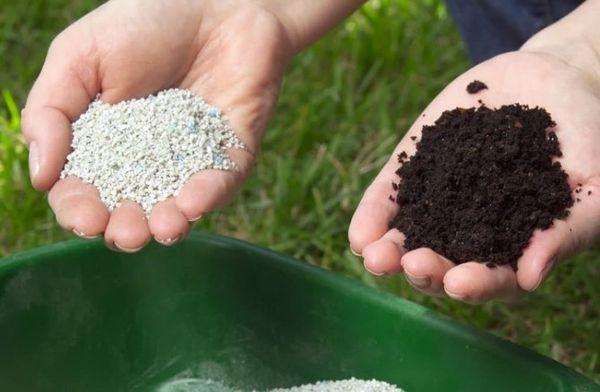
Top dressing
Fertilizers should be applied several times during the growing season:
- During active growth, add 20 liters of potassium nitrate solution to the bush. Use 30 grams of solution per 10 liters of water.
- During flowering, use 15 liters of superphosphate-based solution. Use 50 grams of the solution per bucket of water.
- During fruiting, at least 20 liters of ammonium nitrate solution should be added to each bush. Use 50 grams of the solution per bucket of water.
Preparing for winter
Although this variety is considered frost-hardy, young plants should be covered with agrofibre for the first two years. In the north, even mature bushes should be insulated. For this purpose, it is recommended to remove the vine from its support and cover it with spruce branches. Place boards and covering material on top. Finally, cover the plant with soil.
Mulching
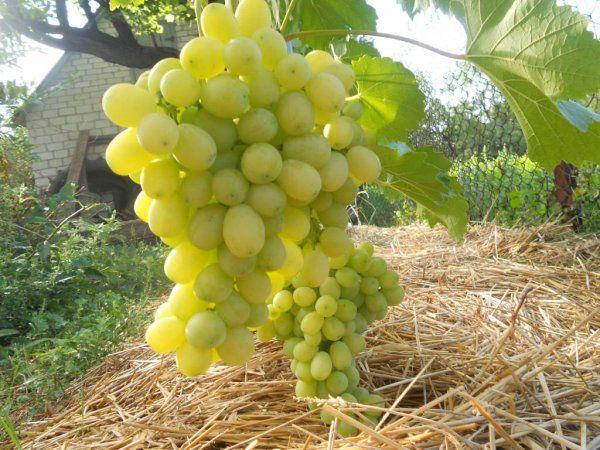
To ensure normal plant development, mulching the soil is essential. Peat, straw, and sawdust are used for this purpose. This prevents moisture loss and weed growth.
Prevention of diseases and pests
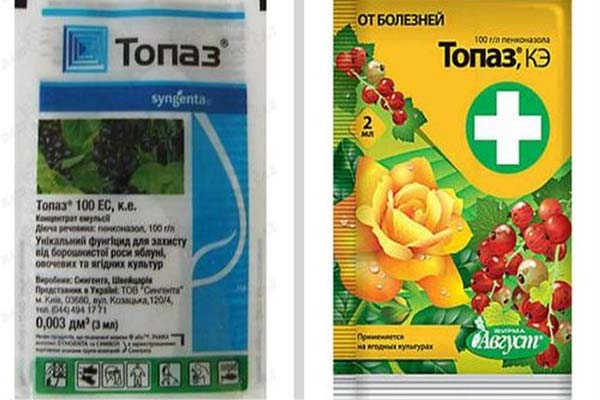
To prevent gray mold, use a Bordeaux mixture solution. To prevent the development of powdery mildew or mildew, use Hom.
Ferrous sulfate is also used for preventative purposes. A combination of Horus and Bi-68 is highly effective. A mixture based on Topaz, Actellic, or Ridomil Gold can also be used.
Trimming
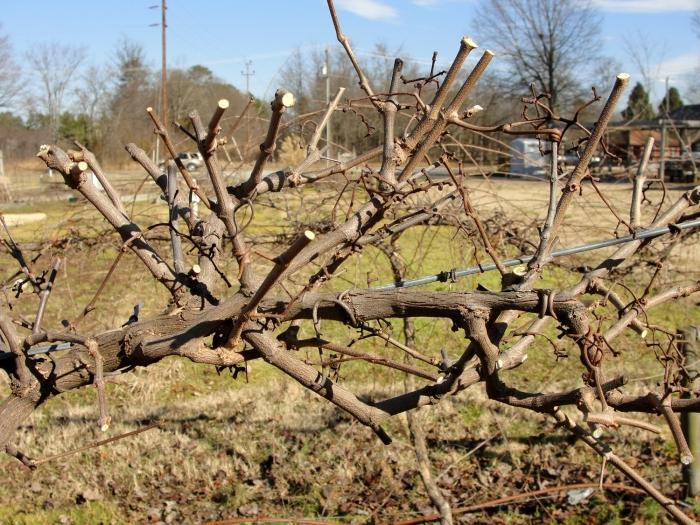
The plant requires regular pruning. However, severely shortening the shoots is not recommended. This procedure should be performed while the vine is dormant. This is usually done in late February or early March.
Methods of reproduction
Grapes can be propagated by seed and cuttings. They can also be propagated by seedlings or layering. However, seed propagation is quite rare. Most often, vines are grafted onto other crops.
Diseases and pests
Grapes are known for their resistance to diseases and pests. However, they sometimes suffer from certain problems.
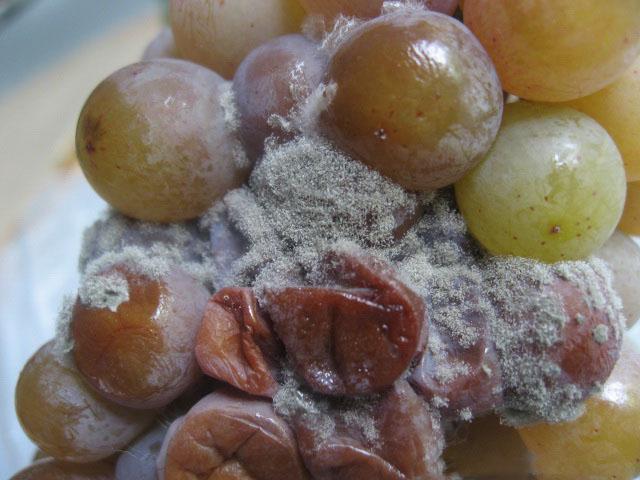
Gray rot
A solution of Bordeaux mixture will help combat the disease. Use 3 grams of the mixture per 10 liters of water.
Mildew
To eliminate this disease, you can use copper oxychloride. Use 30 grams per bucket of water.
Oidium
The drug Hom can help combat the disease. Use 30 grams of the product per 10 liters of water.
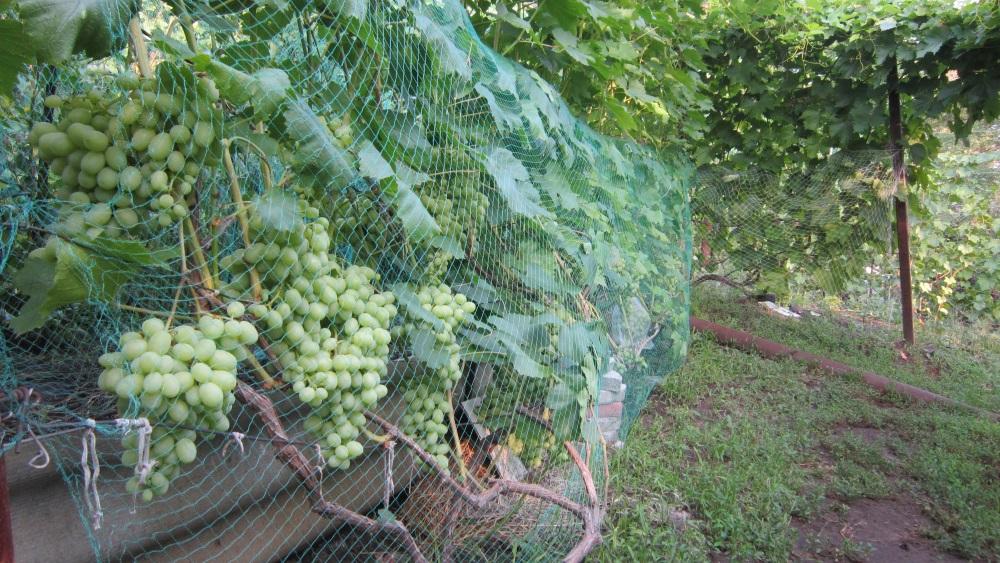
Birds
To protect the plant from birds, it is recommended to cover the bunches with special nets. The use of rattles and scarecrows is also permitted.
Harvesting and storage
The berries begin to ripen in mid-July. This is the recommended time to harvest. Harvested bunches can be stored for up to 1 month.
Tips from experienced gardeners
To grow the crop, you should follow these recommendations:
- carry out planting operations correctly;
- water the plant on time;
- carry out pruning;
- carry out preventive measures against diseases and pests.
The Daria grape variety boasts excellent flavor and produces a bountiful harvest. To achieve successful cultivation, it is recommended to strictly adhere to basic agricultural practices.
Related posts:
 Description of 30 grape varieties for Siberia, planting and care for beginners
 Description of 30 varieties and types of Muscat grapes, planting, cultivation and care
 How to grow grapes in the Moscow region in open ground without a greenhouse
 The ripening time of grape vines by variety, how to speed up the process, and what to treat the plant with
 The best grape varieties for growing in the Urals, planting and care rules in summer
 Beginner's Guide to Growing Grapes in Open Ground in Central Russia
 Description of the Julian grape variety, planting and care instructions
 The best methods for growing grapes from seeds at home