
- History of selection
- Description and Features
- Characteristics of the variety
- Frost resistance
- Drought resistance
- Productivity and fruiting
- Applications of berries
- Disease resistance
- Advantages and disadvantages of the variety
- How to plant correctly
- Recommendations for choosing deadlines
- Site selection and preparation
- How to select and prepare planting material
- Planting diagram
- Care instructions
- Watering mode
- Top dressing
- Trimming
- Protection from birds and insects
- Preparing for winter
- Preventive spraying
- Methods of grape propagation
- Cuttings
- Graft
- Layers
- Diseases and pests
- Oidium
- Mildew
- Harvesting and storage
- Tips and advice from experienced gardeners
Among the many grape varieties, gardeners favor the Jupiter variety, renowned for its large clusters of tightly packed, seedless fruits. The berries are noted for their sweet taste and a slight Muscat aftertaste—consistent with the characteristics of a table grape.
Kishmish varieties thrive best in temperate climates. The plant has average frost and drought tolerance, so it's not popular in southern and northern regions.
History of selection
The Jupiter grape variety was created by two American breeders: John R. Clark and James N. Moore. They skillfully combined V. vinifera and V. labrusca grapes. This natural combination imparted a juicy flavor and pleasant aroma to the berries, and winemakers use the sultanas to make high-quality wine.
Description and Features
In the Jupiter hybrid grape, the main root and lateral roots grow quite deeply, allowing the plant to draw nourishment from groundwater and minerals. The light, woody stems form clusters with up to five inflorescences. Buds appear at 35-40 inflorescences.
Another important feature of the Jupiter grape variety is its three-lobed, serrated leaves. The leaves are green, but medium-saturated. They should be neither too numerous nor too few; they help the plant absorb sunlight and moisture for fruitful vine development. At the same time, the grape leaves create shade on hot days, thereby protecting the berry clusters from strong rays. In the event of rain, they protect against damage.
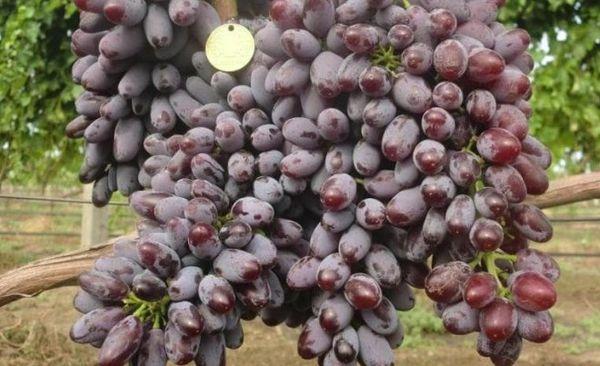
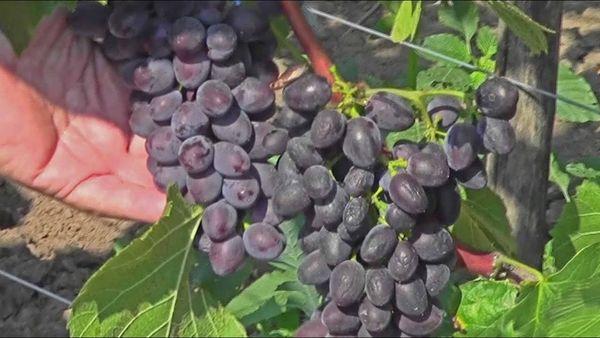
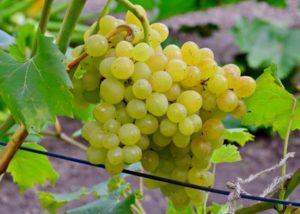
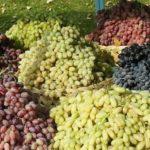
The berries are oval-shaped and, when fully ripe, are a vibrant purple. The grapevine is distinguished from other varieties by its neatness and balance. Each fruit weighs 4-5 grams and ripens evenly, a wonderful quality for culinary recipes.
The dense skin of the fruit prevents wasps from reaching the fleshy pulp, which allows the berries to ripen safely.
Characteristics of the variety
It is important for gardeners to know the main characteristics of a grape variety in advance. The process of planting a seedling and caring for it is not considered the easiest.
Frost resistance
Jupiter grapes have average frost resistance: the root system and stems can withstand temperatures as low as -26°C (-80°F). It's important to note that high humidity and low temperatures are harmful to the plant. If the region experiences frequent rainfall or severe frosts, experienced gardeners can overcome this by planting seedlings in greenhouses, but this can compromise the grapes' flavor. Seedless berries have a reddish hue, not purple, and their sweetness is significantly reduced. The resulting raisins taste slightly tart.
Drought resistance
The Jupiter grape thrives in a moderate climate. Typical regions include central Russia, where summers are warm but not hot. The plant doesn't need excessive shade; it absorbs sunlight well, but in moderation. Harsh, scorching sun will negatively impact the leaves and vines, and will also dry out the shoots.
Productivity and fruiting
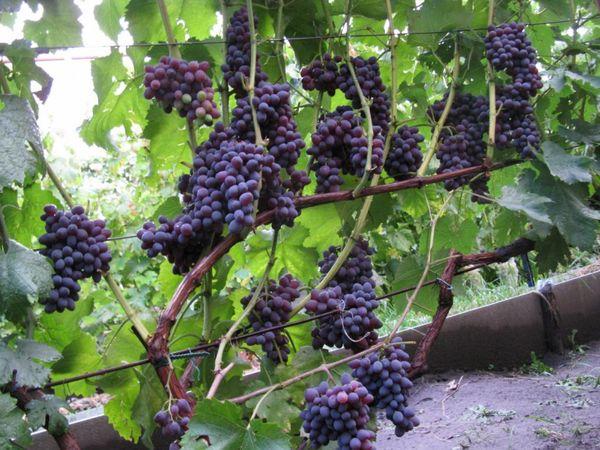
The selection of two varieties played a significant role in the fruitfulness of the Jupiter grape. The conical shape of the vines accommodates large berries weighing 350 g each. Furthermore, pollination occurs annually, which results in more inflorescences and increases the cluster weight to 500 g. The dense arrangement of the Jupiter grape berries prevents grape drop and cracking.
With careful care, each bush produces up to 85% of marketable fruit by the third year. Jupiter grapes are an early-ripening variety, so the harvest is in July or early August. A fertile plot of one hectare yields 200-245 centners of high-quality fruit.
Applications of berries
The Kishmish Jupiter grape variety has excellent flavor: 21% sugar content and 6 g/l acidity. The berries are eaten fresh, used in preserves, and used to make wine. It's also a stunning design choice, as the grapes make a beautiful decorative addition to any garden plot.
Disease resistance
Grapevines generally have moderate disease resistance. The Jupiter variety is susceptible to fungal diseases such as powdery mildew and mildew, so regular preventative care is required.
Advantages and disadvantages of the variety
A description of the Jupiter grape variety would not be complete without a list of its main advantages, which are highlighted in the following points:
- excellent taste qualities of the raisin variety;
- beautiful fruit shape and resistance to pests;
- the possibility of storing and transporting grape vines;
- versatile culinary applications;
- average resistance to climatic conditions.
There are only two disadvantages:
- overripe grapes still fall off;
- tendency to fungal diseases.
How to plant correctly
A healthy plant is the result of careful care: this includes planting in a fertile location, choosing the right planting material, pruning, fertilizing, and watering.
Recommendations for choosing deadlines
Spring, from April to May, is the best time to plant young sultana seedlings. Over the summer, the Jupiter grape's root system will strengthen and produce healthy shoots. If planted in the fall, from October to November, it's necessary to provide insulation for the winter. You shouldn't plant the plant in cloudy, rainy or windy weather; it's better to wait for sunny days.
Site selection and preparation
Jupiter grapes prefer loose, fertilized soil; pay attention to this to avoid the need for replanting later. Young plants should be protected from strong winds and scorching sun. Select a site according to these criteria.

How to select and prepare planting material
To avoid mixed grape varieties, gardeners purchase grape seedlings from specialized retailers. The roots of the planting material should be slightly moist, and the shoots should be straight and free of fungus. Purchases should be made a couple of days before planting, and the grapes should be kept in water during this time.
Planting diagram
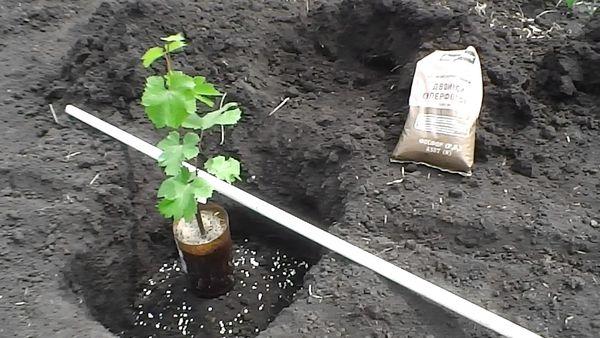
A few weeks beforehand, dig a hole or trench into which crushed stone is placed, followed by a mixture of compost and soil. After the soil has settled, the seedlings are planted: carefully spread the root system to a depth of 1 meter, covered with soil, compacted, and watered thoroughly. The distance between seedlings should be 2 meters.
Care instructions
During the growing season, which lasts 110 to 120 days, it's important to carefully monitor the soil and plants. It's crucial to carry out timely agricultural interventions.
Watering mode
At the beginning of growth, young Jupiter grape seedlings are watered generously once every two weeks. Use warm water, usually at room temperature. Subsequently, watering is distributed over three periods: bud break, after flowering, and when the fruit begins to ripen. This is done 2-3 times per season. The root system does not require abundant moisture, as it relies on groundwater or rainy days for its own nourishment.
Top dressing
Preventative measures include fertilizing with beneficial fertilizers. Nitrogen or organic fertilizers are used. Fertilize in spring and midsummer. This is sufficient for the root system to strengthen and the grape clusters to bloom. Periodically, dig the surrounding soil and apply mulch to retain moisture and suppress weeds.
Trimming
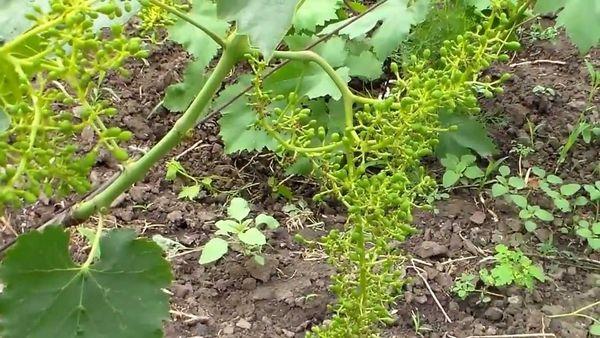
At the beginning of the season, dry shoots are removed and new shoots are pinched out, shortening them by 6-7 buds. This procedure helps regulate the growth of a healthy bush with uniform nutrition of the stem. This promotes fruit production and eliminates clusters of unripe fruit.
Protection from birds and insects
Brightly colored grape clusters attract birds like a magnet, and various pest control methods are used, including mechanical traps, chemical treatments, and netting. To prevent aphids, midges, and mites, spraying and timely removal of weeds and leaf rot are used.
Preparing for winter
Jupiter grapes don't tolerate extreme temperatures, so they're covered with agrofibre for the winter. This special material allows the right amount of oxygen and moisture to pass through, creating beneficial conditions for the plant during the winter.
Preventive spraying
Bordeaux mixture is used as a spray. Two to three times per season is sufficient: in the spring, after removing the agrofibre, and during the ripening period.
Methods of grape propagation
Propagation by cuttings, grafting and layering increases yield and strengthens the crop's characteristics.
Cuttings
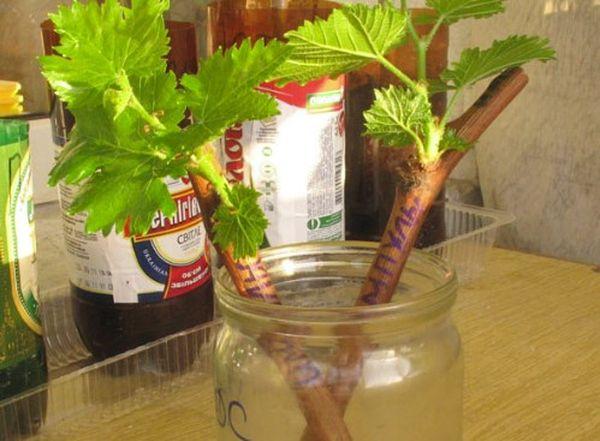
The traditional method is to plant additional grape cuttings or seedlings. This procedure is beneficial for propagating healthy vines on the site.
Graft
Another way to improve the quality of a grapevine's main shoot is to graft a cutting. To do this, use simple pruning shears, grafting shears, and special tape. After making a cut in the grapevine shoot, connect it to the previous year's cutting and wrap it with tape.
Layers
This method uses a bush with overripe clusters. It's planted next to a bush with a root system: a deep hole is dug and fertilized with organic fertilizer. Additional material is then planted, and the stem is distributed along the arch. This method is also used for decorative purposes.
Diseases and pests
Fungal diseases are common in the Jupiter grape variety; bacteria damage all green parts of the plant. Preventative measures are taken or infected areas are treated.
Oidium
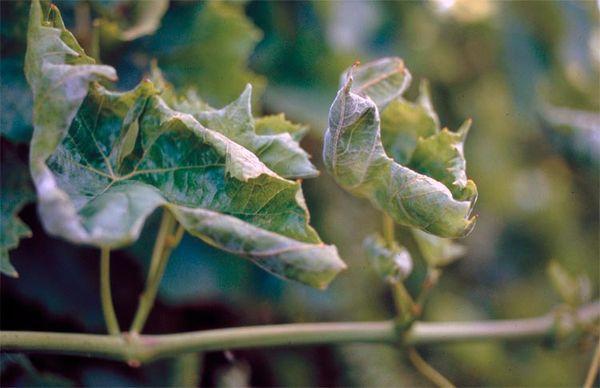
Powdery mildew is a common disease in regions with dry summers. The leaves and stems of sultanas become covered with a white coating, followed by brown spots. The plant dries out, and the berries crack. Treatment is achieved by spraying the crops with Metaxil or Ordan.
Mildew
Jupiter grapes can be affected by another fungal disease, mildew. A web-like coating forms on the leaves and stems, with spots of varying shades—yellow, red, and brown. The result is weakening of the plant, leaf drop, and shriveling of the berries. The disease occurs in humid climates and is especially active during rainy periods. Infections are treated with fungicides such as Ridomil and Quadris.
Harvesting and storage
For storage, clusters of unripe berries are selected. They are carefully picked and packed in small quantities into boxes to avoid damage. Grape clusters retain their quality for up to four months and withstand long-distance transportation well.
Tips and advice from experienced gardeners
For the Jupiter grape variety, remove all leaves and dried stems and keep it well insulated for the winter. The area around the bush should be free of weeds and rot; it's best to dig up the soil and cover it with special materials such as sawdust. Uncover the bush in April, when the sun is strongest.
A vineyard should be planted away from other plants, as its root system is very tortuous and long. The roots will take all the nutrients from other crops. Preventative measures such as fertilization, watering, and pruning should be used sparingly.
Related posts:
 How to grow grapes in the Moscow region in open ground without a greenhouse
 Description of the Julian grape variety, planting and care instructions
 The ripening time of grape vines by variety, how to speed up the process, and what to treat the plant with
 Description of the Krasotka grape variety, planting and care technology
 Description of 30 grape varieties for Siberia, planting and care for beginners
 Description and characteristics of the Laura grape variety, planting and care
 Description and characteristics of the Livia grape variety, cultivation and propagation
 Beginner's Guide to Growing Grapes in Open Ground in Central Russia